What is 2K Resolution on Monitors? Is It the Same as 1440p?
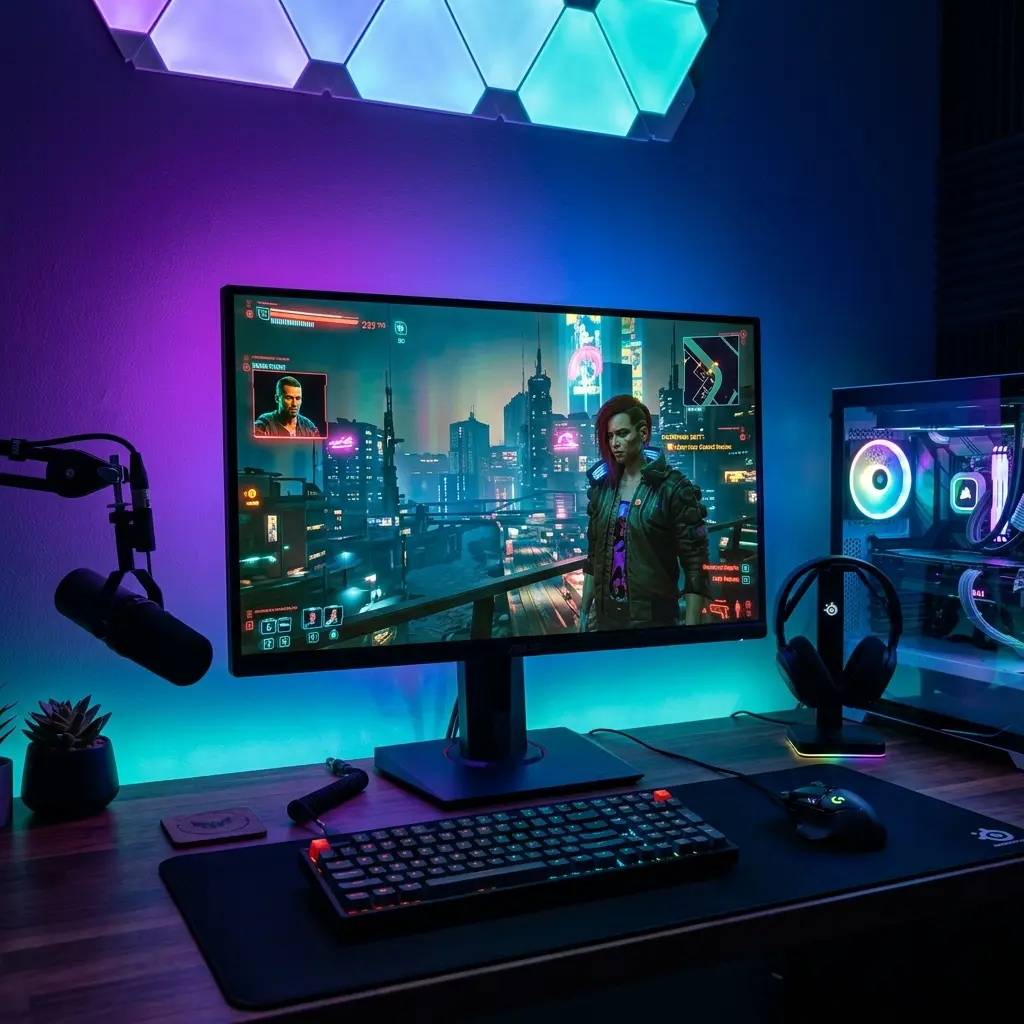
2K resolution refers to a display resolution of 2560 x 1440 pixels, commonly referred to as 1440p, making them effectively the same.
Physical Aspects and Resolution
2K resolution provides a pixel density that enhances clarity and detail compared to standard 1080p displays.
This resolution is often found in monitors ranging from 24 inches to 32 inches, balancing size and pixel density for optimal viewing experiences.
Performance and Technology
Monitors with 2K resolution typically utilize advanced display technologies such as IPS and VA for improved color reproduction and viewing angles.
Many modern graphics cards easily support 1440p, allowing gamers and professionals to leverage higher frame rates and smoother graphics.
Ergonomics and Visual Comfort
Ergonomic factors such as adjustable stands and VESA mount compatibility greatly enhance the usability of 2K monitors in varied work environments.
Reduced eye strain is often achieved through better pixel density, which minimizes the visible grid structure associated with lower resolutions.
| Feature | 1440p (2K) | 1080p (Full HD) | 4K (Ultra HD) |
|---|---|---|---|
| Resolution | 2560 x 1440 | 1920 x 1080 | 3840 x 2160 |
| Pixel Density | Higher | Lower | Highest |
| Typical Uses | Gaming, Design | General Use | Professional Video Editing |
Materials and Durability
High-quality 2K monitors often utilize durable materials such as aluminum and reinforced plastics to ensure longevity and resistance to wear.
Screen coatings such as anti-glare and scratch-resistant finishes enhance usability and protect the display from scratches and reflections.
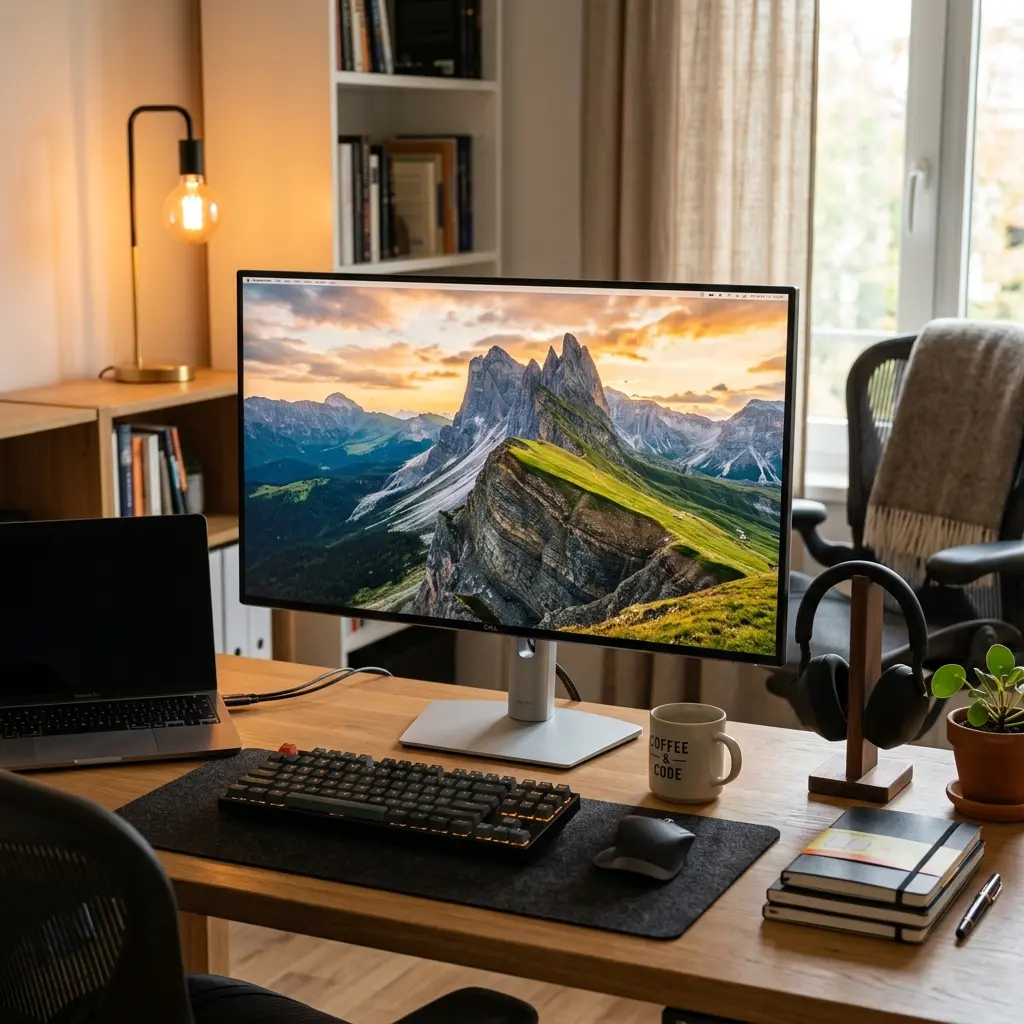
DomineTec Tip: Ensure monitors have adjustable heights and tilts to promote optimal neck and eye alignment, reducing strain.
Buying Recommendations and Brands
Leading brands such as Dell, ASUS, and LG offer a range of 2K monitors with varying features and price points.
Consider models that provide adaptive sync technology for smoother graphics and reduced screen tearing during gaming sessions.

- Assess the intended use: gaming, design, or general productivity.
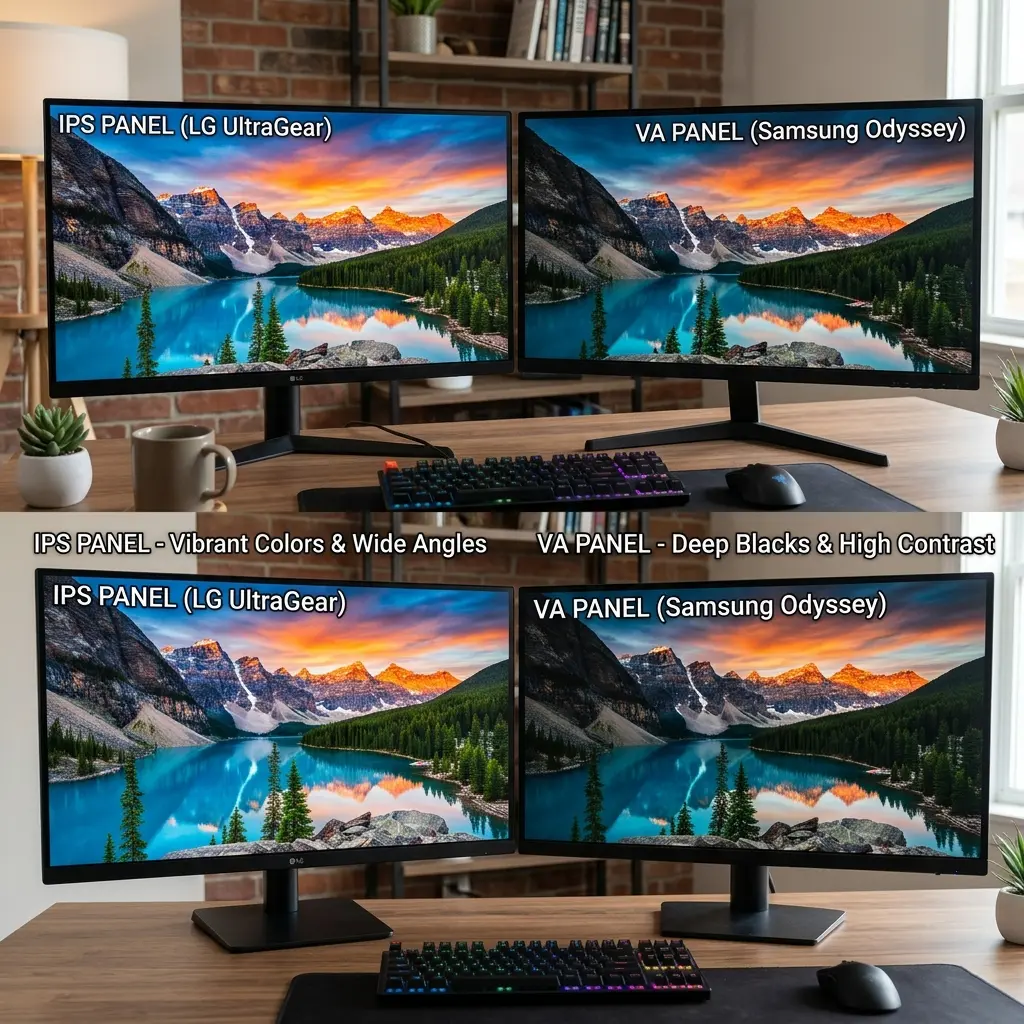
- Check for panel type: IPS for color accuracy, VA for contrast.
- Look for resolution and refresh rate compatibility with your graphics card.
- Read reviews on ergonomics and build quality.
- Compare prices across different retailers for best value.
Value Analysis and Verdict
Investing in a 2K monitor ensures a significant upgrade in visual fidelity, especially for detailed work and gaming.
With the right specifications, these monitors provide a balance between performance and cost, making them a valued addition to any setup.
Color Accuracy and Depth
Color accuracy is a critical factor for monitors, particularly for professionals in fields like graphic design and photography. A monitor with 2K resolution can offer superior color depth, allowing for a more extensive range of colors to be displayed accurately.
Many 2K monitors support technologies like Adobe RGB and DCI-P3 color spaces, which are essential for tasks that require precise color reproduction. This capability is often coupled with high bit depth, enabling richer and more vibrant visuals.
Furthermore, the quality of the panel itself plays a significant role in color performance. IPS panels, commonly found in higher-end 2K displays, typically provide better color consistency and viewing angles compared to TN panels.
Investing in a monitor that excels in color accuracy can profoundly impact the quality of work produced, making it a crucial consideration for potential buyers.
Refresh Rate and Gaming Experience
The refresh rate of a monitor significantly influences the gaming experience, especially for competitive gamers. Many 2K monitors come with higher refresh rates, such as 144Hz or even 240Hz, enhancing the fluidity of gameplay.
Higher refresh rates reduce motion blur and improve responsiveness, providing a competitive edge in fast-paced gaming environments. Gamers often prefer monitors with a refresh rate of at least 144Hz for smoother graphics.
Additionally, technologies like G-Sync and FreeSync are increasingly integrated into 2K monitors, further enhancing the gaming experience by synchronizing the refresh rate with the graphics card's output. This minimizes screen tearing and stuttering, contributing to a more immersive experience.
Thus, when selecting a 2K monitor for gaming, it's essential to consider both the refresh rate and adaptive sync technologies for optimal performance.
Connectivity Options and Compatibility
Connectivity options are vital for ensuring that a monitor can integrate seamlessly with various devices. Most 2K monitors offer a range of ports, including HDMI, DisplayPort, and USB-C, catering to different user needs.
HDMI is commonly used for connecting to gaming consoles and laptops, while DisplayPort is preferred for PC setups due to its higher bandwidth capabilities. USB-C is becoming increasingly popular for its versatility, enabling video, audio, and power delivery through a single cable.
Compatibility with different operating systems and devices is also a crucial consideration. Many 2K monitors are designed to work well with both Windows and macOS environments, making them suitable for a broad audience.
Ensuring that a 2K monitor has the right connectivity options can significantly enhance usability and flexibility in various settings.
Use Cases and Applications
2K resolution monitors are versatile and cater to a wide range of applications, from professional creative work to general office tasks. For designers and editors, the clarity and detail provided by 2K resolution can enhance workflow and productivity.
In gaming, 2K monitors offer an excellent balance between performance and visual fidelity, making them popular among gamers seeking high-quality graphics without the demands of 4K resolution.
Additionally, 2K monitors are suitable for general office work, providing ample screen real estate for multitasking and detailed spreadsheets. The clarity of text and images can reduce eye strain during long working hours.
Thus, understanding the specific use cases can help potential buyers choose the right 2K monitor for their needs.
Future-Proofing and Longevity
Investing in a 2K monitor is a consideration of future-proofing technology, given the ongoing development of display technologies and content delivery. As media evolves and gaming becomes more demanding, a 2K monitor can serve as a reliable medium for years to come.
With the increasing prevalence of 2K content in streaming services and gaming, having a monitor that can display this resolution ensures that buyers will not need to upgrade in the near future.
Additionally, many 2K monitors are designed to accommodate emerging technologies, such as HDR, which enhances overall picture quality by expanding contrast and color range.
Therefore, selecting a 2K monitor is a strategic decision that can provide value and longevity in an ever-evolving digital landscape.
Energy Efficiency and Environmental Impact
Energy efficiency is an essential consideration for modern monitors, especially as environmental concerns become increasingly prominent. Many 2K monitors are designed with energy-saving features that can significantly reduce power consumption.
Features such as automatic brightness adjustment and energy-efficient backlighting contribute to lower electricity usage, making these monitors more eco-friendly options.
Moreover, energy-efficient models often meet international standards, such as Energy Star certification, which identifies products that maximize energy savings while maintaining performance.
Choosing an energy-efficient monitor not only benefits the environment but can also lead to cost savings on electricity bills over time.
Calibration and Customization Options
Calibration is vital for ensuring that a monitor displays colors accurately and consistently. Many 2K monitors offer built-in calibration tools or support calibration software, enabling users to fine-tune settings to their preferences.
Customization options extend beyond calibration, with many monitors featuring adjustable stands, customizable color profiles, and various display modes tailored for different tasks.
For professionals, having the ability to calibrate monitors accurately ensures that the color representation is true to life, which is crucial for various creative applications.
Thus, the availability of calibration and customization options can significantly enhance the user experience and output quality.
Viewing Distance and Screen Size Considerations
Understanding the relationship between screen size, resolution, and viewing distance is crucial when evaluating 2K monitors. The ideal distance can significantly affect the perceived sharpness and clarity of the image, influencing user satisfaction.
For 2K resolution, which typically refers to a pixel count of 2560 x 1440, the optimal viewing distance is often around 3 to 4 feet for a monitor size of 27 inches. This distance allows users to fully appreciate the increased pixel density without noticing individual pixels.
As screen sizes increase, the recommended viewing distance also changes. Larger monitors, such as 32 inches or more, may require users to sit further back to avoid straining their eyes while still enjoying the benefits of the higher resolution.
Ultimately, users should consider their typical usage scenarios and space constraints when selecting a monitor size and resolution combination. This ensures not only a comfortable viewing experience but also maximizes the benefits of 2K resolution.
Comparative Analysis with Other Resolutions
In the landscape of display resolutions, 2K stands as a midpoint between Full HD (1080p) and 4K (2160p). Understanding how 2K compares to these resolutions can aid in making informed purchasing decisions.
Full HD, with its resolution of 1920 x 1080 pixels, is often sufficient for casual use and gaming. However, 2K offers a noticeable improvement in clarity, making it preferable for tasks requiring detailed visual work, such as graphic design or video editing.
On the other end of the spectrum, 4K resolution, at 3840 x 2160 pixels, provides even greater detail. However, the increased hardware demands and cost associated with 4K can be a deterrent for some users, especially in gaming scenarios where performance is a priority.
2K resolution strikes a balance, offering enhanced detail without overwhelming the graphics hardware requirements, making it an appealing choice for a wide range of users, from gamers to professionals.
Market Trends and Adoption of 2K Monitors
The adoption of 2K monitors has been steadily increasing as consumers seek improved visual experiences. This trend reflects a growing awareness of the benefits associated with higher resolutions in various applications.
Gaming, in particular, has driven the demand for 2K monitors, as many gamers desire a resolution that enhances their experience without the performance hit that can accompany 4K gaming. Titles optimized for 2K allow for smoother gameplay while still delivering impressive visuals.
Professional environments, such as graphic design and video production, also contribute to the rise of 2K monitors. The improved accuracy and detail enable professionals to create and edit work with greater precision, making these monitors a valuable asset in creative industries.
As technology continues to evolve, it's likely that 2K monitors will become even more prevalent, with manufacturers focusing on features that enhance usability and visual fidelity. This trend suggests a promising future for 2K technology in the monitor market.
Impact of 2K Resolution on Content Creation
The rise of 2K resolution has significantly affected content creation across various industries, including film, photography, and graphic design. Professionals in these fields often require higher resolutions to achieve more detailed and precise work, making 2K a popular choice.
With a resolution of 2560 x 1440 pixels, 2K provides a substantial improvement over 1080p, allowing creators to see their projects in greater detail. This increased clarity helps in tasks such as color grading, where subtle differences in hues can make a considerable impact on the final product.
Moreover, many software applications now optimize their tools for 2K displays, enhancing functionality and enabling smoother workflows. The higher pixel density also allows for larger canvas sizes, permitting designers to work on intricate details without losing fidelity.
As content consumption continues to evolve, it is likely that 2K resolution will become a standard for professional-grade media, solidifying its role in the creative process. Consequently, creators are encouraged to invest in 2K monitors to meet the demands of their projects and clients.
Comparative Cost Analysis of 2K Monitors
The cost of 2K monitors has become increasingly competitive as technology advances and production costs decrease. While higher-end 4K displays may dominate the market, 2K monitors offer a more budget-friendly alternative without significant sacrifices in performance.
When examining the price spectrum, 2K monitors typically range from mid-tier to high-end, making them accessible for both casual consumers and professionals. This versatility allows users to choose based on their specific needs and financial constraints.
Additionally, the long-term value of investing in a 2K monitor is evident when considering its capabilities for diverse applications. Users can engage in gaming, content creation, and productivity tasks without the need for frequent upgrades to higher resolutions, which can be more costly.
Overall, 2K monitors present a balanced option for consumers seeking quality performance at a reasonable price, ensuring they remain a relevant choice in the evolving landscape of display technology.
Impact of 2K Resolution on Streaming and Multimedia Consumption
2K resolution, often referred to as 1440p, has a significant influence on the streaming and multimedia consumption landscape. Streaming services such as Netflix and YouTube have begun to adopt higher resolutions to meet the growing demands of consumers who prioritize visual quality.
Content creators and filmmakers are increasingly producing media in 2K resolution, enhancing the viewing experience for audiences. This resolution provides a balance between 1080p and 4K, allowing for sharper images without the extensive bandwidth requirements of 4K streaming.
With 2K resolution, users can experience more detailed textures and clearer visuals, especially during fast-paced action scenes in movies or gaming. This clarity improves engagement, making it an appealing choice for both casual viewers and hardcore gamers.
The adoption of 2K displays is also reflected in the hardware ecosystem, with many mid-range GPUs now optimized for 1440p gaming and streaming. This trend suggests a growing recognition of 2K resolution as a sweet spot for performance and visual fidelity.
User Experience and Interface Design at 2K Resolution
The user experience (UX) for applications and interfaces significantly benefits from the clarity offered by 2K resolution. Higher pixel density allows for more detailed and readable text, which is particularly advantageous for productivity applications and web browsing.
Designers are able to create more intricate and visually appealing interfaces, as the increased resolution allows for finer details and smoother gradients. This improves usability and can lead to higher user satisfaction in both software and web applications.
Moreover, 2K resolution serves as a middle ground between 1080p and 4K, making it accessible for devices that may not handle 4K efficiently. This flexibility encourages software developers to optimize their applications for 2K displays, further enhancing the overall user experience.
In an increasingly visual world, the trend towards 2K resolution in UI design reflects a broader commitment to enhancing digital interactions. Users benefit from a more immersive experience that can lead to increased productivity and enjoyment across various digital platforms.
Frequently Asked Questions
What is the difference between 2K and 4K resolution?
2K resolution (2560 x 1440) has fewer pixels than 4K resolution (3840 x 2160), resulting in less detail and clarity.
Can a 2K monitor be used for gaming?
Yes, 2K monitors are excellent for gaming, providing a higher resolution that enhances the overall visual experience.
What refresh rate is ideal for 2K monitors?
A refresh rate of 144Hz is ideal for gamers, providing smoother motion and reducing input lag.
Is 2K resolution worth it compared to 1080p?
Yes, 2K resolution offers significantly improved image quality, making it a worthwhile upgrade for most users.
Are there any downsides to 2K monitors?
Potential downsides include higher costs and the need for more powerful graphics hardware to run at optimal settings.




