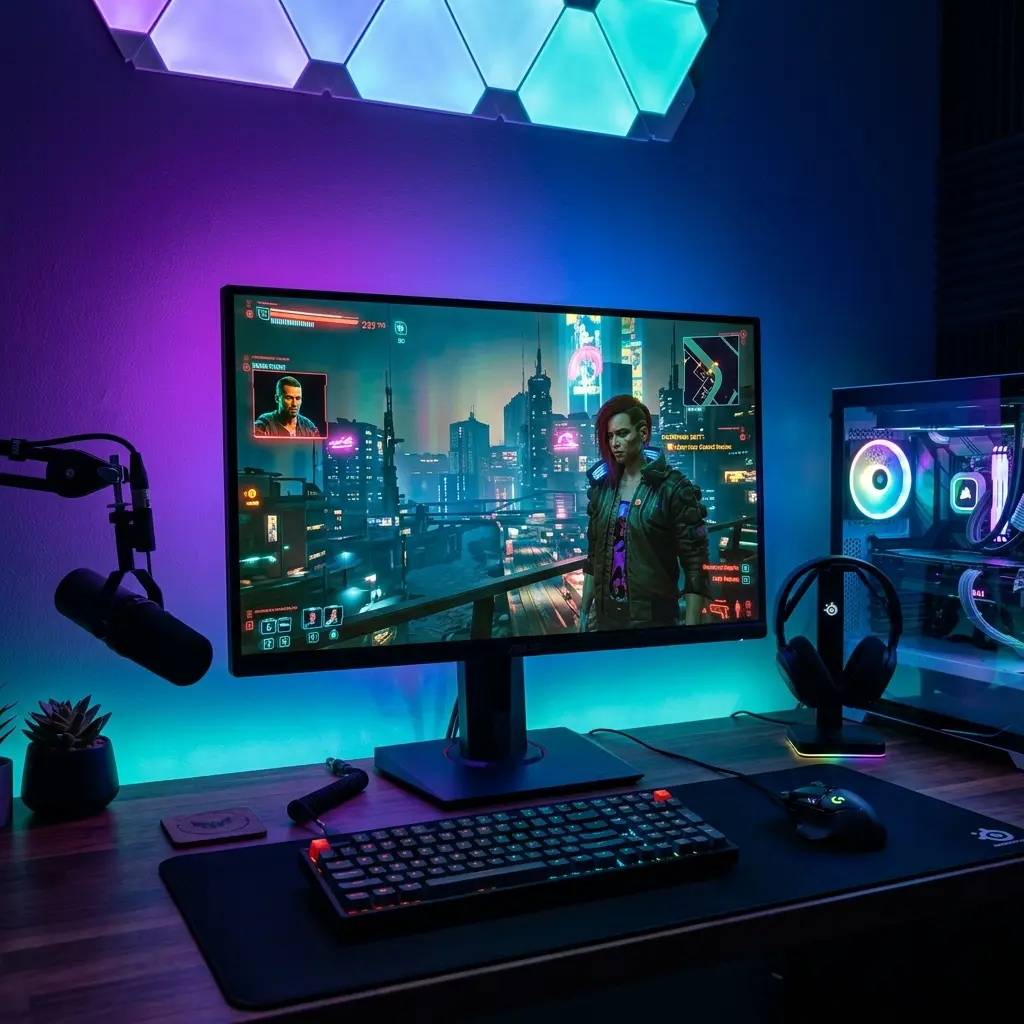
1ms response time on gaming monitors indicates the speed at which pixels can change from one color to another, crucial for smooth visuals.
Physical Aspects and Resolution
The physical characteristics of monitors with 1ms response time often include a variety of panel types such as TN, IPS, and VA. Higher resolutions like Full HD (1080p) or even 4K are common, enhancing visual clarity alongside rapid pixel response.
Performance and Technology
Monitors with 1ms response time utilize advanced technologies like overdrive, which accelerates pixel transitions. This results in reduced motion blur, making gameplay smoother during high-speed action sequences.
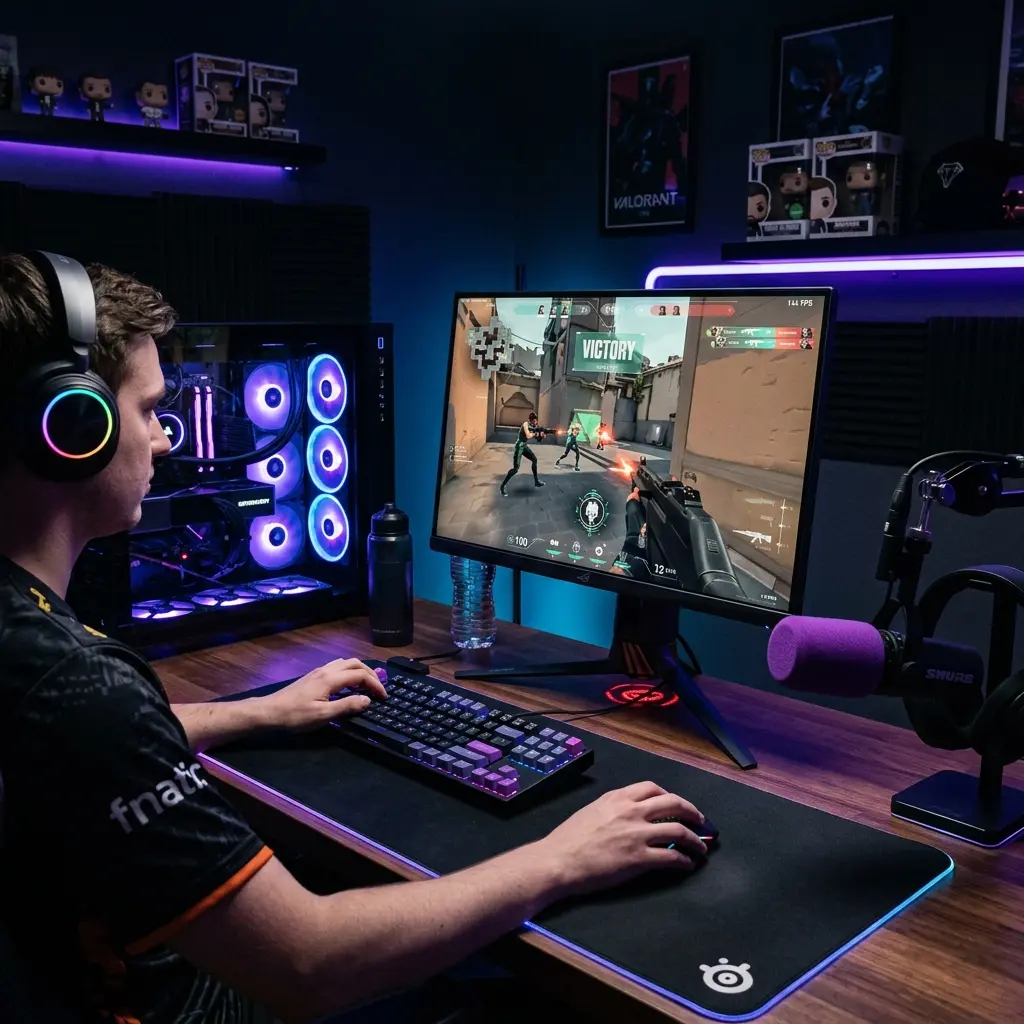
Ergonomics and Visual Comfort
Ergonomics in gaming monitors involves adjustable stands, blue light filters, and flicker-free technology for prolonged comfort. Proper height and tilt adjustments can significantly reduce eye strain during extended gaming sessions.
| Monitor Model | Panel Type | Refresh Rate | Price Range |
|---|---|---|---|
| ASUS ROG Swift PG259QN | IPS | 360Hz | $600 - $700 |
| BenQ ZOWIE XL2546 | TN | 240Hz | $400 - $500 |
| Samsung Odyssey G7 | VA | 240Hz | $700 - $800 |
Materials and Durability
The materials used in the construction of gaming monitors directly influence longevity and performance. High-quality plastics and aluminum are often utilized in premium models for added durability and heat dissipation.
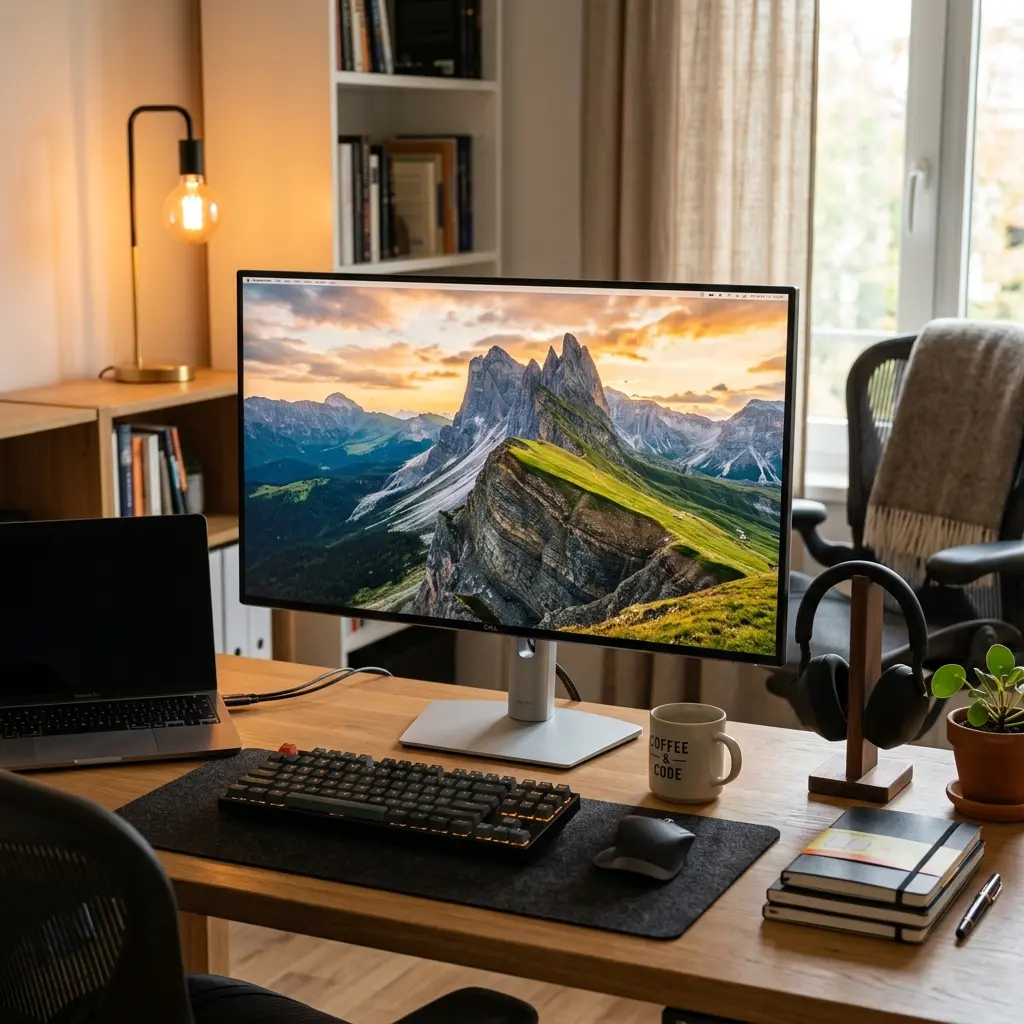
DomineTec Tip: Ensure that the monitor is positioned at eye level and approximately an arm's length away to promote optimal viewing comfort.
Buying Recommendations and Brands
Leading brands like Dell, Acer, and ASUS are known for their high-performance gaming monitors. Consider factors such as panel type, refresh rate, and ergonomic features when making a selection.

- Determine the preferred panel type (TN for speed, IPS for color accuracy).
- Assess the monitor’s refresh rate to match gaming needs (144Hz or higher recommended).
- Check for ergonomic features like height adjustment and tilt.
- Read reviews to gauge real-world performance and durability.
- Compare prices across multiple retailers for the best deal.
Value Analysis and Verdict
Investing in a monitor with a 1ms response time is justified for competitive gaming, as it significantly enhances responsiveness. Evaluating the overall value involves balancing specifications with budget constraints and personal gaming preferences.
Color Accuracy and Calibration
Color accuracy is a critical aspect of gaming monitors, particularly for genres where visual fidelity is paramount, such as racing simulators and RPGs.
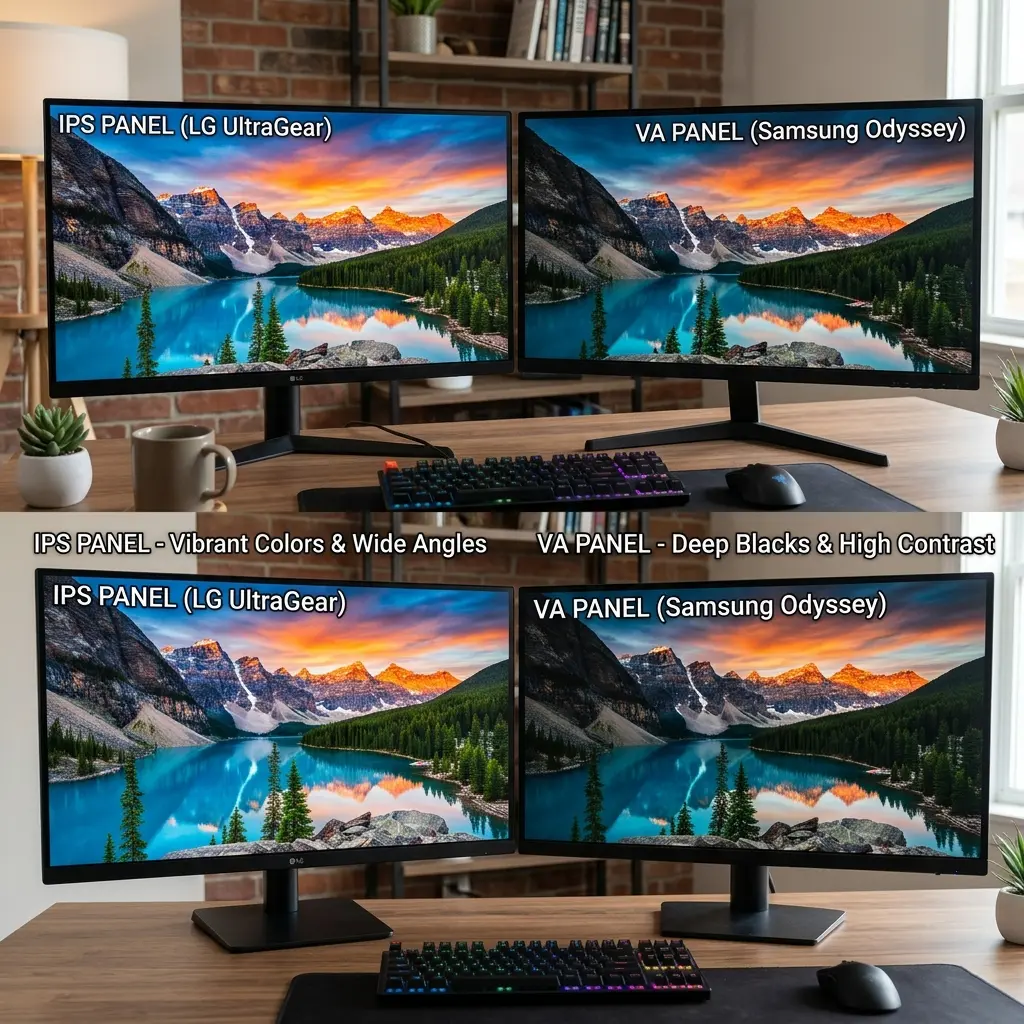
Monitors with a 1ms response time often utilize advanced technologies like IPS or VA panels, which can provide better color reproduction compared to standard TN panels.
Calibration tools and software can further enhance color accuracy, enabling gamers to adjust settings for optimal visual performance.
Regular calibration ensures that the colors displayed remain consistent over time, which is essential for competitive gaming and immersive experiences.
Impact of Refresh Rate on Gaming Experience
The refresh rate of a monitor, measured in hertz (Hz), indicates how many times the image on the screen is refreshed per second.
Monitors with a 1ms response time typically pair well with high refresh rates, such as 144Hz or 240Hz, providing smoother gameplay and reducing motion blur.
High refresh rates combined with low response times create a more responsive gaming experience, allowing for quicker reactions during fast-paced gaming scenarios.
It is important to consider both response time and refresh rate when selecting a gaming monitor to achieve the best overall performance.
Input Lag and Its Relationship with Response Time
Input lag refers to the delay between a player's action and the corresponding response on the screen, which can significantly affect gameplay.
A 1ms response time can help minimize input lag, but it is not the sole factor; the monitor's processing capabilities also play a crucial role.
Low input lag is especially important in competitive gaming, where even milliseconds can be the difference between victory and defeat.
Gamers should look for monitors that advertise both low response times and low input lag for an optimal experience.
Adaptive Sync Technologies
Adaptive sync technologies, such as NVIDIA G-SYNC and AMD FreeSync, are designed to eliminate screen tearing and stuttering during gameplay.
These technologies work by synchronizing the monitor's refresh rate with the frame rate output of the graphics card, providing a smoother visual experience.
When combined with a 1ms response time, adaptive sync can significantly enhance gameplay, particularly in fast-paced titles where every frame counts.
Support for these technologies is an important consideration when selecting a gaming monitor, as they can greatly improve the overall experience.
Environmental Factors and Their Influence
The environment in which a gaming monitor is used can affect its performance, including factors like ambient light and room colors.
Monitors with a 1ms response time often feature anti-glare coatings to reduce reflections and improve visibility in bright environments.
Proper placement and calibration can help mitigate environmental distractions, allowing gamers to focus on their performance.
Gamers should assess their setup and consider ambient lighting when choosing a monitor to ensure the best possible viewing experience.
Future Trends in Gaming Monitor Technology
The gaming monitor industry is constantly evolving, with new technologies being developed to enhance performance and user experience.
Emerging technologies, such as OLED screens and mini-LED backlighting, promise improved contrast ratios and faster response times.
As gaming demands increase, manufacturers are likely to push the boundaries of refresh rates, resolutions, and response times to meet player expectations.
Staying informed about these trends can help gamers make educated decisions when purchasing new equipment in the future.
Community Feedback and Reviews
Community feedback and reviews play a vital role in assessing the real-world performance of gaming monitors.
Online forums, review sites, and social media platforms provide valuable insights from gamers who have firsthand experience with specific models.
It is advisable for potential buyers to research user feedback on aspects such as response time, color accuracy, and overall satisfaction.
Engaging with the gaming community can lead to discovering hidden gems or avoiding poorly reviewed products.
Monitor Size and Viewing Distance
The size of a gaming monitor plays a crucial role in the overall gaming experience. Larger screens can enhance immersion, but they may require adjustments in viewing distance to maintain clarity and comfort.
Optimal viewing distance is often determined by the monitor's size and resolution. For instance, a 27-inch monitor with a 1440p resolution is generally best viewed from about 2 to 3 feet away to avoid pixelation and ensure a sharp image.
Gamers should consider their setup and room dimensions to determine the ideal monitor size. A larger monitor in a small space might lead to neck strain or limited peripheral vision.
Ultimately, finding the right balance between monitor size and viewing distance can enhance gameplay while minimizing discomfort during extended sessions.
Panel Types and Their Influence on Gameplay
Different panel technologies, such as IPS, TN, and VA, affect color reproduction, viewing angles, and response times. Each type has its strengths and weaknesses, influencing how a gamer perceives motion and detail.
IPS panels typically offer superior color accuracy and wider viewing angles, making them ideal for visually rich games. However, they may have slightly slower response times compared to TN panels, which are favored for their rapid response and lower input lag.
VA panels strike a balance by providing good contrast ratios and decent response times, making them suitable for a variety of gaming genres. Understanding these differences can help gamers choose a monitor that aligns with their specific needs.
Ultimately, the choice of panel type can significantly impact gameplay, affecting how visuals are rendered and perceived during fast-paced action sequences.
Calibration and Customization Options
Advanced calibration settings allow gamers to tailor their monitor's performance to their preferences. These settings can include adjusting brightness, contrast, color temperature, and gamma levels for an optimized viewing experience.
Many gaming monitors come with preset modes designed for specific genres, such as FPS or RPG. These modes can enhance visibility in dark areas or improve color saturation, providing a competitive edge.
In addition to factory settings, some monitors support third-party calibration tools, enabling users to achieve professional-level accuracy. This can be particularly beneficial for gamers who also engage in video editing or graphic design.
Ultimately, investing time in calibration can lead to a more enjoyable gaming experience, ensuring that visuals meet the demands of both casual and competitive play.
Impact of Cable Quality on Performance
The quality of cables used to connect a gaming monitor can have a significant impact on performance. Poor-quality cables may introduce interference or signal degradation, which can affect image quality and responsiveness.
Using high-quality HDMI or DisplayPort cables is essential, especially when running monitors at higher resolutions and refresh rates. Subpar cables can lead to issues like screen flickering or reduced frame rates.
Additionally, the length of the cable can also influence performance. Longer cables may require higher quality to maintain signal integrity, particularly for 4K and ultra-wide monitors.
Investing in reliable cables ensures that the monitor's capabilities are fully realized, maximizing the gaming experience and reducing potential technical issues during gameplay.
Latency and Network Factors in Online Gaming
While response time is crucial for gaming monitors, players must also consider latency related to network factors. Latency refers to the delay between a player's action and the server's response, which can significantly affect gameplay, especially in fast-paced online games.
High latency can result from various issues, including poor internet connection, server location, and the quality of the networking hardware. Players should ensure they have a stable and high-speed internet connection to minimize this lag.
In addition to a reliable internet connection, using a wired Ethernet connection instead of Wi-Fi can help reduce latency. Wired connections typically provide lower latency and more consistent performance, which is vital for competitive gaming scenarios.
Ultimately, understanding the interplay between monitor response time and network latency is essential for achieving a smooth gaming experience. Players should aim to optimize both aspects to enhance their overall performance.
Impact of Gaming Genres on Monitor Requirements
Different gaming genres have distinct demands that can influence monitor requirements, including response time and other specifications. Competitive first-person shooters (FPS) typically benefit from monitors with lower response times and higher refresh rates.
In contrast, genres like role-playing games (RPGs) or strategy games may not require the same level of speed. These games often focus more on visual fidelity and color accuracy, allowing for a broader range of monitor specifications to be considered acceptable.
As such, gamers should tailor their monitor choices according to the genres they play most frequently. Understanding the specific requirements of each genre can help players select a monitor that will enhance their gaming experience.
Ultimately, recognizing the impact of gaming genres on monitor requirements allows players to make informed decisions, ensuring their setup aligns with their gaming preferences and performance goals.
Role of Refresh Rate in Competitive Gaming
The refresh rate of a gaming monitor is another critical factor that complements response time. While response time measures how quickly a pixel can change from one color to another, refresh rate indicates how often the display refreshes the image per second, measured in hertz (Hz). A monitor with a higher refresh rate, such as 144Hz or 240Hz, can display more frames per second, providing a smoother visual experience that is crucial in fast-paced competitive gaming.
In competitive gaming, where every millisecond counts, the combination of low response time and high refresh rate can significantly enhance gameplay. A higher refresh rate reduces motion blur and allows players to see fast-moving objects more clearly. This clarity can give gamers a competitive edge, especially in first-person shooters and racing games where quick reactions are essential.
Moreover, the synergy between response time and refresh rate can reduce the perception of lag, making the overall experience feel more fluid. For instance, while a 1ms response time ensures that the pixels change quickly, a 240Hz refresh rate ensures that these changes are displayed rapidly, minimizing any delay between player inputs and on-screen action. This combination is particularly beneficial in eSports, where professional players rely on every advantage possible.
Ultimately, choosing a monitor with both a low response time and a high refresh rate is vital for serious gamers. As the industry advances, monitors with increasingly higher refresh rates and faster response times are becoming the norm, continuously pushing the boundaries of what gamers can expect from their displays.
Impact of Visual Artifacts on Gaming Performance
Visual artifacts, such as ghosting and screen tearing, can significantly impact the gaming experience. Ghosting occurs when fast-moving images leave a trail behind, resulting from slow pixel response times. This can be particularly disruptive in fast-paced gaming scenarios, where clarity and precision are paramount. A monitor with a 1ms response time aims to minimize ghosting, providing a cleaner and more enjoyable visual experience.
Screen tearing is another visual artifact that occurs when the monitor's refresh rate and the frame rate output from the graphics card are out of sync. This can result in unsightly horizontal splits in the image. Technologies such as V-Sync, G-Sync, and FreeSync help mitigate this issue, allowing for smoother gameplay. However, even with these technologies, a monitor with low response time remains crucial, as it ensures that the frames displayed are as accurate and fluid as possible.
The presence of visual artifacts can lead to decreased performance in competitive gaming. Players may find it harder to track moving targets or make precise movements when the display is not rendering images clearly. As such, selecting a monitor that excels in both response time and overall visual fidelity is essential for gamers who wish to maintain peak performance.
As technology continues to evolve, manufacturers are increasingly focused on reducing visual artifacts in gaming monitors. Innovations in panel technology and processing techniques are contributing to a future where gamers can expect even clearer, artifact-free displays, enhancing both enjoyment and competitive performance.
Frequently Asked Questions
What is the difference between 1ms and 5ms response time?
A 1ms response time offers less motion blur compared to a 5ms response time, making it ideal for fast-paced games.
Does response time affect gaming performance?
Yes, lower response times lead to smoother gameplay and better overall performance in competitive settings.
Is a higher refresh rate better than a lower response time?
Both aspects are crucial; however, a higher refresh rate complements low response times for optimal performance.
Can a monitor with 1ms response time be used for professional work?
While designed for gaming, monitors with 1ms response time can also serve well for professional tasks, particularly in graphic design.
What panel type is best for a 1ms response time?
TN panels generally provide the fastest response times, but IPS panels are increasingly achieving similar speeds with better color reproduction.




