Wall-Mounted Floating Desks: Pros and Cons for Small Setup Spaces
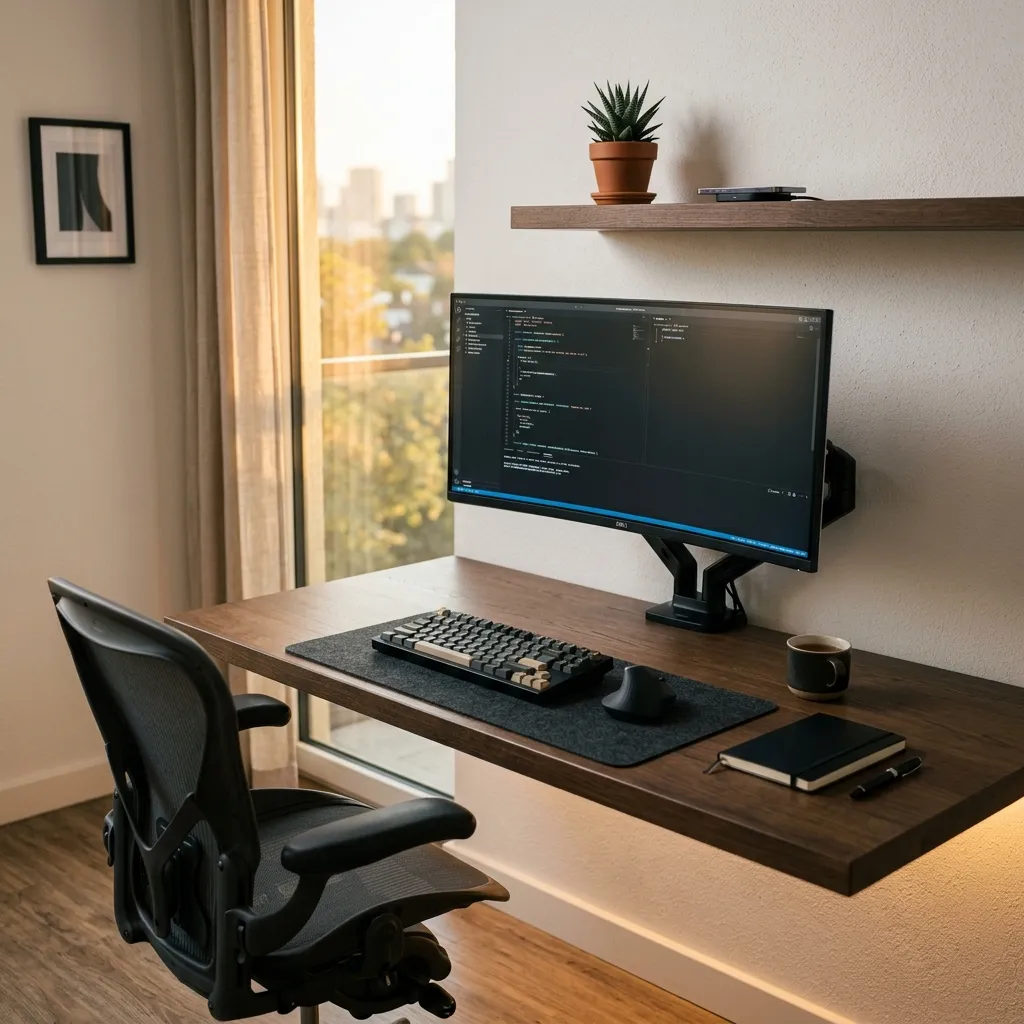
Wall-mounted floating desks offer a solution for optimizing small spaces, balancing functionality and aesthetics effectively.
Ergonomic Considerations
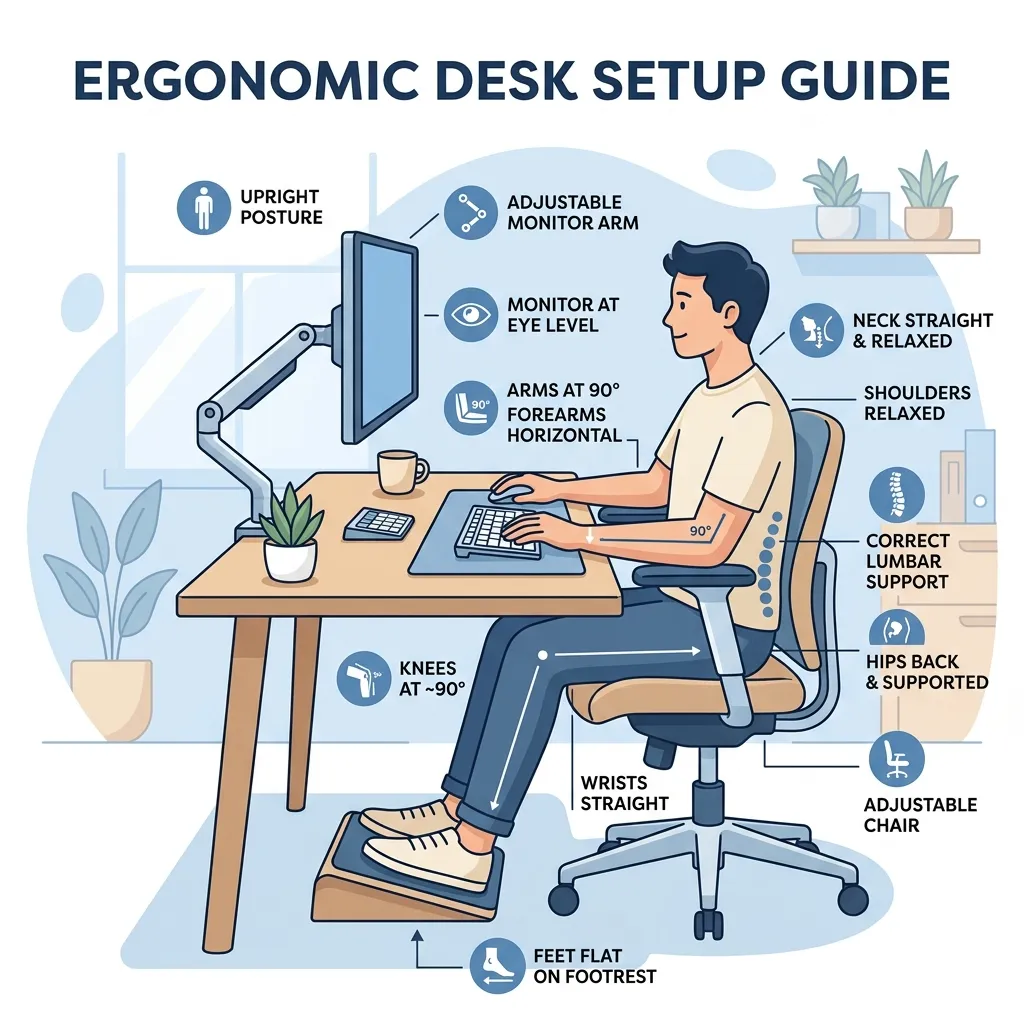
Adjustable heights in wall-mounted desks cater to different user needs, promoting proper posture and reducing strain. Ideal desk height should allow elbows to remain at a 90-degree angle while sitting.
Performance and Functionality
Floating desks enhance productivity by keeping essential tools within reach without cluttering floor space. Features like built-in cable management systems further streamline workspace efficiency.
Materials and Durability
Common materials include engineered wood, metal, and glass, each with unique durability characteristics. Solid wood options provide timeless aesthetics but may require more maintenance compared to laminate surfaces.
Design Versatility
Available in various styles, from minimalist to industrial, wall-mounted desks can complement diverse interior designs. Customizable options allow adaptation to specific space constraints and personal tastes.
Comparative Analysis of Popular Brands
| Brand | Material | Weight Capacity | Dimensions (inches) | Price Range |
|---|---|---|---|---|
| IKEA | Particle Board | 50 lbs | 47 x 23.5 | $99 - $149 |
| Sauder | Engineered Wood | 55 lbs | 42 x 22 | $120 - $170 |
| West Elm | Solid Wood | 75 lbs | 60 x 24 | $499 - $699 |
| Furinno | Composite Wood | 40 lbs | 39 x 15.5 | $60 - $90 |
| Herman Miller | Wood/Metal | 100 lbs | 50 x 30 | $800 - $1200 |
DomineTec Tip: Ensure monitor height aligns with eye level to maintain ergonomic posture during use.
- Choose a desk that fits the specific spatial constraints of the setup.
- Consider weight capacity for equipment to ensure stability.
- Assess material for durability and maintenance requirements.
- Incorporate ergonomic accessories like keyboard trays or monitor arms.
- Evaluate design options to match existing decor and personal style.
Space Optimization Techniques
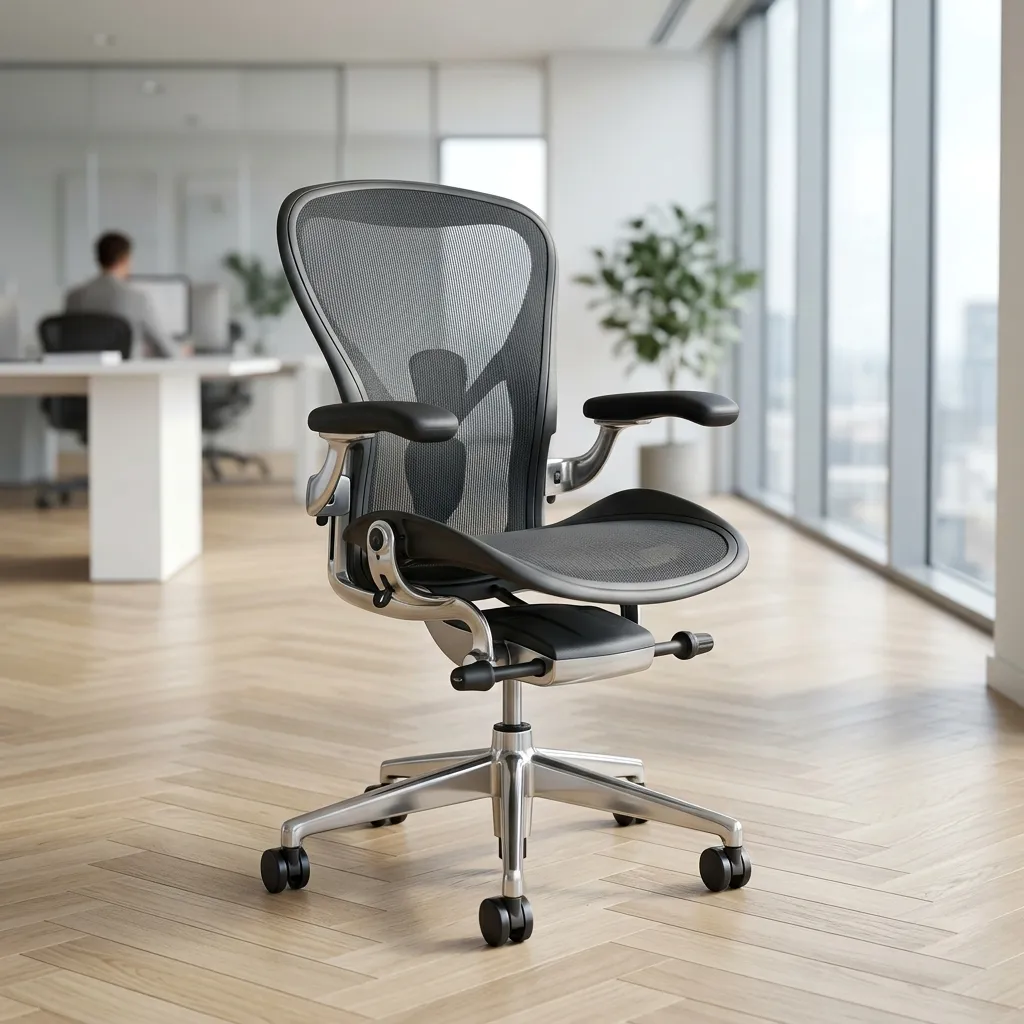
Wall-mounted floating desks are particularly advantageous for small spaces, offering a unique solution to maximizing available square footage. By utilizing vertical space, these desks allow users to create an efficient work area without the bulk of traditional furniture.
Incorporating wall-mounted desks into small setups can help delineate work zones within multifunctional rooms, enhancing focus and productivity. Proper placement can improve the aesthetics of the space and create a more comfortable working atmosphere.
Combining floating desks with other space-saving furniture, such as foldable chairs or storage solutions, can further optimize small areas. This cohesive approach maximizes functionality while maintaining a clean and uncluttered look.
Installation and Maintenance Guidelines
Proper installation of wall-mounted floating desks is crucial for safety and functionality. Users should ensure that the desk is securely fastened to the wall, typically using heavy-duty anchors designed for the wall type being used.
Regular maintenance is essential to prolong the life of a floating desk. Periodically checking for loose screws or structural integrity will ensure that the desk remains stable and safe for use.
Cleaning and care also play a significant role in the maintenance of these desks. Depending on the material, a gentle cleaner can be used to remove dust and stains without damaging the surface finish.
Furthermore, users should consider the weight capacity of their chosen desk. Adhering to manufacturer guidelines for weight limits can prevent accidents and ensure the desk remains functional over time.
Customization Options
Customization is a significant advantage of wall-mounted floating desks, enabling users to tailor their workspace according to personal preferences and needs. Many manufacturers offer various finishes, colors, and sizes to suit different decor styles.
Some companies allow for additional features such as built-in shelving, cable management systems, and adjustable heights. These options enhance both aesthetics and functionality, catering to diverse user requirements.
DIY enthusiasts may opt for custom-built floating desks, allowing for complete design control. This approach can result in a uniquely tailored workspace that reflects individual style and maximizes utility.
Incorporating personalized elements, such as artwork or decorative accessories, can further enhance the workspace's appeal and functionality. This customization transforms a standard desk into a motivational and engaging environment.
Environmental Impact and Sustainability
The choice of materials for wall-mounted floating desks can significantly influence their environmental impact. Opting for sustainably sourced wood or recycled materials can reduce the carbon footprint associated with furniture production.
Moreover, selecting desks that use non-toxic finishes and adhesives contributes to a healthier indoor environment. These choices are particularly important for individuals with sensitivities or allergies to certain chemicals.
Manufacturers that prioritize eco-friendly practices often implement responsible production processes, including waste reduction and energy-efficient manufacturing. Supporting such companies promotes sustainability within the furniture industry.
Additionally, investing in durable and long-lasting furniture can reduce the frequency of replacement, further minimizing environmental impact. Consumers should consider the lifecycle of the product when making their purchasing decisions.
Remote Work and Productivity Enhancements
The rise of remote work has made efficient workspace solutions more critical than ever. Wall-mounted floating desks provide a compact and organized area conducive to increased productivity.
By creating a dedicated workspace at home, individuals can separate work from leisure, which is essential for maintaining focus and work-life balance. A well-defined workspace helps in establishing a routine.
Customization options, such as built-in lighting or adjustable heights, can further enhance productivity. Adequate lighting and ergonomic positioning contribute to comfort, reducing fatigue during long work hours.
Integrating technology, such as charging stations or cable management systems, into these desks can streamline workflows and minimize distractions. This thoughtful design approach supports a more efficient working environment.
Integration with Technology and Accessories
Modern wall-mounted floating desks often feature designs that accommodate various tech accessories, making them suitable for today's digital workspace. This integration is essential for maximizing functionality in small setups.
Many floating desks come equipped with built-in USB ports or outlets, facilitating easy access to power sources for devices. This feature minimizes cable clutter and enhances overall organization.
In addition to power options, mounting solutions for monitors and keyboards can be incorporated, allowing for a more ergonomic setup. This adaptability is crucial for users who require multiple screens or specialized equipment.
Furthermore, accessories such as monitor arms or cable trays can be used to enhance the desk's functionality. These additions help maintain a clean and efficient workspace, promoting productivity and reducing distractions.
Community Feedback and User Experiences
User feedback plays a significant role in evaluating the effectiveness of wall-mounted floating desks. Online reviews and forums provide insights into real-world experiences and practical tips.
Common themes in user feedback include the importance of sturdy installation and the benefits of space-saving designs. Many users appreciate the ability to customize their workspaces to fit personal preferences and needs.
Challenges reported by users often revolve around installation difficulties or the need for adjustments in height and depth. Addressing these concerns through detailed installation guides can enhance user satisfaction.
Additionally, sharing positive experiences and innovative uses of floating desks can inspire potential buyers. Community-driven insights can help individuals make informed decisions about their workspace solutions.
Cost-Effectiveness and Budget Considerations
Wall-mounted floating desks often provide a cost-effective solution for small spaces, allowing users to maximize functionality without the expense of traditional furniture.
Prices can vary significantly based on materials, design, and brand, making it essential for consumers to conduct thorough research before making a purchase.
Investing in a quality floating desk can yield long-term benefits, as durability and style may reduce the frequency of replacements.
Moreover, many budget-friendly options are available, catering to various aesthetics and functional needs, ensuring that even those with limited budgets can find suitable solutions.
Accessibility and User-Friendly Features
Accessibility is an important factor when selecting a wall-mounted floating desk, particularly for individuals with mobility challenges or specific ergonomic needs.
Many designs incorporate adjustable height features, allowing users to tailor the desk to their preferred working position, which can enhance overall comfort.
Thoughtful design elements such as rounded edges and integrated cable management systems contribute to a safer and more organized workspace. Considering these user-friendly features ensures that the workspace meets individual requirements effectively.
Aesthetic Appeal and Interior Design Integration
The aesthetic design of wall-mounted floating desks can significantly influence the overall look and feel of a small space. These desks come in various styles, from minimalist and modern to rustic and industrial, allowing homeowners to select options that complement their existing décor.
Furthermore, the ability to customize finishes, colors, and hardware can enhance the visual appeal and ensure seamless integration into any interior design scheme. A well-chosen floating desk not only serves a practical function but also adds an element of sophistication to the environment.
Future Trends in Wall-Mounted Desk Designs
As remote work becomes increasingly prevalent, the demand for innovative wall-mounted desk solutions is likely to grow, prompting manufacturers to explore new design trends. Future floating desks may incorporate smart technology, such as integrated charging ports and wireless charging pads, enhancing usability for tech-savvy users.
Sustainable materials and eco-friendly manufacturing processes are expected to gain traction, appealing to environmentally conscious consumers. These emerging trends will continue to reshape the market, offering more versatile and functional options for those seeking efficient workspace solutions in limited areas.
Potential Challenges and Limitations
While wall-mounted floating desks offer numerous advantages, they also present several potential challenges that users should consider. One significant limitation is weight capacity, as these desks may not support heavy items like desktop computers or multiple monitors without reinforcement.
Installation can also pose challenges, especially in older buildings where wall materials and studs may not provide the necessary support. Users may need to consult a professional for proper installation, which can add to overall costs and complexity.
The lack of traditional legs can lead to stability concerns if the desk is not correctly mounted. Users must ensure that the desk is level and securely attached to prevent wobbling or shifting during use.
Finally, the limited surface area compared to traditional desks can be a drawback for those needing extensive workspace. This constraint may require users to prioritize essential items, potentially leading to a cluttered or inefficient setup.
DIY vs. Store-Bought Solutions
When considering wall-mounted floating desks, users often face the choice between DIY creations and purchasing ready-made options. DIY solutions allow for customization, enabling users to tailor dimensions, materials, and finishes to their specific needs and preferences.
However, building a desk from scratch requires tools, skills, and time, which may deter some users. Additionally, DIY projects carry the risk of structural failure if not constructed with proper techniques, potentially leading to safety hazards.
Store-bought options come with pre-determined designs and specifications, ensuring a level of quality and safety that may be difficult to achieve with DIY solutions. Many manufacturers also offer warranties, providing peace of mind in case of defects or issues.
Ultimately, the choice between DIY and store-bought solutions depends on individual preferences, skill levels, and specific needs. Users should weigh the benefits and drawbacks of each approach before making a decision.
Space-Saving Innovations in Wall-Mounted Desks
Wall-mounted floating desks have evolved significantly, incorporating innovative designs that maximize space efficiency. Recent trends include multi-functional units that can transform from a desk into a shelf or a table, catering to diverse needs in compact environments.
Another notable advancement is the inclusion of built-in storage options within wall-mounted desks. Many models now feature concealed compartments or modular shelving that help to declutter the workspace.
Furthermore, some contemporary designs incorporate collapsible features that allow the desk to fold away when not in use. This is particularly beneficial in small apartments or home offices where every square foot counts.
As urban living continues to trend towards smaller living spaces, these space-saving innovations will likely become more prevalent. Manufacturers are expected to focus on developing desks that not only save space but also offer aesthetic appeal, ensuring they fit seamlessly into various interior designs.
Health Impact and User Well-Being
The health implications of using wall-mounted floating desks are a significant consideration for users, especially in terms of posture and ergonomics. A well-designed wall-mounted desk can encourage proper seating posture, reducing the risk of back pain and discomfort associated with prolonged sitting.
Moreover, the flexibility of wall-mounted desks can contribute positively to mental well-being. A dedicated workspace, even in a small area, can help to create a boundary between personal life and work, fostering improved focus and productivity.
Having a clutter-free workspace, made possible by the efficient design of wall-mounted desks, can lead to reduced stress levels. The organization of tools and materials within easy reach can create a more serene work environment, allowing individuals to concentrate better on their tasks.
As awareness of mental and physical health continues to grow, the demand for ergonomically sound and aesthetically pleasing wall-mounted desks is likely to increase. Future designs may focus even more on promoting user well-being, combining functionality with health-conscious features to enhance the overall work experience.
Frequently Asked Questions
What are the benefits of a wall-mounted floating desk?
These desks save floor space and offer a clean, modern aesthetic, enhancing overall workspace functionality.
How do I choose the right height for a wall-mounted desk?
Height should accommodate sitting and standing positions, typically aligning with elbow height for comfort.
Can wall-mounted desks support heavy equipment?
Weight capacity varies by model; always check specifications to ensure adequate support for heavier setups.
Are floating desks easy to install?
Installation complexity varies; many designs come with detailed instructions, while some may require professional help.
What styles are available for wall-mounted desks?
Styles range from minimalist to traditional, allowing users to select options that best fit their personal aesthetic and space.