Virtual Reality in Aviation: Training Pilots with VR Flight Simulators

Virtual Reality in Aviation: Training Pilots with VR Flight Simulators
Virtual reality (VR) has emerged as a revolutionary tool in aviation, particularly in training pilots with VR flight simulators. This technology provides an immersive experience that replicates real-world flying conditions, enabling pilots to hone their skills in a safe environment.
Why Use VR Flight Simulators in Pilot Training?
The integration of VR in aviation training offers several advantages. It enhances situational awareness, allows for risk-free practice of emergency procedures, and significantly reduces training costs.
Benefits of VR Flight Simulation
- Cost-effective training solutions.
- Realistic flight scenarios and environments.
- Ability to train in extreme conditions without risk.
- Immediate feedback and performance tracking.
- Accessibility for remote training sessions.
Comparison of VR Headsets for Aviation Training
Choosing the right VR headset is crucial for an optimal training experience. Below is a detailed comparison of popular VR headsets suitable for aviation training.
| Model | Resolution | Field of View (FOV) | Refresh Rate | Tracking Type | Price Range |
|---|---|---|---|---|---|
| Meta Quest 3 | 2064 x 2208 per eye | 110° | 120 Hz | Inside-out | $499 |
| Meta Quest 2 | 1832 x 1920 per eye | 90° | 90 Hz | Inside-out | $299 |
| HTC Vive Focus 3 | 2448 x 2448 per eye | 110° | 90 Hz | Inside-out | $1,000 |
| Valve Index | 1440 x 1600 per eye | 130° | 144 Hz | External | $999 |
| PlayStation VR2 | 2000 x 2040 per eye | 110° | 120 Hz | Inside-out | $549 |
| Apple Vision Pro | 3840 x 3024 per eye | 120° | 90 Hz | Inside-out | $3,499 |
Steps to Implement VR Flight Simulators in Aviation Training
- Assess the training requirements and objectives.
- Select a suitable VR flight simulator software.
- Choose an appropriate VR headset based on the comparison table.
- Set up the VR hardware and software environment.
- Train instructors on the use of VR technology.
- Conduct pilot training sessions utilizing the VR simulator.
- Gather feedback and assess pilot performance.
- Continuously update training modules based on advancements in VR technology.
DomineTec Tip: For a robust VR training experience, consider to buy Meta Quest 3, which offers excellent performance and value.
Case Studies of VR Flight Simulators in Aviation Training
Numerous airlines and flight schools have successfully integrated VR flight simulators into their training programs. These case studies illustrate the versatility and effectiveness of VR technology.

One notable example is the implementation of VR training at Lufthansa, where pilots engage in emergency scenario simulations. This method fosters quicker decision-making and enhances training retention.
Challenges and Considerations in VR Training
Despite the advantages, several challenges exist in the implementation of VR in aviation training. Issues such as motion sickness, hardware limitations, and the need for instructor training are critical considerations.
Future of VR Flight Simulators in Aviation
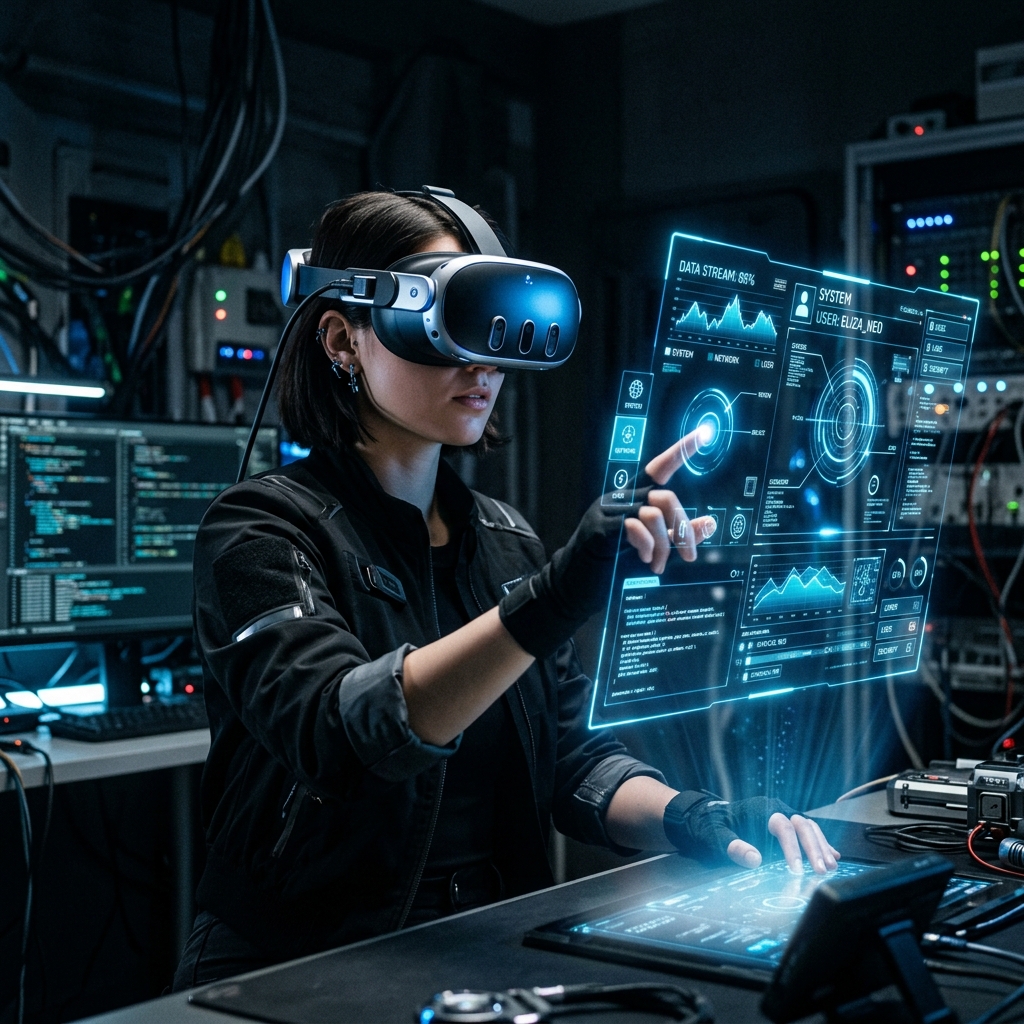
The future of VR in aviation training looks promising. With advancements in technology, such as improved graphics and haptic feedback, training experiences will become increasingly realistic.
Conclusion
Virtual reality in aviation, specifically in training pilots with VR flight simulators, represents a significant leap forward in pilot education. This technology not only enhances training efficiency but also prepares pilots for real-world challenges.
Frequently Asked Questions
1. What are the main benefits of using VR flight simulators in pilot training?
VR flight simulators provide immersive training experiences, reduce costs, and allow for safe practice in various scenarios, enhancing pilot readiness.
2. Can VR training fully replace traditional flight training?
While VR training supplements traditional methods, it cannot fully replace hands-on flight training due to the need for real-world experience.
3. Are there any health concerns associated with VR flight simulators?
Some users may experience motion sickness or eye strain, but these effects can be mitigated through gradual acclimatization to VR environments.
4. What specifications should be prioritized when selecting a VR headset for aviation training?
Key specifications include resolution, field of view, refresh rate, and tracking type, which all contribute to a more immersive training experience.
5. Is VR flight training effective for all pilot skill levels?
Yes, VR flight training is effective for all skill levels, providing tailored experiences that cater to both beginners and experienced pilots.
Introduction to VR Flight Simulators
Virtual reality flight simulators are redefining pilot training by offering immersive environments that closely mimic real-life flying experiences. These simulators enable trainees to practice complex maneuvers and emergency scenarios in a safe setting.
Utilizing advanced VR technology, pilots can engage with realistic cockpits and flight dynamics, enhancing their decision-making skills. This innovative approach ensures that trainees are better prepared for real-world flying challenges.
The Advantages of VR in Pilot Training
VR flight simulators significantly reduce the costs associated with traditional flight training. By minimizing the need for physical aircraft and fuel, training programs become more accessible and efficient.
Additionally, VR allows for repetitive practice without the risks associated with real flights. Trainees can experience and learn from their mistakes in a controlled environment, fostering confidence and competence.
Key VR Technologies Used in Aviation
Leading VR headsets like the Oculus Quest 2 and HTC Vive Pro are commonly employed in pilot training. These devices provide high-resolution visuals and motion tracking to create an engaging and realistic flight experience.
Advanced software platforms, such as X-Plane and Microsoft Flight Simulator, integrate seamlessly with VR headsets, enhancing realism and providing various aircraft and weather conditions for trainees to navigate.
Real-World Applications of VR in Aviation
Airlines and flight schools worldwide are incorporating VR flight simulators into their training programs. This integration helps standardize training and ensures that pilots meet consistent safety and performance benchmarks.
Moreover, VR is being used for recurrent training, allowing experienced pilots to maintain their skills and stay updated with new regulations without the need for extensive flight time.
Enhancing Situational Awareness with VR
Virtual reality training focuses on improving situational awareness, a critical skill for pilots. Through immersive scenarios, trainees learn to process information quickly and make informed decisions under pressure.
By simulating various flight conditions and emergencies, VR helps develop proactive problem-solving skills, ensuring pilots are ready for unexpected situations during actual flights.
Challenges and Limitations of VR Flight Training
Despite its benefits, VR flight training does face challenges, such as the potential for motion sickness among some users. Proper acclimatization and training can mitigate these issues, allowing for a smoother learning experience.
Additionally, while VR simulators are highly effective, they cannot fully replicate all aspects of real-world flying, such as physical sensations or the unpredictability of live weather conditions.
Future Trends in VR Aviation Training
The future of VR in aviation training looks promising, with ongoing advancements in technology and software. Innovations such as haptic feedback and AI-driven scenarios are set to enhance the training experience further.
As VR technology becomes more sophisticated, it is expected to play an increasingly vital role in pilot training, improving efficiency and safety in the aviation industry.
Conclusion: The Impact of VR on Pilot Training
Virtual reality flight simulators represent a transformative shift in how pilots are trained, offering an effective and engaging alternative to traditional methods. The integration of VR technology enhances pilot preparedness, safety, and overall training efficiency.
As the aviation industry continues to evolve, embracing VR solutions will not only elevate training standards but also ensure a safer flying experience for all passengers.
Virtual Reality in Aviation: Training Pilots with VR Flight Simulators
The aviation industry has always been at the forefront of adopting innovative technologies. One of the most exciting advancements in recent years is the integration of virtual reality (VR) into pilot training programs.
Understanding Virtual Reality
Virtual reality creates immersive environments that simulate real-world experiences. By wearing a VR headset, users can interact with a three-dimensional space as if they were truly present in that environment.
The Need for Advanced Pilot Training
As air traffic increases and aircraft technology evolves, there is a growing demand for more effective pilot training methods. Traditional flight simulators, while beneficial, often lack the immersive experience that VR can provide.
Benefits of VR Flight Simulators
- Enhanced Realism: VR flight simulators provide a highly realistic flying experience, allowing pilots to practice in various scenarios.
- Cost-Effectiveness: Utilizing VR reduces the costs associated with traditional flight training, such as fuel and aircraft maintenance.
- Accessibility: Training can be conducted anywhere, enabling flexibility for both instructors and students.
- Safety: Pilots can practice emergency situations without the risks associated with real flights.
Popular VR Headsets for Aviation Training
| VR Headset | Resolution | Field of View | Price |
|---|---|---|---|
| Oculus Quest 2 | 1832 x 1920 per eye | 90 degrees | $299 |
| HTC Vive Pro 2 | 2448 x 2448 per eye | 120 degrees | $799 |
| Valve Index | 1440 x 1600 per eye | 130 degrees | $999 |
| Pimax 8K X | 3840 x 2160 per eye | 200 degrees | $1,299 |
VR Training Scenarios
VR flight simulators can replicate numerous flight scenarios, enhancing the training experience. Pilots can engage in everything from routine takeoffs and landings to complex emergency procedures.
Emergency Procedures Training
Practicing emergency procedures in VR allows pilots to experience high-pressure situations without real-world consequences. Scenarios may include engine failures, severe weather conditions, or system malfunctions.
Multi-Crew Coordination
VR technology can facilitate multi-crew training, allowing pilots to work together in simulated cockpits. This enhances communication and teamwork skills essential for commercial aviation.
Measuring Training Effectiveness
The effectiveness of VR training can be assessed through various metrics. Instructors can evaluate a pilot's performance through real-time data collected during training sessions.
Performance Analytics
Advanced VR simulators offer detailed analytics to track a pilot's progress. Data may include reaction times, decision-making, and adherence to protocols.
Challenges and Limitations
While VR flight simulators provide significant advantages, there are challenges to consider. Issues such as motion sickness and the need for specialized equipment can affect the training experience.
Mitigating Motion Sickness
Motion sickness is a common concern when using VR headsets. Developers are continually working on technologies to minimize this issue, allowing for longer training sessions.
Future of VR in Aviation Training
The future of VR in aviation training looks promising as technology continues to evolve. Innovations in graphics, haptic feedback, and artificial intelligence will only enhance the training experience.
Integration with Traditional Training Methods
VR flight simulators should complement traditional training methods rather than replace them. A blended approach can leverage the strengths of both methods for optimal results.
Conclusion
Virtual reality is revolutionizing pilot training in aviation. With its immersive capabilities and cost-effective nature, VR flight simulators are set to become a standard tool in pilot education.
Key Takeaways
- VR enhances realism in pilot training, making it more effective.
- Training can be conducted in various scenarios, including emergencies.
- VR flight simulators can significantly reduce training costs.
- Future advancements will continue to improve the VR training experience.
Final Thoughts
The integration of VR technology into aviation training is not just a trend; it represents a significant shift in how pilots are prepared for their careers. As the industry embraces these innovations, the safety and efficiency of air travel will undoubtedly improve.




