Virtual Reality in Physiotherapy: Motoring Rehabilitation and VR Uses for Patients (Exercise Training Program App Dev)
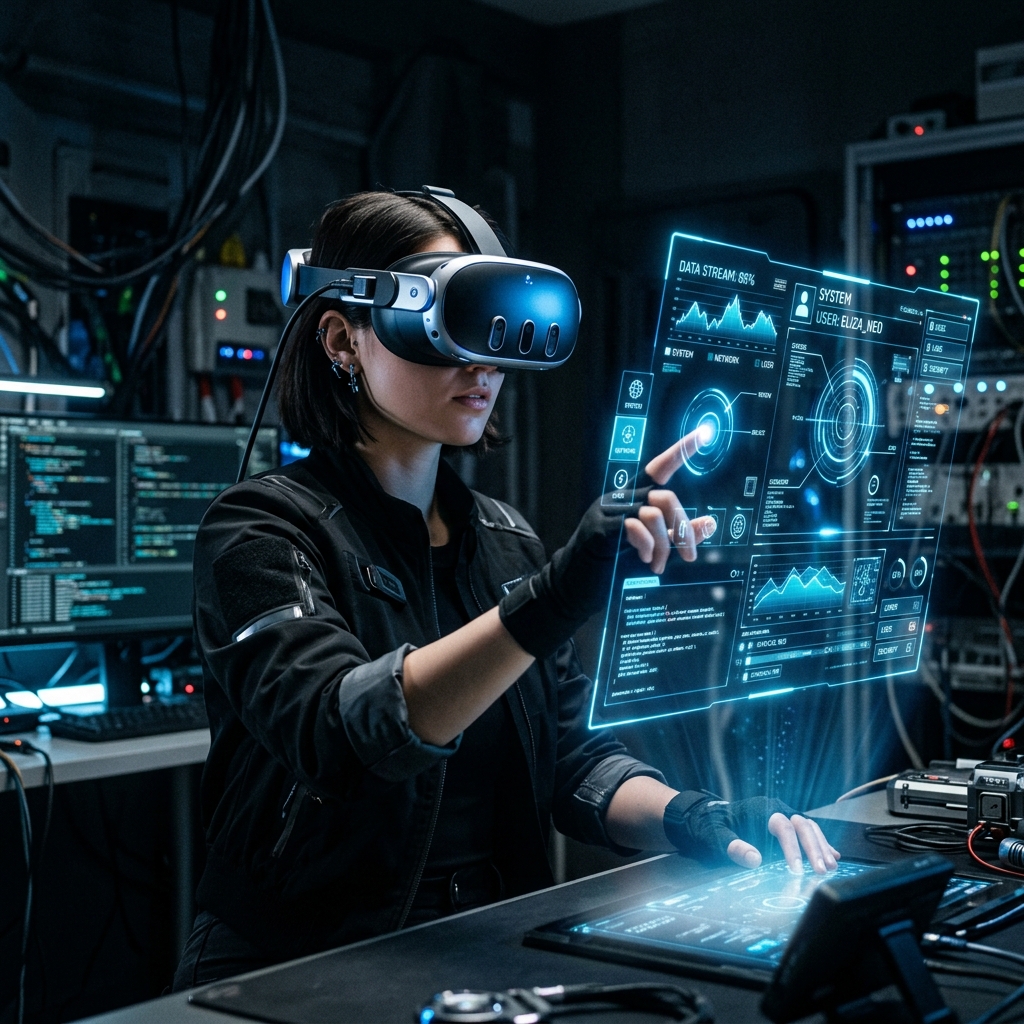
Virtual Reality in Physiotherapy: Motoring Rehabilitation and VR Uses for Patients
Virtual Reality (VR) has emerged as a groundbreaking tool in the field of physiotherapy. The integration of VR into rehabilitation practices enhances patient engagement and provides tailored therapeutic exercises. This technology offers immersive environments that motivate patients to participate actively in their recovery process.
The Role of VR in Physiotherapy
Physiotherapy traditionally relies on physical exercises to aid recovery. However, the addition of VR changes the game entirely. Through interactive simulations, patients can practice movements in a safe and controlled environment.
This not only makes rehabilitation more enjoyable but also allows for real-time feedback, which is essential for correcting movements and preventing further injury. The use of VR can lead to improved outcomes in motoring rehabilitation.
Benefits of VR in Motoring Rehabilitation
Several key benefits are associated with using VR in motoring rehabilitation. First and foremost is the heightened level of engagement it offers. Patients are more likely to adhere to their exercise regimens when they find them entertaining and immersive.
Additionally, VR can simulate various scenarios that patients may encounter in real life, enhancing their ability to navigate daily challenges. This exposure can boost confidence and improve functional independence.
Key Features of VR Exercise Training Programs
When developing VR exercise training programs for physiotherapy, several features are vital. These may include customizable environments, varying difficulty levels, and tracking capabilities to monitor progress.
Furthermore, incorporating gamification elements can significantly enhance motivation. Patients may find themselves competing against their own previous scores or even against peers, which can lead to improved performance.
Commercial VR Headsets for Physiotherapy
The selection of VR headsets on the market provides numerous options for physiotherapy applications. Below is a comparison of some of the leading commercial VR headsets, outlining their specifications.
| VR Headset | Resolution | Field of View | Tracking Type | Price |
|---|---|---|---|---|
| Meta Quest 3 | 2064 x 2208 per eye | 110 degrees | Inside-out | Buy Meta Quest 3 |
| HTC Vive Pro 2 | 2448 x 2448 per eye | 120 degrees | External | $799 |
| Valve Index | 1440 x 1600 per eye | 130 degrees | External | $999 |
| Pico Neo 3 | 3664 x 1920 per eye | 90 degrees | Inside-out | $699 |
| Oculus Rift S | 2560 x 1440 | 110 degrees | External | $399 |
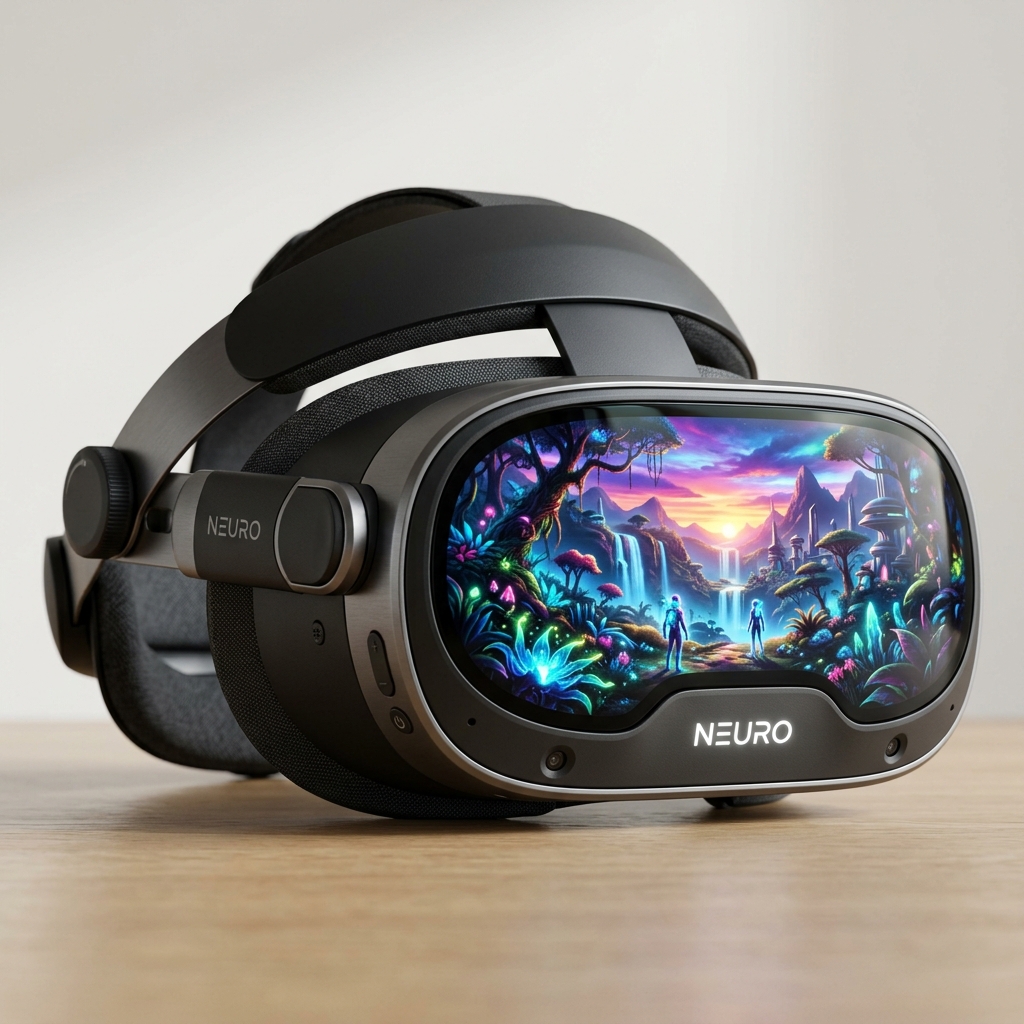
Challenges and Considerations
Despite the numerous advantages, some challenges exist in implementing VR in physiotherapy. Accessibility remains a concern, as not all patients may have the resources to use advanced VR technology.
Moreover, the need for trained professionals who can effectively guide patients through these virtual exercises is essential. Proper implementation ensures that patients receive the full benefit of VR-assisted rehabilitation.
Future of VR in Physiotherapy
The future of VR in physiotherapy looks promising. As technology advances, the potential for more sophisticated and effective rehabilitation tools grows. Ongoing research will likely unveil new methodologies to enhance patient outcomes.
High-quality VR applications tailored for specific conditions will become increasingly available, making rehabilitation more accessible and effective for all patients.
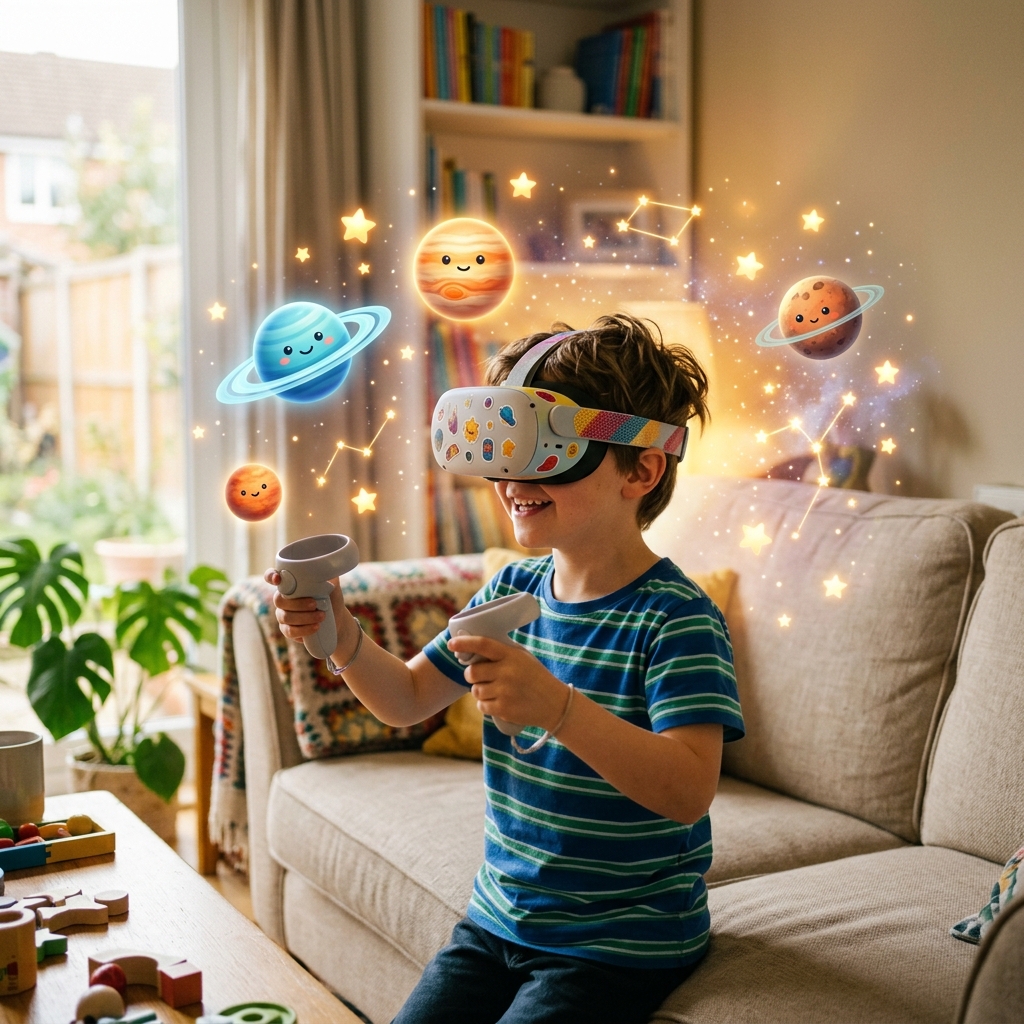
Conclusion
Incorporating VR into physiotherapy represents a significant leap forward in rehabilitation practices. By creating immersive environments, patients can engage more effectively in their recovery.
As the technology becomes more widespread and accessible, the potential for enhanced rehabilitation experiences will undoubtedly improve patient outcomes. The journey towards fully leveraging VR in physiotherapy has only just begun.

FAQ
What is Virtual Reality in Physiotherapy?
Virtual Reality in physiotherapy refers to the use of immersive technology to create simulated environments for therapeutic exercises.
How does VR enhance patient engagement?
VR enhances patient engagement by providing interactive and enjoyable experiences that motivate patients to participate actively in their rehabilitation.
What are the benefits of using VR for rehabilitation?
The benefits include increased adherence to exercise, improved confidence, and the ability to simulate real-life scenarios for better functional independence.
Are there any challenges to implementing VR in physiotherapy?
Challenges include accessibility issues and the need for trained professionals to guide patients through VR experiences effectively.
What does the future hold for VR in physiotherapy?
The future looks promising, with advancements likely leading to more sophisticated rehabilitation tools and increased accessibility for patients.
Introduction to Virtual Reality in Physiotherapy
Virtual reality (VR) technology has emerged as a revolutionary tool in physiotherapy, enhancing patient engagement and rehabilitation outcomes. This innovative approach combines immersive experiences with therapeutic exercises to optimize recovery.
By integrating VR into physiotherapy, practitioners can create personalized rehabilitation programs that cater to individual patient needs. The interactive nature of VR encourages patients to actively participate in their recovery process.
Benefits of VR in Motor Rehabilitation
Utilizing VR in motor rehabilitation significantly improves patient motivation and adherence to exercise programs. The gamification of exercises makes physical therapy enjoyable, which is crucial for long-term recovery.
Research has shown that VR can enhance motor skills and coordination by providing real-time feedback and immersive environments. This technology allows patients to practice movements in a safe and controlled setting.
Popular VR Headsets for Physiotherapy
Several VR headsets are designed specifically for healthcare applications, including the Oculus Quest 2 and HTC Vive Pro. These devices offer high-resolution displays and motion tracking capabilities that are essential for effective rehabilitation.
Additionally, the Varjo VR-3 headset provides unparalleled visual fidelity, making it suitable for detailed physiotherapy exercises. Selecting the right headset can greatly impact the overall therapeutic experience for patients.
VR Applications in Exercise Training Programs
VR applications designed for exercise training can simulate various scenarios that help patients practice movement patterns in a virtual environment. These applications can be tailored to address specific rehabilitation goals and track progress over time.
Examples of VR exercise programs include those that focus on balance, strength training, and range of motion. Such targeted approaches ensure that patients receive comprehensive support throughout their rehabilitation journey.
Challenges and Solutions in Implementing VR
Despite its advantages, implementing VR in physiotherapy can present challenges, including cost and accessibility. However, advancements in technology are making VR more affordable and user-friendly for clinics and patients alike.
Training for physiotherapists to utilize VR effectively is also essential. Comprehensive education programs can equip professionals with the necessary skills to enhance patient care through VR.
Case Studies Demonstrating VR Effectiveness
Numerous case studies highlight the positive impact of VR on rehabilitation outcomes. For instance, patients recovering from stroke have shown significant improvements in motor function through VR-based interventions.
Additionally, studies indicate that VR can reduce pain perception and enhance overall patient satisfaction during rehabilitation. Such evidence supports the continued integration of VR in physiotherapy practices.
Future of VR in Physiotherapy
The future of VR in physiotherapy looks promising, with ongoing research and technological advancements paving the way for new applications. As VR becomes more sophisticated, it is expected to play a pivotal role in personalized rehabilitation strategies.
Continued collaboration between technology developers and healthcare professionals will drive innovation in this field. This partnership will ensure that VR remains an effective tool for improving patient outcomes in physiotherapy.
Introduction to Virtual Reality in Physiotherapy
Virtual reality (VR) has emerged as a powerful tool in various fields, including healthcare. In physiotherapy, particularly for motor rehabilitation, VR applications are transforming traditional approaches and enhancing patient outcomes.
Benefits of VR in Physiotherapy
Utilizing VR in physiotherapy offers several benefits that can significantly improve patient engagement and effectiveness of rehabilitation programs. The immersive experience created by VR allows patients to focus on their exercises while being entertained.
Enhanced Engagement
Patients are more likely to adhere to their rehabilitation programs when they are engaged. VR provides an interactive environment that motivates patients to participate consistently.
Real-Time Feedback
VR systems can offer immediate feedback on a patient's performance. This instant data allows for timely adjustments to ensure exercises are performed correctly, leading to better recovery outcomes.
Safe Environment for Practice
VR creates a safe space for patients to practice movements without the risk of falling or injury. This is particularly beneficial for elderly patients or those with mobility issues.
VR Applications in Motor Rehabilitation
Motor rehabilitation encompasses a range of therapies aimed at restoring movement and function. VR applications can be tailored to address specific rehabilitation needs.
VR for Stroke Rehabilitation
Stroke patients often require extensive rehabilitation to regain motor skills. VR programs can simulate real-life scenarios that encourage patients to practice essential movements.
Balance Training
VR can be used to develop balance and coordination through interactive games and tasks. These activities challenge patients while providing a fun and engaging atmosphere.
VR Exercise Training Program Development
Creating an effective VR exercise training program requires careful planning and consideration of patient needs. Developers must ensure that the program is user-friendly and accessible for all ages.
Key Components of a VR Exercise Program
- Personalized Exercise Plans: Tailoring exercises to individual patient needs enhances effectiveness.
- Progress Tracking: Incorporating data analytics to monitor patient progress over time provides insights into rehabilitation success.
- User Interface Design: A simple and intuitive interface is crucial for ensuring ease of use, particularly for elderly patients.
- Motivational Elements: Integrating rewards and challenges can improve patient motivation and adherence.
Popular VR Headsets for Physiotherapy Applications
Selecting the right VR headset is essential for effective implementation in physiotherapy. Different models offer various features suitable for rehabilitation programs.
| VR Headset | Key Features | Recommended For |
|---|---|---|
| Oculus Quest 2 | Standalone, wireless, high-resolution display | General rehabilitation and mobility training |
| HTC Vive Pro 2 | High-fidelity graphics, wide field of view | Advanced motor skills training and complex scenarios |
| Pico Neo 3 | Standalone, lightweight, good tracking accuracy | Therapeutic exercises and movement rehabilitation |
| Valve Index | High refresh rates, finger tracking controllers | Precision motor skill development and interactive tasks |
Implementation Strategies for VR in Physiotherapy
To successfully integrate VR technology into physiotherapy practices, specific strategies should be followed. These strategies ensure that both therapists and patients benefit from the technology.
Training for Therapists
Therapists must be trained to effectively use VR systems. This training should include understanding the technology and how to adapt exercises to fit individual patient needs.
Patient Orientation
Before beginning VR sessions, patients should be oriented to the technology. Familiarizing them with the VR headset and exercises can reduce anxiety and improve the overall experience.
Regular Assessments
Conducting regular assessments of patient progress is essential. This allows for adjustments to the exercise program and helps in achieving rehabilitation goals.
Challenges and Considerations
While VR presents numerous advantages, there are also challenges to consider when incorporating it into physiotherapy practices. Being aware of these challenges can help in devising solutions to overcome them.
Cost of Equipment
High-quality VR headsets and software can be expensive. Budget constraints may limit access for some clinics and patients.
Technology Acceptance
Some patients may be hesitant to engage with new technology. Effective communication and demonstration can help alleviate concerns and encourage participation.
Space Requirements
VR exercises may require sufficient space for movement. Clinics need to ensure that they have adequate room to accommodate VR sessions safely.
Future of VR in Physiotherapy
The future of VR in physiotherapy looks promising, with ongoing advancements in technology and research. Continued innovation will likely lead to more effective rehabilitation tools and methodologies.
Integration with AI and Machine Learning
Future VR applications may integrate artificial intelligence (AI) and machine learning to provide personalized experiences. These technologies can help analyze patient performance more accurately and suggest tailored exercises.
Expansion of VR Content
As the demand for VR in healthcare grows, the expansion of available content will increase. More specialized programs will be developed to address various conditions and rehabilitation needs.
Conclusion
Virtual reality is revolutionizing physiotherapy by enhancing rehabilitation processes and patient engagement. With ongoing advancements, the integration of VR into physiotherapy will continue to provide innovative solutions for motor rehabilitation.