Virtual Reality in Physiotherapy: Motoring Rehabilitation and VR Uses for Patients (Exercise Training Program App)
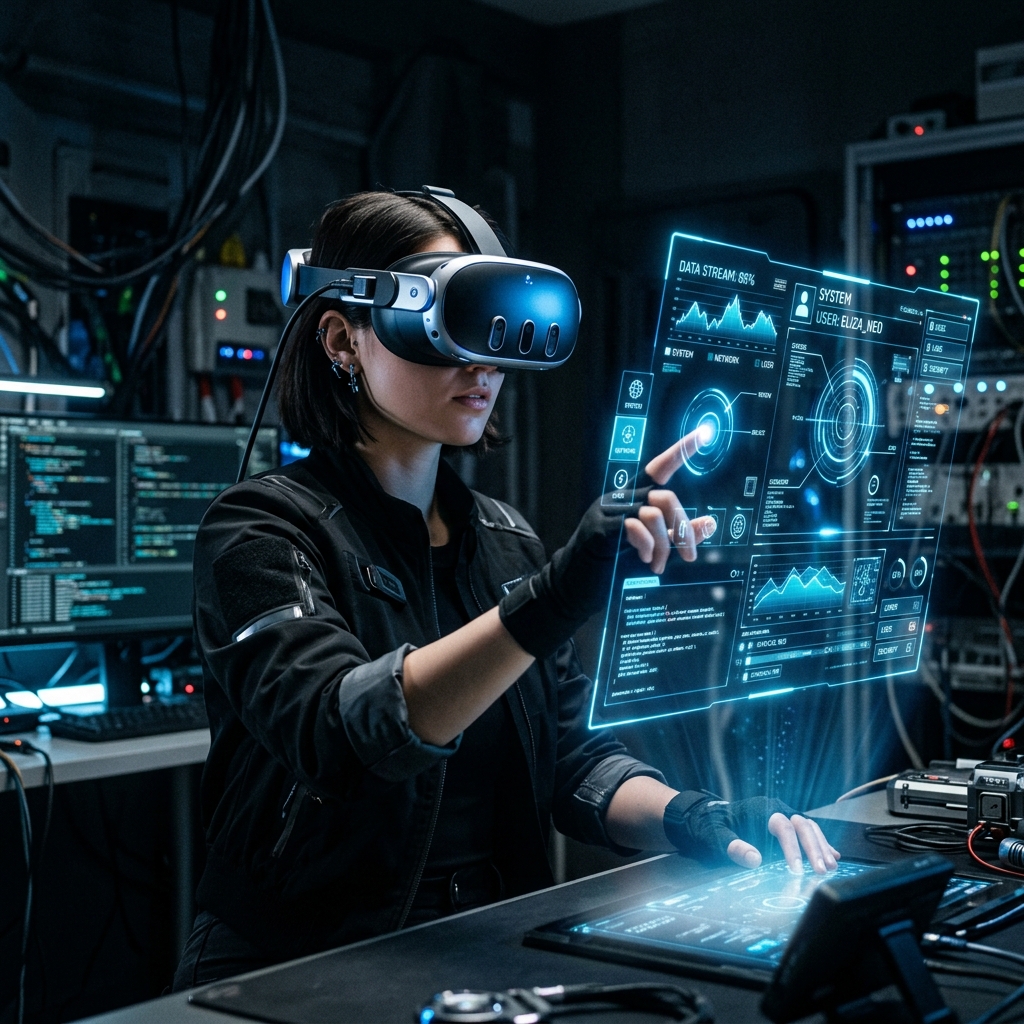
Virtual Reality in Physiotherapy: Motoring Rehabilitation and VR Uses for Patients
The integration of Virtual Reality (VR) into physiotherapy has revolutionized the way rehabilitation is approached. By creating immersive environments, VR technology offers innovative solutions that cater to the unique needs of patients.
Rehabilitation is often a long and challenging process, requiring patience and dedication. Traditional methods can sometimes lead to boredom or disengagement. With VR, therapy is transformed into an engaging experience that motivates patients to participate actively in their recovery.
The Role of VR in Physiotherapy
VR provides a controlled environment where patients can perform exercises tailored to their rehabilitation needs. This technology helps to simulate real-life scenarios, allowing for practical skill application.
Patients can practice movements and tasks that may be difficult or impossible to replicate in a standard clinical setting. This enhances the effectiveness of treatment and promotes faster recovery.
Benefits of VR in Rehabilitation
There are numerous benefits associated with using VR in physiotherapy. Firstly, it increases patient engagement and motivation. The immersive nature of VR captures attention, making exercises feel more like a game than a chore.
Moreover, VR allows for real-time feedback and performance tracking, which is crucial in monitoring progress. This data can be invaluable for physiotherapists in adjusting treatment plans accordingly.
VR Applications in Exercise Training Programs
Exercise training programs utilizing VR can be customized to meet specific patient needs. These programs can range from simple balance exercises to complex motion tracking tasks designed to improve coordination.
Patients can also experience a variety of environments, from serene landscapes to bustling urban settings. This diversity helps maintain interest and encourages consistent participation in rehabilitation activities.
Commercial VR Headsets Comparison
| VR Headset | Resolution | Field of View | Refresh Rate | Price |
|---|---|---|---|---|
| Meta Quest 3 | 2064 x 2208 per eye | 110° | 120 Hz | Buy Meta Quest 3 |
| HTC Vive Pro 2 | 2448 x 2448 per eye | 120° | 120 Hz | $799 |
| Valve Index | 1440 x 1600 per eye | 130° | 144 Hz | $999 |
| Pico 4 | 2160 x 2160 per eye | 105° | 90 Hz | $499 |
| Oculus Rift S | 2560 x 1440 | 110° | 80 Hz | $399 |
Challenges and Considerations
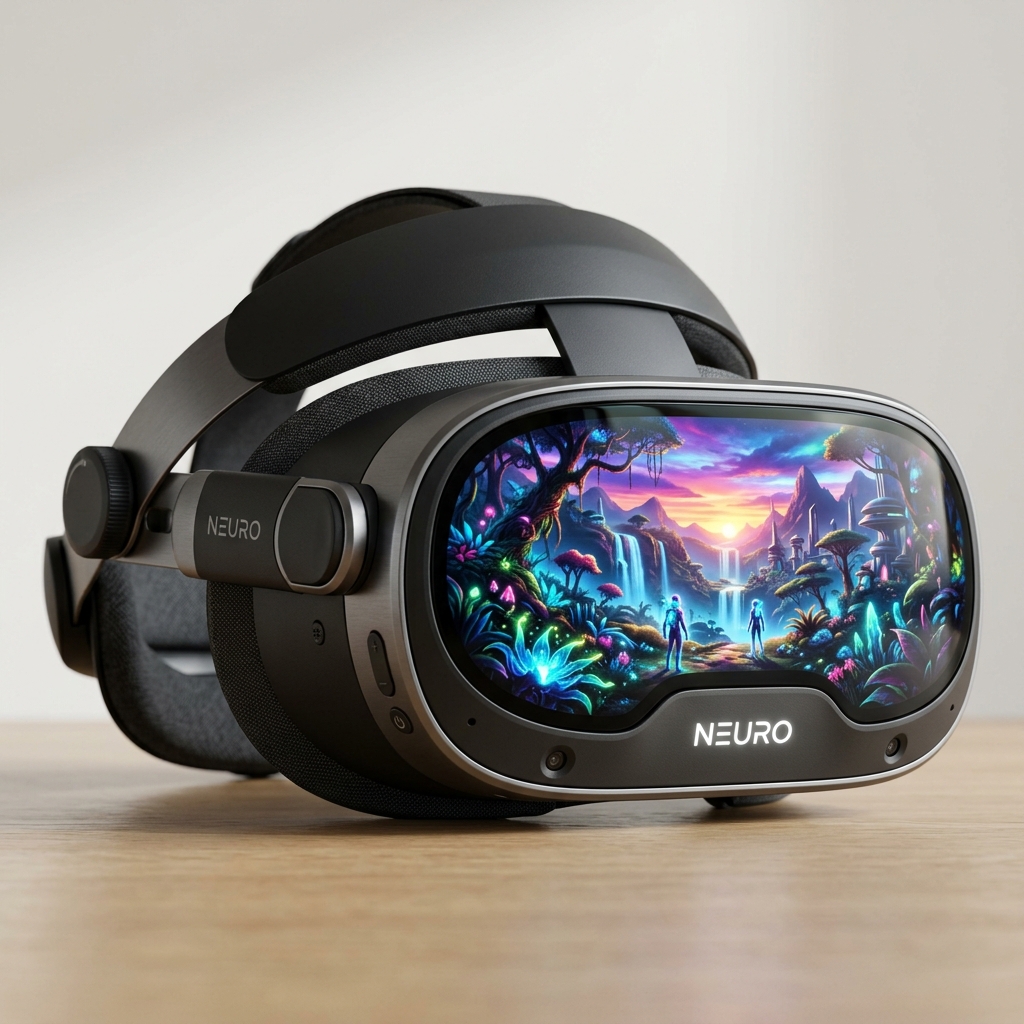
While the benefits of VR in physiotherapy are considerable, there are challenges to consider. Not all patients may feel comfortable using VR technology, especially those with motion sickness or anxiety.
Additionally, the cost of VR equipment can be a barrier to widespread implementation. However, as technology advances and becomes more affordable, these barriers are likely to decrease.
Future of VR in Physiotherapy
The future of VR in physiotherapy appears promising. As research continues to support its efficacy, more clinics are likely to adopt this technology.
Innovations such as haptic feedback and advanced motion tracking will further enhance the therapeutic experience. Patients may soon find themselves in fully interactive environments tailored to their recovery journeys.

Conclusion
Incorporating VR into physiotherapy has the potential to transform rehabilitation. By offering engaging and personalized experiences, patients are more likely to remain motivated and committed to their recovery.
As technology evolves, the possibilities for VR applications in physiotherapy will continue to expand, paving the way for enhanced patient outcomes.
FAQ
What is Virtual Reality in physiotherapy?
Virtual Reality in physiotherapy involves using immersive environments to aid rehabilitation and exercise training for patients.
How does VR improve patient engagement?
The immersive nature of VR makes exercises feel more like a game, capturing patients' attention and motivating them to participate.
Can VR be used for all types of rehabilitation?
While VR has proven effective for many rehabilitation types, it may not be suitable for all patients, particularly those with certain medical conditions.
What are the common VR headsets used in physiotherapy?
Common VR headsets include Meta Quest 3, HTC Vive Pro 2, Valve Index, Pico 4, and Oculus Rift S.
Is VR therapy expensive?
The cost of VR equipment can be a barrier, but prices are decreasing as technology advances and becomes more widely available.
Introduction to Virtual Reality in Physiotherapy
Virtual reality (VR) has emerged as an innovative tool in physiotherapy, enabling immersive rehabilitation experiences. This technology enhances traditional therapy methods, making them more engaging for patients.
By simulating real-world environments, VR allows for personalized treatment plans that can lead to improved patient outcomes. The integration of VR in physiotherapy is revolutionizing the way rehabilitation is approached.
Benefits of VR in Motor Rehabilitation
The use of VR in motor rehabilitation provides patients with the opportunity to practice movements in a safe and controlled environment. This helps build confidence and encourages repetition, which is vital for recovery.
Additionally, VR can offer real-time feedback, allowing patients and therapists to track progress and adjust exercises as needed. This adaptability can lead to more effective rehabilitation strategies tailored to individual needs.
Popular VR Headsets for Physiotherapy
Several commercial VR headsets are making waves in the physiotherapy sector, including the Oculus Quest 2 and HTC Vive Pro. These devices provide high-quality visuals and immersive experiences that enhance therapeutic exercises.
Other notable mentions include the PlayStation VR and Valve Index, each providing unique features that cater to different rehabilitation needs. Choosing the right headset can significantly impact the effectiveness of VR therapy sessions.
Exercise Training Program Apps in VR
Various exercise training program apps designed for VR are available to support physiotherapy practices. These apps often incorporate gamification elements, making rehabilitation more enjoyable and motivating for patients.
Apps like Beat Saber and VR Fitness Insider offer engaging ways to practice physical movements while tracking progress. This innovative approach not only aids in recovery but also promotes long-term fitness habits.
Enhancing Patient Engagement with VR
Virtual reality has proven to be a powerful tool in enhancing patient engagement during rehabilitation. By providing immersive experiences, patients are more likely to participate actively in their recovery process.
This increased engagement can lead to higher adherence to therapy programs and ultimately better outcomes. Encouraging patients to embrace their rehabilitation journey is crucial for success.
Customized Rehabilitation Programs Through VR
VR technology allows for the development of customized rehabilitation programs tailored to individual patient needs. This personalization can address specific motor skills that require attention, enhancing the overall effectiveness of therapy.
Therapists can utilize VR to create scenarios that mimic daily activities, making rehabilitation relevant and practical. Such targeted approaches can accelerate recovery and improve quality of life.
Research and Evidence Supporting VR in Physiotherapy
Numerous studies have highlighted the efficacy of VR in physiotherapy, showcasing its potential to improve motor function and cognitive skills. Research indicates that patients using VR for rehabilitation experience faster recovery times compared to traditional methods.
The Future of VR in Physiotherapy
The future of VR in physiotherapy looks promising, with ongoing advancements in technology and software. As VR hardware becomes more accessible and affordable, its integration into rehabilitation practices is expected to grow.
Innovations in VR applications will likely lead to even more engaging and effective therapeutic experiences. The potential for VR to transform physiotherapy and improve patient outcomes is vast and exciting.
Virtual Reality in Physiotherapy
Virtual reality (VR) technology is revolutionizing various fields, including healthcare and physiotherapy. By immersing patients in a virtual environment, VR enhances the rehabilitation process, making it more engaging and effective.
Benefits of VR in Physiotherapy
VR offers numerous advantages for physiotherapy, particularly in motoring rehabilitation. It allows for a customized and interactive experience, which can lead to better patient outcomes.
- Increased Engagement: Patients often find traditional rehabilitation exercises monotonous. VR introduces gamified elements, making sessions more enjoyable.
- Real-Time Feedback: VR systems can provide instant feedback on a patient's movements, helping them correct their form and track progress.
- Safe Environment: Patients can practice movements in a safe, controlled virtual environment, reducing the risk of injury during recovery.
- Motivational Tools: VR can motivate patients by setting goals and challenges, encouraging them to push their limits.
Applications of VR in Motoring Rehabilitation
VR is particularly valuable in rehabilitation for injuries related to motor skills. It can be applied in various scenarios, from stroke recovery to sports injuries.
Stroke Rehabilitation
Stroke patients often experience motor impairments. VR can simulate real-life scenarios that help in regaining motor function.
- Virtual environments can mimic daily tasks, allowing patients to practice movements required in everyday life.
- Interactive scenarios can be adjusted to match the patient's progress, ensuring that therapy remains challenging yet achievable.
Sports Injury Recovery
Athletes recovering from injuries benefit significantly from VR rehabilitation programs. These programs enhance muscle memory and coordination.
- VR can simulate specific sports environments, allowing athletes to practice movements relevant to their sport.
- Patients can gradually increase the intensity of their training in a controlled setting, minimizing the risk of re-injury.
Exercise Training Program Apps
Several exercise training program apps utilize VR technology to enhance physiotherapy sessions. These apps can be tailored to meet the specific needs of individual patients.
| App Name | VR Headset Compatibility | Key Features |
|---|---|---|
| PhysioVR | Oculus Quest 2 | Customized rehabilitation exercises, real-time feedback, and progress tracking. |
| VRHealth | HTC Vive | Gamified rehabilitation tasks, social interaction with other patients, and performance metrics. |
| RehabVR | Valve Index | Immersive environments, adjustable difficulty levels, and patient-specific goal setting. |
| Motus | HP Reverb G2 | Focus on motor skills, virtual coaching, and interactive progress assessments. |
How VR Enhances Physiotherapy Outcomes
Research indicates that the integration of VR in physiotherapy not only improves patient engagement but also leads to better recovery rates. Patients using VR often exhibit faster improvement in mobility and strength compared to traditional methods.
Improving Patient Compliance
One of the significant challenges in physiotherapy is ensuring patient compliance with exercise regimens. VR can help address this issue effectively.
- By making exercises fun and engaging, patients are more likely to adhere to their prescribed routines.
- Patients can enjoy a sense of accomplishment as they progress through various levels in VR environments.
Data-Driven Insights
VR applications can collect valuable data regarding a patient’s performance during rehabilitation. This information can inform treatment plans and adjustments.
- Healthcare providers can analyze movement patterns, identifying areas that need further focus.
- Data can be used to tailor individual rehabilitation programs, ensuring they meet each patient’s unique needs.
Challenges and Considerations
Despite its benefits, the integration of VR into physiotherapy does present some challenges. Understanding these can help in the effective implementation of VR technologies.
Cost and Accessibility
VR systems can be expensive, which may limit access for some clinics and patients. It's essential to evaluate cost-effectiveness before implementation.
- Healthcare facilities must consider both the initial investment and the long-term benefits of using VR.
- Exploring partnerships with technology providers may help mitigate costs.
Training for Physiotherapists
Healthcare professionals must receive adequate training to use VR systems effectively. This training ensures that therapists can maximize the technology's potential.
- Workshops and training sessions can help physiotherapists familiarize themselves with VR systems.
- Continuous education is essential to stay updated with the latest advancements in VR technology.
The Future of VR in Physiotherapy
As technology continues to advance, the future of VR in physiotherapy looks promising. Innovations are expected to enhance the efficacy of rehabilitation programs further.
- Integration of artificial intelligence may lead to more personalized rehabilitation experiences.
- Future VR systems may include features such as biometric feedback, allowing for real-time adjustments.
Conclusion
Virtual reality is transforming the landscape of physiotherapy, particularly in motoring rehabilitation. By providing engaging and effective rehabilitation solutions, VR technology holds the potential to improve patient outcomes significantly.
As VR continues to evolve, its application in physiotherapy will likely expand, offering innovative ways to enhance recovery and improve quality of life for patients.