Virtual Reality in Physiotherapy: Motoring Rehabilitation and VR Uses for Patients (Exercise Training Program)
Virtual Reality in Physiotherapy: Motoring Rehabilitation and VR Uses for Patients
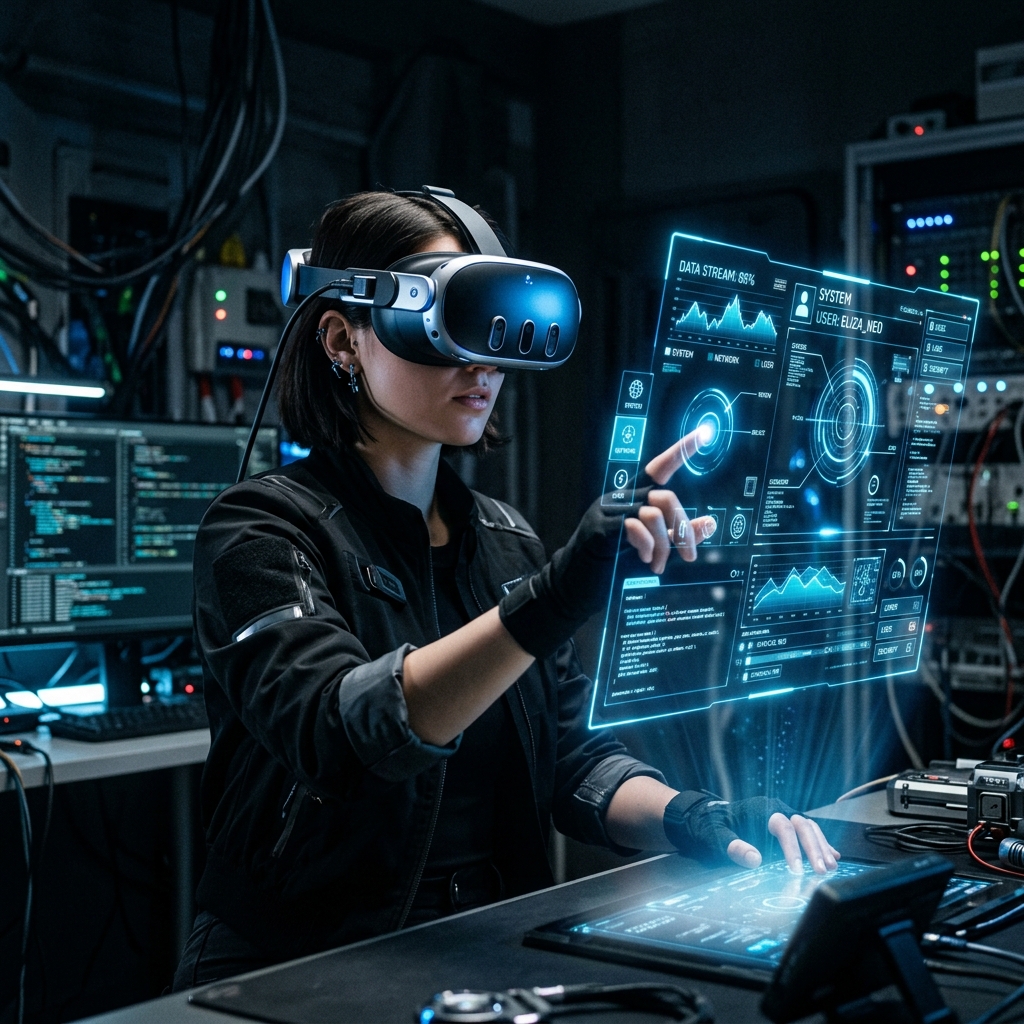
Virtual Reality (VR) has emerged as a groundbreaking tool in various fields, and physiotherapy is no exception. The integration of VR technology in rehabilitation programs is transforming the way patients engage with their recovery processes.
Through immersive experiences, patients can perform exercises that promote healing and enhance their physical capabilities. The potential benefits of VR in physiotherapy are vast, offering both motivation and a tailored approach to rehabilitation.
The Role of VR in Physiotherapy
The primary objective of physiotherapy is to restore movement and function in patients. Traditional methods often involve mundane exercises, which can lead to decreased motivation.
VR introduces a dynamic environment where patients can engage in interactive and enjoyable activities. This technology not only aids physical recovery but also enhances cognitive functions through engaging simulations.
Benefits of VR in Rehabilitation
One of the most significant advantages of VR in physiotherapy is the ability to create personalized exercise programs. Patients can practice movements in a virtual space that mimics real-life scenarios.
This approach can lead to improved outcomes, as patients often feel more engaged and less intimidated. Moreover, real-time feedback can be provided, allowing for immediate adjustments and increased effectiveness in training.
Commercial VR Headsets for Physiotherapy
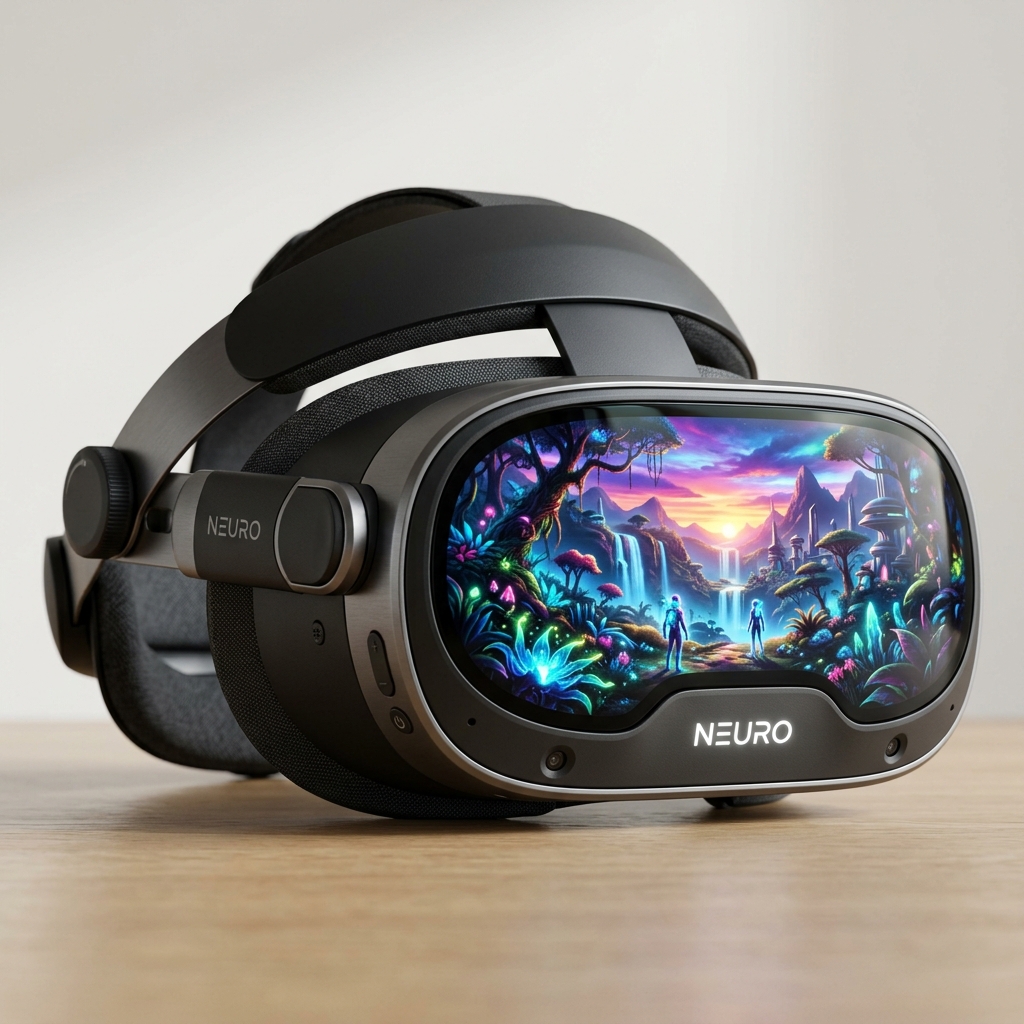
As VR technology continues to evolve, several commercial headsets have gained prominence in rehabilitation settings. A comparison of some popular options is provided below:
| VR Headset | Resolution | Field of View | Refresh Rate | Price |
|---|---|---|---|---|
| Meta Quest 3 | 2064 x 2208 per eye | 110 degrees | 120 Hz | $499 |
| HTC Vive Pro 2 | 2448 x 2448 per eye | 120 degrees | 120 Hz | $799 |
| Valve Index | 1440 x 1600 per eye | 130 degrees | 144 Hz | $999 |
| Pico G2 4K | 3840 x 2160 per eye | 101 degrees | 75 Hz | $429 |
| Oculus Rift S | 2560 x 1440 (total) | 110 degrees | 80 Hz | $399 |
VR Applications in Exercise Training Programs
Incorporating VR into exercise training programs presents unique opportunities. Patients can practice motor skills in diverse environments without the risks associated with real-world scenarios.
Activities such as balance training, strength exercises, and coordination tasks can all be simulated in VR. This versatility allows therapists to customize programs based on individual needs.
Future Directions
The future of VR in physiotherapy looks promising. As technology advances, headsets will likely become more accessible and user-friendly.
Increased research and development in this area can lead to more sophisticated applications, making rehabilitation more effective and enjoyable for patients.

Conclusion
Virtual Reality is revolutionizing physiotherapy by offering immersive and engaging rehabilitation experiences. The ability to personalize exercise programs through VR technology empowers patients, motivating them to participate actively in their recovery.
As the field continues to grow, the integration of VR in physiotherapy will likely become a standard practice, improving outcomes and enhancing the overall patient experience. For those interested in exploring VR options, buying Meta Quest 3 is a great starting point.
Frequently Asked Questions
What is Virtual Reality in physiotherapy?
Virtual Reality in physiotherapy refers to the use of immersive technology to create interactive environments for rehabilitation exercises.
How does VR improve patient engagement?
VR enhances patient engagement by providing an enjoyable and immersive experience, making rehabilitation exercises feel less daunting.
Can VR be used for all types of rehabilitation?
While VR is beneficial for many rehabilitation types, its effectiveness may vary depending on individual patient needs and conditions.
What are the main benefits of using VR in physiotherapy?
The main benefits include personalized exercise programs, real-time feedback, increased motivation, and the ability to simulate real-world scenarios safely.
Are VR headsets expensive?
VR headsets vary in price, with options available for various budgets, making them increasingly accessible for rehabilitation settings.
Introduction to Virtual Reality in Physiotherapy
Virtual reality (VR) is revolutionizing the field of physiotherapy by providing immersive environments for rehabilitation. This technology allows patients to engage in therapeutic exercises in a controlled setting, enhancing motivation and adherence.
Using VR, physiotherapists can tailor rehabilitation programs that simulate real-world challenges. This creates a more engaging experience, which can lead to quicker recovery times and improved outcomes.
Benefits of VR for Motor Rehabilitation
VR offers numerous benefits for motor rehabilitation, including increased patient engagement and motivation. The interactive nature of VR can make repetitive exercises feel more enjoyable, encouraging patients to participate actively in their recovery.
Additionally, VR provides real-time feedback, allowing patients to monitor their progress and adjust their efforts. This level of interaction can significantly enhance the effectiveness of traditional rehabilitation methods.
Types of VR Exercises for Patients
A variety of VR exercises can be implemented for motor rehabilitation, catering to different needs. Activities may range from simple movements to complex tasks that challenge coordination and balance.
For example, exercises can include virtual obstacle courses or balance games designed to improve mobility. These tasks not only promote physical recovery but also help build confidence in real-world situations.
Popular VR Headsets for Physiotherapy Use
Several commercial VR headsets are leading the way in physiotherapy applications. The Oculus Quest 2, known for its affordability and ease of use, is widely adopted in clinical settings.
Additionally, the HTC Vive Pro offers high resolution and tracking accuracy, making it ideal for detailed motor skill training. Both devices provide immersive experiences that enhance rehabilitation programs.
Integrating VR into Traditional Therapy
Integrating VR into traditional therapy methods can enhance overall treatment effectiveness. By combining hands-on techniques with virtual exercises, therapists can provide a comprehensive rehabilitation experience.
This hybrid approach allows for personalized care, addressing both physical and psychological aspects of recovery. The result is a more holistic treatment plan that meets diverse patient needs.
Challenges and Considerations in VR Physiotherapy
While VR offers exciting possibilities, there are challenges to consider in its implementation. Issues such as motion sickness and accessibility can affect patient experiences and outcomes.
It is essential to assess individual patient needs and comfort levels before incorporating VR into therapy. Proper training for therapists and careful selection of VR programs can mitigate potential drawbacks.
Future of Virtual Reality in Physiotherapy
The future of VR in physiotherapy looks promising, with ongoing advancements in technology and research. Emerging innovations may lead to even more sophisticated rehabilitation tools that enhance patient experiences.
As VR becomes more integrated into clinical practice, its potential to transform motor rehabilitation will continue to grow. This evolution can lead to improved recovery rates and a more efficient healthcare system.
Case Studies and Success Stories
Numerous case studies highlight the successful implementation of VR in physiotherapy. Patients have reported significant improvements in mobility and motivation after engaging in VR-based rehabilitation programs.
These success stories underscore the effectiveness of VR as a therapeutic tool, showcasing its ability to enhance traditional rehabilitation methods and inspire patients on their recovery journey.
Virtual Reality in Physiotherapy
Virtual reality (VR) is revolutionizing the field of physiotherapy by providing innovative solutions for rehabilitation. By immersing patients in engaging virtual environments, therapists can enhance motivation and adherence to exercise programs.
Benefits of VR in Physiotherapy
- Enhanced Engagement: VR technologies create immersive experiences that keep patients engaged.
- Personalized Therapy: VR can be tailored to the individual needs and limitations of each patient.
- Real-Time Feedback: Many VR systems provide immediate feedback, allowing patients to adjust their movements accordingly.
- Safe Environment: Patients can practice movements in a controlled setting, minimizing the risk of injury.
Motoring Rehabilitation with VR
Motoring rehabilitation focuses on improving a patient's motor skills, which can be significantly enhanced through VR technology. By utilizing simulations of real-world scenarios, patients can practice essential movements in a safe and controlled environment.
Examples of VR Applications in Motoring Rehabilitation
- Balance Training: VR can simulate uneven surfaces, helping patients improve their balance and coordination.
- Gait Training: Patients can practice walking in various environments, which can aid in restoring their mobility.
- Upper Limb Rehabilitation: VR can be used to create interactive games that encourage patients to use their arms and hands.
Popular VR Systems for Physiotherapy
| VR Headset | Features | Price Range |
|---|---|---|
| Oculus Quest 2 | Wireless, high-resolution display, extensive library of VR fitness apps | $299 - $399 |
| HTC Vive Pro 2 | High-resolution, room-scale tracking, great for detailed movement tracking | $799 - $1399 |
| Valve Index | High refresh rate, excellent field of view, precise finger tracking | $999 - $1099 |
| Pico Neo 3 | Standalone headset, high-resolution display, competitive price | $699 |
VR Uses for Patients in an Exercise Training Program
VR in exercise training programs allows for a creative approach to rehabilitation. Patients can engage in exercises that feel more like games than traditional workouts.
Key Features of VR Exercise Training Programs
- Variety of Exercises: Programs can include strength training, cardiovascular exercises, and flexibility training.
- Progress Tracking: Many VR systems allow for tracking patient progress over time, providing motivation to continue.
- Social Interaction: Some VR applications enable patients to interact with others, fostering a sense of community.
Implementing VR in Physiotherapy Practices
Incorporating VR into physiotherapy practices requires careful planning and execution. It is essential to ensure that both therapists and patients are adequately trained to use the technology effectively.
Steps to Implement VR in Physiotherapy
- Evaluate the specific needs of the patient population.
- Select appropriate VR technology and applications tailored to therapy goals.
- Train staff on the use of VR systems for optimal patient outcomes.
- Monitor patient progress and adjust programs as necessary.
Challenges of VR in Physiotherapy
Despite the many advantages, there are challenges to consider when implementing VR in physiotherapy. These challenges can affect both the accessibility and effectiveness of the technology.
Common Challenges
- Cost: High-quality VR systems can be expensive, potentially limiting access for some clinics.
- Technical Issues: Technical difficulties can arise, requiring troubleshooting and maintenance.
- Patient Adaptation: Some patients may experience discomfort or motion sickness when using VR.
Future of VR in Physiotherapy
The future of VR in physiotherapy looks promising, with ongoing advancements in technology. As VR becomes more accessible and refined, its applications in rehabilitation are likely to expand.
Potential Future Developments
- More Affordable Options: As technology advances, the cost of VR systems is expected to decrease.
- Improved User Interfaces: Future systems may offer more intuitive interfaces for both patients and therapists.
- Integration with Other Therapies: VR could be combined with other therapeutic modalities for enhanced treatment outcomes.
Conclusion
Virtual reality is transforming physiotherapy, particularly in motoring rehabilitation and exercise training programs. Its potential to engage patients and provide personalized therapy makes it a valuable tool in modern rehabilitation practices.
As technology continues to evolve, the applications and benefits of VR in physiotherapy are expected to grow, ultimately leading to better patient outcomes.
Innovative VR Technologies Transforming Physiotherapy
Recent advancements in virtual reality technology have opened new avenues for physiotherapy practices. Devices like the Oculus Quest 2 and HTC Vive Pro offer immersive environments that enhance patient engagement during rehabilitation.
These VR models provide a range of interactive features, allowing therapists to customize exercises based on individual patient needs. By incorporating gamification, patients are more likely to participate actively in their recovery journey.
The development of specialized VR software, such as VRPhysio, further enhances the experience by tracking progress and providing real-time feedback. This integration of technology not only motivates patients but also streamlines the rehabilitation process.
The Role of Gamification in VR Rehabilitation
Gamification in virtual reality has proven to be a powerful tool in physiotherapy. By turning exercises into engaging games, patients experience enhanced motivation and enjoyment during their rehab sessions.
Platforms like Holofit and Beat Saber are excellent examples of how fun and exercise can blend seamlessly. These games challenge users while promoting physical activity, making them ideal for rehabilitation purposes.
Moreover, the competitive aspect of gamification can lead to improved outcomes. Patients are more inclined to push their limits when they see progress and achievements represented in a virtual environment.
Future Trends in Virtual Reality Physiotherapy
The future of virtual reality in physiotherapy is promising, with continuous innovations on the horizon. Emerging technologies, such as haptic feedback and AI integration, will likely enhance the realism of VR experiences for patients.
As VR headsets become more affordable, access to these therapeutic tools will expand, allowing more patients to benefit from immersive rehabilitation. This democratization of technology could lead to significant improvements in recovery rates across diverse populations.
Moreover, collaborations between healthcare providers and tech companies are expected to yield specialized solutions tailored for various conditions. The integration of virtual reality with telehealth services could also revolutionize how physiotherapists engage with patients remotely.