Virtual Reality in Physiotherapy: Motoring Rehabilitation and VR Uses for Patients (Exercise Training)
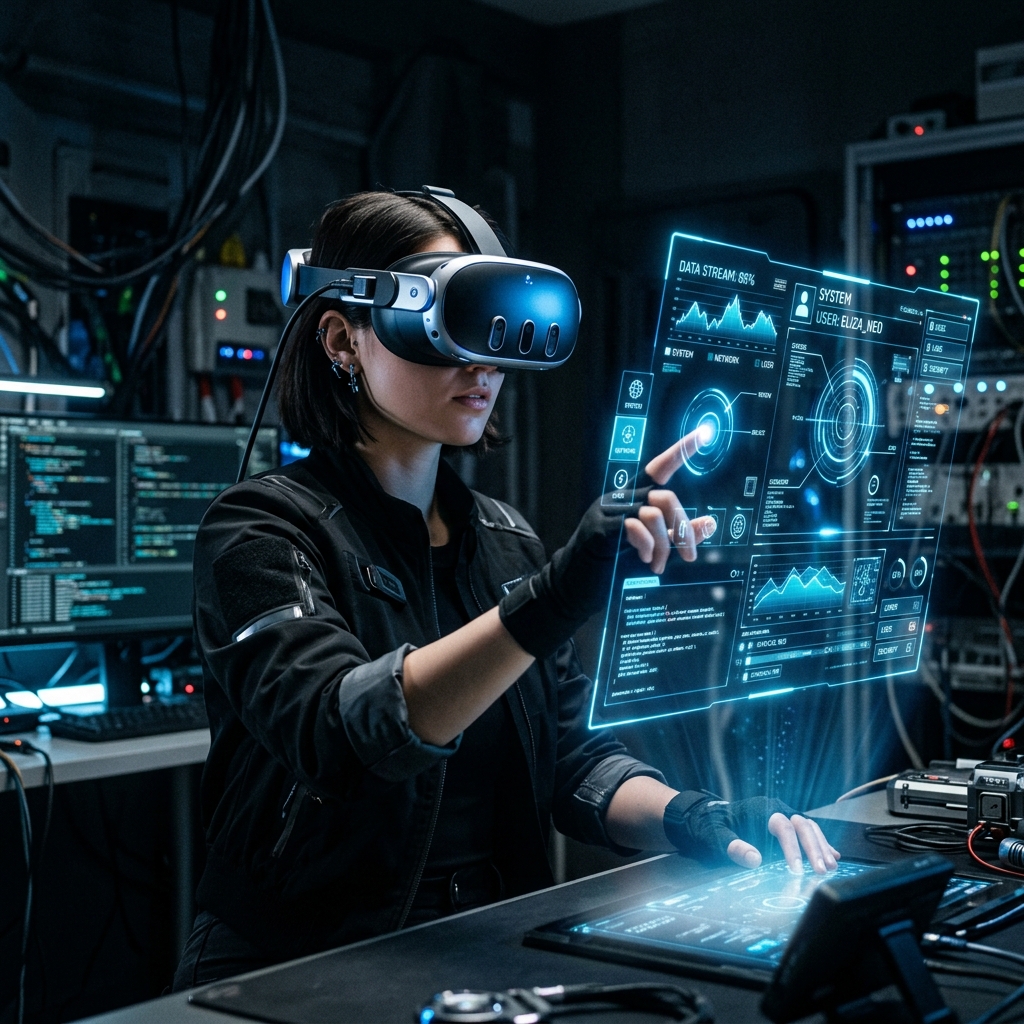
Virtual Reality in Physiotherapy: Motoring Rehabilitation and VR Uses for Patients
Virtual reality (VR) has emerged as a transformative tool in various sectors, particularly in healthcare. One of the most promising applications of VR is in physiotherapy, where it is utilized for motoring rehabilitation and exercise training.
Physiotherapy aims to restore movement and function in individuals affected by injury, illness, or disability. Traditional methods often involve repetitive exercises that can be monotonous and uninspiring. VR introduces an engaging, immersive environment that motivates patients to participate actively in their rehabilitation process.
The Role of VR in Physiotherapy
VR technology enables patients to perform exercises in a simulated environment. This can significantly enhance their motivation and adherence to rehabilitation programs. By providing real-time feedback and interactive experiences, patients can engage with their therapy in ways that were previously unattainable.
The integration of VR in physiotherapy allows for customized rehabilitation programs tailored to individual needs. Virtual environments can simulate real-world tasks, making the therapy more relevant and beneficial for daily life.
Benefits of VR in Rehabilitation
Several advantages of using VR in physiotherapy have been identified. These include improved patient engagement, enhanced motor learning, and the ability to measure progress accurately.
Patients often find VR exercises more enjoyable than traditional methods. This enjoyment can lead to increased participation and a more positive attitude towards rehabilitation.
VR Technologies in Physiotherapy
Various VR headsets available in the market offer unique features suitable for physiotherapy applications. Each device has specific specifications that cater to different patient needs and therapy settings.
| VR Headset | Resolution | Field of View | Tracking | Price |
|---|---|---|---|---|
| Meta Quest 3 | 2064 x 2208 per eye | 110 degrees | Inside-out | Buy Meta Quest 3 |
| HTC Vive Pro 2 | 2448 x 2448 per eye | 120 degrees | External | $799 |
| Valve Index | 1440 x 1600 per eye | 130 degrees | External | $999 |
| Oculus Rift S | 2560 x 1440 | 110 degrees | Inside-out | $399 |
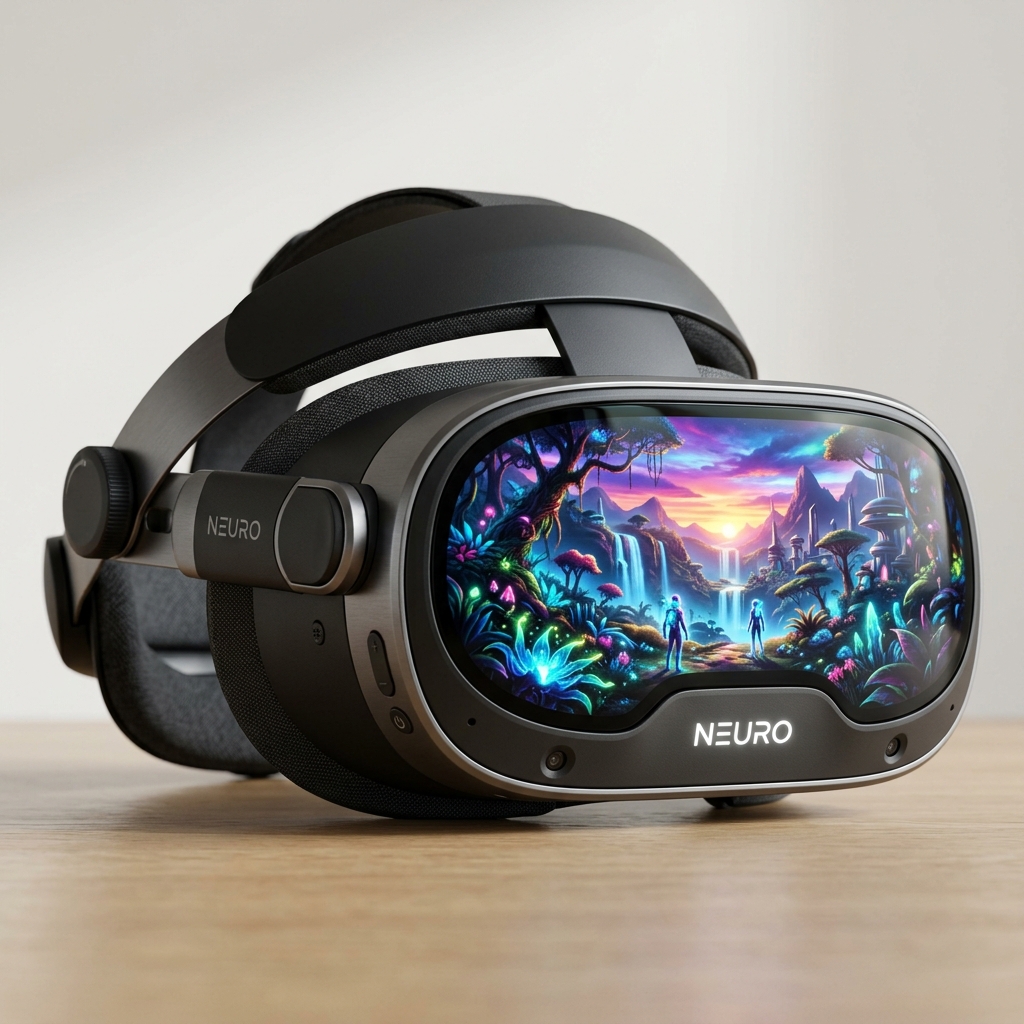
Implementing VR in Exercise Training
Exercise training in physiotherapy can significantly benefit from VR technology. Different scenarios can be created to help patients perform exercises while feeling engaged.
For instance, patients recovering from knee surgery can navigate a virtual environment that encourages them to walk or balance on uneven surfaces. This type of training not only enhances physical recovery but also builds confidence.
Future Prospects of VR in Physiotherapy
The future of VR in physiotherapy looks promising. As technology continues to evolve, the potential for more advanced applications increases. Enhanced graphics, improved tracking systems, and artificial intelligence could lead to even more personalized rehabilitation experiences.
Furthermore, the integration of telehealth with VR can offer remote physiotherapy solutions, making rehabilitation accessible to patients regardless of their location.

Challenges and Considerations
While the benefits of VR in physiotherapy are evident, several challenges remain. The cost of VR equipment can be a barrier for some clinics and patients.
Moreover, not all patients may feel comfortable using VR technology. It is essential for physiotherapists to gauge individual preferences and adapt accordingly.
Conclusion
Virtual reality is revolutionizing physiotherapy by enhancing patient engagement and providing innovative rehabilitation solutions. As technology advances, the integration of VR in physiotherapy is expected to grow, offering even more benefits to patients.

FAQ
What is virtual reality in physiotherapy?
Virtual reality in physiotherapy refers to the use of immersive technology to enhance rehabilitation exercises and patient engagement.
How does VR improve patient motivation?
VR creates engaging and interactive environments, making exercises feel more like games than traditional rehabilitation, which increases motivation.
Can VR be used for all types of rehabilitation?
While VR is effective for many rehabilitation types, its suitability depends on the specific needs and comfort level of the patient.
Is VR therapy expensive?
The cost of VR therapy can vary depending on the equipment used and the setting, but initial investment may be higher than traditional methods.
Are there any safety concerns with VR in physiotherapy?
Safety concerns include motion sickness or discomfort. It's vital for therapists to monitor patients closely and adapt sessions accordingly.
Introduction to Virtual Reality in Physiotherapy
Virtual reality (VR) is revolutionizing the field of physiotherapy by offering immersive environments for rehabilitation. This technology allows patients to engage in therapeutic exercises while enjoying an interactive and motivating experience.
Utilizing VR can enhance patient involvement and adherence to rehabilitation programs. The engaging nature of VR helps to distract from pain and discomfort often associated with traditional physiotherapy methods.
Benefits of VR in Motor Rehabilitation
Motor rehabilitation through VR provides tailored exercises that can be adjusted based on individual patient needs. This customization enhances the effectiveness of therapy and promotes better recovery outcomes.
Patients can practice motor skills in a safe virtual environment, reducing the risk of injury while improving their confidence and skill level. The ability to simulate real-life scenarios further aids in the transfer of skills learned during therapy to daily activities.
Popular VR Headsets for Physiotherapy
Several VR headsets are currently being utilized in physiotherapy, including the Oculus Quest 2 and the HTC Vive Focus 3. These devices offer high-quality graphics and intuitive controls that enhance the therapeutic experience.
The affordability and portability of the Oculus Quest 2 make it an excellent choice for home-based rehabilitation. Meanwhile, the HTC Vive Focus 3 provides advanced tracking and immersive experiences ideal for clinical settings.
Enhancing Patient Engagement with VR
VR gamifies rehabilitation, making exercises more enjoyable and less daunting for patients. By incorporating game-like elements, patients are more likely to engage actively in their therapy sessions.
Progress tracking and rewards systems within VR applications further motivate patients to achieve their rehabilitation goals. This level of engagement can lead to improved adherence and better recovery rates.
Applications of VR in Exercise Training
VR is increasingly being integrated into exercise training protocols for various conditions, including stroke recovery and musculoskeletal disorders. These applications allow healthcare providers to monitor progress and adjust programs in real-time.
Dynamic environments encourage patients to participate in exercises that are specifically designed to enhance strength, balance, and coordination. This targeted approach can significantly improve overall functional outcomes.
Real-Time Feedback and Performance Tracking
One of the standout features of VR in physiotherapy is the ability to provide real-time feedback. This immediate response helps patients understand their performance and make necessary adjustments during exercises.
Performance tracking allows therapists to assess progress effectively, ensuring that rehabilitation goals are met. Data collected during sessions can also inform future treatment plans and adjustments.
Challenges and Considerations in VR Implementation
While VR offers numerous advantages, there are challenges to consider, including accessibility and the need for proper training for healthcare providers. Ensuring that the technology is user-friendly for both therapists and patients is essential for successful implementation.
Additionally, addressing potential motion sickness and discomfort associated with VR use is crucial. Gradual acclimatization and personalized setups can help mitigate these concerns.
The Future of VR in Physiotherapy
The future of virtual reality in physiotherapy looks promising, with continuous advancements in technology leading to more effective rehabilitation solutions. Ongoing research is expected to expand the range of applications and improve patient outcomes.
As VR becomes increasingly integrated into standard practice, it is likely to play a vital role in enhancing the efficiency and effectiveness of physiotherapy treatments. This evolution may redefine how rehabilitation is approached in the coming years.
Virtual Reality in Physiotherapy
Virtual Reality (VR) technology is revolutionizing various sectors, including healthcare. In physiotherapy, it offers innovative methods for patient rehabilitation, particularly in motoring rehabilitation and exercise training.
Understanding Virtual Reality
Virtual Reality provides an immersive experience that simulates real-world environments. This technology engages patients in a way that traditional rehabilitation methods often cannot.
Benefits of VR in Physiotherapy
- Enhances patient engagement and motivation.
- Offers real-time feedback and performance tracking.
- Facilitates customized rehabilitation programs.
- Reduces the perception of pain and discomfort during exercises.
Motoring Rehabilitation
Motoring rehabilitation focuses on restoring movement and function through targeted exercises. VR applications provide a dynamic platform for patients to practice motor skills in a controlled environment.
Applications of VR in Motoring Rehabilitation
- Simulation of real-life scenarios, such as walking or reaching.
- Interactive games that promote physical activity.
- Visual feedback to help improve coordination and balance.
Case Studies in VR Motoring Rehabilitation
Several studies have demonstrated the effectiveness of VR in motoring rehabilitation. Patients have shown significant improvements in mobility and coordination after participating in VR-based therapy sessions.
Exercise Training with VR
Exercise training is a crucial component of physiotherapy. VR provides a unique approach to exercise that can increase motivation and adherence to rehabilitation programs.
Types of VR Exercise Training Programs
VR exercise training programs can vary greatly depending on the patient's needs. Here are some common types:
- Strength training programs using virtual weights.
- Aerobic exercise routines that simulate outdoor environments.
- Balance and coordination exercises through interactive challenges.
Popular VR Headsets for Physiotherapy
Several VR headsets are commonly used in physiotherapy settings. Each offers unique features suitable for rehabilitation purposes.
| VR Headset | Key Features | Price Range |
|---|---|---|
| Oculus Quest 2 | Wireless, high-resolution display, extensive library of VR applications | $299 |
| HTC Vive Pro 2 | High-fidelity visuals, adjustable lenses, comprehensive tracking | $799 |
| Valve Index | High refresh rate, precise tracking, comfortable design | $999 |
| Pico Neo 3 | Standalone headset, 4K resolution, ergonomic design | $699 |
Challenges and Considerations
While VR presents numerous advantages, it also poses challenges. Patients with severe mobility issues may require additional support during VR sessions.
Safety Considerations
Ensuring patient safety during VR therapy is paramount. Proper assessment should be conducted to identify any potential risks associated with VR use.
Training for Physiotherapists
Physiotherapists must receive appropriate training to effectively integrate VR into their practice. This includes understanding the technology and how to tailor programs to individual patient needs.
The Future of VR in Physiotherapy
The future of Virtual Reality in physiotherapy looks promising. Ongoing research is likely to yield more effective applications and technologies.
Innovations on the Horizon
Advancements in VR hardware and software will continue to enhance the therapeutic experience. Virtual environments may become more realistic, making rehabilitation exercises more engaging.
Potential for Remote Rehabilitation
VR technology also holds potential for remote rehabilitation. Patients could engage in therapy from home, expanding access to physiotherapy services.
Conclusion
Virtual Reality is proving to be a valuable tool in physiotherapy, particularly in motoring rehabilitation and exercise training. Its ability to create immersive experiences can enhance patient engagement and facilitate better recovery outcomes.
Final Thoughts
The integration of VR in physiotherapy is still in its early stages, but its potential is undeniable. As technology evolves, so too will the opportunities for improving patient care and rehabilitation.
Enhancing Patient Motivation through Virtual Reality
Virtual reality offers an engaging way to keep patients motivated during their rehabilitation journey. By immersing individuals in fun and interactive environments, VR can transform tedious exercises into enjoyable experiences.
Utilizing systems like Oculus Quest 2 and HTC Vive, physiotherapists can create personalized exercise routines that resonate with patients. When patients find joy in their sessions, adherence to rehabilitation programs increases significantly.
Incorporating gamified elements into VR experiences can foster a friendly competition, encouraging patients to push their limits. This approach not only boosts motivation but also enhances overall outcomes in recovery.
Real-World Applications of VR in Physiotherapy
Various healthcare facilities are now integrating virtual reality into their physiotherapy practices. Hospitals and rehabilitation centers are using advanced VR systems like the Microsoft HoloLens and Pico Neo 3 for a range of therapeutic applications.
VR training can be tailored to specific patient needs, from post-operative recovery to chronic pain management. Such versatility highlights the growing importance of virtual reality in modern physiotherapy settings.
As more clinicians embrace this technology, the potential for improved patient outcomes expands. Real-world case studies demonstrate that patients often experience faster recovery times when participating in VR-enhanced therapy sessions.
The Future of Virtual Reality in Physiotherapy
The future of virtual reality in physiotherapy looks promising, with continuous advancements in technology. Innovations in VR hardware and software are paving the way for even more effective rehabilitation solutions.
Emerging technologies, such as artificial intelligence integration, are set to revolutionize personalized rehabilitation experiences. With tools like Varjo XR-3, physiotherapists can analyze patient performance in real time, leading to tailored adjustments in therapy.
As research continues to support the benefits of VR in rehabilitation, more practitioners will likely adopt this technology. The integration of VR into physiotherapy not only enhances the patient experience but also sets a new standard for recovery practices.