Virtual Reality in Physiotherapy: Motoring Rehabilitation and VR Uses for Patients (Exercise)
Virtual Reality in Physiotherapy: Motoring Rehabilitation and VR Uses for Patients
Virtual Reality (VR) is transforming the landscape of physiotherapy, especially in the realm of rehabilitation. This innovative technology offers immersive experiences that can enhance patient engagement and motivation during recovery.
Utilizing VR in physiotherapy allows for the creation of realistic, interactive environments that can simulate various physical activities. This approach not only makes rehabilitation exercises more enjoyable but also more effective.
Benefits of VR in Physiotherapy
The application of VR in physiotherapy presents numerous benefits. One significant advantage is the ability to tailor rehabilitation exercises to individual needs. This personalization can lead to better recovery outcomes.
Moreover, VR can provide real-time feedback to patients. This feature helps in monitoring progress and making necessary adjustments during therapy sessions.
Motoring Rehabilitation with VR
Motoring rehabilitation is a critical component of physiotherapy, particularly for patients recovering from injuries or surgeries. VR can enhance this process by allowing patients to engage in simulated activities that mimic real-life scenarios.
For example, patients can practice walking on various terrains or performing daily tasks within a controlled environment. Such realistic simulations help build confidence and improve motor skills.
VR Technologies in Physiotherapy
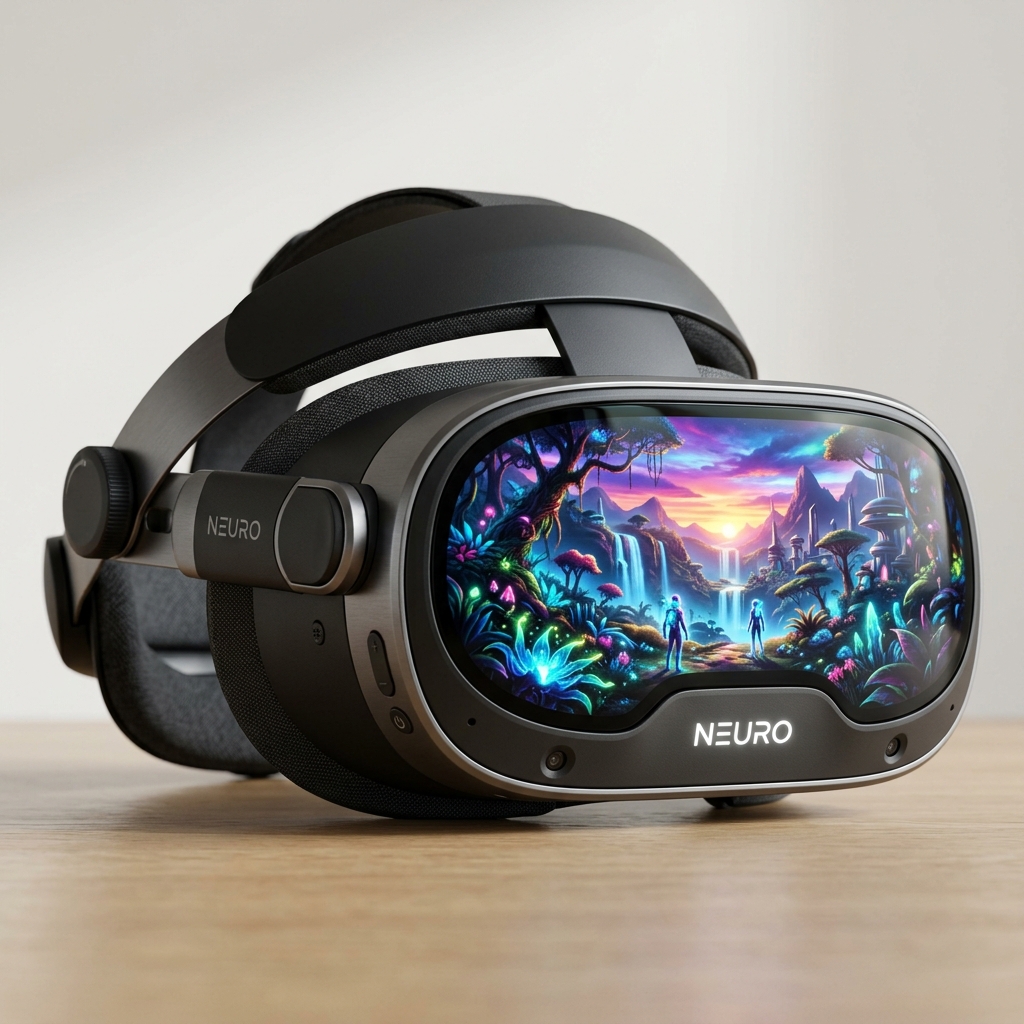
Several VR technologies are available that cater to the needs of physiotherapy. The following table compares some popular commercial VR headsets and their specifications:
| VR Headset | Resolution | Refresh Rate | Field of View | Price |
|---|---|---|---|---|
| Meta Quest 3 | 2064 x 2208 per eye | 120 Hz | 110 degrees | Buy Meta Quest 3 |
| Valve Index | 1440 x 1600 per eye | 120 Hz | 130 degrees | $999 |
| HTC Vive Pro 2 | 2448 x 2448 per eye | 120 Hz | 120 degrees | $799 |
| Oculus Rift S | 2560 x 1440 | 80 Hz | 110 degrees | $399 |
These headsets vary in specifications and pricing, allowing physiotherapy clinics to choose what best fits their needs and budget. The immersive experience provided by these devices can significantly enhance patient participation in rehabilitation programs.
Interactive Exercises and Patient Engagement
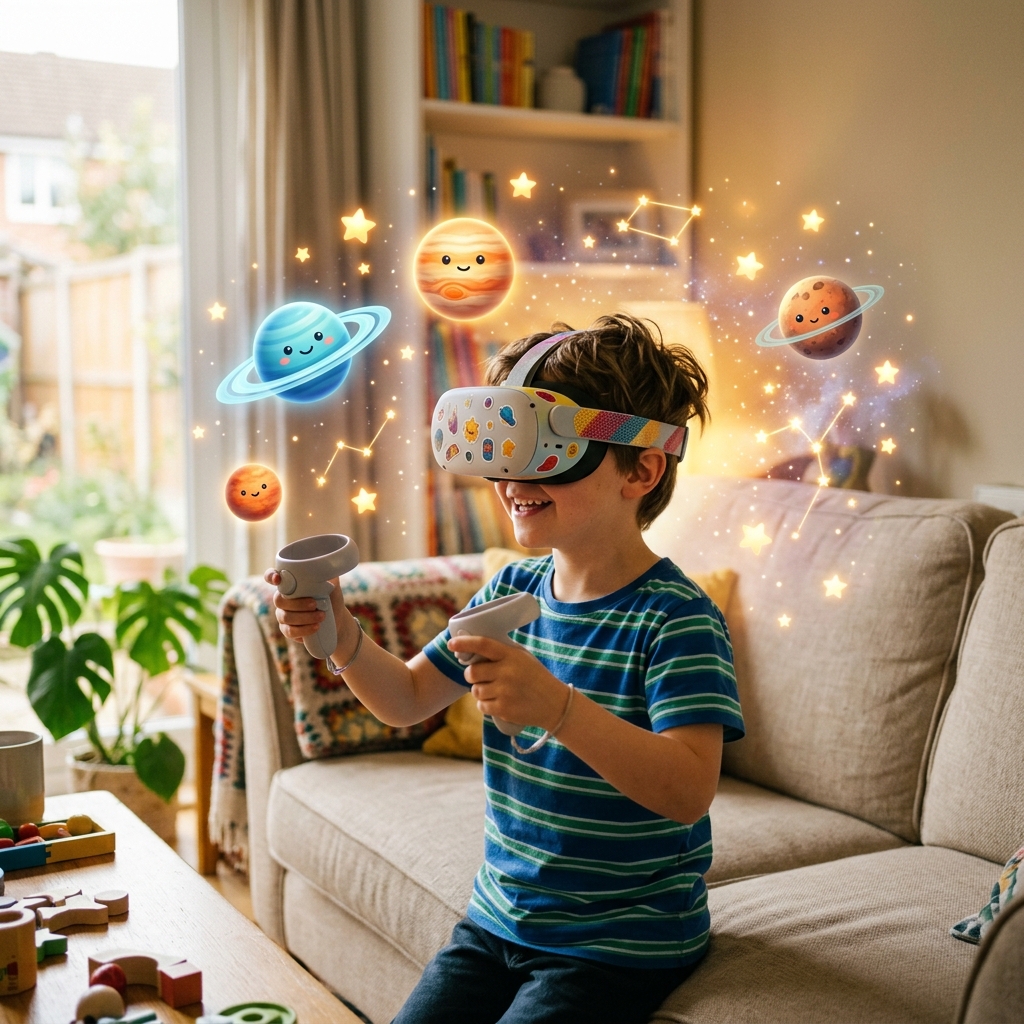
VR can make rehabilitation exercises more interactive. Patients can engage in games and challenges that encourage movement and enhance their physical capabilities.
Such interactive exercises can increase motivation levels, making patients more likely to adhere to their rehabilitation programs. This increased engagement often leads to faster recovery times.
The Future of VR in Physiotherapy
The future of VR in physiotherapy appears promising. With advancements in technology, the potential for more immersive and effective rehabilitation programs will continue to grow.
As more research is conducted, the benefits of VR in physiotherapy will be better understood, leading to wider adoption in clinical settings. The goal is to create a supportive environment that fosters healing and recovery.
FAQ
What is the role of VR in physiotherapy?
VR is used in physiotherapy to create immersive environments that enhance patient engagement and motivation during rehabilitation exercises.
How does VR help in motoring rehabilitation?
It allows patients to practice motor skills in simulated environments, helping to build confidence and improve physical abilities.
What are some benefits of using VR in rehabilitation?
Benefits include personalized exercises, real-time feedback, increased motivation, and enhanced patient participation.
Which VR headsets are best for physiotherapy?
Popular options include Meta Quest 3, Valve Index, and HTC Vive Pro 2, each offering unique specifications suitable for different needs.
Is VR effective for all patients?
While VR can be beneficial for many patients, suitability depends on individual circumstances and specific rehabilitation goals.
Revolutionizing Rehabilitation with Virtual Reality
Virtual reality (VR) is transforming the landscape of physiotherapy by offering immersive experiences for motor rehabilitation. Patients can engage in realistic scenarios that enhance their recovery process while making therapy more enjoyable.
This innovative approach allows for tailored exercises that cater to individual needs, promoting faster recovery rates. With VR, therapists can monitor progress effectively through data analytics and adjust programs accordingly.
Enhanced Engagement and Motivation
The gamification aspect of VR makes rehabilitation more engaging for patients. By turning exercises into interactive games, users are more likely to adhere to their therapy schedules.
This increased motivation can lead to improved outcomes, as patients may push themselves further in a fun and supportive environment. The immersive nature of VR helps distract from pain, allowing for a more focused rehabilitation experience.
Customizable Therapy Sessions
VR technology provides customizable environments that can be tailored to suit patient preferences and needs. This personalization can significantly enhance the therapeutic experience and effectiveness of motor rehabilitation.
Whether it's simulating walking in a park or navigating through different terrains, VR can create scenarios that challenge patients appropriately. This versatility helps patients achieve their rehabilitation goals in a more effective manner.
Real-Time Feedback and Progress Tracking
One of the significant advantages of using VR in physiotherapy is the ability to provide real-time feedback. Patients receive immediate responses to their movements, allowing them to adjust their techniques instantly.
This instant feedback loop enhances learning and helps reinforce proper motor skills. Additionally, progress tracking can be visualized in engaging ways, keeping patients informed and motivated throughout their journey.
Social Interaction and Support
VR can facilitate social interaction among patients, which is crucial for mental well-being during rehabilitation. Virtual environments can host group sessions where patients support each other’s recovery journeys.
This sense of community encourages a collaborative spirit, making rehabilitation feel less isolating. It also allows patients to share experiences, tips, and successes, fostering a positive atmosphere for healing.
Accessibility and Convenience
Virtual reality in physiotherapy enhances accessibility for patients who may have mobility challenges. VR systems can be used at home, allowing individuals to engage in rehabilitation without needing to travel to a clinic.
This convenience not only saves time but also reduces barriers to consistent therapy. Patients can practice their exercises in a familiar environment, contributing to a more comfortable and effective recovery process.
Cost-Effectiveness of VR Therapy
The integration of VR technology in physiotherapy presents a cost-effective solution for healthcare providers. The initial investment in VR systems can lead to reduced overall therapy costs through enhanced efficiency and improved patient outcomes.
By providing engaging and effective rehabilitation options, VR can help decrease the duration of therapy sessions, ultimately benefiting both patients and providers economically. This financial aspect makes VR a compelling choice in modern physiotherapy practices.
Future Trends in Virtual Reality Physiotherapy
The future of virtual reality in physiotherapy looks promising, with continuous advancements in technology. Emerging trends may include artificial intelligence integration, providing even more personalized therapy experiences.
As VR becomes more sophisticated, its application in physiotherapy will likely expand, offering innovative solutions for a variety of conditions. This evolution holds the potential for even greater improvements in patient care and rehabilitation outcomes.
Introduction to Virtual Reality in Physiotherapy
Virtual Reality (VR) is revolutionizing the field of physiotherapy by providing innovative rehabilitation methods for patients. Its immersive nature allows for engaging exercise experiences, making therapy more enjoyable and effective.
The Role of VR in Motor Rehabilitation
Motor rehabilitation focuses on restoring movement and coordination in patients recovering from injuries or surgeries. VR technology creates interactive environments that stimulate these physical activities in a safe and controlled setting.
Benefits of VR in Motor Rehabilitation
- Enhanced Engagement: Patients are more likely to participate in their rehabilitation when it is fun and immersive.
- Real-time Feedback: VR systems provide instant feedback, helping patients understand their progress and correct their movements.
- Personalized Therapy: VR programs can be tailored to individual needs, accommodating different levels of ability and specific rehabilitation goals.
VR Applications in Physiotherapy
Various VR applications are utilized in physiotherapy to enhance motor skills, improve balance, and aid in pain management. These applications cater to a wide range of patients, from stroke survivors to those recovering from orthopedic surgeries.
Types of VR Experiences for Patients
- Simulated Environments: Patients can engage in virtual landscapes, such as parks or beaches, to perform physical exercises.
- Gamified Exercises: Therapeutic activities are transformed into games, making rehabilitation enjoyable.
- Guided Therapy Sessions: VR allows therapists to guide patients through exercises remotely, ensuring proper technique.
Popular VR Headsets for Physiotherapy
The choice of VR headset can greatly influence the effectiveness of therapy. Here are some of the leading VR headset models commonly used in physiotherapy.
| VR Headset | Key Features | Price Range |
|---|---|---|
| Oculus Quest 2 | Standalone, wireless, high-resolution display, extensive game library | $299 |
| HTC Vive Pro 2 | High-resolution, versatile, premium tracking capabilities | $799 |
| Valve Index | High refresh rate, accurate tracking, comfortable fit | $999 |
| Pico Neo 3 | Standalone, lightweight, 4K resolution, user-friendly interface | $499 |
Case Studies and Success Stories
Research has shown positive outcomes in patients using VR for rehabilitation. The following case studies highlight the effectiveness of VR in physiotherapy.
Stroke Rehabilitation
One study demonstrated that stroke survivors who engaged in VR therapy showed significant improvements in upper limb motor function compared to traditional rehabilitation. The use of gamified tasks kept patients motivated and encouraged regular practice.
Post-Surgery Recovery
Patients recovering from knee surgeries benefitted from VR exercises that simulated real-world activities. They reported less pain and improved range of motion, accelerating their overall recovery times.
Challenges and Considerations
While VR in physiotherapy offers numerous benefits, there are challenges that must be addressed. Understanding these challenges ensures the successful integration of VR technology into rehabilitation practices.
Technical Limitations
Not all VR systems are created equal. Some may have limited tracking capabilities or require extensive setup, which can hinder their effectiveness in a clinical setting.
Accessibility Issues
Not every patient may have access to VR technology. Cost and availability can be barriers that limit the widespread use of VR in physiotherapy.
Future Trends in VR Physiotherapy
The future of VR in physiotherapy looks promising. Advancements in technology are expected to enhance the user experience and increase the effectiveness of rehabilitation programs.
Integration with AI and Machine Learning
The incorporation of AI can personalize therapy plans based on patient data, optimizing rehabilitation programs for better outcomes. Machine learning algorithms may analyze patient performance and adapt exercises in real-time.
Expansion of Multi-User Environments
Future VR applications may allow multiple patients to interact in a shared virtual space. This fosters social interaction and encourages group activities, enhancing motivation and adherence to therapy.
Conclusion
Virtual Reality is transforming physiotherapy by offering innovative, engaging, and effective rehabilitation solutions for patients. As technology continues to evolve, its integration into physiotherapy practices will likely expand, providing even greater benefits for patients seeking recovery and improved quality of life.
Enhancing Patient Engagement with Virtual Reality
Virtual reality has the potential to significantly increase patient engagement in physiotherapy sessions. By immersing patients in interactive environments, they are more likely to participate actively in their rehabilitation exercises.
Devices such as the Oculus Quest 2 and HTC Vive Pro provide captivating experiences that can make physiotherapy feel less like a chore. These engaging VR scenarios can distract patients from discomfort and motivate them to complete their exercises more consistently.
As patients become more invested in their rehabilitation process, the likelihood of achieving better outcomes increases. The combination of technology and physical therapy creates a unique opportunity for fostering a positive mindset towards recovery.
Tailoring Rehabilitation Programs with VR Technology
Virtual reality allows physiotherapists to customize rehabilitation programs to meet the specific needs of each patient. This personalization can enhance the effectiveness of the therapy and improve overall satisfaction.
By utilizing systems like the VirtuSense and XR Health’s Medical VR, therapists can track patient progress in real-time and adjust exercises accordingly. Tailored VR experiences can address unique challenges faced by individuals recovering from injuries or surgeries.
This adaptability not only facilitates better recovery but also empowers patients to take ownership of their healing journey. The result is a more holistic approach to physiotherapy that considers both physical and emotional healing.
Future Trends in Virtual Reality for Physiotherapy
The future of virtual reality in physiotherapy looks promising as technology continues to advance. Innovations such as improved motion tracking and haptic feedback will enhance the realism of VR environments.
Emerging VR platforms like the Rehametrics and BioDigital Human are setting the stage for even more sophisticated therapeutic applications. As these technologies evolve, they will likely offer new ways to address complex rehabilitation challenges.
With ongoing research and development, the integration of VR into physiotherapy practices will become increasingly commonplace. This trend not only highlights the importance of technology in healthcare but also paves the way for more effective and enjoyable recovery experiences.