Virtual Reality in Physiotherapy: Motoring Rehabilitation and VR Uses for Patients (Rehab)
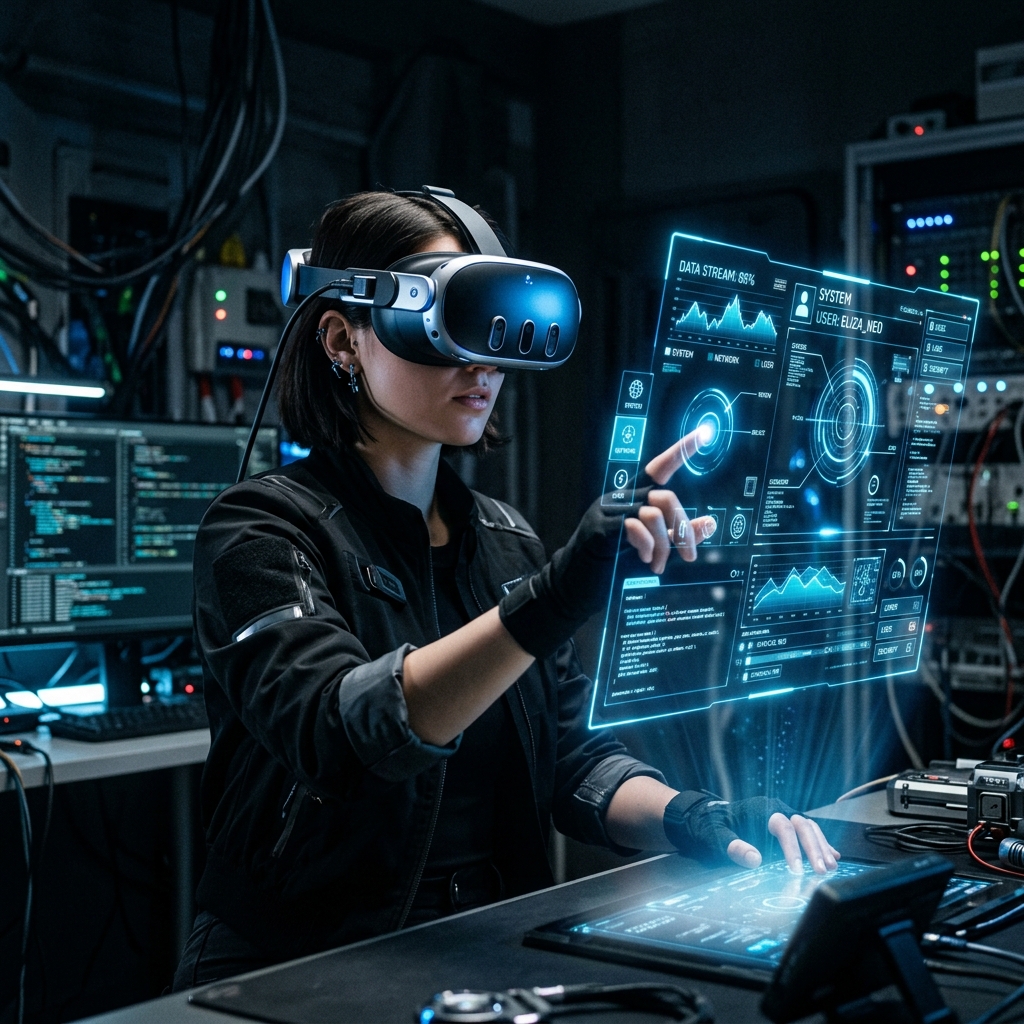
Virtual Reality in Physiotherapy: Motoring Rehabilitation and VR Uses for Patients
Virtual Reality (VR) has emerged as a transformative technology in various fields, and physiotherapy is no exception. By merging physical rehabilitation with immersive experiences, patients can engage in therapeutic exercises in a virtual environment.
The integration of VR into physiotherapy enhances motivation, reduces pain perception, and improves recovery outcomes. This article explores the various applications of VR in physiotherapy, particularly focusing on motoring rehabilitation.
The Role of VR in Physiotherapy
VR provides an engaging platform for patients undergoing rehabilitation. Traditional rehabilitation methods often lack the excitement that can keep patients motivated. VR addresses this by creating interactive environments that make therapy enjoyable.
Through gamification, patients can perform exercises that are essential for recovery while being immersed in a captivating virtual world. This not only improves adherence to therapy but also accelerates the rehabilitation process.
Applications of VR in Rehabilitation
VR can be utilized in various rehabilitation contexts, including post-surgery recovery, neurological rehabilitation, and musculoskeletal therapy. Each application leverages the immersive nature of VR to facilitate recovery.
For instance, stroke patients can practice motor skills in a safe environment that mimics real-life scenarios. This type of rehabilitation is vital for regaining independence and improving quality of life.
Benefits of VR in Physiotherapy
The benefits of integrating VR into physiotherapy are numerous. One significant advantage is the ability to tailor experiences to individual patient needs. Customizable programs can address specific motor skills and rehabilitation goals.
Additionally, VR can track patient progress in real-time, providing valuable data to physiotherapists. This information can inform treatment plans and help adjust exercises for optimal results.
Enhanced Motivation
Patients often find VR environments more engaging than traditional therapies. This increased motivation can lead to more frequent participation and better adherence to prescribed exercises.
Reduced Pain Perception
The immersive nature of VR can distract patients from pain during rehabilitation exercises. By focusing on the virtual environment, patients may experience decreased pain perception and anxiety.
Improved Motor Skills
VR has been shown to enhance motor skill recovery in patients. Activities designed within VR can target specific muscle groups and movements necessary for daily life, aiding in faster recovery.
Commercial VR Headsets for Physiotherapy
| VR Headset | Display Resolution | Field of View | Tracking Type | Price Range |
|---|---|---|---|---|
| Meta Quest 3 | 2064 x 2208 per eye | 110 degrees | Inside-out | $499 |
| HTC Vive Pro 2 | 2448 x 2448 per eye | 120 degrees | External | $799 |
| Valve Index | 1440 x 1600 per eye | 130 degrees | External | $999 |
| Pico Neo 3 | 3664 x 1920 per eye | 90 degrees | Inside-out | $499 |
| Oculus Rift S | 2560 x 1440 | 110 degrees | Inside-out | $399 |
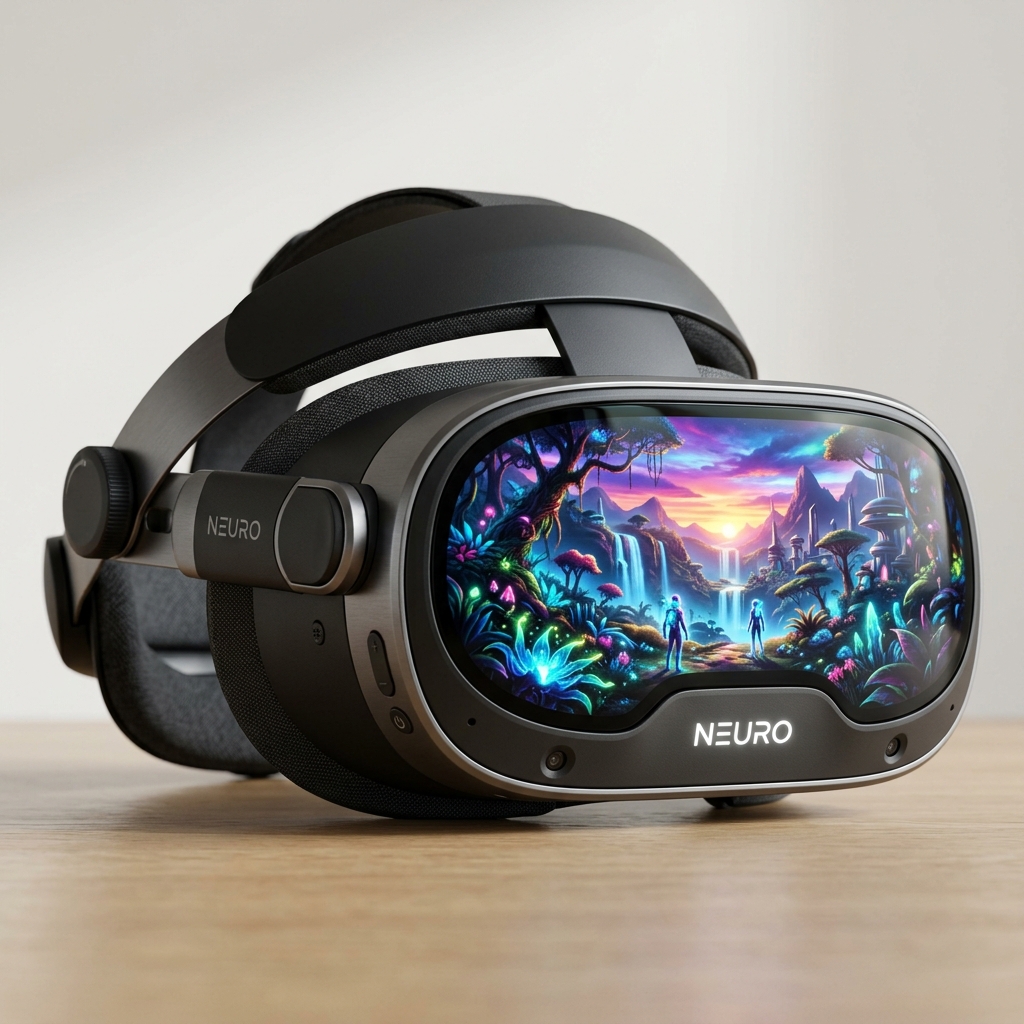
Challenges in Implementing VR in Physiotherapy
Despite its numerous advantages, the implementation of VR in physiotherapy is not without challenges. Cost and accessibility can be barriers for some healthcare facilities.
Moreover, training physiotherapists to use VR effectively is crucial. A well-designed program can maximize the benefits of VR technology in rehabilitation settings.
Future of VR in Physiotherapy
The future of VR in physiotherapy appears promising. As technology continues to advance, the possibilities for enhanced rehabilitation experiences will expand.
Innovations in haptic feedback and artificial intelligence may soon allow for even more personalized and effective therapy sessions.
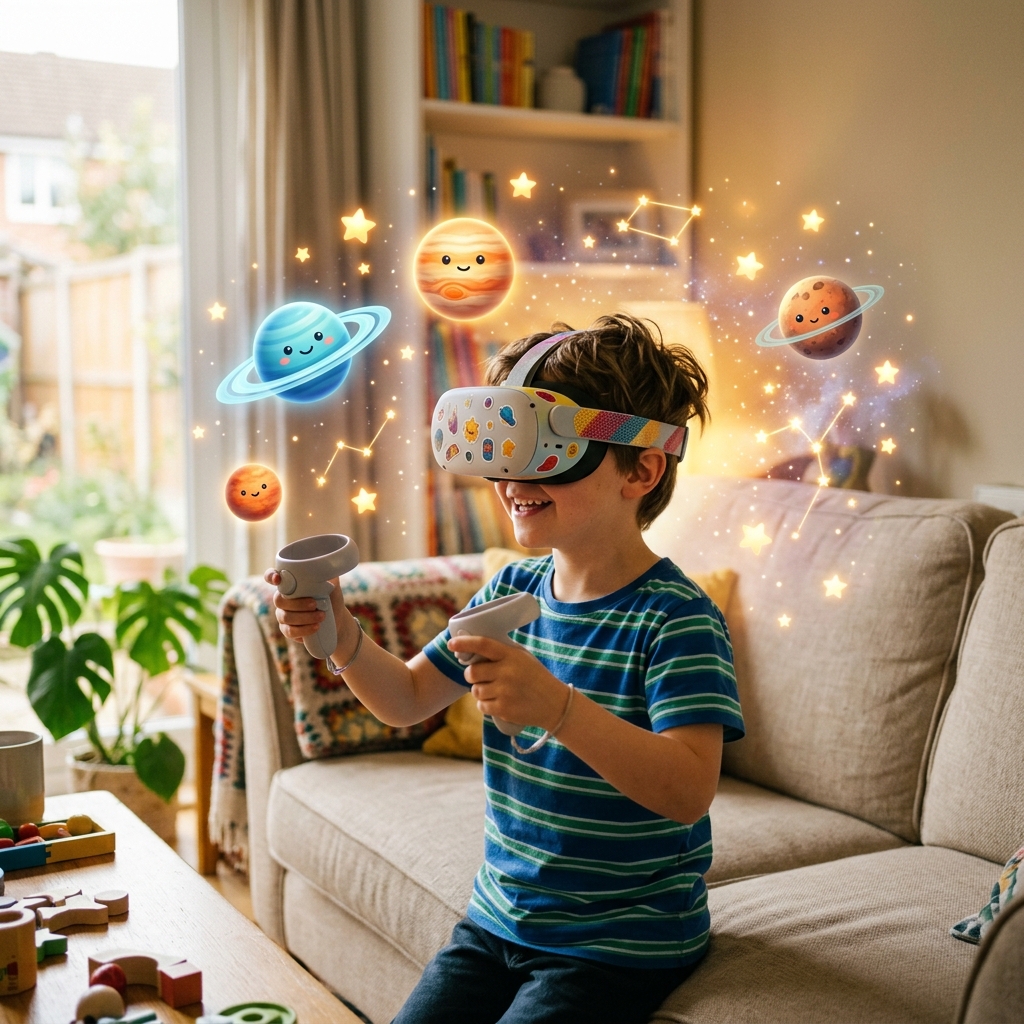
Conclusion
Virtual Reality is revolutionizing the landscape of physiotherapy by offering new ways to motivate and engage patients in their rehabilitation journey. As research continues to validate its effectiveness, the integration of VR in physiotherapy will likely become more widespread.
For those considering options, buying the Meta Quest 3 can be a great step towards integrating VR into rehabilitation practices.
Frequently Asked Questions
What is VR therapy?
VR therapy involves using virtual reality technology for therapeutic purposes, such as rehabilitation and pain management.
How does VR help in rehabilitation?
VR helps in rehabilitation by providing immersive experiences that enhance motivation, reduce pain perception, and track progress during therapy.
Is VR therapy suitable for all patients?
While VR therapy can benefit many patients, individual assessments are necessary to ensure it is appropriate for specific conditions and needs.
What types of conditions can VR therapy address?
VR therapy can address various conditions, including stroke recovery, post-surgery rehabilitation, and musculoskeletal injuries.
Are there any risks associated with VR therapy?
Potential risks include motion sickness or discomfort in some patients. Proper guidance and gradual exposure can mitigate these effects.
Understanding Virtual Reality in Physiotherapy
Virtual reality (VR) is revolutionizing the field of physiotherapy by providing immersive environments for rehabilitation. This technology allows patients to engage in therapeutic activities that are both fun and effective.
Through realistic simulations, VR can mimic real-world scenarios, making rehabilitation exercises more relatable and less daunting. Patients experience enhanced motivation and engagement, which can lead to improved outcomes.
Benefits of VR for Motor Rehabilitation
Motor rehabilitation using VR has shown promising results in improving motor function and coordination. The interactive nature of VR encourages patients to practice movements they may avoid in traditional therapy settings.
Additionally, VR can be tailored to individual needs, allowing therapists to customize programs that target specific motor skills. This personalized approach often leads to quicker recovery times and greater patient satisfaction.
Popular VR Headsets for Physiotherapy
Several VR headsets are making waves in the physiotherapy sector, including the Oculus Quest 2 and HTC Vive Pro. These devices offer high-resolution graphics and responsive tracking, enhancing the rehabilitation experience.
With built-in motion sensors, these headsets can accurately track patient movements, ensuring that exercises are performed correctly. This real-time feedback is crucial for effective rehabilitation and progress monitoring.
Case Studies: Successful VR Rehabilitation
Numerous case studies highlight the effectiveness of VR in rehabilitation settings. Patients recovering from stroke have demonstrated significant improvements in mobility and strength through VR-assisted exercises.
In another instance, individuals with traumatic brain injuries benefited from VR environments that promoted cognitive and physical rehabilitation simultaneously. These outcomes showcase the versatility of VR in addressing diverse rehabilitation needs.
VR for Pain Management in Physiotherapy
Virtual reality is not only beneficial for physical rehabilitation but also for pain management. Immersive VR experiences can distract patients from pain, making therapy sessions more tolerable.
Studies indicate that VR can reduce pain perception by engaging the brain in interactive environments, allowing patients to focus on tasks rather than discomfort. This approach enhances overall treatment effectiveness.
Future of VR in Physiotherapy
The future of VR in physiotherapy looks promising, with ongoing advancements in technology and research. Continuous improvements in VR simulation quality and accessibility are expected to broaden its application in rehabilitation.
As more healthcare providers adopt VR, it is likely to become a staple in rehabilitation programs, delivering tailored, engaging experiences that enhance patient recovery. The integration of AI and machine learning could further personalize therapies in the future.
Challenges and Considerations in VR Rehabilitation
Despite its benefits, integrating VR into physiotherapy does present challenges. Accessibility to high-quality VR equipment can be a barrier for some clinics and patients.
Additionally, ensuring patient safety and comfort during VR sessions is essential to prevent motion sickness or disorientation. Adequate training for therapists and ongoing assessments of VR programs are crucial for successful implementation.
Introduction to Virtual Reality in Physiotherapy
Virtual Reality (VR) has emerged as a transformative technology in the field of physiotherapy. By creating immersive environments, VR offers innovative solutions for motor rehabilitation and enhances the therapeutic experience for patients.
Benefits of Using VR in Physiotherapy
VR can significantly improve patient outcomes during rehabilitation. Its engaging nature encourages patients to participate actively in their recovery process.
Enhanced Engagement
One of the primary benefits of VR in rehabilitation is its ability to captivate patients' attention. Patients are more likely to adhere to their therapy regimens when the experience is enjoyable.
Real-Time Feedback
VR systems can provide immediate feedback, allowing patients to understand their progress and areas that require improvement. This instant feedback loop helps in modifying exercises for better results.
Safe Environment for Practice
VR allows patients to practice movements in a controlled environment, minimizing the risk of injury. This is particularly beneficial for individuals recovering from surgery or severe injuries.
Accessibility and Convenience
With the ability to use VR in various settings, including home environments, patients can engage in therapy without the need to travel to clinics. This enhances accessibility for those with mobility challenges.
Types of VR Applications in Motor Rehabilitation
Several VR applications cater to different aspects of motor rehabilitation. Each application can target specific movement skills or conditions.
- Balance Training
- Fine Motor Skills Enhancement
- Endurance and Stamina Building
Balance Training
Balance training is crucial for patients recovering from neurological conditions or injuries. VR can simulate various scenarios to challenge and improve a patient's balance.
Fine Motor Skills Enhancement
VR applications can focus on improving fine motor skills through interactive tasks. These tasks can include activities such as picking up objects or maneuvering through obstacles.
Endurance and Stamina Building
By incorporating physical activities into VR experiences, patients can work on building endurance and stamina. This is especially useful for those recovering from physical trauma.
Popular VR Headsets for Physiotherapy
Several VR headsets are widely used in physiotherapy settings. Each headset offers unique features that cater to the needs of rehabilitation programs.
| Headset Model | Features | Price Range |
|---|---|---|
| Oculus Quest 2 | All-in-one, wireless, high-resolution display | $299 |
| HTC Vive Pro 2 | High fidelity visuals, room-scale tracking | $799 |
| Valve Index | Excellent field of view, finger tracking controllers | $999 |
| Pico Neo 3 | Standalone, lightweight, 4K resolution | $699 |
VR Therapy Techniques in Rehabilitation
Various techniques can be employed in VR therapy to enhance motor rehabilitation. These techniques are designed to target specific therapeutic goals.
Gamification of Therapy
Gamification integrates game-like elements into rehabilitation exercises. By incorporating challenges and rewards, patients may feel more motivated to complete their therapy sessions.
Virtual Coaches and Guided Exercises
Some VR applications feature virtual coaches that guide patients through exercises. These coaches can demonstrate movements and provide encouragement, making therapy more effective.
Social Interaction and Group Therapy
VR can facilitate group therapy sessions, allowing patients to interact with others in a virtual setting. This social aspect can enhance the motivation and emotional well-being of participants.
Evidence Supporting VR in Physiotherapy
Numerous studies have demonstrated the efficacy of VR in physiotherapy. Research highlights improvements in motor function and overall satisfaction among patients.
Clinical Trials and Research Studies
Clinical trials have shown that VR can significantly improve outcomes in patients with stroke, traumatic brain injuries, and orthopedic conditions. Continued research is essential to validate these findings further.
Patient Satisfaction and Experience
Many patients report a positive experience with VR rehabilitation. The immersive nature of VR can reduce anxiety and improve motivation during therapy.
Challenges and Considerations
While VR offers numerous benefits, there are challenges to consider when implementing this technology in physiotherapy. Understanding these challenges can help in optimizing its use.
Cost of Equipment
The initial investment for VR headsets and software can be significant. However, the long-term benefits may outweigh these costs.
Usability and Accessibility
Some patients may find it challenging to adapt to VR technology. Ensuring that the applications are user-friendly is essential for maximizing participation.
Future Directions for VR in Physiotherapy
The future of VR in physiotherapy appears promising as technology continues to advance. Innovations in VR could lead to more personalized and effective rehabilitation strategies.
Integration with Other Technologies
Combining VR with other technologies, such as artificial intelligence and motion tracking, may enhance therapeutic outcomes. These integrations could provide more tailored experiences for patients.
Expansion of VR Applications
As research continues, the range of VR applications in physiotherapy is expected to grow. New programs may target additional conditions and rehabilitation needs.
Conclusion
Virtual reality represents a significant advancement in physiotherapy, offering exciting opportunities for motor rehabilitation. As technology continues to evolve, the potential for VR to transform patient care is vast.