Virtual Reality in Physiotherapy: Motoring Rehabilitation and VR Uses for Patients
Virtual Reality in Physiotherapy: Motoring Rehabilitation and VR Uses for Patients
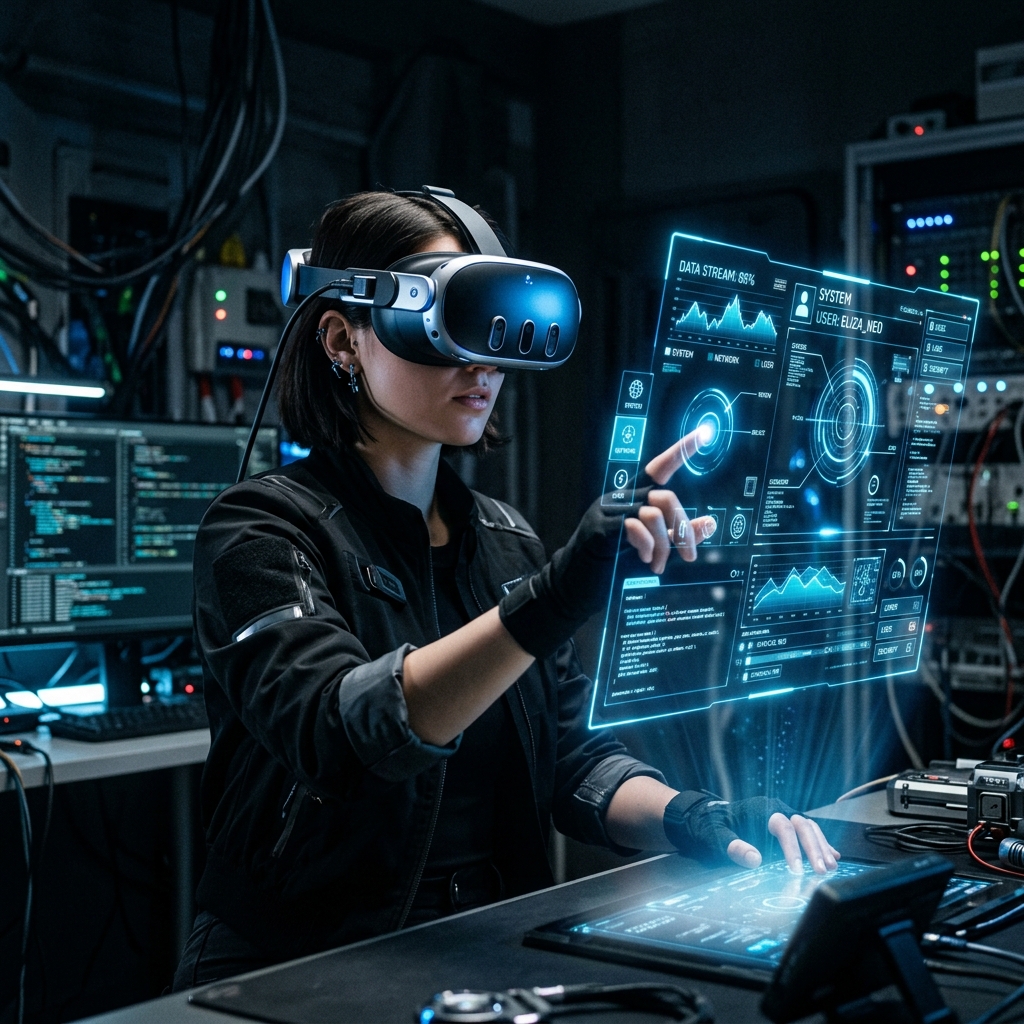
The integration of Virtual Reality (VR) technology into physiotherapy has revolutionized the landscape of rehabilitation. This innovative approach provides immersive experiences that enhance patient engagement and improve therapy outcomes.
VR is designed to create simulated environments where patients can perform therapeutic exercises in a controlled and safe setting. This technology is particularly beneficial for individuals recovering from injuries or surgeries, allowing them to practice movements without the fear of real-world consequences.
Benefits of VR in Physiotherapy
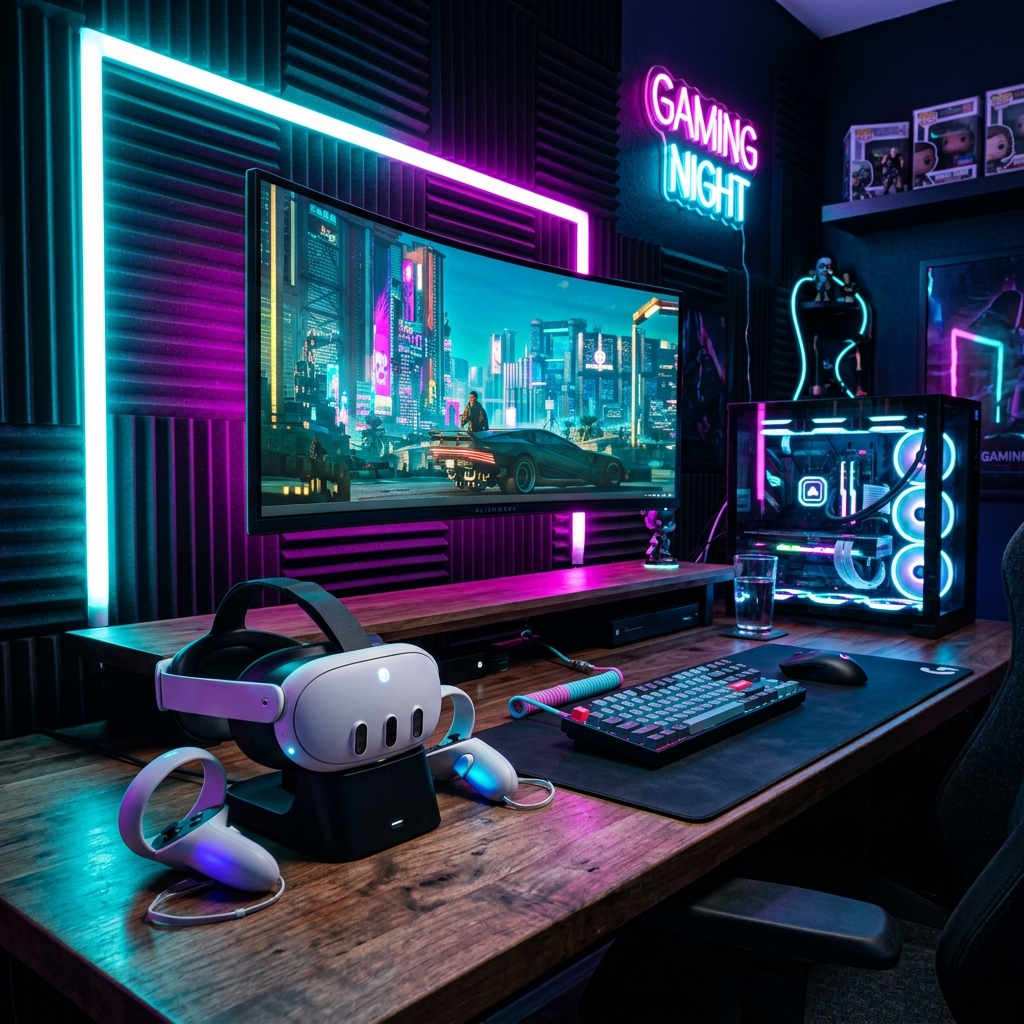
The use of VR in physiotherapy presents numerous advantages. Enhanced motivation is one significant benefit, as patients often find engaging in VR environments more enjoyable compared to traditional exercises.
Moreover, VR allows for personalized rehabilitation programs tailored to individual needs. This customization can lead to improved adherence to therapy regimens and better overall results.
Motoring Rehabilitation with VR
Motoring rehabilitation focuses on restoring movement and function after injury. VR facilitates this process by offering interactive scenarios that encourage patients to practice motor skills in a fun and engaging way.
For example, patients can navigate virtual environments that simulate real-life situations, such as walking through a park or climbing stairs. These activities promote physical movement and coordination, essential components of recovery.
Applications of VR in Physiotherapy
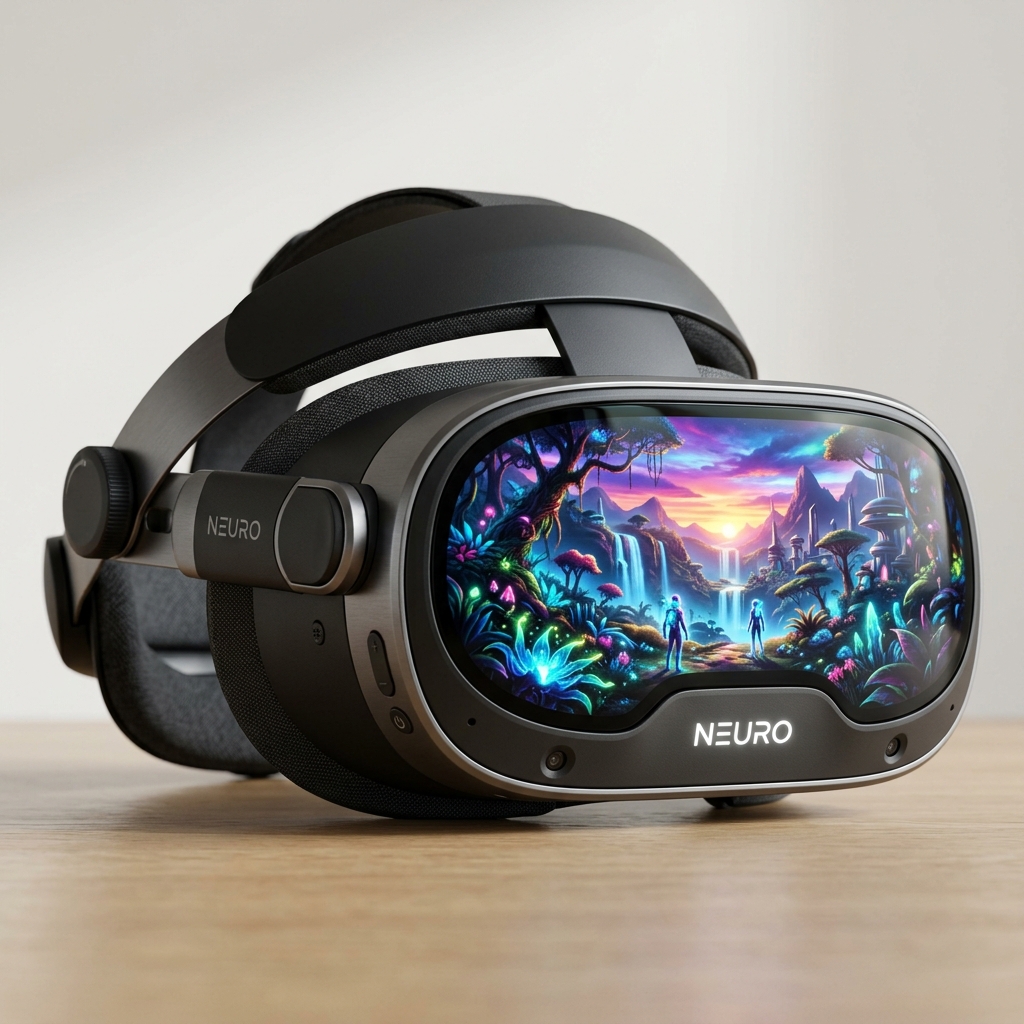
VR applications in physiotherapy extend beyond motoring rehabilitation. Pain management is another area where VR has shown promising results. Immersive environments can distract patients from pain during physical therapy sessions.
Additionally, VR can be utilized for cognitive rehabilitation. Patients recovering from strokes or brain injuries can engage in exercises that challenge their cognitive functions while simultaneously working on physical recovery.
Commercial VR Headsets Comparison
| Headset | Display Resolution | Field of View | Refresh Rate | Weight | Price |
|---|---|---|---|---|---|
| Meta Quest 3 | 2064 x 2208 per eye | 110 degrees | 120 Hz | 503 grams | buy Meta Quest 3 |
| HTC Vive Pro 2 | 2448 x 2448 per eye | 120 degrees | 120 Hz | 850 grams | $799 |
| Valve Index | 1440 x 1600 per eye | 130 degrees | 120 Hz | 809 grams | $999 |
| Pico G2 4K | 3840 x 2160 | 110 degrees | 75 Hz | 300 grams | $429 |
| Oculus Rift S | 2560 x 1440 | 110 degrees | 80 Hz | 563 grams | $399 |
Challenges in Implementing VR in Physiotherapy
Despite its advantages, the adoption of VR in physiotherapy is not without challenges. The cost of VR equipment can be a barrier for some clinics, limiting access to this technology.
Additionally, training healthcare professionals to effectively use VR tools is essential. Without proper implementation, the potential benefits of VR may not be fully realized.

Future of VR in Physiotherapy
The future of VR in physiotherapy looks promising. As technology advances, VR experiences will become more sophisticated and accessible, leading to broader applications in rehabilitation.
Integrating artificial intelligence with VR could also enhance personalized therapy programs, tracking patient progress in real-time and adjusting exercises accordingly.
FAQ
What is Virtual Reality in physiotherapy?
Virtual Reality (VR) in physiotherapy involves using immersive environments to enhance rehabilitation through engaging exercises and simulations.
How does VR improve patient motivation?
VR provides an enjoyable and interactive experience, making therapy sessions more appealing and encouraging patients to participate actively.
Can VR be used for pain management?
Yes, VR can distract patients from pain and discomfort during therapy, making the rehabilitation process more tolerable.
What are the challenges of using VR in physiotherapy?
The main challenges include high equipment costs and the need for specialized training for healthcare providers to effectively utilize the technology.
What does the future hold for VR in physiotherapy?
The future of VR in physiotherapy is bright, with advancements in technology promising more sophisticated, personalized rehabilitation experiences.
Understanding Virtual Reality in Physiotherapy
Virtual reality (VR) technology has emerged as a transformative tool in physiotherapy, offering innovative solutions for rehabilitation. It creates immersive environments that motivate patients and enhance their recovery experience.
By simulating real-world scenarios, VR can help patients regain motor skills and confidence. This approach is particularly beneficial for those recovering from injuries or surgeries.
Benefits of VR for Motor Rehabilitation
VR enhances motor rehabilitation by providing engaging and interactive exercises tailored to individual needs. Patients can practice movements in a safe environment, reducing the fear of injury.
This technology allows for real-time feedback, enabling therapists to monitor progress closely and adjust treatment plans accordingly. The combination of entertainment and therapy can lead to improved patient adherence.
Popular VR Headsets for Physiotherapy
Several VR headsets are making waves in the physiotherapy sector, including the Oculus Quest 2 and HTC Vive Pro. These devices offer high-resolution visuals and tracking capabilities essential for effective rehabilitation exercises.
The PlayStation VR also serves as an accessible option, providing an engaging platform for patients to participate in therapeutic activities. Each headset contributes uniquely to patient experiences in motor rehabilitation.
Customizable Rehabilitation Programs
VR technology allows for the creation of customizable rehabilitation programs that cater to individual patient needs. Therapists can design specific exercises that target the patient's unique challenges and goals.
This personalization enhances engagement and effectiveness, ensuring that each session is relevant and beneficial. Patients can progress at their own pace, fostering a sense of achievement.
Engagement and Motivation Through Gamification
Gamification in VR physiotherapy boosts patient motivation by turning rehabilitation exercises into fun and competitive games. This approach encourages consistent participation and reduces feelings of monotony.
Patients are more likely to stick with their rehabilitation when they enjoy the process, leading to better outcomes. The interactive nature of games helps in reinforcing motor skills more effectively.
Research and Evidence Supporting VR Use
Numerous studies demonstrate the effectiveness of VR in enhancing motor rehabilitation outcomes. Research shows that patients using VR technology exhibit improved mobility and strength compared to traditional methods.
As more evidence emerges, the integration of VR into physiotherapy practices continues to gain credibility among healthcare professionals. This growing body of research supports its adoption in clinical settings.
Future Trends in VR Physiotherapy
The future of VR in physiotherapy looks promising, with advancements in technology paving the way for more sophisticated applications. Innovations in artificial intelligence may personalize experiences further, adapting to real-time patient responses.
As VR technology becomes more accessible and affordable, its integration into everyday physiotherapy practices is expected to increase significantly. This evolution will enhance the quality of care provided to patients.
Accessibility and Affordability of VR Solutions
With the decreasing cost of VR headsets and software, more physiotherapy clinics can incorporate this technology into their practice. This trend is making VR rehabilitation more accessible to a broader range of patients.
Affordable VR solutions can lead to increased patient engagement and improved recovery outcomes, making them a valuable investment for healthcare providers. As awareness grows, more patients can benefit from these innovative therapies.
Virtual Reality in Physiotherapy: An Overview
Virtual reality (VR) has emerged as a transformative tool in various fields, with physiotherapy being one of the most promising applications. By utilizing immersive environments, VR offers a unique way to enhance rehabilitation experiences for patients.
What is Virtual Reality?
Virtual reality refers to a technology that creates a simulated environment, allowing users to engage in a digitally created world. This technology can replicate real-world scenarios or create entirely new environments for users to explore.
The Role of VR in Physiotherapy
In physiotherapy, VR can be employed to assist patients in their rehabilitation journey. The immersive nature of VR can motivate patients to engage in exercises that might otherwise be monotonous or painful.
Benefits of VR in Rehabilitation
- Enhanced Motivation: VR can make rehabilitation exercises more engaging and enjoyable.
- Real-Time Feedback: Patients can receive immediate feedback on their performance, which can help in correcting movements and improving techniques.
- Safe Environment: VR allows patients to practice movements in a controlled setting, reducing the risk of injury.
- Customizable Experiences: Therapists can tailor VR scenarios to meet individual patient needs, enhancing the effectiveness of treatments.
Applications of VR in Physiotherapy
VR technology has a wide range of applications in physiotherapy, particularly in areas such as motor rehabilitation. By focusing on specific skills and movements, patients can work towards regaining their motor functions efficiently.
Motor Rehabilitation with VR
Motor rehabilitation typically involves restoring movement after an injury or surgery. VR can simulate various scenarios to help patients practice motor skills in a safe and supportive environment.
Key VR Technologies in Physiotherapy
Several VR headsets are leading the way in physiotherapy applications. These devices offer high-quality graphics and immersive experiences that are essential for effective rehabilitation.
| VR Headset | Features | Applications in Physiotherapy |
|---|---|---|
| Oculus Quest 2 | Wireless, high-resolution display, extensive library of fitness games | General rehabilitation, strength training, and coordination exercises |
| HTC Vive Pro | High-fidelity graphics, precise motion tracking, compatible with many health applications | Complex motor skill training, virtual environments for physical challenges |
| PlayStation VR | Accessible, user-friendly interface, diverse range of interactive games | Balance training, cognitive rehabilitation through interactive tasks |
| Valve Index | High refresh rate, wide field of view, advanced finger tracking | Fine motor skills training, hand rehabilitation exercises |
Case Studies and Success Stories
Numerous case studies demonstrate the effectiveness of VR in physiotherapy. These cases highlight improvements in patient engagement and recovery times.
For example, a study involving stroke patients showed that those utilizing VR for rehabilitation experienced significant improvements in upper limb function compared to traditional methods.
Challenges and Considerations
While VR presents exciting possibilities, there are challenges to consider. Accessibility, cost, and the need for trained professionals to guide VR sessions are critical factors that can influence implementation.
Future of VR in Physiotherapy
The future of VR in physiotherapy looks promising, as technology continues to advance. Innovations in VR hardware and software will likely lead to more effective and personalized rehabilitation programs.
Integration with Existing Therapy Practices
Integrating VR into existing therapy practices can enhance traditional rehabilitation methods. Therapists can use VR as a supplementary tool alongside conventional exercises.
Patient-Centered Approach
A patient-centered approach is vital when implementing VR in physiotherapy. Understanding individual needs and preferences will help tailor experiences that maximize engagement and outcomes.
Training Physiotherapists in VR Technology
Training physiotherapists to effectively use VR technology is crucial. Workshops and certification programs can provide the necessary skills to implement VR in therapeutic settings.
VR Platforms for Physiotherapy
Several platforms specialize in VR applications for rehabilitation. These platforms often include a variety of exercises and monitoring tools to track patient progress.
| VR Platform | Features | Target Users |
|---|---|---|
| RehabVR | Customizable rehabilitation programs, analytics for progress tracking | Physiotherapists and rehabilitation centers |
| VRHealth | Immersive therapy experiences, gamified exercises | Patients recovering from injuries and surgeries |
| MindMaze | Neuro-rehabilitation tools, interactive gaming elements | Patients with neurological conditions |
| Virtually Better | Exposure therapy and rehabilitation applications | Patients with anxiety disorders and motor impairments |
Conclusion
Virtual reality in physiotherapy offers a unique opportunity to enhance rehabilitation outcomes. With its ability to motivate patients and provide engaging experiences, VR is reshaping the landscape of motor rehabilitation.
As technology continues to evolve, the integration of VR into physiotherapy practices is expected to grow, providing new avenues for patient care and recovery.