Virtual Reality in Physiotherapy: Motoring Rehabilitation and VR Uses for Patients (Motor)
Virtual Reality in Physiotherapy: Motoring Rehabilitation and VR Uses for Patients (Motor)
Virtual reality (VR) technology is redefining rehabilitation strategies in physiotherapy, particularly in motoring rehabilitation. The immersive environments created by VR can significantly enhance patient engagement, motivation, and outcomes during the rehabilitation process.
By integrating VR into physiotherapy, practitioners can create tailored rehabilitation programs that not only make therapy more enjoyable but also more effective. This article explores the various applications of virtual reality in physiotherapy, focusing on motoring rehabilitation and its benefits for patients.
Understanding Virtual Reality in Physiotherapy
Virtual reality in physiotherapy involves the use of immersive simulations that replicate real-world environments and scenarios. This technology enables patients to practice motor skills in a safe and controlled setting.
Such an approach facilitates a more engaging and interactive rehabilitation experience, which can lead to faster recovery times and improved motor function.
Benefits of VR in Motoring Rehabilitation
The implementation of virtual reality in motoring rehabilitation provides several distinct advantages:
- Enhanced Engagement: Immersive experiences keep patients motivated and focused on their recovery.
- Real-Time Feedback: Patients receive immediate feedback on their performance, allowing for quicker adjustments and learning.
- Safe Environment: VR simulations eliminate the risk of injury during practice, enabling more extensive training.
- Customizable Experiences: Therapists can tailor VR scenarios to meet individual patient needs and rehabilitation goals.
- Data Collection: VR systems can track progress and performance metrics, providing valuable insights for therapists.
VR Applications for Patients in Motoring Rehabilitation
Various applications of virtual reality specifically cater to motoring rehabilitation, including:
- Simulated Daily Activities: Patients can engage in simulations of everyday tasks, such as grocery shopping or cooking.
- Balance and Coordination Training: VR environments can challenge patients with tasks that improve their balance and coordination.
- Strength Training: Virtual environments can facilitate resistance training through engaging gameplay mechanics.
- Motor Skill Development: VR can be used to practice fine motor skills in a risk-free setting.
- Social Interaction: Multiplayer VR experiences can foster social engagement, which is crucial for mental health during recovery.
Comparison of VR Headsets for Physiotherapy
Choosing the right VR headset is essential for effective physiotherapy applications. Below is a comparison table of some of the most popular VR headsets available in the market:
| Headset Model | Resolution | Field of View | Tracking Type | Price (USD) |
|---|---|---|---|---|
| Meta Quest 3 | 2064 x 2208 per eye | 110 degrees | Inside-out | 499 |
| Meta Quest 2 | 1832 x 1920 per eye | 90 degrees | Inside-out | 299 |
| HTC Vive Focus 3 | 2448 x 2448 per eye | 120 degrees | Inside-out | 999 |
| Valve Index | 1440 x 1600 per eye | 130 degrees | External | 999 |
| PlayStation VR2 | 2000 x 2040 per eye | 110 degrees | Inside-out | 549 |
| Apple Vision Pro | 23 million pixels total | 120 degrees | Inside-out | 3499 |
Implementing VR in Physiotherapy: A Step-by-Step Guide
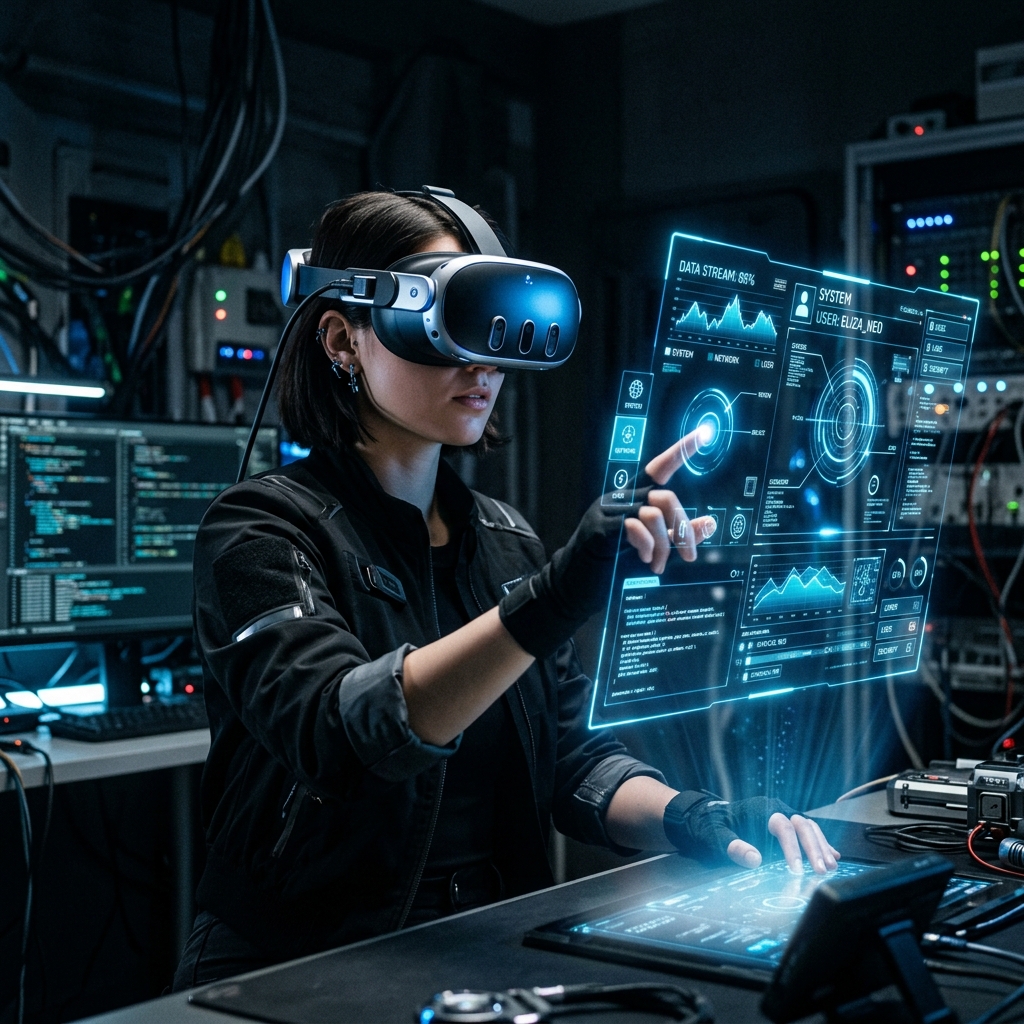
Implementing virtual reality in physiotherapy requires careful planning and execution. Follow these steps to create an effective VR rehabilitation program:
- Assess patient needs and goals.
- Select appropriate VR hardware and software based on those needs.
- Design customized rehabilitation exercises and scenarios.
- Train staff on the use of VR technology.
- Monitor patient progress using data collected from VR sessions.
- Adjust the rehabilitation plan based on performance metrics and patient feedback.
DomineTec Tip: Always ensure devices are properly sanitized before and after patient use to maintain hygiene. For more tech tips, consider how to backup iPhone to computer without iCloud.
Challenges and Considerations
Despite the advantages, challenges exist when integrating VR into physiotherapy. High costs for equipment could limit accessibility for some facilities.
Moreover, not all patients may adapt well to VR technology, necessitating thorough assessments prior to implementation.
Future Trends in VR Physiotherapy
The future of virtual reality in physiotherapy looks promising. Advances in haptic feedback technology will enhance the realism of VR environments.
Furthermore, integration with AI could lead to more personalized rehabilitation programs, adapting in real-time to patient performance.
Conclusion
Virtual reality in physiotherapy represents a significant advancement in motoring rehabilitation. By offering engaging, customizable, and safe environments, VR can greatly improve patient outcomes and satisfaction.
As technology continues to evolve, the potential for VR in physiotherapy will expand, paving the way for innovative treatment approaches that enhance recovery for patients.
Benefits of Virtual Reality in Physiotherapy
A utilização da realidade virtual na fisioterapia oferece uma série de benefícios significativos para pacientes em reabilitação motora. Entre os principais, destacam-se a motivação aumentada e a personalização do tratamento.
Enhanced Patient Engagement
A realidade virtual transforma as sessões de fisioterapia em experiências imersivas, aumentando o engajamento do paciente. Isso pode resultar em uma maior adesão ao tratamento e melhores resultados a longo prazo.
Customizable Rehabilitation Programs
Os programas de reabilitação podem ser adaptados às necessidades individuais de cada paciente, permitindo um tratamento mais eficaz. A personalização é crucial para atender diferentes níveis de habilidade e objetivos de recuperação.
Real-Time Feedback and Progress Tracking
A tecnologia de realidade virtual permite que os pacientes recebam feedback em tempo real sobre seu desempenho. Isso ajuda a monitorar o progresso e ajustar os exercícios conforme necessário.
Reducing Pain and Anxiety
Estudos mostram que a realidade virtual pode ajudar a reduzir a dor e a ansiedade durante as sessões de fisioterapia. A imersão em ambientes virtuais pode distrair os pacientes de suas experiências dolorosas.
Case Studies: Success Stories in VR Physiotherapy
Vários estudos de caso demonstram o sucesso da realidade virtual na reabilitação motora. Esses relatos inspiradores destacam como a tecnologia pode transformar vidas.
Challenges and Limitations of VR in Physiotherapy
Apesar dos benefícios, a implementação da realidade virtual na fisioterapia enfrenta desafios. Questões como custo, acessibilidade e necessidade de treinamento especializado são algumas das limitações a serem consideradas.
The Future of Virtual Reality in Physiotherapy
O futuro da realidade virtual na fisioterapia parece promissor, com inovações contínuas em tecnologia e métodos de tratamento. Espera-se que a integração de IA e machine learning melhore ainda mais a eficácia das intervenções.
Integrating VR with Traditional Physiotherapy Techniques
A combinação de realidade virtual com técnicas tradicionais de fisioterapia pode potencializar os resultados. Essa abordagem híbrida pode oferecer uma experiência de reabilitação mais completa e eficaz.
Training Physiotherapists in VR Technology
É essencial que os fisioterapeutas sejam treinados no uso de tecnologias de realidade virtual. A formação adequada garantirá que eles possam utilizar essas ferramentas de maneira eficaz e segura.
Cost-Effectiveness of VR in Rehabilitation
A análise de custo-benefício da realidade virtual na reabilitação é um tópico em crescimento. Embora os custos iniciais possam ser altos, os benefícios a longo prazo podem justificar o investimento.
Patient Testimonials and Experiences
Depoimentos de pacientes que utilizaram realidade virtual em sua reabilitação mostram resultados positivos. Essas experiências pessoais podem ajudar a motivar outros a considerar essa abordagem inovadora.
Conclusion: Embracing Innovation in Physiotherapy
A adoção da realidade virtual na fisioterapia representa um avanço significativo na reabilitação motora. À medida que a tecnologia continua a evoluir, espera-se que mais pacientes se beneficiem dessa abordagem inovadora.
Introduction to Virtual Reality in Physiotherapy
Virtual reality (VR) is revolutionizing the field of physiotherapy by providing immersive environments for motor rehabilitation. This technology allows patients to engage in therapeutic exercises that are both enjoyable and effective.
By utilizing VR headsets, such as the Oculus Quest or HTC Vive, patients can experience a range of simulated scenarios that promote movement and coordination. These engaging settings help to motivate individuals during their recovery process.
As VR technology continues to advance, its applications in physiotherapy are becoming more diverse, offering tailored experiences that cater to the specific needs of each patient. This innovative approach is paving the way for improved outcomes in motor rehabilitation.
Benefits of VR in Motor Rehabilitation
One of the primary benefits of using VR in motor rehabilitation is the ability to create personalized therapy sessions. Patients can practice movements in a controlled environment, which can significantly enhance their confidence and willingness to participate.
Additionally, VR allows for real-time feedback, enabling therapists to monitor progress and adjust exercises accordingly. This immediate response fosters a more dynamic and engaging rehabilitation experience.
Moreover, the gamification of rehabilitation through VR can lead to increased adherence to therapy regimens. Patients are more likely to engage in their exercises when they are presented in a fun and interactive format.
Types of VR Exercises for Patients
Various VR exercises are designed specifically for motor rehabilitation, targeting different aspects of mobility and coordination. For instance, balance training can be enhanced through virtual environments that challenge patients to maintain stability.
Fine motor skills can also be improved using VR simulations that require precise hand movements, such as virtual object manipulation. These exercises can be tailored to the patient's abilities, ensuring a gradual progression in difficulty.
Furthermore, VR can facilitate group therapy sessions, where patients can interact with others in a virtual space. This social aspect can boost motivation and create a sense of community among individuals undergoing similar rehabilitation journeys.
Challenges and Considerations
While the integration of VR in physiotherapy offers numerous advantages, there are challenges to consider. One significant concern is the accessibility of VR technology, as not all clinics may have the resources to implement these systems.
Additionally, some patients may experience discomfort or motion sickness when using VR headsets, which can hinder their ability to participate fully in therapy. It is crucial for therapists to assess each patient's tolerance and adjust the VR experience accordingly.
Finally, ongoing research is needed to establish standardized protocols for VR use in rehabilitation. This will ensure that therapists can effectively integrate VR into their practice while maximizing patient outcomes.
The Future of VR in Physiotherapy
The future of virtual reality in physiotherapy looks promising, with continuous advancements in technology and research. Innovations such as augmented reality (AR) may also complement VR, offering even more interactive rehabilitation experiences.
As VR becomes more mainstream, it is likely that more clinics will adopt this technology, making it accessible to a broader range of patients. This increased availability can significantly enhance the quality of care in physiotherapy.
Ultimately, the integration of VR in motor rehabilitation has the potential to transform traditional therapy practices, leading to improved patient engagement and better recovery outcomes. The journey towards a more immersive and effective rehabilitation experience is just beginning.
Discover more valuable tech guides from DomineTec to elevate your setup, such as the buyer comparison on how to buy Meta Quest 3 or learn the direct steps to backup iPhone to computer without iCloud.
Frequently Asked Questions
What is Virtual Reality (VR) in physiotherapy?
Virtual Reality in physiotherapy refers to the use of VR technology to create immersive environments that assist in the rehabilitation process for patients, particularly those recovering from motor impairments.
How does VR assist in motor rehabilitation?
VR assists in motor rehabilitation by providing engaging and interactive exercises that help patients improve their motor skills, coordination, and strength in a controlled and motivating environment.
What are the benefits of using VR for patients in rehabilitation?
The benefits of using VR for patients include increased motivation, enhanced engagement in therapy, real-time feedback on performance, and the ability to simulate real-world scenarios for practice.
Are there specific conditions that VR can help treat?
Yes, VR can help treat various conditions, including stroke recovery, traumatic brain injuries, spinal cord injuries, and other motor function impairments.
Is VR therapy safe for all patients?
While VR therapy is generally safe, it may not be suitable for all patients. A thorough assessment by a healthcare professional is necessary to determine if VR is appropriate based on individual health conditions.




