Virtual Reality in Physiotherapy: Motoring Rehabilitation and VR Uses
Virtual Reality in Physiotherapy: Motoring Rehabilitation and VR Uses
Virtual reality is revolutionizing the field of physiotherapy, particularly in motoring rehabilitation and various therapeutic uses. This technology enhances patient engagement, optimizes rehabilitation processes, and provides therapists with innovative tools for assessment and treatment.
In physiotherapy, VR creates immersive environments that facilitate rehabilitation exercises. These virtual settings allow patients to perform movements in a safe space, crucial for recovery from injuries or surgeries.
Benefits of Virtual Reality in Physiotherapy
Integrating virtual reality in physiotherapy offers numerous advantages. Key benefits include enhanced motivation, real-time feedback, and customizable rehabilitation programs.
Patients often feel more engaged when using VR technology, leading to improved adherence to rehabilitation protocols. The immersive nature of VR can also distract from pain, making exercises more tolerable.
Applications of VR in Motor Rehabilitation
Motor rehabilitation through VR is particularly effective for stroke recovery, traumatic brain injury, and orthopedic rehabilitation. Each application leverages interactivity to promote motor learning.
For stroke patients, VR environments can simulate real-life activities, allowing for practice in a controlled space. This repetition is vital for neural plasticity and regaining motor function.
VR Technologies in Use
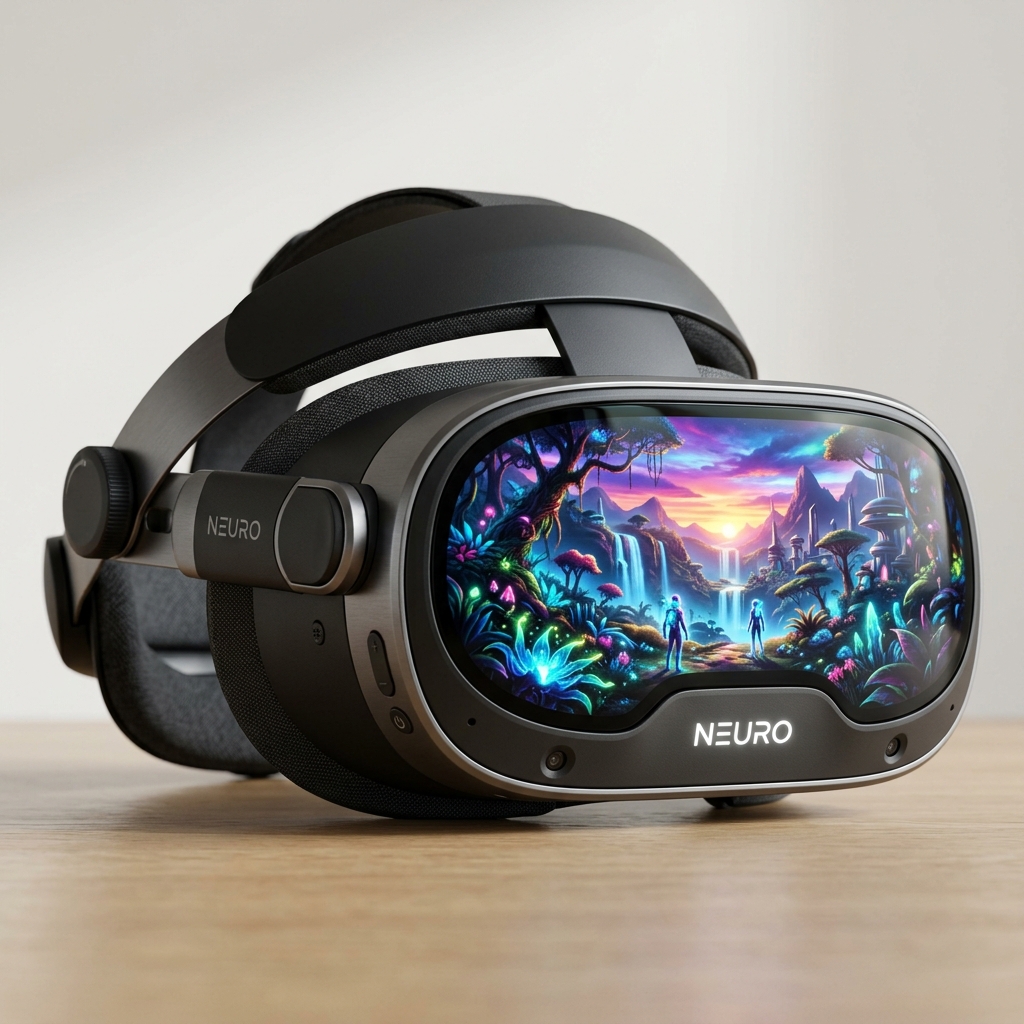
Different VR technologies can be used in physiotherapy, each with unique specifications and functionalities. The following table compares several popular VR headsets ideal for therapeutic applications.
| Model | Resolution | Field of View | Tracking | Price |
|---|---|---|---|---|
| Meta Quest 3 | 2064 x 2208 per eye | 110 degrees | Inside-out 6DoF | $499 |
| Meta Quest 2 | 1832 x 1920 per eye | 90 degrees | Inside-out 6DoF | $299 |
| HTC Vive Focus 3 | 2448 x 2448 per eye | 100 degrees | Inside-out 6DoF | $1,000 |
| Valve Index | 1440 x 1600 per eye | 130 degrees | External 6DoF | $999 |
| PlayStation VR2 | 2000 x 2040 per eye | 110 degrees | Inside-out 6DoF | $549 |
| Apple Vision Pro | 23 million pixels total | 120 degrees | Inside-out 6DoF | $3,499 |
Implementing VR in Physiotherapy Practices
To effectively integrate VR into physiotherapy practices, a structured approach is beneficial. Below is a step-by-step checklist for implementing VR technology.
- Assess patient needs and rehabilitation goals.
- Select appropriate VR hardware based on patient requirements.
- Choose software that aligns with therapeutic objectives.
- Train staff on operating VR systems and software.
- Monitor patient responses and progress continuously.
- Adjust rehabilitation plans based on feedback and outcomes.
DomineTec Tip: Explore innovative methods and tools to enhance patient engagement, including how to backup iPhone to computer without iCloud for seamless data management.
Evaluating the Effectiveness of VR in Physiotherapy
Evaluating the effectiveness of VR in physiotherapy involves comparing traditional methods with VR interventions. Research indicates that patients using VR technology often demonstrate improved functional outcomes and increased satisfaction.
Collecting data on patient performance, adherence rates, and overall satisfaction can provide insights into the technology's impact. Continuous assessment allows for timely adjustments to rehabilitation strategies.
Challenges and Considerations
Despite the many advantages, challenges exist when implementing VR in physiotherapy. Costs, accessibility, and the need for specialized training can pose barriers.
Ensuring that therapy remains patient-centered is crucial. Patients should be involved in discussions about the use of VR and how it can enhance their rehabilitation experience.
Future Trends in VR and Physiotherapy
As technology evolves, future trends in VR for physiotherapy may include advancements in artificial intelligence, improved hardware, and more immersive experiences. These enhancements will likely lead to personalized rehabilitation programs tailored to individual needs.
Moreover, the integration of gamification elements within VR can further elevate patient engagement and motivation during rehabilitation sessions.
Conclusion
Virtual reality in physiotherapy is a transformative approach for motoring rehabilitation and various therapeutic uses. By embracing this technology, physiotherapists can significantly enhance patient outcomes and improve the overall rehabilitation experience.
Frequently Asked Questions
What is Virtual Reality in Physiotherapy?
Virtual reality in physiotherapy refers to the use of immersive technology to facilitate rehabilitation exercises and therapies, enhancing patient engagement and outcomes.
How does VR benefit motor rehabilitation?
VR provides a safe and controlled environment for patients to practice movements, which is crucial for recovery and motor learning.
What are the best VR headsets for physiotherapy?
Popular choices include the Meta Quest 3, HTC Vive Focus 3, and PlayStation VR2, each offering unique features suitable for therapeutic applications.
Are there any risks associated with using VR in therapy?
Potential risks include motion sickness, discomfort, and the need for proper monitoring to avoid injury during VR exercises.
How can therapists stay updated on VR advancements?
Therapists can attend workshops, follow industry publications, and participate in online forums to stay informed about the latest VR technologies and methodologies.
Understanding Virtual Reality in Physiotherapy
Virtual reality (VR) is revolutionizing physiotherapy by providing immersive experiences that enhance rehabilitation. This technology allows patients to engage in therapeutic exercises within a controlled, virtual environment.
Physiotherapists can tailor VR experiences to meet individual needs, making therapy more engaging and effective. This personalized approach can lead to improved outcomes and faster recovery times.
Benefits of VR for Motor Rehabilitation
VR offers numerous benefits for motor rehabilitation, including increased motivation and adherence to therapy. Patients often find the immersive nature of VR more enjoyable compared to traditional rehabilitation methods.
By simulating real-world scenarios, VR helps patients practice motor skills in a safe environment, allowing for gradual progression. This can lead to enhanced muscle memory and improved coordination.
Commercial VR Headsets for Physiotherapy
Several commercial VR headsets are currently shaping the landscape of physiotherapy, including the Oculus Quest 2 and HTC Vive Pro. These devices provide high-quality graphics and motion tracking, creating an effective rehabilitation tool.
With features like wireless connectivity and room-scale tracking, these headsets enable patients to move freely while engaging in therapeutic exercises. This flexibility enhances the overall rehabilitation experience.
Integrating VR into Traditional Therapy
Integrating VR into traditional physiotherapy can provide a more holistic approach to rehabilitation. By combining hands-on techniques with immersive VR experiences, therapists can address both physical and psychological aspects of recovery.
This blended approach can lead to greater patient satisfaction and improved long-term results. Patients often report feeling more empowered and engaged throughout their rehabilitation journey.
VR Applications for Specific Conditions
Various VR applications are being designed for specific conditions, such as stroke recovery and sports injuries. These applications focus on targeted motor skills, helping patients regain function and independence.
By using gamified experiences, patients can practice essential movements while enjoying the process. This not only aids in recovery but also helps reduce feelings of frustration often associated with rehabilitation.
Future Trends in VR and Physiotherapy
The future of VR in physiotherapy looks promising, with ongoing advancements in technology and treatment methodologies. As VR becomes more accessible, more patients are likely to benefit from these innovative therapies.
Research continues to explore the efficacy of VR in various rehabilitation scenarios, paving the way for new applications and improved patient outcomes. This evolving field holds great potential for enhancing recovery processes.
Challenges and Considerations for VR Implementation
Despite its many benefits, implementing VR in physiotherapy comes with challenges, including cost and accessibility. Ensuring that therapists are trained to use VR effectively is crucial for maximizing its impact on patient care.
Additionally, considering the individual needs and preferences of patients is essential. Not all patients may respond positively to VR, making it important to have a range of therapeutic options available.
Virtual Reality in Physiotherapy: Motoring Rehabilitation and VR Uses
Virtual Reality (VR) has emerged as a transformative tool in the field of physiotherapy, particularly in the area of motoring rehabilitation. By creating immersive environments, VR can enhance patient engagement and improve therapeutic outcomes.
The Role of VR in Physiotherapy
Physiotherapy involves the rehabilitation of patients through physical methods, and VR serves to augment these methods by providing interactive scenarios. This technology allows patients to practice motor skills in a safe and controlled environment.
Benefits of VR in Rehabilitation
- Enhanced Engagement: VR immerses patients in engaging environments, which can motivate them to participate actively in their rehabilitation.
- Real-time Feedback: Patients receive immediate feedback on their movements, helping them correct their techniques and improve their performance.
- Customizable Experiences: VR programs can be tailored to individual patient needs, allowing for personalized rehabilitation plans.
- Safe Environment: Patients can practice potentially risky movements without fear of injury, promoting confidence and skill development.
Applications of VR in Motor Rehabilitation
VR has several applications in motor rehabilitation, particularly for patients recovering from strokes, injuries, and surgeries. These applications range from simple exercises to complex simulations that replicate real-world challenges.
VR Exercises for Motor Skill Development
VR applications often include exercises designed to improve specific motor skills. These exercises may involve reaching, grasping, or balancing, and can be adjusted in difficulty as the patient's abilities improve.
Popular VR Platforms for Physiotherapy
| VR Headset | Features | Price Range |
|---|---|---|
| Oculus Quest 2 | All-in-one, wireless, high-resolution display | $299 |
| HTC Vive Pro 2 | High-resolution, precise tracking, wide field of view | $799 |
| Valve Index | High refresh rate, finger tracking controllers | $999 |
| Pico G2 4K | Standalone, 4K display, comfortable design | $449 |
Case Studies of VR in Physiotherapy
Several case studies have demonstrated the effectiveness of VR in physiotherapy settings. These studies highlight improved recovery times and enhanced patient satisfaction.
Case Study 1: Stroke Rehabilitation
In a study involving stroke patients, VR was used to create exercises that encouraged movement in affected limbs. Results showed that patients using VR technology had significantly improved motor function compared to traditional rehabilitation methods.
Case Study 2: Post-Surgical Recovery
Patients recovering from knee surgeries utilized VR to engage in physical therapy exercises. The immersive nature of VR led to higher levels of adherence to rehabilitation protocols, resulting in faster recovery times.
Challenges in Implementing VR in Physiotherapy
Despite its many advantages, there are challenges in integrating VR into physiotherapy practices. These include costs, training requirements, and technological barriers.
Cost Considerations
The initial investment in VR equipment can be significant, which may deter some clinics from adopting the technology. However, the potential for improved outcomes may offset these costs over time.
Training for Therapists
Therapists must be trained to effectively use VR technology within their practice. This training involves not only understanding the technology but also learning how to integrate it with existing therapeutic techniques.
Future Directions for VR in Physiotherapy
Looking ahead, the use of VR in physiotherapy is expected to grow as technology advances. Innovations in software and hardware will likely enhance the effectiveness of VR applications.
Integration with AI
Future VR systems may integrate artificial intelligence to personalize therapy sessions further. AI can analyze patient performance and adapt exercises in real-time, providing a tailored rehabilitation experience.
Development of New Therapeutic Games
The creation of new VR games specifically designed for rehabilitation will provide more engaging and effective exercises. These games can be designed to target specific motor skills and keep patients motivated.
Conclusion
Virtual Reality stands at the forefront of innovation in physiotherapy, particularly in motoring rehabilitation. As technology evolves, the integration of VR into rehabilitation practices promises to enhance patient care and improve outcomes.




