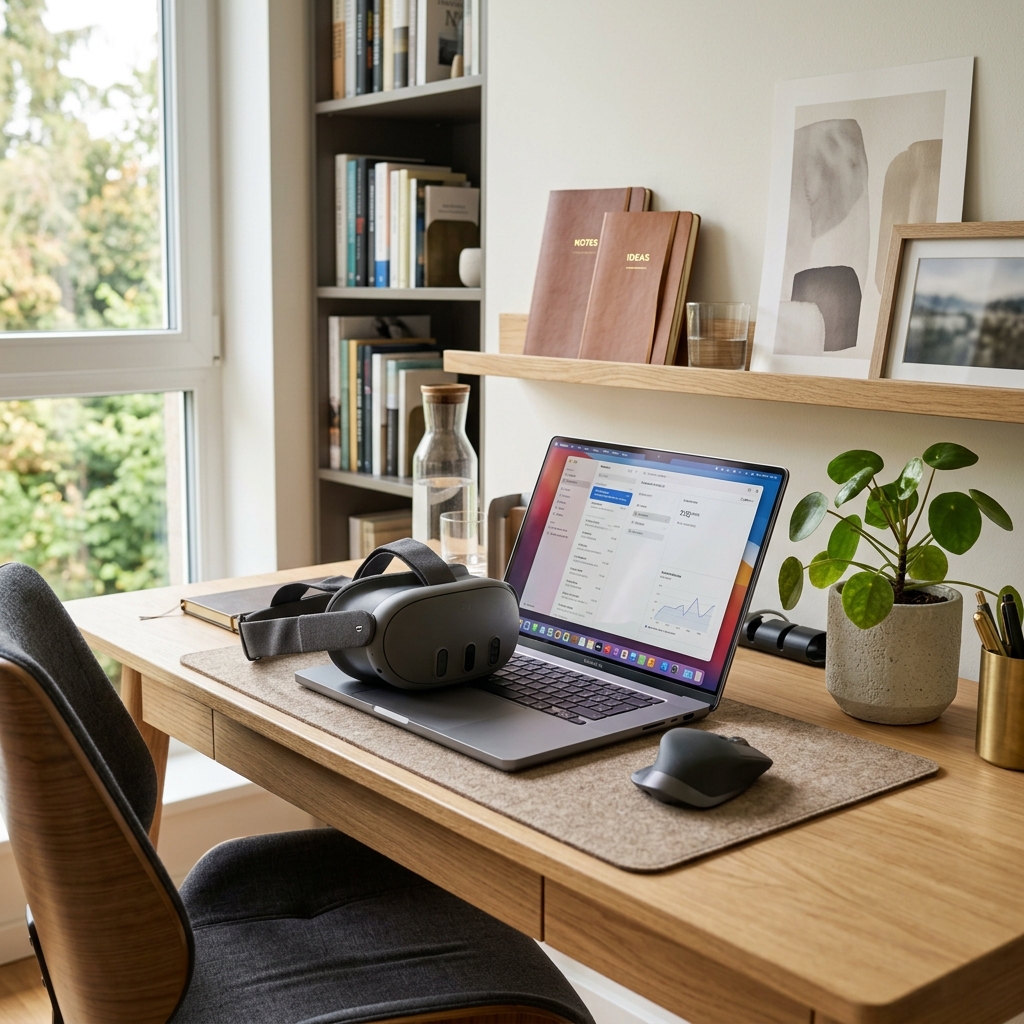
VR Headset Price Comparison: Models, Costs and Value
VR headset price comparison can provide valuable insights when choosing the right device for immersive experiences. This article outlines various models available on the market, their costs, and the value they offer.
Understanding VR Headset Costs
The price of VR headsets varies significantly based on features, quality, and brand reputation. This comparison will help identify which options provide the best cost-to-value ratio.
Detailed Comparison of Popular VR Headsets
| Model | Price (USD) | Resolution | Refresh Rate | Field of View | Type |
|---|---|---|---|---|---|
| Meta Quest 3 | $499 | 2064 x 2208 per eye | 120 Hz | 110 degrees | Standalone |
| Meta Quest 2 | $299 | 1832 x 1920 per eye | 90 Hz | 90 degrees | Standalone |
| Apple Vision Pro | $3,499 | 2304 x 3480 per eye | 60 Hz | 120 degrees | Mixed Reality |
| PlayStation VR2 | $549 | 2000 x 2040 per eye | 120 Hz | 110 degrees | Console |
| Valve Index | $999 | 1440 x 1600 per eye | 144 Hz | 130 degrees | PC |
| HTC Vive Pro 2 | $799 | 2448 x 2448 per eye | 120 Hz | 120 degrees | PC |
Evaluating Value for Money
When assessing various VR headsets, several factors determine their overall value. These include resolution, refresh rate, and the type of usage intended.
Key Specifications to Consider
- Resolution: Higher resolutions provide clearer images.
- Refresh Rate: A higher refresh rate ensures smoother motion.
- Field of View: A wider field of view enhances immersion.
- Type: Determine whether a standalone, console, or PC VR headset suits best.
DomineTec Tip: When selecting a VR headset, consider additional accessories like the best portable USB-C monitor for an enhanced experience.
Buying Checklist for VR Headsets
- Determine the purpose (gaming, professional use, etc.).
- Set a budget based on the desired features.
- Research the latest models and their specifications.
- Read user reviews to gauge real-world performance.
- Consider if additional equipment is necessary, such as controllers or sensors.
Current Market Trends
The VR headset market is rapidly evolving. Recently, there has been a significant push toward standalone devices that do not require a PC.
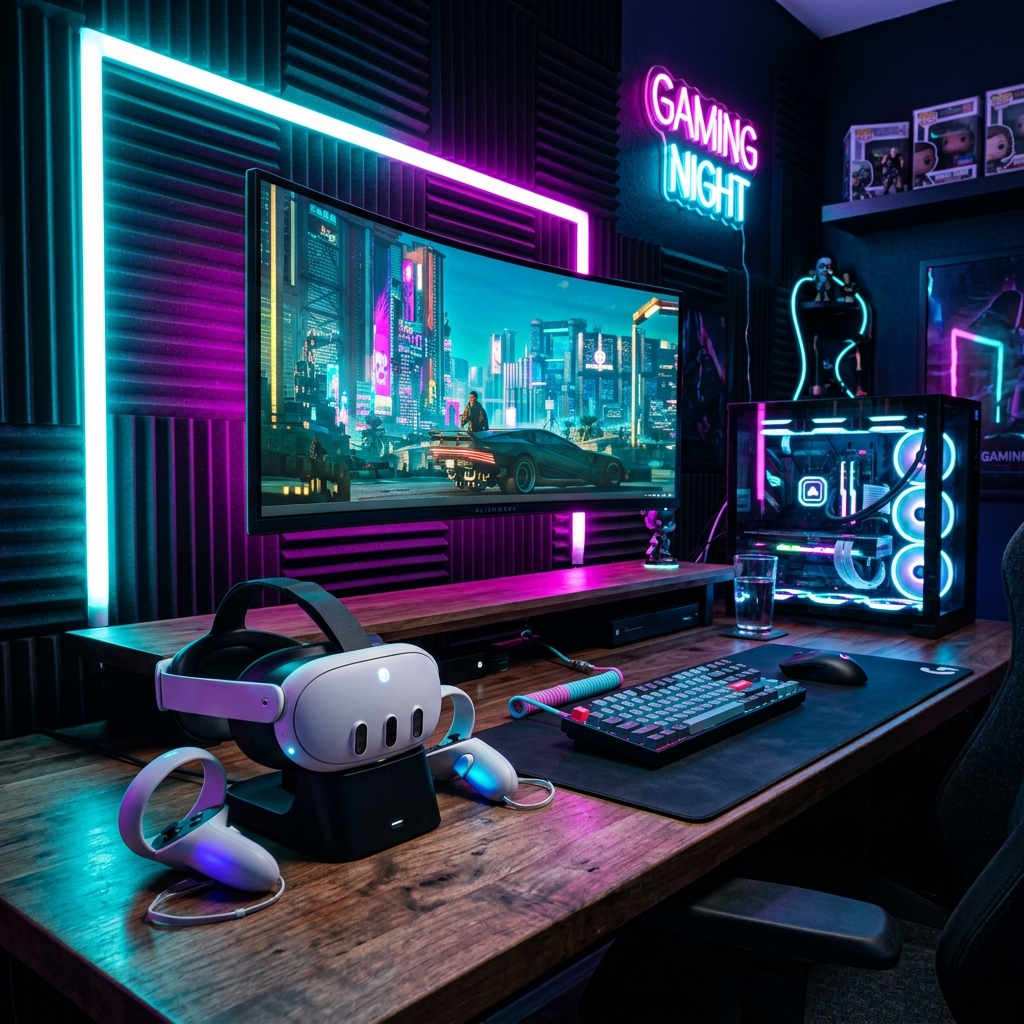
Standalone headsets like the Meta Quest series are becoming more popular due to their accessibility and ease of use. They offer a good balance between performance and price.
Future of VR Headset Technology
Advancements in technology are likely to influence VR headset prices and features significantly. Expect improvements in resolution and comfort in upcoming models.

As more consumers embrace virtual reality, competition among manufacturers will likely lead to more affordable options without sacrificing quality. Keeping track of these developments is essential for potential buyers.
Frequently Asked Questions
1. What is the average price of a VR headset?
The average price ranges from $299 for entry-level models to $3,499 for high-end mixed reality headsets.
2. Which VR headset offers the best value?
The Meta Quest 2 is often regarded as the best value due to its affordability and solid performance.
3. Are standalone headsets better than PC-based ones?
Standalone headsets offer convenience and portability, while PC-based headsets typically provide better graphics and performance.
4. How often should VR headsets be replaced?
VR headsets typically last several years, but advancements may prompt upgrades sooner for new features.
5. Can VR headsets be used for non-gaming applications?
Yes, VR headsets are increasingly used for professional training, educational purposes, and virtual meetings.
Understanding VR Headset Pricing
VR headset prices vary widely based on features and performance. Entry-level models can be found for as low as $200, while high-end devices may exceed $1,000.
Factors influencing price include display resolution, tracking capabilities, and included accessories. Knowing these aspects can help in making an informed decision.
Entry-Level VR Headsets
Entry-level VR headsets like the Oculus Quest 2 offer an affordable way to experience virtual reality. Priced around $299, this model provides a standalone experience without needing a powerful gaming PC.
Such headsets are perfect for casual users and those new to VR. Their lower price point does not compromise on essential features like hand tracking and a decent display.
Mid-Range VR Options
The PlayStation VR2 represents a compelling mid-range option, priced around $549. It offers enhanced graphics and a wide array of games, making it an attractive choice for gamers.
This headset features improved tracking and haptic feedback, elevating the gaming experience. Mid-range headsets typically strike a balance between quality and affordability.
High-End VR Headsets
For enthusiasts, high-end models like the Valve Index are available at around $999. This headset is known for its exceptional build quality and advanced tracking technology.
Investing in a high-end headset often results in superior graphics and a more immersive experience. These models are geared towards serious gamers and developers looking for cutting-edge performance.
Comparing Features and Costs
When comparing VR headsets, it is essential to examine features such as field of view, refresh rate, and compatibility. These specifications significantly impact the overall experience.
Price comparison websites can be helpful in identifying the best deals across various retailers. This ensures that you get the best value for your investment.
Deals and Discounts on VR Headsets
Occasionally, retailers offer significant discounts on VR headsets during sales events. Black Friday and Cyber Monday are particularly good times to find deals.
Watching for promotional offers can lead to substantial savings, especially on mid-range and high-end models. Signing up for newsletters can keep you informed about upcoming sales.
The Value of VR Headsets
Determining the value of a VR headset involves considering how often it will be used and the experiences it offers. A higher-priced model might be justified for dedicated users.
Additionally, the variety of available content can enhance value, as more games and applications become available. Investing in a headset with a robust library ensures long-term enjoyment.
Future Trends in VR Pricing
The VR market is rapidly evolving, and prices are expected to fluctuate as technology advances. Emerging models may offer better performance at competitive prices over time.
Staying informed about industry trends can help in making timely purchasing decisions. As competition increases, consumers may benefit from more options at various price points.
VR Headset Price Comparison: Models, Costs and Value
Virtual reality (VR) headsets have gained immense popularity in recent years, offering immersive experiences for gaming, education, and training. The market is filled with various models, each with distinct features and price points, making it essential to compare options before making a purchase.
Popular VR Headset Models
- Oculus Quest 2
- HTC Vive Pro 2
- PlayStation VR2
- Valve Index
- Pico Neo 3 Link
Understanding Costs
The price of VR headsets can vary significantly based on the technology used, features, and brand reputation. Entry-level headsets may start around $299, while high-end models can exceed $1,000.
Entry-Level Headsets
Entry-level VR headsets are designed for casual users and typically offer a good balance of performance and affordability. The Oculus Quest 2 is a prime example, offering a standalone experience without the need for a powerful gaming PC.
| Model | Price | Key Features |
|---|---|---|
| Oculus Quest 2 | $299 | Standalone, wireless, 1832 x 1920 resolution per eye |
| Pico Neo 3 Link | $499 | Standalone, 4K resolution, SteamVR compatible |
Mid-Range Headsets
Mid-range VR headsets often offer enhanced performance and features for a more immersive experience. The HTC Vive Pro 2 is an example of a mid-range option that requires a gaming PC but offers superior graphics and tracking.
| Model | Price | Key Features |
|---|---|---|
| HTC Vive Pro 2 | $799 | 5K resolution, wide field of view, external sensors |
| Valve Index | $999 | High refresh rate, precise tracking, comfortable design |
High-End Headsets
High-end VR headsets are designed for enthusiasts and professionals, providing unparalleled performance and capabilities. These models often come with advanced features such as eye tracking and superior audio quality.
| Model | Price | Key Features |
|---|---|---|
| HTC Vive Pro 2 | $799 | 5K resolution, wide field of view, external sensors |
| Valve Index | $999 | High refresh rate, precise tracking, comfortable design |
Value for Money
When considering the value of a VR headset, it is crucial to assess the features against the price. A more expensive headset may offer features that justify the cost, such as enhanced resolution and better tracking capabilities.
It's also important to consider the software ecosystem associated with each headset. Some platforms offer more games and applications, which can enhance the overall VR experience.
Cost vs. Features Comparison
A detailed comparison of costs versus features can help consumers make informed decisions. Here is a summary of key aspects to consider:
- Resolution: Higher resolution provides clearer images.
- Field of View: A wider field of view enhances immersion.
- Refresh Rate: Higher refresh rates lead to smoother experiences.
- Comfort: Ergonomics play a vital role in extended use.
Additional Costs to Consider
Beyond the initial purchase price of the headset, there may be additional costs to consider. Accessories such as controllers, external sensors, and even compatible hardware can add to the overall expense.
Comparative Table of VR Headsets
| Model | Price | Resolution | Field of View | Refresh Rate |
|---|---|---|---|---|
| Oculus Quest 2 | $299 | 1832 x 1920 | 90 degrees | 90 Hz |
| HTC Vive Pro 2 | $799 | 2448 x 2448 | 120 degrees | 120 Hz |
| PlayStation VR2 | $549 | 2000 x 2040 | 110 degrees | 120 Hz |
| Valve Index | $999 | 1440 x 1600 | 130 degrees | 144 Hz |
| Pico Neo 3 Link | $499 | 3664 x 1920 | 90 degrees | 90 Hz |
Conclusion
Choosing the right VR headset involves balancing between price, features, and intended use. By comparing different models and understanding the associated costs, consumers can make informed decisions that suit their needs.
The VR landscape continues to evolve, with advancements in technology leading to better performance and affordability. Keeping an eye on market trends can help users find the best deals and options available.
Comparing Standalone vs. Tethered VR Headsets
Choosing between standalone and tethered VR headsets can greatly impact the overall experience. Standalone models, like the Meta Quest 2, offer portability and ease of use, while tethered options, such as the Valve Index, provide enhanced graphics through powerful PC connections.
Standalone headsets are perfect for casual users seeking quick access to VR without the hassle of cables. In contrast, tethered headsets often deliver superior performance, making them a favorite among serious gamers and developers.
Ultimately, the choice boils down to personal preference and intended use. Evaluating the pros and cons of each type will help users make an informed decision based on their needs.
Popular VR Accessories to Enhance Your Experience
Investing in accessories can significantly enhance the VR experience. Items like the Oculus Touch controllers provide intuitive hand tracking, while external sensors, such as the HTC Vive Base Station, improve positional accuracy.
For those who enjoy longer sessions, comfortable VR headsets like the HP Reverb G2 offer adjustable straps and cushioned fittings. Additionally, specialized VR gloves can increase immersion by allowing users to interact more naturally with virtual environments.
Exploring different accessories can transform a standard VR experience into something extraordinary. Users should consider their budget and preferences when selecting the right add-ons for their setup.
The Future of VR Headset Pricing Trends
The VR headset market is evolving rapidly, and pricing trends are likely to shift as technology advances. As competition increases, brands such as Sony with its PlayStation VR2 and Oculus are expected to offer more affordable options without compromising on quality.
Emerging technologies, like improved display resolutions and lighter materials, are driving costs down. This trend may lead to a more diverse range of products at various price points, catering to both casual users and enthusiasts alike.
Keeping an eye on market trends can help consumers make smart purchasing decisions. Future advancements in VR technology promise exciting possibilities and even better value for users.




