Virtual Reality in Civil Aviation: Training Commercial Pilots with VR (Flight Simulation Pro Course Training School)
Virtual Reality in Civil Aviation: Training Commercial Pilots with VR
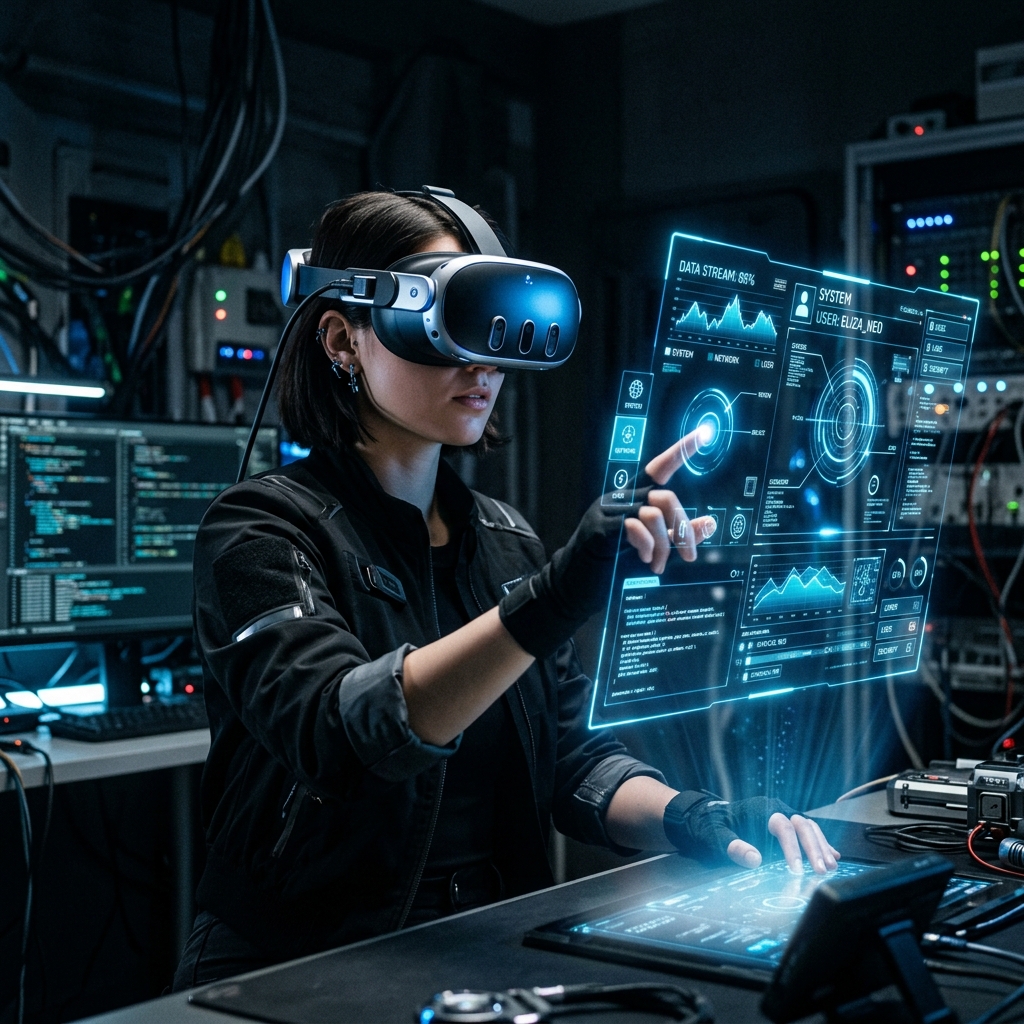
The integration of Virtual Reality (VR) in civil aviation is revolutionizing the way commercial pilots are trained. Traditional flight simulators have long provided essential training, but VR has taken this concept to new heights, offering immersive and interactive experiences.
Flight Simulation Pro Course Training Schools are embracing this technology, enabling aspiring pilots to gain valuable skills in a controlled, yet highly realistic environment. Through VR, pilots can experience various flight scenarios, enhancing their decision-making and situational awareness.

Advantages of VR in Pilot Training
Several advantages emerge when adopting VR technology for pilot training. First, the ability to simulate real-world flying conditions can significantly reduce the time and cost associated with traditional training methods.
Second, VR provides a safer environment for pilots to practice emergency procedures. Trainees can experience critical situations without the risk of real-world consequences.
Comparison of Commercial VR Headsets
| Headset Model | Resolution | Field of View | Refresh Rate | Price |
|---|---|---|---|---|
| Meta Quest 3 | 2064 x 2208 per eye | 110 degrees | 120 Hz | $499 |
| Valve Index | 1440 x 1600 per eye | 130 degrees | 120 Hz | $999 |
| HTC Vive Pro 2 | 2448 x 2448 per eye | 120 degrees | 120 Hz | $799 |
| Pico Neo 3 | 3664 x 1920 per eye | 105 degrees | 90 Hz | $699 |
Enhancing Training Efficiency
VR technology allows for tailored training experiences. Instructors can customize scenarios to match the specific needs of each trainee. This adaptability ensures that all aspects of a pilot's training are addressed, from basic maneuvers to advanced emergency procedures.
Furthermore, the immediate feedback provided during VR sessions helps trainees understand their performance. This instant evaluation is crucial for skill development in high-pressure situations.
The Future of Pilot Training
The future of pilot training is bright with the continued advancement of VR technology. As hardware improves, the realism of training scenarios will only enhance. This innovation will prepare pilots better than ever before, ensuring safety and efficiency in air travel.
Moreover, VR training can be conducted remotely, allowing trainees to practice from anywhere in the world. This flexibility is particularly beneficial for those balancing work and training commitments.

Conclusion
The adoption of Virtual Reality in civil aviation heralds a new era in pilot training. With comprehensive, immersive experiences, pilots are better equipped to handle the complexities of flying. As technology progresses, the potential for VR in aviation training is limitless.
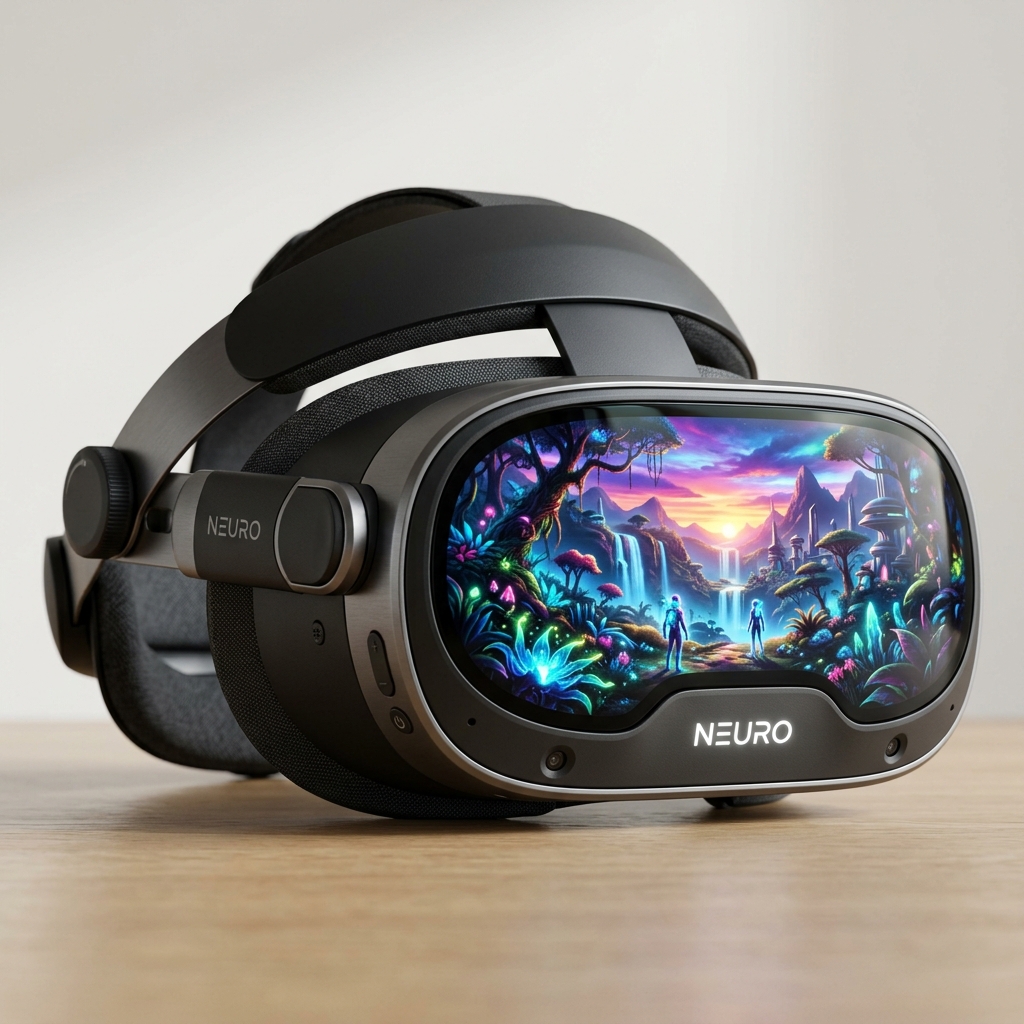
For those interested in enhancing their VR experience, consider exploring options like the Meta Quest 3. This headset provides a powerful platform for various applications, including aviation training.

FAQ
What is Virtual Reality in pilot training?
Virtual Reality in pilot training refers to the use of immersive technology to simulate flying scenarios, allowing trainees to practice in a safe and controlled environment.
How does VR enhance pilot training efficiency?
VR enhances pilot training efficiency by providing customizable scenarios, immediate feedback, and a realistic training environment that can adapt to individual needs.
Are there any risks associated with VR pilot training?
While VR training is generally safe, it is essential to ensure that trainees are properly briefed and monitored during sessions to mitigate any potential disorientation or discomfort.
What are the benefits of VR over traditional flight simulators?
VR offers more immersive experiences, greater adaptability in training scenarios, and can be conducted remotely, making it a more convenient option for many trainees.
Can VR training replace traditional flight training?
While VR training offers many benefits, it is not meant to completely replace traditional flight training. Both methods should be integrated for comprehensive pilot education.
Introduction to Virtual Reality in Civil Aviation
Virtual reality (VR) technology is revolutionizing the training landscape for commercial pilots. By immersing trainees in realistic flight scenarios, VR enhances learning and retention of critical skills.
This innovative approach allows pilots to experience various flight conditions without the risks associated with traditional training methods. As a result, VR is rapidly becoming an essential tool in aviation education.
Benefits of VR Flight Simulators
VR flight simulators offer a cost-effective solution for pilot training, minimizing the need for expensive aircraft usage. This efficiency allows for more flight hours to be logged in a shorter time frame.
Additionally, VR training can be customized to simulate various aircraft types and emergency situations. This versatility ensures that pilots are well-prepared for real-world challenges.
Enhanced Learning Experience
The immersive nature of VR creates an engaging learning environment that increases focus and retention. Pilots can practice maneuvers repeatedly, solidifying their skills without the pressure of actual flight.
Furthermore, the interactive elements of VR allow for instant feedback and performance analysis. This feature accelerates the learning process, enhancing overall proficiency.
Integration with Existing Training Programs
VR training can seamlessly integrate into existing pilot training curricula, supplementing traditional methods. This hybrid approach combines the advantages of hands-on experience with cutting-edge technology.
Realistic Scenarios and Emergency Training
Virtual reality enables the simulation of a wide range of flying scenarios, including adverse weather conditions and system failures. Pilots can practice emergency procedures in a safe environment, enhancing their decision-making skills.
Cost Efficiency and Accessibility
Implementing VR training can significantly reduce costs associated with traditional flight training methods. This affordability makes aviation training more accessible to aspiring pilots worldwide.
Future Trends in VR for Aviation Training
The future of VR in aviation training is poised for growth, with advancements in technology leading to more sophisticated simulations. Innovations such as haptic feedback and AI-driven scenarios will further enhance the training experience.
Conclusion: The New Era of Pilot Training
Virtual reality is transforming pilot training by providing immersive, engaging, and safe learning experiences. This technology not only enhances skill acquisition but also prepares pilots for real-world challenges.
Virtual Reality in Civil Aviation
Virtual reality (VR) technology has revolutionized various industries, and civil aviation is no exception. The integration of VR into pilot training offers an innovative approach to developing essential skills in a controlled and safe environment.
Benefits of VR in Pilot Training
Utilizing VR for training commercial pilots has numerous advantages. These benefits include enhanced realism, cost-effectiveness, and increased training efficiency.
- Enhanced Realism: VR simulations provide immersive environments that closely mimic real flight conditions. This realism helps pilots gain confidence and experience in handling different scenarios.
- Cost-Effectiveness: Traditional flight training can be expensive due to aircraft maintenance and fuel costs. VR reduces these expenses significantly by allowing pilots to train in a virtual setting.
- Increased Training Efficiency: VR can accelerate the learning process. Pilots can learn at their own pace and repeat scenarios as often as needed without additional costs.
How VR Flight Simulation Works
VR flight simulation involves the use of advanced technologies to create realistic flying experiences. High-quality graphics and immersive sound create a sense of presence and realism in the simulation.
VR systems utilize head-mounted displays (HMDs) and motion tracking to provide an interactive experience. Pilots can look around the virtual cockpit and interact with controls as they would in a real aircraft.
Popular VR Training Systems
Several VR training systems are currently leading the market in aviation. Each system offers unique features tailored to enhance pilot training.
| VR System | Features | Price Range |
|---|---|---|
| HTC Vive Pro | High-resolution displays, precise motion tracking, and a wide field of view. | $1,200 - $1,400 |
| Oculus Quest 2 | Standalone VR headset, wireless operation, and vast library of flight simulation software. | $299 - $399 |
| Valve Index | High refresh rate, excellent audio quality, and finger-tracking controllers. | $999 - $1,099 |
Flight Simulation Pro Course Training School
Flight Simulation Pro Course Training School is at the forefront of integrating VR technology into their curriculum. The school utilizes cutting-edge VR systems to provide comprehensive training for aspiring commercial pilots.
Students at Flight Simulation Pro have access to a variety of VR scenarios that cover everything from basic maneuvers to complex emergency procedures. This hands-on approach ensures that trainees develop both technical skills and decision-making abilities.
Curriculum Overview
The curriculum at Flight Simulation Pro is designed to maximize the benefits of VR technology. It includes several key components that are crucial for pilot training.
- Ground School Training: Theoretical knowledge is imparted through interactive VR lessons, covering topics such as aerodynamics, navigation, and regulations.
- Simulator Training: Pilots engage in realistic flight scenarios, practicing everything from takeoffs to landings in various weather conditions.
- Emergency Procedures: Trainees learn to manage in-flight emergencies, including engine failures and system malfunctions, in a safe virtual environment.
Real-World Applications of VR Training
The use of VR in pilot training not only prepares students for flying but also equips them for real-world challenges. Graduates of Flight Simulation Pro are often better prepared to handle the complexities of modern aviation.
Airlines are increasingly recognizing the value of VR-trained pilots. These pilots are often more adept at using advanced cockpit technologies and managing high-stress situations.
Feedback and Assessment
Feedback mechanisms are integral to the training process at Flight Simulation Pro. Instructors can assess pilot performance in real-time and provide immediate feedback through the VR platform.
This continuous assessment helps trainees identify areas for improvement and develop their skills more effectively. It also encourages a culture of growth and learning.
Future of VR in Civil Aviation
The future of VR in civil aviation looks promising. As technology advances, the potential applications for VR training will continue to expand.
Innovations such as artificial intelligence and machine learning could further enhance VR training environments, providing even more personalized and adaptive learning experiences for pilots.
Conclusion: Embracing VR for Pilot Training
In conclusion, virtual reality is transforming the landscape of pilot training. The benefits of VR technology, combined with the innovative curriculum at institutions like Flight Simulation Pro, are setting new standards in aviation education.
As the aviation industry continues to evolve, embracing VR will be essential for developing skilled and capable pilots ready to meet the challenges of modern flight operations.
Benefits of VR in Pilot Training
Virtual Reality (VR) technology offers numerous advantages in pilot training, enhancing both learning and retention. It provides an immersive environment that simulates real-world scenarios, enabling trainees to experience complexities without the associated risks.
The ability to repeat training scenarios helps pilots build confidence and refine their skills. VR allows for the practice of emergency procedures and unusual situations that are seldom encountered in traditional training.
Moreover, VR training can be conducted at any time, making it a flexible option for busy schedules. This adaptability ensures that pilots can continually hone their skills and stay prepared for any flight situation.
Popular VR Flight Simulation Models
Several VR flight simulation models are leading the market, each offering unique features tailored for pilot training. The Oculus Quest 2 is celebrated for its affordability and high-resolution displays, making it accessible for both schools and individual learners.
The HTC Vive Pro, known for its superior tracking capabilities, is another excellent choice, providing an immersive experience with precise motion tracking. These models facilitate realistic cockpit simulations that contribute significantly to pilot proficiency.
Additionally, the Pimax 8K X offers an expansive field of view, enhancing the immersive experience. Such cutting-edge technology elevates training effectiveness and prepares pilots for real-life flying conditions.
The Future of VR in Aviation Training
The future of VR in aviation holds incredible possibilities, with technology evolving rapidly. Innovations such as artificial intelligence and machine learning are expected to enhance simulation environments, offering personalized training experiences.
As more aviation schools integrate VR into their curricula, the accessibility of high-quality training will increase. This trend not only lowers costs but also provides a wider range of training scenarios that can be practiced safely.
In the long term, VR may become a standard component in pilot training programs globally. The fusion of VR with traditional methods promises to create more competent and confident pilots ready for the skies.