Virtual Reality in Civil Aviation: Training Commercial Pilots with VR (Flight Simulation Pro Course Training)
Virtual Reality in Civil Aviation: Training Commercial Pilots with VR
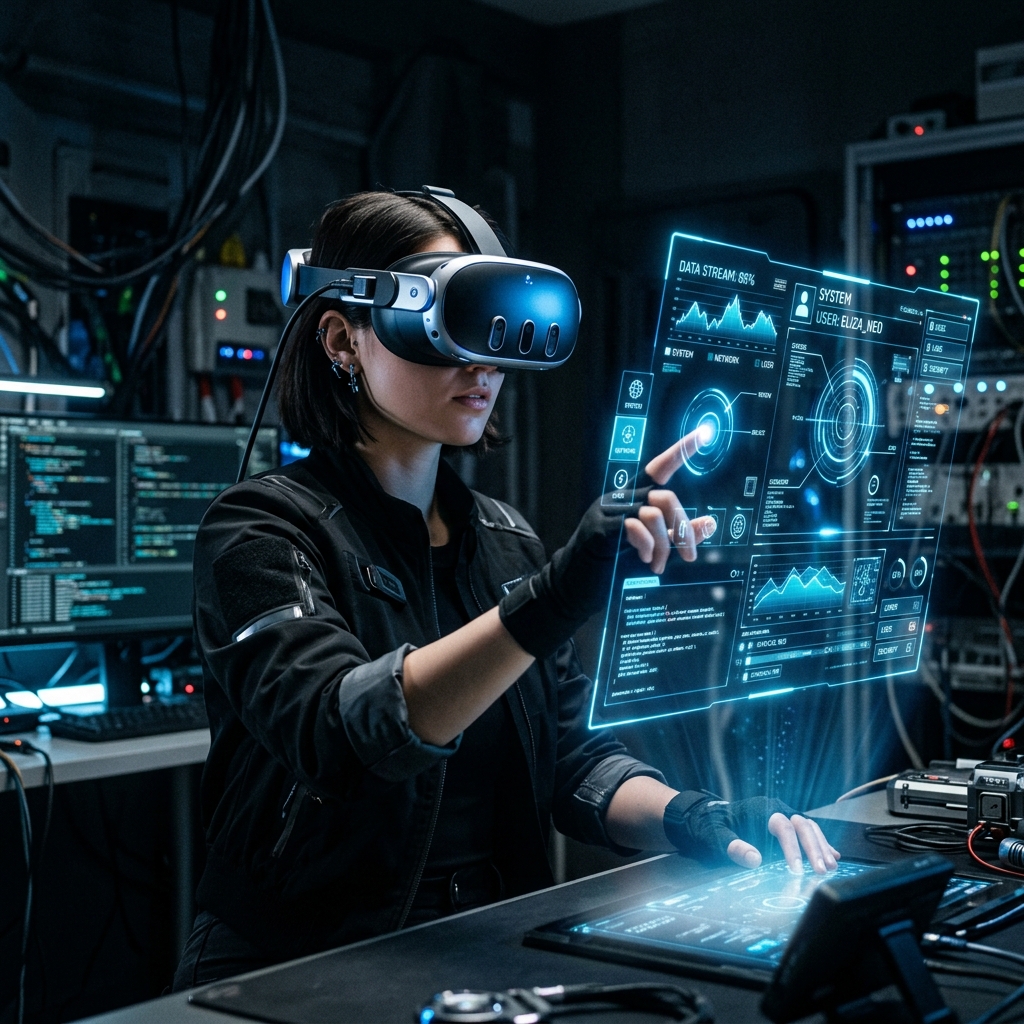
The aviation industry is constantly evolving, and virtual reality (VR) is at the forefront of this transformation. VR technology presents a unique opportunity to enhance the training of commercial pilots, making it more effective, engaging, and accessible.
Flight simulation has long been a cornerstone of pilot training. However, traditional methods often lack the immersive experience that VR can provide. By integrating VR into pilot training, a more realistic and interactive environment is created, enabling pilots to prepare for various scenarios they may encounter in real life.

The Advantages of VR in Pilot Training
Utilizing VR technology offers several advantages over conventional training methods. First, it allows for safe practice in high-stress situations without the risks associated with actual flight. Pilots can experience emergency scenarios, adverse weather conditions, and system failures in a controlled environment.
Moreover, VR training can be conducted anywhere, reducing the need for physical flight simulators and enabling flexible training schedules. This accessibility can significantly lower costs associated with pilot training.
Flight Simulation Pro Course Training
The Flight Simulation Pro Course Training leverages cutting-edge VR technology to provide comprehensive training solutions for commercial pilots. This course is designed to cover a wide array of essential skills, from basic maneuvers to complex emergency procedures.
Participants can interact with realistic cockpit environments, gaining hands-on experience that traditional training methods may not offer. The immersive nature of VR helps in retaining information and improving decision-making skills under pressure.
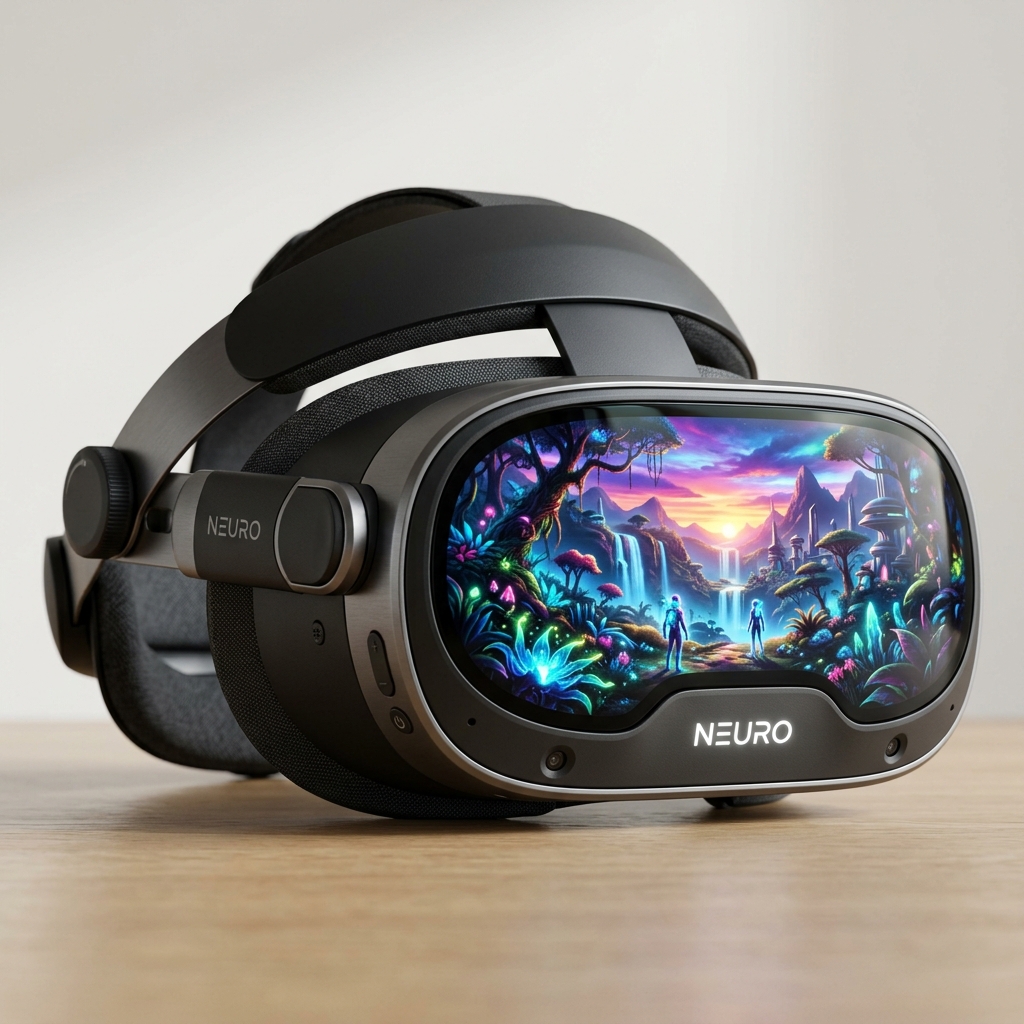
Comparison of Leading VR Headsets for Pilot Training
| VR Headset | Resolution | Field of View | Refresh Rate | Price |
|---|---|---|---|---|
| Meta Quest 3 | 2064 x 2208 per eye | 110 degrees | 120 Hz | Buy Meta Quest 3 |
| Valve Index | 1440 x 1600 per eye | 130 degrees | 144 Hz | $999 |
| HTC Vive Pro 2 | 2448 x 2448 per eye | 120 degrees | 120 Hz | $799 |
| Pimax 8K X | 3840 x 2160 per eye | 200 degrees | 75 Hz | $1299 |
| Oculus Rift S | 2560 x 1440 | 110 degrees | 80 Hz | $399 |

Implementing VR in Training Programs
Integrating VR into training programs requires careful planning and execution. Institutions must invest in suitable hardware and software, as well as ensure instructors are trained to use these technologies effectively.
Instructors play a crucial role in guiding pilots through VR simulations, providing feedback and support to enhance the learning experience. The combination of instructor-led training and VR can create a powerful educational tool.

Future of VR in Civil Aviation Training
The future of VR in civil aviation training looks promising. As technology continues to advance, the capabilities of VR simulations will expand, offering even more realistic training environments.
Additionally, the potential for remote training and collaborative simulations will allow pilots from around the world to train together, sharing experiences and best practices. This evolution could lead to a new standard in pilot education.
Frequently Asked Questions
What are the benefits of using VR for pilot training?
VR provides a safe environment for pilots to practice emergency scenarios, enhances engagement, and allows for training flexibility.
Which VR headsets are recommended for pilot training?
Popular choices include Meta Quest 3, Valve Index, and HTC Vive Pro 2, each offering unique specifications suited for training.
Can VR training replace traditional flight simulators?
While VR can complement traditional simulators, it is not intended to completely replace them. Both methods have their strengths.
How does VR improve decision-making skills?
The immersive experience of VR helps pilots practice real-time decision-making under pressure, simulating real-life scenarios effectively.
Is VR training cost-effective?
Yes, VR training can reduce costs by minimizing the need for physical equipment and enabling remote training options.
The Evolution of Flight Training
Virtual reality has revolutionized flight training, providing innovative solutions to traditional methods. This technology allows for immersive experiences that enhance learning and retention.
With VR, aspiring pilots can practice in varied scenarios that simulate real-world flying conditions. This adaptability ensures comprehensive training without the risks associated with actual flight.
Benefits of VR Training for Pilots
VR training offers significant cost savings compared to conventional flight simulation. Expenses related to fuel, maintenance, and aircraft wear are drastically reduced.
Additionally, pilots can train at their convenience, eliminating scheduling conflicts often found in traditional flight schools. This flexibility fosters a more efficient learning environment.
Realistic Flight Simulation Experiences
Modern VR headsets, such as the Meta Quest 2 and the HP Reverb G2, deliver high-quality visuals and realistic flight dynamics. These devices enhance immersion, making training sessions more effective.
Advanced software integrates real-time weather changes and emergency scenarios, offering a lifelike experience. This realism prepares pilots for virtually any situation they may encounter in the cockpit.
Enhancing Cognitive Skills Through VR
Virtual reality training sharpens cognitive skills essential for pilots, such as spatial awareness and decision-making. Engaging in complex scenarios helps develop critical thinking under pressure.
The interactive nature of VR encourages active learning, allowing pilots to make mistakes in a safe environment. This approach fosters better preparedness for actual flying challenges.
Accessibility and Inclusivity in Pilot Training
VR technology democratizes access to flight training, making it available to a broader audience. Individuals who may have previously faced barriers can now pursue their dreams of becoming a pilot.
By eliminating geographical constraints, aspiring pilots from remote areas can access high-quality training programs online. This inclusivity is transforming the aviation industry.
Integration with Traditional Training Methods
Virtual reality is not meant to replace traditional training, but to complement it. A hybrid approach combines the strengths of both methods for a more rounded education.
Instructors can leverage VR simulations for theoretical lessons, followed by practical flight experience in actual aircraft. This synergy maximizes learning outcomes for commercial pilots.
Future of VR in Civil Aviation
The future of VR in civil aviation looks promising as technology continues to advance. Innovations in hardware and software will further enhance the training experience.
As industries embrace these developments, pilots will benefit from increasingly sophisticated simulations that prepare them for the complexities of modern aviation. The evolution is just beginning.
Industry Adoption and Trends
Major airlines and flight schools are recognizing the advantages of VR training, leading to widespread adoption. This trend reflects a commitment to improving pilot training efficiency and effectiveness.
As more organizations invest in VR technology, the aviation industry will likely see a shift in training standards. This change can lead to safer skies and more competent pilots globally.
Introduction to Virtual Reality in Civil Aviation
Virtual reality (VR) is becoming an essential tool in various sectors, including civil aviation. It offers innovative training solutions for commercial pilots, enhancing their skills and preparedness.
The Role of VR in Pilot Training
VR technology provides realistic flight simulations that replicate real-world flying conditions. This immersive experience allows pilots to practice various scenarios without the risks associated with actual flight.
Benefits of VR Flight Simulation
- Cost-Effective Training: VR reduces the costs associated with traditional flight training, such as fuel and aircraft maintenance.
- Enhanced Learning Experience: Pilots can engage in interactive scenarios that improve retention and understanding of complex concepts.
- Safe Environment: Trainees can experience emergency situations and adverse weather conditions without any actual danger.
- Accessibility: VR training can be conducted anywhere, providing flexibility for busy schedules.
Popular VR Headsets for Flight Simulation
Various VR headsets are available that cater to the needs of pilot training. Below is a comparison table of some of the most popular VR headsets.
| VR Headset | Resolution | Field of View | Price Range |
|---|---|---|---|
| Oculus Quest 2 | 1832 x 1920 per eye | 90 degrees | $299 - $399 |
| HTC Vive Pro 2 | 2448 x 2448 per eye | 120 degrees | $799 - $1399 |
| Valve Index | 1440 x 1600 per eye | 130 degrees | $999 |
| Pimax 8K X | 3840 x 2160 per eye | 200 degrees | $1299 |
Flight Simulation Pro Course Training Overview
The Flight Simulation Pro Course Training utilizes VR technology to provide an intensive training program for aspiring pilots. This course offers a comprehensive curriculum designed to enhance both technical skills and situational awareness.
Course Structure
The training is divided into several modules that cover critical areas of flight operations. Each module incorporates VR scenarios to ensure a hands-on learning experience.
- Module 1: Basics of Flight - Introduction to aircraft systems and aerodynamics.
- Module 2: Navigation and Flight Planning - Understanding flight routes, navigation aids, and flight planning techniques.
- Module 3: Emergency Procedures - Training on handling in-flight emergencies and malfunctions.
- Module 4: Weather Conditions - Simulations of various weather scenarios and their impact on flight operations.
- Module 5: Advanced Maneuvers - Practicing complex flight maneuvers in a controlled environment.
VR Simulation Scenarios
One of the key features of VR training is the ability to create realistic flight scenarios. These scenarios prepare pilots for real-world challenges.
Types of Scenarios
- Takeoff and Landing: Pilots can practice various techniques for safe takeoffs and landings in diverse conditions.
- Navigation Challenges: Simulating navigation through congested airspaces and unfamiliar airports.
- Emergency Situations: Experiencing engine failures, system malfunctions, and adverse weather conditions to improve decision-making.
- Night Flying: Training under low visibility conditions to enhance skills necessary for nighttime operations.
Assessment and Feedback
Continuous assessment is a vital part of the training process. Trainees receive immediate feedback on their performance in VR simulations.
Performance Metrics
- Flight Accuracy: Evaluating the precision of navigation and control during simulations.
- Response Time: Measuring how quickly pilots respond to emergencies and unexpected scenarios.
- Situational Awareness: Assessing how well trainees maintain awareness of their surroundings and make informed decisions.
The Future of VR in Pilot Training
The future of VR technology in civil aviation looks promising. Continuous advancements in hardware and software are likely to enhance the training experience further.
Potential Developments
- Increased Realism: Future VR systems may incorporate haptic feedback and improved graphics for a more immersive experience.
- Artificial Intelligence: AI can be utilized to create adaptive training scenarios that adjust to a pilot's skill level and learning pace.
- Integration with Traditional Training: Combining VR with traditional flight training methods for a more comprehensive learning approach.
Conclusion
Virtual reality is transforming the landscape of pilot training in civil aviation. By providing safe, cost-effective, and immersive training solutions, VR technology is preparing the next generation of commercial pilots to handle the complexities of modern aviation.
Further Resources
For those interested in exploring VR flight training further, several resources are available:
- Federal Aviation Administration (FAA)
- European Union Aviation Safety Agency (EASA)
- Aviation Supplies & Academics (ASA)
- FlightSafety International
Benefits of Virtual Reality in Pilot Training
Virtual Reality (VR) offers a unique, immersive experience that enhances the learning process for aspiring pilots. This technology enables students to engage in realistic flight scenarios without the associated risks of actual flying.
By utilizing VR platforms like the Oculus Quest 2 and HTC Vive Pro, trainees can practice emergency procedures and complex maneuvers in a controlled environment. This not only builds confidence but also accelerates the learning curve significantly.
The ability to repeat simulations as often as needed allows for mastery of difficult skills. As a result, pilots emerge better prepared for real-world flying situations, improving overall safety in civil aviation.
Integration of VR with Traditional Training Methods
Combining VR technology with traditional flight training methods creates a comprehensive educational experience. Instructors can utilize VR sessions to reinforce lessons learned in the cockpit, enhancing retention and understanding.
For instance, while a student practices in a real aircraft, VR can be employed to simulate adverse weather conditions or system failures. This dual approach helps prepare pilots for a wide range of possible scenarios they may encounter during their careers.
The Future of VR in Aviation Training
The future of VR in aviation training looks promising, with continuous advancements in technology. Emerging platforms like Varjo XR-3 and Microsoft HoloLens are setting new standards for realism and interactivity in flight simulations.
As these technologies evolve, they will likely incorporate more sophisticated haptic feedback systems, making simulations even more lifelike. This will further enhance the training experience, allowing pilots to develop a deeper understanding of aircraft dynamics.