Virtual Reality in Civil Aviation: Training Commercial Pilots with VR (Flight Simulation Pro Course)
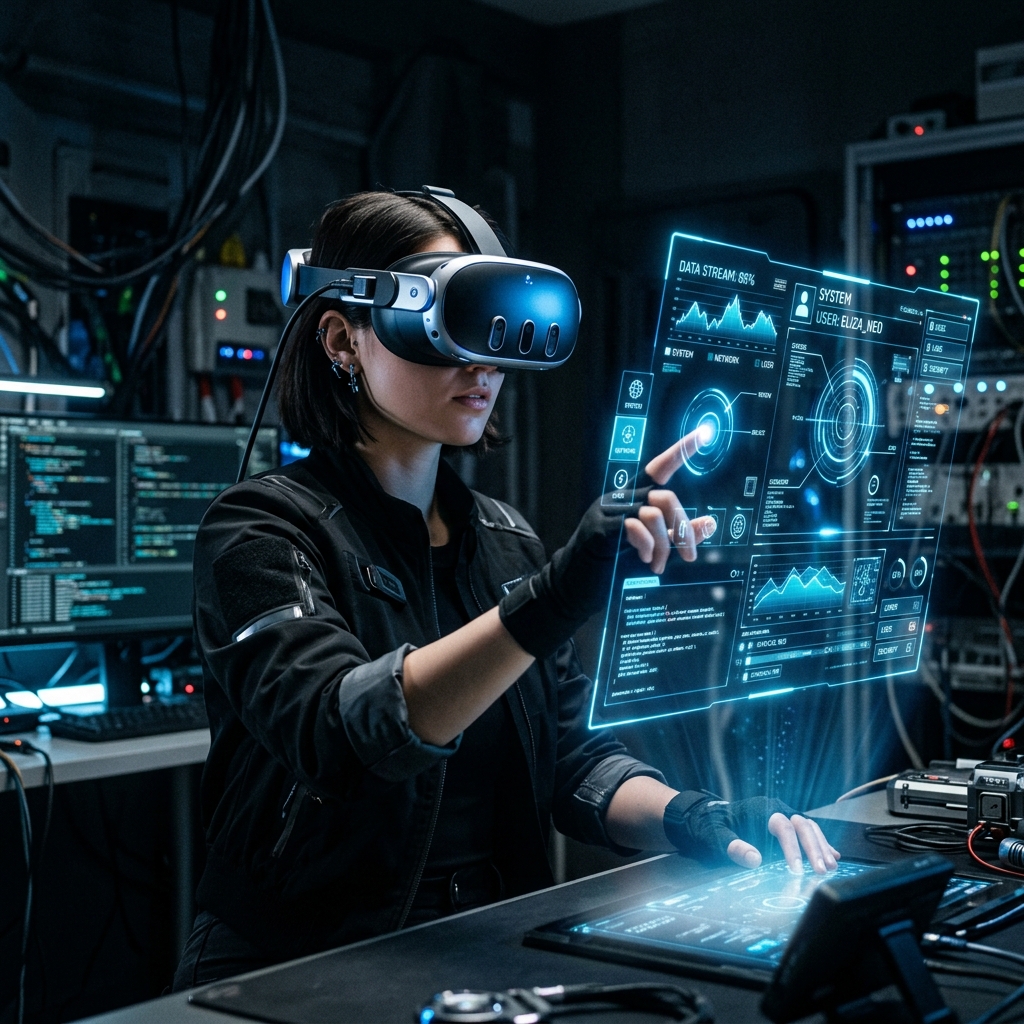
Virtual Reality in Civil Aviation: Training Commercial Pilots with VR
The aviation industry is undergoing a remarkable transformation with the integration of Virtual Reality (VR) technology. VR is enhancing training methodologies, offering an immersive and engaging experience for commercial pilot training.
Flight simulation courses utilizing VR are becoming increasingly popular. They provide aspiring pilots with the opportunity to engage in realistic flight scenarios without the inherent risks associated with traditional flight training.

Benefits of VR in Pilot Training
One of the primary advantages of VR in pilot training is the ability to simulate various flight conditions. This includes adverse weather, system failures, and emergency situations, all of which can be safely practiced in a controlled environment.
Additionally, VR training is cost-effective. It reduces the need for expensive flight hours and allows for repeated practice of specific maneuvers, leading to better skill retention.
Flight Simulation Pro Course Overview
The Flight Simulation Pro Course leverages cutting-edge VR technology to enhance pilot training. This course offers comprehensive modules that cover everything from basic flight maneuvers to complex emergency procedures.
Participants can navigate through a range of scenarios, allowing them to build confidence and competence before stepping into a real cockpit.
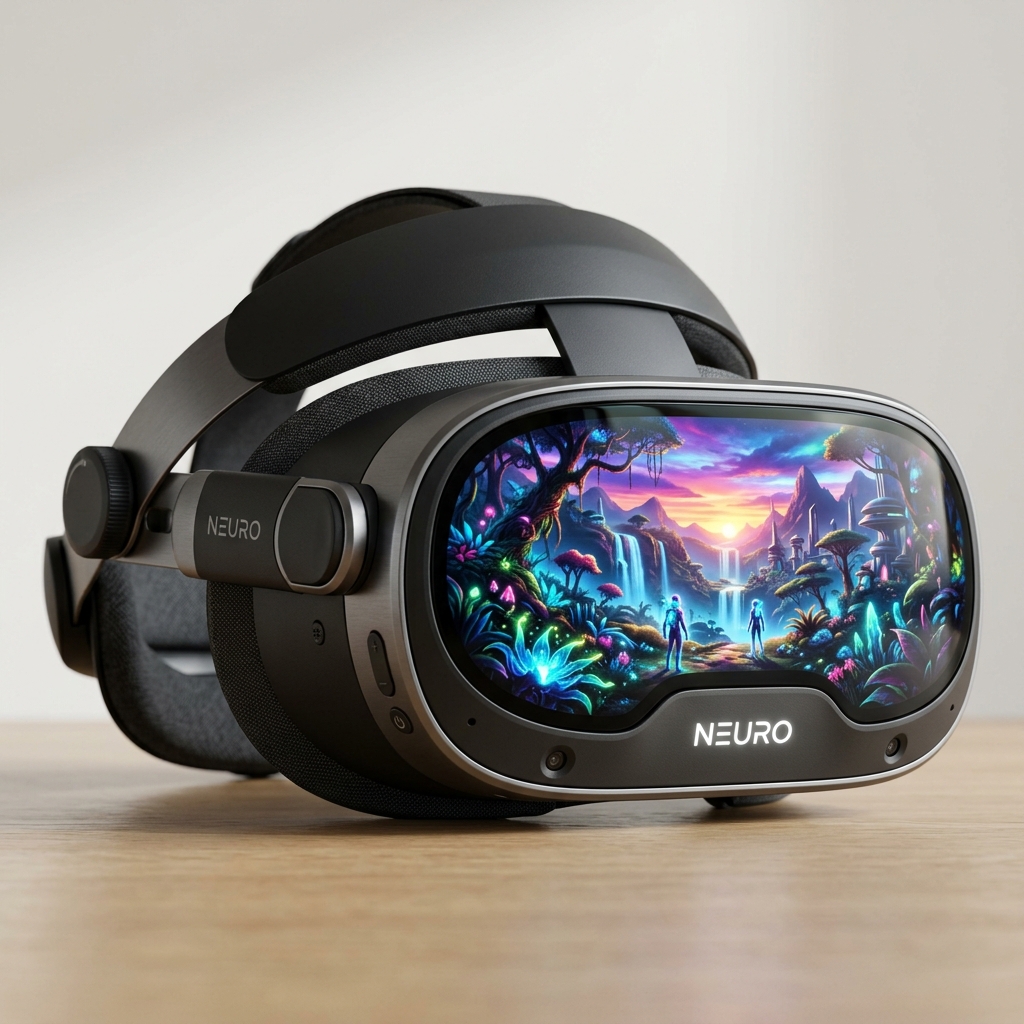
Comparison of VR Headsets for Flight Training
| Headset | Resolution | Field of View | Refresh Rate | Price |
|---|---|---|---|---|
| Meta Quest 3 | 2064 x 2208 per eye | 110 degrees | 120 Hz | Check Price |
| HTC Vive Pro 2 | 2448 x 2448 per eye | 120 degrees | 120 Hz | $799 |
| Valve Index | 1440 x 1600 per eye | 130 degrees | 144 Hz | $999 |
| Pimax 8K X | 3840 x 2160 per eye | 200 degrees | 75 Hz | $1299 |
| Oculus Rift S | 2560 x 1440 | 110 degrees | 80 Hz | $399 |
Interactive Learning Experiences
VR technology enables interactive learning environments where pilots can practice and refine their skills. Scenarios can be adjusted in real-time based on performance feedback, allowing for a personalized training experience.

Moreover, VR can enhance cognitive skills such as decision-making and situational awareness. Trainees can face high-pressure situations that mimic real-life challenges faced during flights.
The Future of VR in Aviation Training
The future of VR in aviation training looks promising. With ongoing advancements in technology, the realism and effectiveness of VR simulations are expected to improve significantly.
As the industry embraces digital transformation, VR is poised to become an integral part of pilot training programs worldwide. This evolution will not only streamline the training process but also elevate safety standards in aviation.
Frequently Asked Questions
What is the main advantage of using VR for pilot training?
VR allows pilots to experience realistic flight scenarios in a safe environment, helping them practice high-stakes situations without the risks associated with real flights.
How does the Flight Simulation Pro Course work?
This course uses VR technology to simulate various flight conditions, allowing participants to build their skills through immersive training modules.
Are VR headsets expensive?
The price of VR headsets can vary widely. There are affordable options available, while high-end models may cost significantly more.
Can VR training replace actual flight training?
While VR training is incredibly beneficial, it is designed to complement traditional flight training rather than replace it. Real-life experience is still crucial for pilot certification.
What are the requirements for VR pilot training?
Typically, participants need access to a VR headset and a compatible computer system. Specific courses may have additional requirements based on their curriculum.
Introduction to Virtual Reality in Aviation Training
Virtual reality (VR) is revolutionizing the way commercial pilots are trained. By simulating real-world flying scenarios, VR enhances the learning experience and improves skills retention.
The immersive nature of VR allows trainees to experience cockpit environments without leaving the ground, providing a safe space for practice and learning. This technology is becoming an essential component of modern aviation education.
Benefits of VR Flight Simulations
Training with VR significantly reduces costs associated with traditional flight training, such as fuel and aircraft maintenance. It also minimizes the risks involved in training new pilots.
VR simulations offer a variety of weather conditions and emergency situations that can be practiced repeatedly. This versatility prepares pilots for a range of challenges they may face in real flights.
Popular VR Headsets for Pilot Training
Leading VR headsets like the Oculus Quest 2 and the HTC Vive Pro are becoming standard tools in pilot training programs. These devices provide high-resolution visuals and precise tracking necessary for realistic flight simulation.
The Valve Index also stands out for its high refresh rate and field of view, making it suitable for detailed cockpit simulations. Each headset brings unique features that enhance the training experience.
Realistic Flight Scenarios with VR
VR training programs can replicate various flight scenarios, from standard takeoffs to complex emergency landings. This realism helps pilots develop critical decision-making skills under pressure.
Moreover, scenarios can be tailored to specific aircraft models, allowing pilots to gain familiarity with the controls and layout of their assigned aircraft. This targeted training approach enhances readiness for real-world flying.
Enhancing Learning Through Gamification
Integrating gamification elements into VR training makes learning more engaging and effective. Trainees can earn points and unlock achievements as they progress, motivating them to improve their skills.
This approach not only makes training enjoyable but also fosters a competitive spirit among peers, encouraging continuous improvement and commitment to learning. It transforms the training environment into an interactive experience.
Accessibility and Flexibility of VR Training
VR training programs can be accessed from various locations, offering flexibility to aspiring pilots. This accessibility allows for training sessions to fit into busy schedules without the need for extensive travel.
Moreover, VR enables trainees to practice at their own pace, reinforcing concepts until they are fully grasped. This self-directed learning fosters confidence and competence in flying skills.
Future Trends in VR Aviation Training
The future of virtual reality in aviation training looks promising, with advancements in technology leading to even more immersive experiences. Innovations such as haptic feedback and AI-driven simulations may soon become commonplace.
As the aviation industry continues to embrace these technologies, the training process will likely become more efficient and effective, improving pilot preparedness and safety in the skies. The evolution of VR training is set to redefine aviation education.
Conclusion: The Impact of VR on Pilot Training
The incorporation of virtual reality into pilot training has the potential to transform the aviation landscape. By providing realistic simulations and flexible learning options, VR addresses many challenges faced in traditional training methods.
Virtual Reality in Civil Aviation: Training Commercial Pilots with VR
Virtual Reality (VR) is revolutionizing the way pilots are trained in the aviation industry. By simulating real-world flying scenarios, VR provides an immersive experience that enhances learning and retention.
Benefits of VR in Pilot Training
- Cost-Effective: VR training reduces the need for expensive aircraft rentals and fuel costs.
- Safety: Trainees can practice emergency procedures without risk to life or equipment.
- Flexibility: Pilots can train anytime and anywhere, allowing for personalized learning experiences.
- Realistic Scenarios: VR offers the ability to recreate various weather conditions and emergency situations.
Popular VR Headsets for Pilot Training
The choice of VR headset plays a significant role in the training experience. Here are some of the most popular models used in flight simulation courses:
| Headset Model | Resolution | Field of View | Price Range |
|---|---|---|---|
| Oculus Quest 2 | 1832 x 1920 per eye | 90 degrees | $299 - $399 |
| HTC Vive Pro 2 | 2448 x 2448 per eye | 120 degrees | $799 - $1399 |
| Valve Index | 1440 x 1600 per eye | 130 degrees | $999 |
| Pimax 8K X | 3840 x 2160 per eye | 200 degrees | $1299 |
How VR Enhances Flight Simulation Training
Flight simulation has been a fundamental part of pilot training for decades. The integration of VR takes this established training method to new heights.
Immersive environments provided by VR can mimic cockpit layouts, aircraft controls, and even the surrounding airspace. This realism allows pilots to become familiar with their aircraft before they even step into a real cockpit.
Training Scenarios Made Possible with VR
- Emergency Landing Procedures: Trainees can practice landing in various challenging conditions.
- Navigation Skills: Pilots can enhance their navigational abilities in a risk-free environment.
- Multi-Crew Coordination: VR can simulate teamwork scenarios that require coordination among pilots.
- Adverse Weather Conditions: Training under simulated adverse weather helps prepare pilots for real-life challenges.
Integration with Flight Simulation Software
VR systems are compatible with many well-known flight simulation software options. This compatibility enables a seamless transition from traditional simulators to immersive VR training.
Popular flight simulation software that supports VR includes:
- Microsoft Flight Simulator
- Prepar3D
- X-Plane 11
- FlightGear
Challenges of Implementing VR in Pilot Training
While the advantages of VR are substantial, challenges remain in its implementation. High initial costs and the need for quality hardware can be barriers for some training institutions.
Additionally, the development of realistic simulations requires significant investment in time and resources. Ensuring that the software accurately reflects real-world flying conditions is crucial for effective training.
The Future of VR in Aviation Training
The future of VR in civil aviation is promising. As technology advances, the realism and affordability of VR training systems will likely improve.
Moreover, the integration of artificial intelligence (AI) with VR could provide personalized training experiences tailored to individual pilot needs. This evolution will further enhance the effectiveness of pilot training programs.
Case Studies of VR in Pilot Training
Several aviation schools and organizations have successfully implemented VR training programs. These case studies highlight the effectiveness of VR in preparing pilots for real-life scenarios.
- United Airlines: United has incorporated VR into their training curriculum, allowing pilots to practice critical scenarios.
- CAE: CAE, a leader in training solutions, has developed VR-based training modules for various aircraft.
- FlightSafety International: FlightSafety has integrated VR into their simulator training to enhance the learning process.
Conclusion
The integration of Virtual Reality in civil aviation training represents a significant advancement in preparing commercial pilots. By providing immersive and realistic training scenarios, VR enhances learning and retention effectively.
As technology continues to evolve, the future of pilot training will likely see even greater reliance on VR solutions. This shift promises to make aviation training more efficient, effective, and safer for aspiring pilots.
The Future of Virtual Reality in Pilot Training
As technology continues to evolve, the future of pilot training looks increasingly promising with the integration of virtual reality. Innovations in VR hardware and software are set to enhance the learning experience, making it more immersive and effective.
With VR headsets like the Oculus Quest 2 and HTC Vive Pro, trainees can experience realistic flight environments that mimic real-world scenarios. These advancements not only improve skills but also increase the retention of critical information necessary for safe flying.
The use of artificial intelligence in conjunction with VR is an exciting frontier. AI can analyze trainee performance, providing personalized feedback and adapting training modules to suit individual learning curves.
Real-World Applications of VR in Aviation
Virtual reality is not just a training tool; it's becoming a vital component in various real-world aviation scenarios. Airlines and flight schools are leveraging VR for pre-flight simulations and emergency procedure training.
Models like the Varjo VR-2 offer ultra-high-resolution visuals that help pilots practice complex maneuvers and emergency scenarios safely. This realistic approach ensures that pilots are better prepared for unexpected situations in actual flights.
Additionally, VR is being used to train cabin crew members, enhancing their ability to handle in-flight emergencies. This comprehensive training approach helps to ensure the safety and comfort of all passengers aboard.
Enhancing Crew Resource Management with VR
Effective crew resource management (CRM) is crucial in aviation, and VR is revolutionizing how this training is conducted. By simulating real flight situations, crews can practice communication and teamwork in a controlled environment.
VR systems like the FlightSafety International’s Advanced Aviation Training Device provide immersive scenarios that foster collaboration among crew members. This interactive training promotes better decision-making and enhances overall flight safety.
As CRM training evolves with VR, it becomes more engaging and impactful. Pilots and crew members are better equipped to manage resources, communicate effectively, and respond to emergencies with confidence.