Virtual Reality in Civil Aviation: Training Commercial Pilots with VR (Flight Simulation)
Virtual Reality in Civil Aviation: Training Commercial Pilots with VR (Flight Simulation)
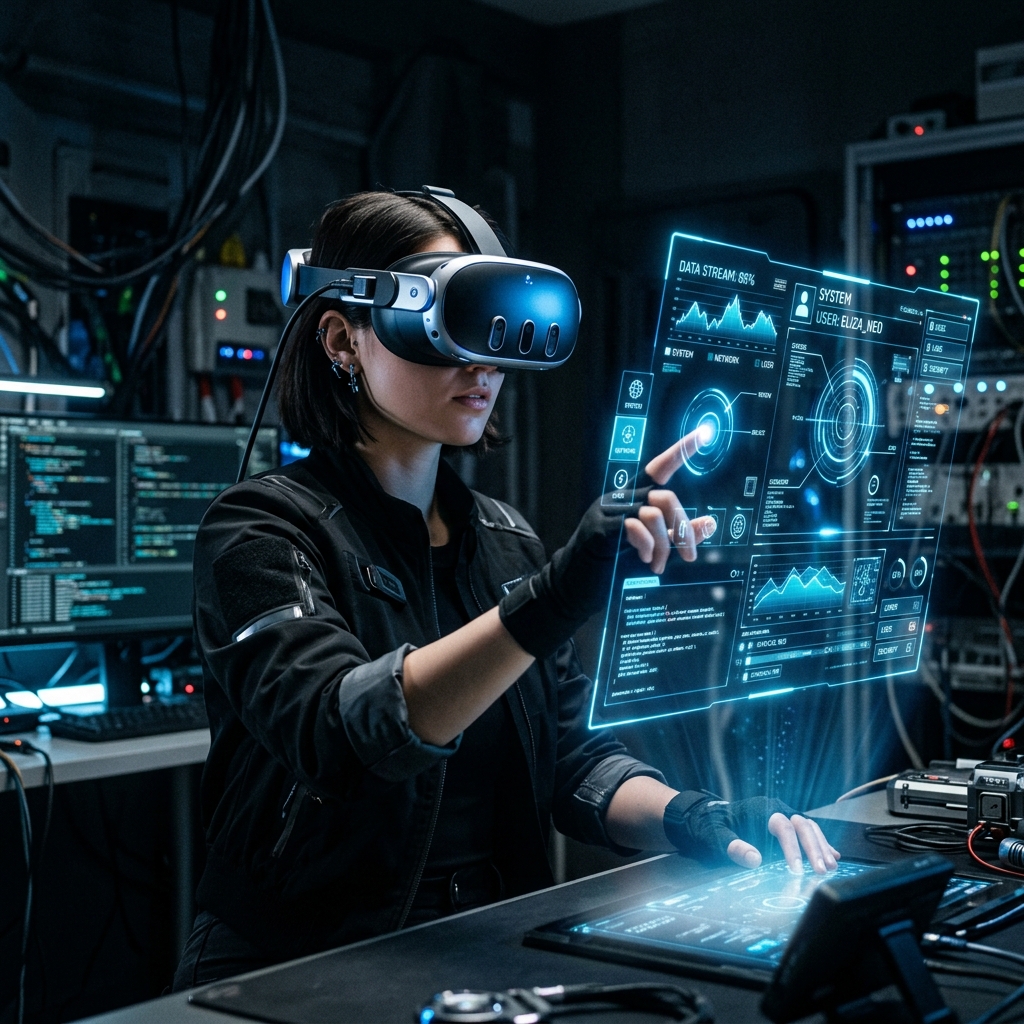
The aviation industry continually seeks innovative ways to enhance pilot training efficiency and safety. Virtual reality (VR) has emerged as a transformative technology that offers immersive flight simulation experiences, revolutionizing the way commercial pilots are trained.
Traditionally, pilot training has relied heavily on classroom instruction and physical flight simulators. However, VR technology allows for a more engaging and realistic training environment. This article delves into the benefits and implications of using VR in pilot training.
Enhancing Realism in Flight Training
One of the primary advantages of VR in pilot training is the ability to simulate real-world flying conditions. Pilots can experience various scenarios, from routine flights to emergency situations, all within a controlled virtual environment.
This level of realism enhances situational awareness and decision-making skills, crucial attributes for any commercial pilot. The immersive nature of VR helps trainees to react instinctively to potential challenges they may face in actual flights.

Cost-Effectiveness and Accessibility
Implementing VR training programs can be more cost-effective compared to traditional methods. High-quality flight simulators and aircraft can require significant investment and maintenance.
By utilizing VR, flight schools can reduce costs associated with physical equipment, while still providing comprehensive training to their students. Additionally, VR training can be made accessible from various locations, allowing for flexibility in pilot education.
Real-Time Feedback and Assessment
Another remarkable feature of VR training is the ability to provide real-time feedback. Instructors can monitor trainees' performance and offer immediate guidance, enhancing the learning process.
This instant feedback loop helps pilots to identify areas needing improvement and track their progress over time. Such insights are invaluable in ensuring that pilots are thoroughly prepared for their licensing exams and real-world flying.
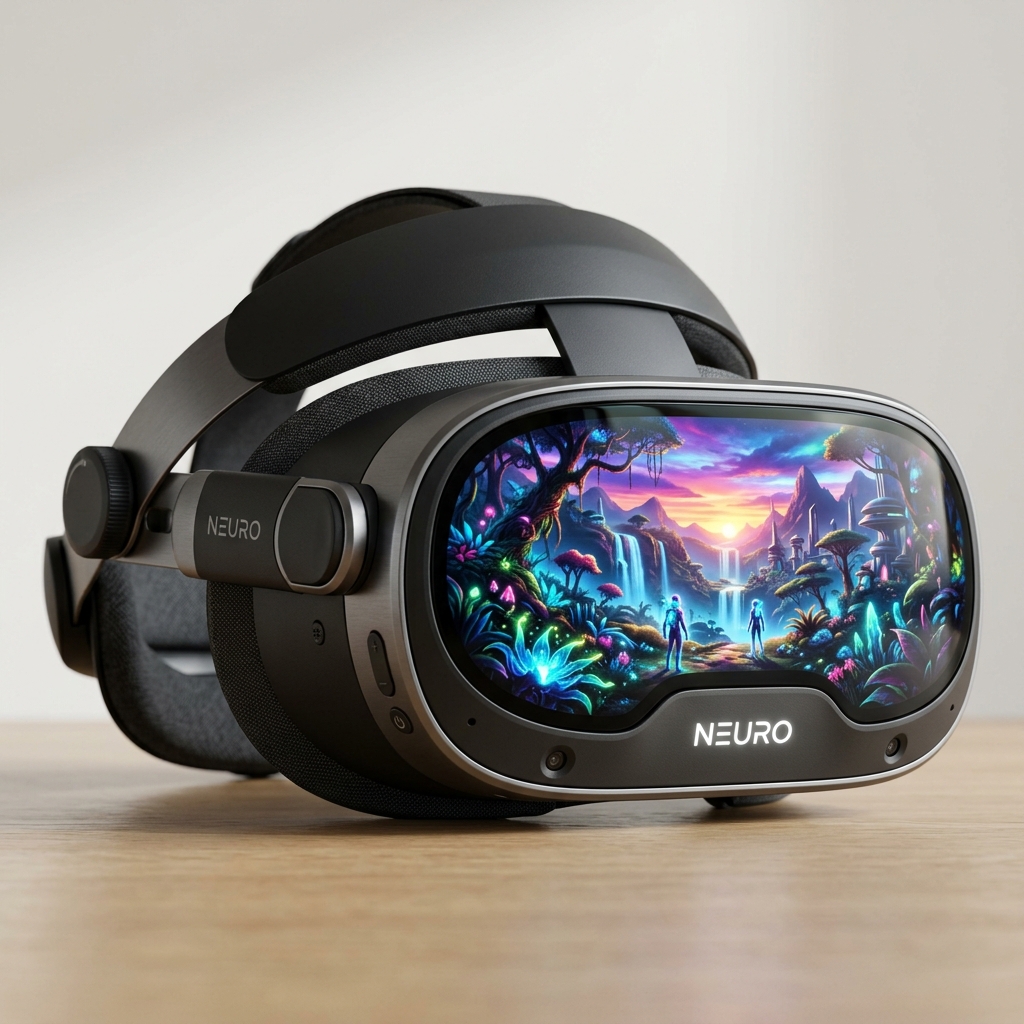
Comparison of Commercial VR Headsets for Flight Simulation
| Headset | Resolution | Field of View | Refresh Rate | Price |
|---|---|---|---|---|
| Meta Quest 3 | 2064 x 2208 per eye | 105 degrees | 120 Hz | Check Price |
| HTC Vive Pro 2 | 2448 x 2448 per eye | 120 degrees | 120 Hz | $799 |
| Valve Index | 1440 x 1600 per eye | 130 degrees | 144 Hz | $999 |
| Pimax 8K X | 3840 x 2160 per eye | 200 degrees | 75 Hz | $1,299 |
| Oculus Rift S | 2560 x 1440 | 110 degrees | 80 Hz | $399 |
Addressing Challenges in Pilot Training
Although VR offers numerous benefits, challenges remain. One significant concern is ensuring that VR training accurately reflects real-life flying conditions.
Flight schools must invest in high-quality VR systems and software to achieve this goal. Continuous updates and improvements in technology will also be essential to keep pace with advancements in aviation.
The Future of VR in Civil Aviation Training
The future of VR in civil aviation training appears promising. As technology continues to evolve, the potential for even more realistic and beneficial training experiences expands.
Integration with artificial intelligence and machine learning can further enhance the training process, allowing for personalized training experiences tailored to individual needs. The continuous development of VR technology will undoubtedly reshape the landscape of pilot training.

Conclusion
Virtual reality is redefining the approach to pilot training within the civil aviation sector. By providing immersive, cost-effective, and accessible training solutions, VR technology promises to enhance the skills and preparedness of future commercial pilots.
As the aviation industry embraces these advancements, a safer and more efficient flying experience can be anticipated for passengers around the globe.

FAQ
What is virtual reality in pilot training?
Virtual reality in pilot training refers to the use of immersive technology to simulate real flying conditions, allowing pilots to practice and learn in a safe environment.
How does VR enhance pilot training?
VR enhances pilot training by providing realistic scenarios, real-time feedback, and a cost-effective alternative to traditional training methods.
Are VR simulators as effective as real flight simulators?
While VR simulators can provide a highly immersive experience, they may not fully replicate all aspects of real flight simulators. However, they are valuable tools for initial training and skill development.
What are the costs associated with implementing VR training?
The costs of implementing VR training can vary based on the technology and software used. However, it generally offers savings compared to purchasing and maintaining traditional flight simulators.
Will VR replace traditional pilot training methods?
VR is unlikely to completely replace traditional training methods but will complement them, providing additional resources for pilot education and skill enhancement.
Introduction to Virtual Reality in Civil Aviation
Virtual reality (VR) is revolutionizing the way commercial pilots are trained. By providing immersive simulations, VR enhances learning experiences and prepares pilots for real-world scenarios.
This technology allows for the replication of various flight conditions, enabling pilots to practice emergency procedures without the risks associated with traditional training methods.
Benefits of VR Training for Commercial Pilots
The use of VR in pilot training significantly reduces the costs associated with flight hours in real aircraft. This innovation allows for extensive training hours in a controlled environment, enhancing skill acquisition.
Additionally, VR training can be tailored to individual learning speeds, providing a personalized approach that can lead to better retention of information and improved performance.
Key VR Headsets for Pilot Training
Popular VR headsets such as the Oculus Quest 2 and the Valve Index offer high-resolution displays and advanced tracking capabilities, making them ideal for immersive flight simulations. These devices provide realistic cockpit experiences that can be critical for pilot training.
Another notable option is the HP Reverb G2, known for its exceptional visual fidelity, allowing pilots to experience intricate cockpit details and flight environments.
Realistic Flight Simulations with VR
VR flight simulations can recreate a wide range of scenarios, from routine flights to emergency situations. This realism helps pilots develop critical decision-making skills under pressure.
The ability to simulate diverse weather conditions and system failures prepares pilots for challenges that may arise during actual flights, enhancing overall safety in aviation.
Assessing Pilot Performance in VR
VR training environments can integrate performance metrics to assess pilot skills objectively. By tracking actions during simulations, instructors can provide tailored feedback to improve proficiency.
This data-driven approach not only enhances training effectiveness but also helps ensure compliance with aviation regulations and standards.
Future Trends in VR for Pilot Training
The future of VR in civil aviation training looks promising, with advancements in technology leading to even more immersive experiences. Developments in artificial intelligence may further enhance training by creating adaptive simulations that respond to pilot actions.
As VR technology continues to evolve, it is expected to play an increasingly significant role in pilot training programs worldwide, contributing to safer aviation practices.
Conclusion: Embracing VR in Civil Aviation
Embracing virtual reality in pilot training represents a significant leap forward for the aviation industry. By leveraging this technology, training programs can enhance the learning experience and prepare pilots for the complexities of flying.
Virtual Reality in Civil Aviation: Training Commercial Pilots with VR (Flight Simulation)
Virtual reality (VR) has emerged as a transformative technology in various fields, including civil aviation. As the demand for commercial pilots continues to rise, innovative training solutions are crucial for developing skilled aviators.
Understanding Virtual Reality in Aviation Training
VR technology creates immersive environments that replicate real-world scenarios. This capability is particularly valuable in pilot training, allowing trainees to experience flight situations without the risks associated with real flights.
Benefits of Using VR in Pilot Training
- Cost-Effectiveness: VR training reduces the need for fuel and maintenance associated with traditional flight training.
- Accessibility: Trainees can practice flight scenarios from any location, eliminating the need for travel to training centers.
- Realistic Simulations: VR can recreate various weather conditions, emergency scenarios, and aircraft systems.
- Instant Feedback: Trainees receive immediate feedback on their performance, which accelerates the learning process.
Popular VR Headsets for Flight Simulation
| VR Headset | Resolution | Field of View | Price Range |
|---|---|---|---|
| Oculus Quest 2 | 1832 x 1920 per eye | 90 degrees | $299 - $399 |
| HTC Vive Pro 2 | 2448 x 2448 per eye | 120 degrees | $799 - $1,399 |
| Valve Index | 1440 x 1600 per eye | 130 degrees | $999 |
| Pico Neo 3 | 3664 x 1920 per eye | 90 degrees | $499 |
| Varjo XR-3 | 1920 x 1080 per eye | 115 degrees | $5,495 |
VR Flight Simulators in Use
Several VR flight simulators are designed specifically for pilot training. These simulators provide realistic flight environments, enabling trainees to practice various flight maneuvers and emergency procedures.
Examples of VR Flight Simulators
- Prepar3D: A powerful simulation platform that supports VR headsets and is widely used in aviation training.
- Microsoft Flight Simulator: Known for its stunning graphics and realistic aerodynamics, this simulator supports VR for immersive training experiences.
- X-Plane 11: Offers a comprehensive flight simulation experience with a focus on realism and customization.
- FlightGear: An open-source flight simulator that is accessible and allows for VR integration.
VR Training Curriculum for Commercial Pilots
A comprehensive VR training curriculum can enhance the learning experience for aspiring commercial pilots. This curriculum typically includes multiple modules that cover various aspects of aviation.
Core Modules in VR Training
- Basic Flight Maneuvers: Understanding takeoff, landing, and navigation.
- Emergency Procedures: Training for engine failures, adverse weather, and other critical situations.
- Aircraft Systems: Familiarization with cockpit instruments and aircraft mechanics.
- Communication Protocols: Learning effective communication with air traffic control and crew members.
Integration of VR with Traditional Training Methods
While VR offers numerous advantages, it is not a replacement for traditional flight training. A blended approach combining VR and conventional methods enhances the overall training experience.
Benefits of Blended Training
- Enhanced Understanding: VR provides visual and practical experience, while traditional training reinforces theoretical knowledge.
- Skill Reinforcement: Trainees can practice maneuvers in VR before executing them in real aircraft.
Challenges of Implementing VR in Pilot Training
Despite its advantages, the integration of VR into pilot training faces several challenges. Understanding these challenges is essential to effectively implement VR technology in aviation education.
Common Challenges
- Initial Costs: The upfront investment in VR hardware and software can be significant.
- Technical Limitations: High-quality simulations require powerful hardware, which may not be readily available to all training institutions.
- Acceptance by Regulatory Bodies: Regulatory authorities may have stringent requirements for pilot training that include traditional methods.
Future of VR in Pilot Training
The future of VR in pilot training looks promising, with ongoing advancements in VR technology and simulation software. Continuous improvements will likely lead to enhanced realism and effectiveness in pilot training programs.
Trends to Watch
- Increased Adoption: More flight schools are expected to incorporate VR into their training programs.
- Improved Hardware: Future VR headsets may offer better resolution and comfort, enhancing the training experience.
- AI Integration: Artificial intelligence may personalize training programs, adapting to individual trainee needs.
Conclusion
Virtual reality represents a significant advancement in the training of commercial pilots. By providing immersive, realistic, and cost-effective training solutions, VR technology is poised to enhance aviation safety and pilot proficiency.
As the aviation industry continues to evolve, the integration of VR into pilot training will play a crucial role in preparing the next generation of aviators. The ongoing development of VR technology and training curricula will ensure that aspiring pilots receive the best possible education.
Ultimately, the combination of VR and traditional training methods will create a comprehensive learning experience, equipping pilots with the skills they need to navigate the skies safely and efficiently.