Virtual Reality in Civil Aviation: Training Commercial Pilots with VR (Flight Academy)
Virtual Reality in Civil Aviation: Training Commercial Pilots with VR (Flight Academy)
The aviation industry is undergoing a remarkable transformation, largely due to advancements in technology. One of the most significant developments is the integration of Virtual Reality (VR) into pilot training programs.
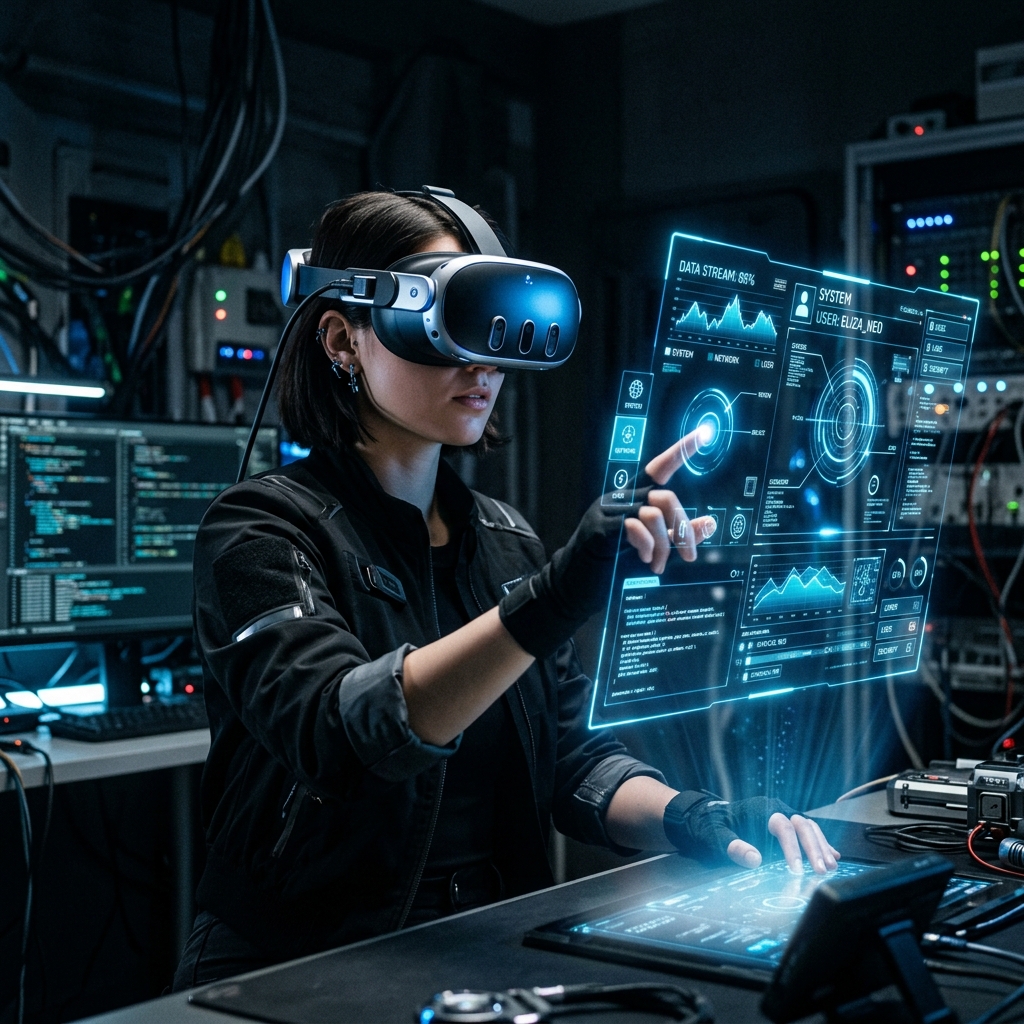
VR technology offers immersive simulations that can enhance the learning experience for aspiring commercial pilots. This innovative approach not only makes training more engaging but also more effective in preparing pilots for real-world scenarios.

The Advantages of VR in Pilot Training
Utilizing VR in flight training provides several distinct advantages. Firstly, it allows for a risk-free environment where pilots can practice emergency procedures without the dangers associated with real flights.
Additionally, VR simulations can replicate a wide range of flight conditions and scenarios, including adverse weather and mechanical failures. This capability ensures that pilots are well-prepared for any situation they may encounter during their careers.
Cost-Effectiveness
Another notable benefit of VR is cost-effectiveness. Traditional flight training is expensive, requiring significant investment in aircraft and fuel.
With VR, the need for physical aircraft is reduced, which lowers operational costs. Moreover, training can be conducted anytime and anywhere, providing flexibility for both instructors and students.
Realism and Engagement
The immersive nature of VR creates a realistic training environment. Pilots can interact with controls and instruments just as they would in a real aircraft.
This high level of realism enhances engagement, leading to better retention of information and skills. Studies have shown that VR training can lead to faster learning outcomes compared to traditional methods.
Comparison of Popular VR Headsets for Pilot Training
| VR Headset | Resolution | Field of View | Refresh Rate | Price |
|---|---|---|---|---|
| Meta Quest 3 | 2064 x 2208 per eye | 110 degrees | 120 Hz | buy Meta Quest 3 |
| HTC Vive Pro 2 | 2448 x 2448 per eye | 120 degrees | 120 Hz | $799 |
| Valve Index | 1440 x 1600 per eye | 130 degrees | 120 Hz | $999 |
| Pico Neo 3 | 3664 x 1920 per eye | 90 degrees | 90 Hz | $699 |
| Oculus Rift S | 2560 x 1440 | 110 degrees | 80 Hz | $399 |
Challenges and Considerations
While VR offers numerous advantages, it is not without challenges. One concern is the initial investment in technology and software development.
Moreover, the need for regular updates and maintenance of VR systems can be a consideration for flight academies. Ensuring that instructors are adequately trained to use VR tools is also essential for maximizing the benefits of this technology.
Future of VR in Aviation Training
The future of VR in aviation training appears promising. As technology continues to advance, it is expected that simulations will become even more realistic and immersive.
Integrating AI and machine learning with VR could allow for personalized training experiences, adapting to the needs of individual pilots. This level of customization may revolutionize pilot training, making it more effective than ever.

Conclusion
Virtual Reality is undeniably reshaping the landscape of pilot training in civil aviation. By providing a safe, cost-effective, and highly immersive training environment, VR prepares future pilots for the challenges of modern aviation.
As the technology evolves, the potential for enhancing pilot training programs will only grow. Embracing this innovative approach can lead to safer skies and a new generation of skilled pilots.

FAQ
What is Virtual Reality (VR) in pilot training?
Virtual Reality in pilot training refers to using immersive simulations to train aspiring pilots, allowing them to practice in a safe environment.
How does VR enhance learning for pilots?
VR enhances learning by providing realistic scenarios and interactive experiences that improve information retention and skill development.
Are there any risks associated with VR training?
While VR training is generally safe, there may be risks related to motion sickness or discomfort from prolonged use of headsets.
What are some popular VR headsets for pilot training?
Popular VR headsets for pilot training include Meta Quest 3, HTC Vive Pro 2, and Oculus Rift S, each offering different specifications and features.
Is VR training cost-effective?
Yes, VR training can be more cost-effective than traditional training methods, as it reduces the need for actual aircraft and associated expenses.
The Evolution of Pilot Training
Traditionally, pilot training has relied heavily on simulators and in-aircraft instruction. With the advent of virtual reality technology, the landscape of training commercial pilots is undergoing a significant transformation.
VR offers immersive experiences that allow trainees to practice complex maneuvers in a safe environment. This shift not only enhances learning but also boosts retention rates among aspiring pilots.
Benefits of VR in Flight Training
One of the primary advantages of VR in civil aviation training is the ability to simulate diverse flight scenarios. From handling emergencies to navigating various weather conditions, VR prepares pilots for real-world challenges.
Additionally, the cost-effectiveness of VR training reduces the need for extensive physical resources and aircraft usage, making pilot education more accessible. This innovation ensures that more individuals can pursue careers in aviation.
Popular VR Headsets for Flight Training
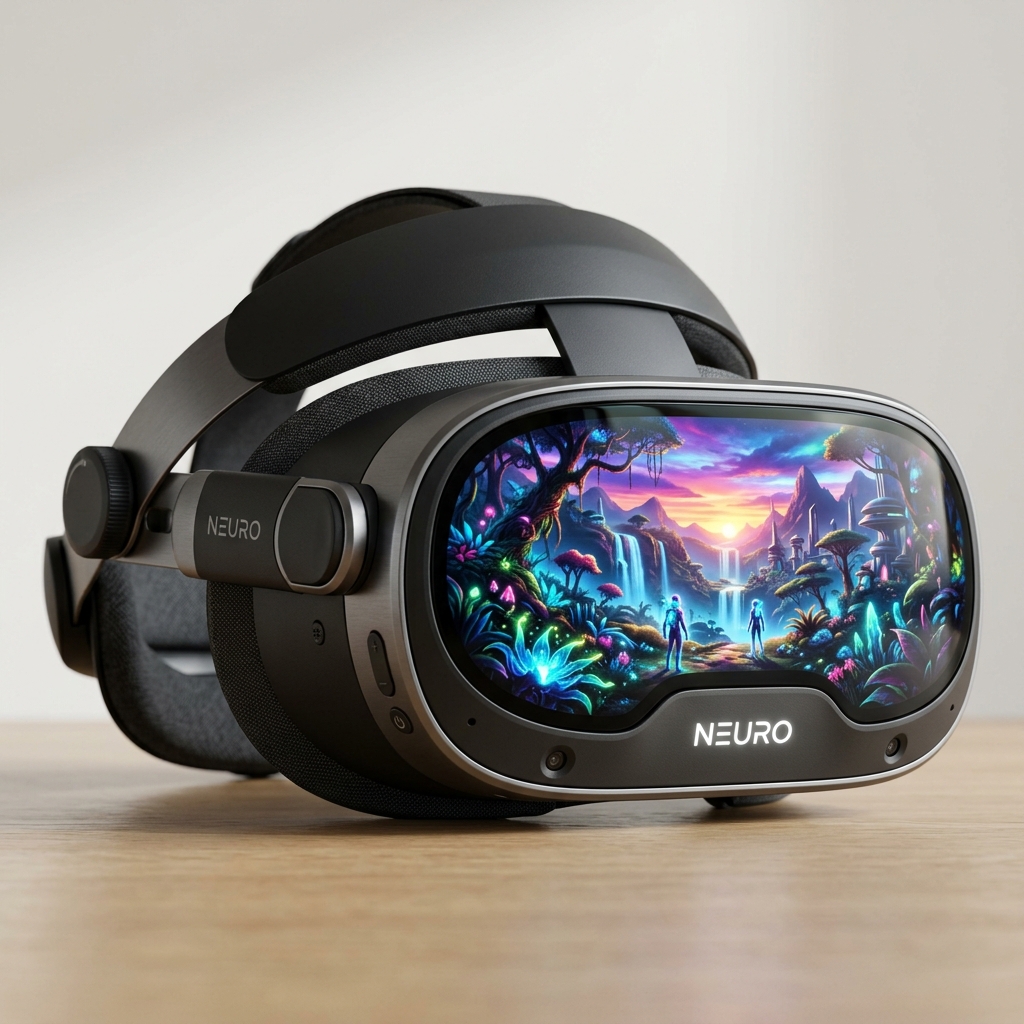
Several high-performance VR headsets are making waves in the aviation training sector. The Oculus Quest 2, known for its wireless capabilities and impressive resolution, allows pilots to engage in realistic flight simulations.
Another notable option is the HTC Vive Pro 2, which offers excellent tracking and visual fidelity, enhancing the overall training experience. These devices are crucial in delivering immersive training environments for commercial pilots.
Real-World Applications of VR Training
Flight academies are increasingly integrating VR technology into their curricula. This allows for on-demand training sessions that can be conducted anytime, anywhere, thereby maximizing instructional time.
Furthermore, airlines are beginning to adopt VR training programs as part of their standard onboarding processes, ensuring that new pilots are well-equipped for their roles. This application of VR is reshaping how aviation professionals are trained globally.
Challenges and Limitations of VR Training
Despite its many benefits, VR training in aviation still faces challenges. One significant limitation is the potential for motion sickness, which can hinder the effectiveness of training sessions for some individuals.
Additionally, while VR can simulate many scenarios, it cannot fully replicate the unpredictability of actual flight. Therefore, it is essential to balance VR training with traditional methods to ensure comprehensive pilot education.
The Future of VR in Aviation Training
The future of virtual reality in civil aviation training appears promising, with continued advancements in technology. As VR becomes more sophisticated, it is expected to offer even more realistic training scenarios.
Moreover, the integration of artificial intelligence into VR training systems could personalize learning experiences, adapting to the unique needs of each pilot. This evolution will likely lead to higher standards in pilot training and safety.
Conclusion: Embracing VR for Better Training Outcomes
In conclusion, virtual reality is revolutionizing the training of commercial pilots, making it more engaging and effective. As flight academies and airlines embrace this technology, the aviation industry stands to benefit from a more skilled and prepared workforce.
Adopting VR training not only enhances pilot capabilities but also contributes to overall safety in the aviation sector. The continued investment in VR technology will shape the future of pilot training for years to come.
Virtual Reality in Civil Aviation: Training Commercial Pilots with VR
Virtual Reality (VR) is rapidly transforming various sectors, and civil aviation is no exception. The use of VR technology in pilot training offers immersive experiences that enhance learning outcomes and safety.
Benefits of VR in Pilot Training
One of the primary advantages of VR in pilot training is the ability to simulate real-world scenarios. This includes emergency situations and challenging weather conditions, which can be difficult to replicate in traditional training environments.
Cost savings are another significant benefit. Virtual simulations reduce the need for expensive aircraft and fuel, allowing flight academies to allocate resources more effectively.
Enhanced Learning Experience
VR provides an interactive learning experience that keeps trainees engaged. By immersing pilots in realistic flight situations, they can practice their skills without the risks associated with actual flying.
Moreover, VR technology allows for repetitive practice. Trainees can repeat scenarios as many times as necessary until they achieve proficiency, which is essential for mastering complex maneuvers.
Popular VR Headsets for Pilot Training
Several VR headsets are widely used in the aviation training industry. Below is a table detailing some of the most popular models.
| VR Headset | Resolution | Field of View | Price Range |
|---|---|---|---|
| Oculus Quest 2 | 1832 x 1920 per eye | 90 degrees | $299 - $399 |
| HTC Vive Pro 2 | 2448 x 2448 per eye | 120 degrees | $799 - $1399 |
| Valve Index | 1440 x 1600 per eye | 130 degrees | $999 |
| Pimax 8K X | 3840 x 2160 per eye | 200 degrees | $1299 |
Integration with Flight Simulators
VR can be seamlessly integrated with flight simulators to enhance the training experience. This combination allows trainees to experience flight dynamics and cockpit operations in a controlled environment.
Modern flight simulators often come equipped with VR compatibility, allowing for a more holistic training approach. This integration can lead to better retention of skills and knowledge among trainees.
Real-World Applications
Many flight academies have begun adopting VR technology to train commercial pilots. This trend is expected to grow as more institutions recognize the benefits of VR in aviation training.
For instance, universities and training centers are utilizing VR to prepare pilots for a variety of aircraft types, from small general aviation planes to large commercial jets.
Safety Training with VR
Safety training is a critical component of pilot education, and VR is an effective tool for this purpose. Trainees can experience emergency scenarios, such as engine failures or system malfunctions, in a safe and controlled environment.
By practicing these situations in VR, pilots can learn to respond quickly and effectively when faced with real-life emergencies. This preparedness can significantly enhance overall flight safety.
Challenges and Limitations
Despite its many advantages, there are challenges associated with implementing VR technology in pilot training. One primary concern is the initial investment required for high-quality VR equipment and software.
Moreover, the effectiveness of VR training depends on the quality of the simulation. Poorly designed simulations can lead to misconceptions and inadequate preparedness for actual flying.
Future of VR in Aviation Training
The future of VR in civil aviation looks promising. Advancements in technology are expected to improve the realism and effectiveness of VR training modules.
As VR hardware and software continue to evolve, flight academies will likely see an increase in the adoption of these technologies. This will further enhance the training experience for aspiring commercial pilots.
Conclusion
Virtual Reality is revolutionizing pilot training in civil aviation. Its ability to provide immersive, cost-effective, and safe training environments makes it an invaluable tool for modern flight academies.
As technology advances, the integration of VR in pilot training will undoubtedly become more widespread, leading to better-prepared pilots and safer skies.