Virtual Reality in Civil Aviation: Training Commercial Pilots with VR (Academy)
Virtual Reality in Civil Aviation: Training Commercial Pilots with VR
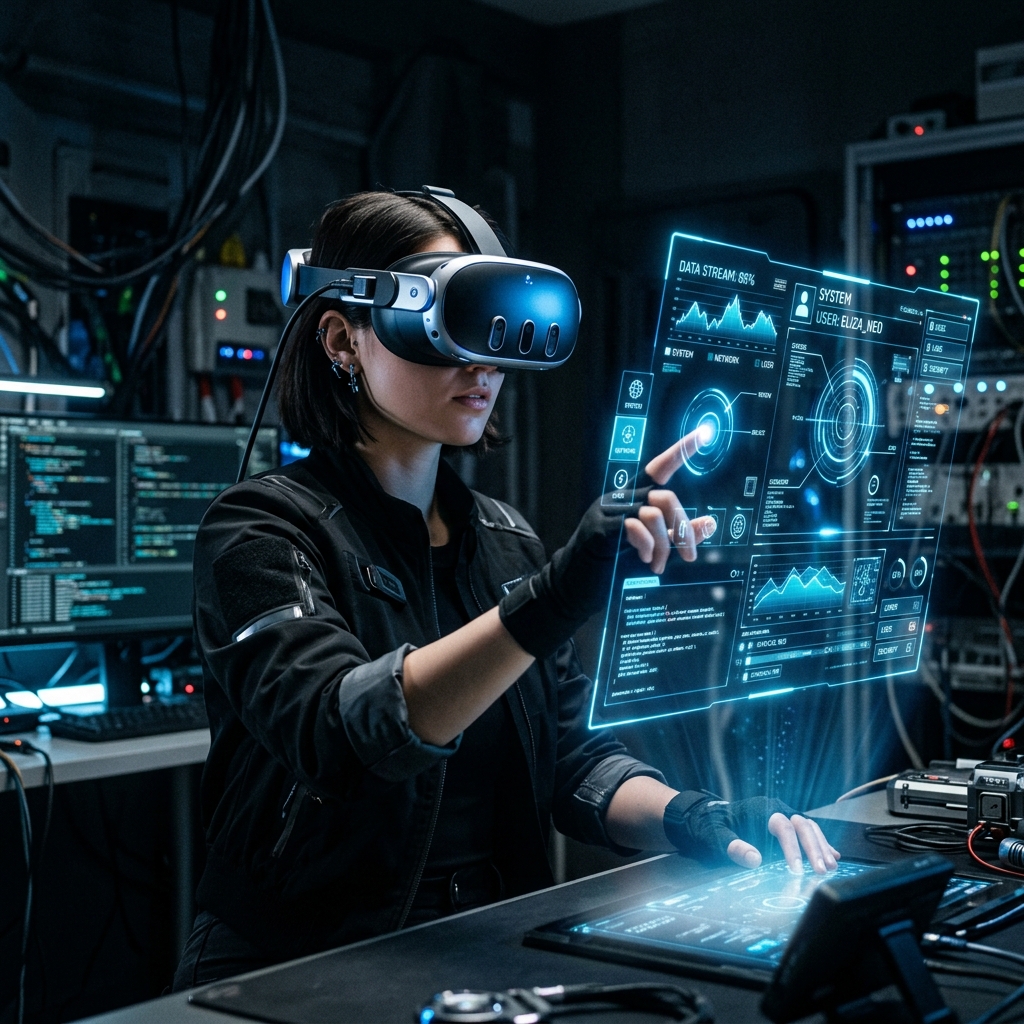
The integration of Virtual Reality (VR) into civil aviation has revolutionized the way commercial pilots are trained. This innovative technology offers immersive experiences that closely mimic real-world flying conditions, making it a game-changer in pilot education.
VR provides an engaging platform for learning, allowing pilots to practice maneuvers and procedures in a safe environment. This method not only enhances skill acquisition but also improves retention of complex information.
Benefits of VR in Pilot Training
One of the primary advantages of using VR in pilot training is the ability to replicate various flight scenarios. Whether it's navigating through adverse weather conditions or handling emergency situations, VR can simulate these experiences accurately.
Moreover, VR training can be conducted anywhere, reducing the need for expensive flight simulators and aircraft. This accessibility makes it easier for training academies to offer flexible learning options.
Real-World Applications
Many flight schools and aviation academies have begun integrating VR into their curricula. This adoption allows students to gain exposure to flying without the significant costs associated with traditional methods.
Additionally, VR technology can be utilized for recurrent training, ensuring that pilots remain proficient in their skills throughout their careers. This continuous learning approach can lead to safer skies and more competent pilots.
Comparative Overview of VR Headsets for Pilot Training
| Headset | Resolution | Field of View | Weight | Price |
|---|---|---|---|---|
| Meta Quest 3 | 2064 x 2208 per eye | 110° | 500g | buy Meta Quest 3 |
| HTC Vive Pro 2 | 2448 x 2448 per eye | 120° | 850g | $799 |
| Valve Index | 1440 x 1600 per eye | 130° | 809g | $999 |
| Pico Neo 3 | 3664 x 1920 per eye | 90° | 400g | $499 |
| Oculus Rift S | 2560 x 1440 | 110° | 500g | $399 |



Challenges and Considerations
While VR offers numerous benefits, there are challenges that must be addressed. The technology is continuously evolving, which can lead to compatibility issues with existing training programs.
Additionally, the cost of high-quality VR systems can be prohibitive for some training academies. However, as technology advances and prices decrease, wider adoption is expected.
Future of VR in Pilot Training
The future of VR in civil aviation looks promising. As more academies recognize its potential, the landscape of pilot training will continue to evolve.
Furthermore, advancements in VR technology may lead to even more realistic simulations, enhancing pilot education further. This will ultimately contribute to safer skies and improved aviation standards.
FAQ
What is Virtual Reality (VR) in pilot training?
Virtual Reality in pilot training refers to the use of immersive technology to simulate flying experiences, allowing pilots to practice skills in a controlled environment.
How does VR improve pilot training outcomes?
VR enhances training by providing realistic scenarios, allowing for repeated practice without the risks associated with real flights. It also increases engagement and retention of information.
Are there specific VR headsets recommended for pilot training?
Yes, headsets like the Meta Quest 3, HTC Vive Pro 2, and Valve Index are commonly recommended due to their high resolution and immersive capabilities.
Can VR training be used for recurrent pilot training?
Absolutely! VR training is ideal for recurrent training, helping pilots maintain proficiency and stay updated on new procedures and technologies.
What are the costs associated with implementing VR in pilot training?
The costs can vary widely, depending on the technology used and the scale of the training program. Initial investments in hardware and software can be significant, but long-term savings may be realized.
Introduction to Virtual Reality in Civil Aviation
Virtual reality (VR) is transforming the landscape of pilot training in civil aviation. By simulating real-world flying conditions, VR enables comprehensive learning experiences without the risks associated with traditional methods.
This innovative technology allows aspiring pilots to practice maneuvers and scenarios in a controlled environment, enhancing their readiness for actual flight operations.
Benefits of VR Training for Commercial Pilots
VR training offers significant advantages, including cost efficiency and safety. With reduced reliance on expensive flight hours, training programs become more accessible and economically viable.
Moreover, VR environments can replicate emergency situations, allowing pilots to gain invaluable experience without endangering lives or aircraft.
Realistic Flight Simulations with VR Headsets
Utilizing advanced VR headsets like the Oculus Quest 2 or the HP Reverb G2, training sessions can deliver a highly immersive experience. These devices offer high-resolution visuals and spatial audio that closely mimic real cockpit conditions.
The realistic simulations help pilots develop critical decision-making skills essential for navigating complex flight scenarios effectively.
Enhancing Situational Awareness through VR
Situational awareness is vital for pilots, and VR training enhances this skill by immersing them in various flight environments. Trainees can experience diverse weather conditions, air traffic scenarios, and critical incidents, improving their ability to respond effectively.
Integration of VR in Pilot Training Curricula
Many flight academies are now incorporating VR training modules into their curricula. This integration helps bridge the gap between ground school and actual flight experience.
By combining VR training with traditional methods, schools can create a well-rounded educational framework that maximizes pilot competency.
Future of VR in Commercial Pilot Training
The future of VR technology in commercial pilot training looks promising, with continuous advancements in software and hardware. As VR becomes more sophisticated, training scenarios will become even more realistic and beneficial for pilot development.
Ongoing research and innovations are expected to further enhance the effectiveness and efficiency of training programs, preparing pilots for the challenges of modern aviation.
Challenges and Considerations in VR Training
Despite the benefits, there are challenges to implementing VR in pilot training. Factors such as the cost of high-quality equipment and the need for specialized training instructors can pose obstacles.
Additionally, ensuring that VR training complements traditional methods rather than replacing them is essential for a balanced educational approach.
Conclusion: Embracing VR for Pilot Excellence
Embracing virtual reality in pilot training represents a significant step towards enhancing aviation safety and efficiency. As technology evolves, its integration into training programs will likely become standard practice.
With the right implementation, VR can significantly contribute to producing highly skilled and competent commercial pilots ready to meet the demands of the aviation industry.
Virtual Reality in Civil Aviation
Virtual Reality (VR) technology has transformed various sectors, and civil aviation is no exception. The integration of VR in pilot training offers innovative solutions for enhancing learning experiences and operational safety.
The Need for Advanced Pilot Training
The aviation industry is continuously evolving, necessitating more advanced training methodologies. Traditional training methods often fall short in providing immersive experiences that simulate real-world flying scenarios.
Benefits of VR in Pilot Training
VR technology provides numerous benefits that contribute to the efficiency and effectiveness of pilot training. These advantages include cost reduction, increased safety, and enhanced learning outcomes.
- Cost Efficiency: VR training reduces the need for expensive flight hours and simulator rentals.
- Safety: Pilots can experience potentially hazardous situations in a controlled environment.
- Accessibility: Trainees can practice anywhere and anytime, increasing training flexibility.
- Realism: Advanced graphics and physics create realistic flight scenarios.
Key VR Headset Models for Pilot Training
Several VR headset models are particularly suited for pilot training. The following table summarizes their key specifications and features.
| VR Headset | Resolution | Field of View | Tracking Type | Price Range |
|---|---|---|---|---|
| Oculus Quest 2 | 1832 x 1920 per eye | 89 degrees | Inside-out | $299 - $399 |
| HTC Vive Pro 2 | 2448 x 2448 per eye | 120 degrees | External | $799 - $1399 |
| Valve Index | 1440 x 1600 per eye | 130 degrees | External | $999 - $1499 |
| Pimax 8K X | 3840 x 2160 per eye | 200 degrees | External | $1299 - $1499 |
How VR Enhances Specific Training Scenarios
VR allows for the simulation of various flight conditions and emergencies that pilots may face. This technology is particularly effective for training exercises in adverse weather, system failures, and emergency procedures.
Adverse Weather Conditions
Simulating flying in adverse weather conditions is crucial for pilot training. VR can recreate scenarios such as thunderstorms, fog, and turbulence, allowing pilots to practice their decision-making skills.
System Failures
VR training can expose pilots to various system failures, such as engine malfunctions or instrument failures. This hands-on experience prepares them for real-life situations, enhancing their problem-solving abilities.
Emergency Procedures
Practicing emergency procedures within a VR environment helps pilots respond effectively to critical situations. By repeating these scenarios, pilots build muscle memory and confidence in their responses.
Integration with Existing Training Programs
The integration of VR into existing pilot training programs enhances traditional methodologies. It complements classroom learning and practical flight training for a holistic educational approach.
- Blended Learning: Combining VR with traditional methods creates a comprehensive training program.
- Feedback and Assessment: Instructors can assess trainee performance in real-time within the VR environment.
Future Trends in VR Pilot Training
As technology advances, the future of VR in pilot training looks promising. Emerging trends are likely to reshape training methodologies and enhance pilot readiness.
Artificial Intelligence Integration
Integrating artificial intelligence (AI) with VR could personalize training experiences based on individual pilot performance. This adaptation would cater to varying skill levels, making training more effective.
Collaborative Training Environments
Future VR systems may allow multiple pilots to train simultaneously in a shared virtual environment. This collaboration can enhance teamwork skills essential for real-world aviation operations.
Challenges of Implementing VR in Pilot Training
Despite the advantages, several challenges hinder the widespread adoption of VR in pilot training. Addressing these challenges is essential for successful implementation.
- Cost of Technology: High initial costs for advanced VR systems can be a barrier for some training institutions.
- Content Development: Creating realistic and engaging training modules requires significant time and expertise.
- Acceptance by Instructors: Some instructors may be hesitant to adopt new technologies, favoring traditional methods.
Conclusion
Virtual Reality has the potential to revolutionize pilot training in civil aviation. By providing immersive, realistic training experiences, VR enhances the skills and preparedness of commercial pilots.
As the technology continues to evolve, it is likely that VR will become a standard component of pilot training programs worldwide. The aviation industry stands to benefit significantly from these advancements, improving safety and efficiency in air travel.
Advancements in VR Technology for Pilot Training
The evolution of virtual reality technology has significantly impacted pilot training programs. Cutting-edge VR headsets like the Oculus Quest 2 and the HTC Vive Pro offer immersive experiences that enhance learning retention.
These devices combine high-resolution visuals with advanced motion tracking, allowing trainees to interact with realistic cockpit environments. This technological leap provides a safe and controlled space for pilots to practice emergency scenarios without any real-world risks.
Moreover, software platforms such as X-Plane and Microsoft Flight Simulator are incorporating VR capabilities, providing a comprehensive training solution. The blend of realistic physics and immersive graphics creates a unique and effective learning experience for aspiring pilots.
The Role of VR in Enhancing Situational Awareness
Situational awareness is crucial for pilots, and VR training significantly enhances this skill. By simulating various flying conditions and scenarios, VR helps pilots develop a keen sense of their surroundings.
Tools like the Varjo VR-3 provide exceptional visual fidelity, making it easier for trainees to identify potential hazards during flight. This heightened awareness can lead to better decision-making and ultimately safer flights.
Additionally, VR environments can be tailored to mimic specific routes or airports, further preparing pilots for real-life challenges. This focused approach ensures that trainees are well-equipped to handle any situation they may encounter in the cockpit.
Cost-Effectiveness of VR Training Solutions
Implementing VR technology in pilot training offers a cost-effective alternative to traditional methods. Flight simulators and in-aircraft training can be expensive, but VR reduces these costs significantly.
By utilizing VR systems like the Redbird FMX, training facilities can minimize the wear and tear on real aircraft while providing a comprehensive training solution. This translates to lower operational costs and more accessible training for students.
Moreover, VR training can be conducted at any time and in various locations, allowing for flexible scheduling. This convenience can lead to increased training hours and faster completion rates for aspiring pilots.