Virtual Reality in Civil Aviation: Training Commercial Pilots with VR
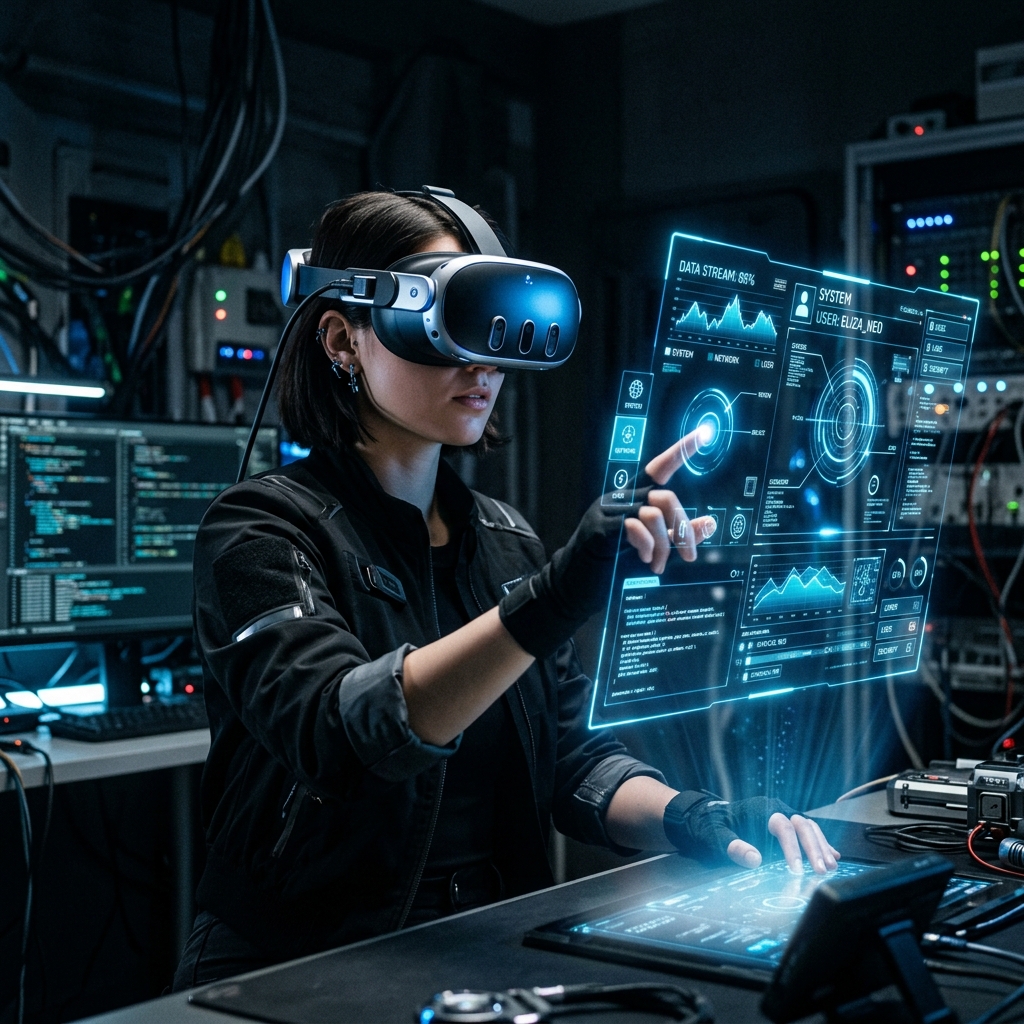
Virtual Reality in Civil Aviation: Training Commercial Pilots with VR
The aviation industry has always been at the forefront of adopting new technologies. Recently, Virtual Reality (VR) has emerged as a pivotal tool in training commercial pilots.
This innovative approach offers a myriad of benefits, including enhanced safety, cost-effectiveness, and immersive learning experiences.

The Importance of Pilot Training
Pilot training is critical for ensuring the safety and efficiency of air travel. Traditional methods, while effective, often come with limitations.
Expensive simulators and real-flight hours can strain budgets and time constraints. VR addresses these challenges by providing a flexible and engaging training environment.
Advantages of VR in Pilot Training
Using VR technology in pilot training offers numerous advantages. The immersive nature of VR allows for realistic simulations of various flight scenarios.
This method helps pilots develop their skills without the risks associated with real-life flying.
Cost-Effectiveness
Training costs can be significantly reduced with VR. Traditional flight simulators can be prohibitively expensive to purchase and maintain.
In contrast, VR headsets are relatively affordable, and the software can be updated easily, making it a sustainable option for flight schools.
Enhanced Learning Experience
VR provides a hands-on learning experience that traditional classrooms cannot replicate. Trainees can practice emergency procedures, navigational skills, and communication protocols in a controlled environment.
This active learning approach fosters better retention of knowledge and skills, crucial for effective pilot training.
Real-World Applications
Several flight schools and airlines are already incorporating VR into their training programs. This technology allows for the simulation of complex scenarios, such as severe weather conditions or system failures.
By practicing in VR, pilots are better prepared for real-world challenges.
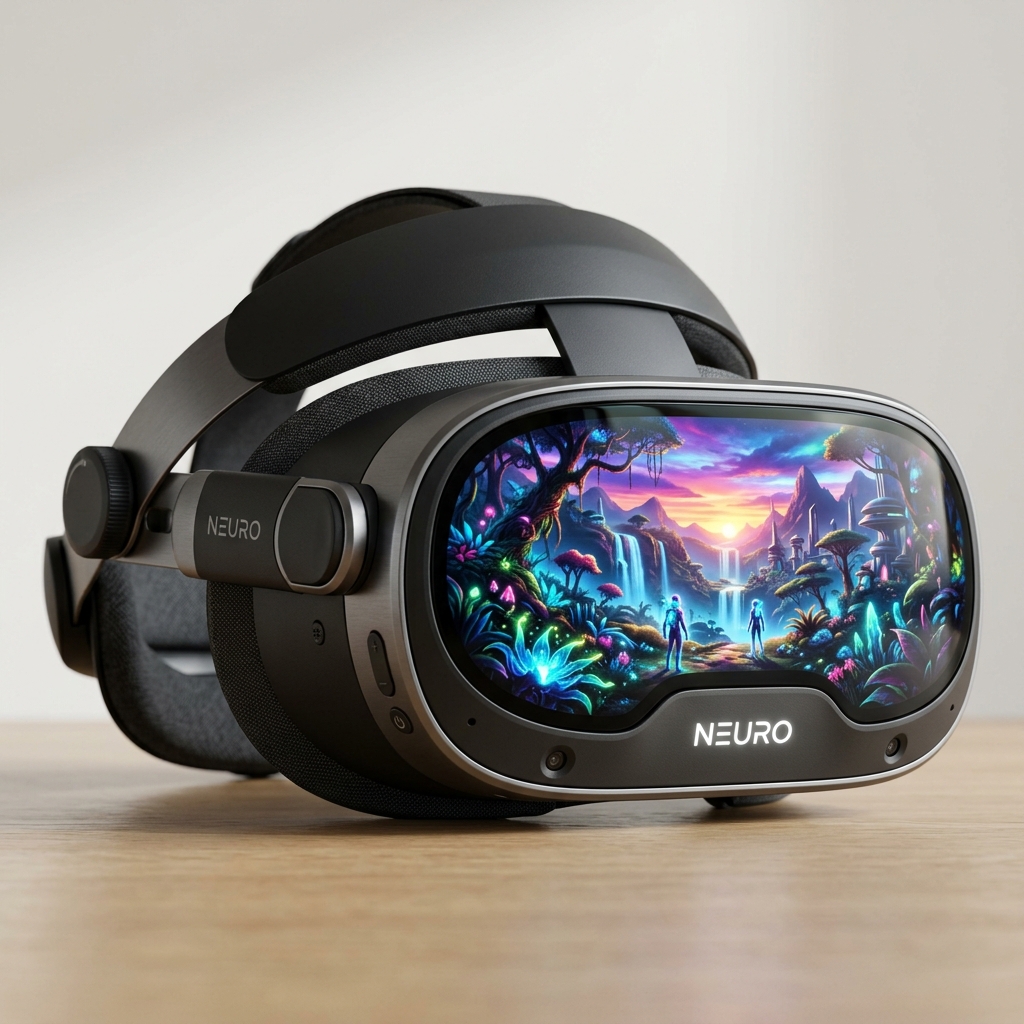
Comparison of Popular VR Headsets
| VR Headset | Resolution | Field of View | Refresh Rate | Price |
|---|---|---|---|---|
| Meta Quest 3 | 2064 x 2208 per eye | 90 degrees | 120Hz | Buy Meta Quest 3 |
| HTC Vive Pro 2 | 2448 x 2448 per eye | 110 degrees | 120Hz | $799 |
| Valve Index | 1440 x 1600 per eye | 130 degrees | 144Hz | $999 |
| Oculus Rift S | 2560 x 1440 | 110 degrees | 80Hz | $399 |
Future of VR in Aviation
The future of VR in aviation training looks promising. As technology advances, the potential applications for VR will expand.
Integration with artificial intelligence and machine learning can lead to even more personalized training experiences.
Challenges and Considerations
Despite its advantages, the implementation of VR in pilot training presents challenges. The need for high-quality content and realistic simulations is paramount.
Moreover, ensuring that instructors are adequately trained to use VR technology is essential for maximizing its benefits.
Conclusion
Incorporating VR into pilot training represents a significant evolution in how pilots are prepared for their careers. With its immersive, cost-effective, and flexible nature, VR is poised to reshape aviation training.
The benefits of this technology are clear, and as it continues to develop, the possibilities for its application in civil aviation are endless.

FAQ
What is VR in pilot training?
Virtual Reality in pilot training is an immersive training method that simulates real flying conditions, allowing pilots to practice skills without real-world risks.
How does VR reduce training costs?
VR technology eliminates the need for expensive flight simulators and allows for easy updates, reducing overall training expenses.
Can VR replace traditional flight simulators?
While VR can enhance training, it is not intended to completely replace traditional flight simulators but rather to complement them.
What are the key benefits of using VR in aviation training?
Benefits include enhanced safety, cost-effectiveness, immersive learning experiences, and the ability to simulate complex scenarios.
Are there any limitations to VR training?
Limitations include the need for high-quality content, potential motion sickness in some users, and the necessity for trained instructors to effectively utilize the technology.
Introduction to Virtual Reality in Aviation Training
Virtual reality (VR) is revolutionizing the way commercial pilots are trained, providing immersive experiences that traditional methods lack. This innovative technology enhances both learning and retention, making training more effective.
By simulating real-life flying scenarios, VR allows pilots to experience a variety of situations safely and effectively. From handling emergencies to navigating complex airspaces, VR training prepares pilots for the challenges of actual flight.
The Benefits of VR for Pilot Training
One of the primary advantages of VR in pilot training is its ability to reduce costs associated with traditional flight simulators. VR training can be conducted anywhere, eliminating the need for specialized facilities.
Additionally, VR offers the opportunity for repetitive practice in a controlled environment, enabling pilots to refine their skills without the pressure of real-life consequences. This leads to better preparedness before taking to the skies.
Popular VR Headsets for Pilot Training
Several high-quality VR headsets are suitable for aviation training, including the Oculus Quest 2 and the HTC Vive Pro. These devices provide high-resolution visuals and accurate tracking, creating a realistic training experience.
The Varjo XR-3 is another advanced option, known for its exceptional fidelity and wide field of view, making it ideal for detailed simulations. Choosing the right headset can significantly enhance the training experience for aspiring pilots.
Case Studies of VR in Pilot Training
Numerous flight schools have successfully integrated VR into their training programs, yielding impressive results. For instance, a major airline reported a 30% reduction in training time after incorporating VR simulations.
Another flight academy found that students who used VR training scored higher on knowledge assessments compared to those who trained using traditional methods. These case studies highlight the effectiveness of VR in enhancing pilot training outcomes.
Challenges of Implementing VR in Aviation Training
Despite its benefits, implementing VR in aviation training does come with challenges. Initial costs for high-quality VR systems and content development can be significant for training institutions.
Moreover, ensuring that instructors are adequately trained to use VR technology is crucial for maximizing its effectiveness. Without proper integration, the potential of VR in pilot training may not be fully realized.
The Future of VR in Civil Aviation
The future of VR in civil aviation training looks promising, with advancements in technology continually improving training methods. As VR becomes more affordable and accessible, its adoption in pilot training is expected to increase.
Furthermore, ongoing research and development will likely lead to even more sophisticated simulations that can mimic increasingly complex flight scenarios. This evolution will further enhance the training process for commercial pilots.
Regulatory Aspects of VR Training
Regulatory bodies such as the FAA are beginning to recognize the benefits of VR training, with some guidelines already in place. This acceptance paves the way for the integration of VR into official training curricula for commercial pilots.
Compliance with regulations ensures that VR training meets necessary safety and quality standards, ultimately enhancing pilot competency and confidence. Keeping abreast of regulatory updates is essential for training organizations utilizing VR technology.
Conclusion: Embracing VR in Pilot Training
Embracing virtual reality technology in pilot training represents a significant step forward in aviation education. By offering a more engaging and efficient training experience, VR is set to redefine how pilots prepare for their careers.
The combination of cost-effectiveness, efficiency, and immersive learning makes VR an invaluable tool in the future of civil aviation. As the industry evolves, so too will the methods of training the next generation of commercial pilots.
Introduction to Virtual Reality in Civil Aviation
Virtual reality (VR) is revolutionizing various industries, including civil aviation. The potential of VR to enhance pilot training is becoming increasingly recognized, offering immersive experiences that traditional training methods cannot provide.
The Importance of Training in Civil Aviation
Effective training for commercial pilots is crucial for ensuring safety and efficiency in aviation. With the complexity of modern aircraft and the challenges of flying in various conditions, comprehensive training is essential.
Challenges in Traditional Pilot Training
Traditional pilot training often involves a combination of classroom instruction and simulator sessions. However, these methods can be limited by factors such as cost, availability, and environmental constraints.
Benefits of VR in Pilot Training
Implementing VR technology in pilot training can address many challenges faced in conventional methods. The following benefits are particularly noteworthy:
- Cost Efficiency: VR training can reduce costs associated with fuel, aircraft maintenance, and simulator rental.
- Accessibility: Trainees can practice flying scenarios from anywhere, without the need for physical aircraft or simulators.
- Realistic Scenarios: VR can simulate various flying conditions, including adverse weather and emergency situations, enhancing preparedness.
- Customizable Training: Instructors can tailor scenarios to meet specific training needs, allowing for a more personalized learning experience.
Current VR Headsets for Pilot Training
Several VR headsets are currently available that are suitable for pilot training. These devices provide high-resolution visuals and immersive experiences necessary for effective learning.
| VR Headset Model | Features | Price Range |
|---|---|---|
| Oculus Quest 2 | Standalone, high-resolution display, wireless | $299 - $399 |
| HTC Vive Pro 2 | High fidelity, wide field of view, room-scale tracking | $799 - $1,199 |
| Valve Index | High refresh rate, precise tracking, finger tracking controllers | $999 |
| Pico Neo 3 Pro | Standalone, enterprise-level features, high-resolution | $699 |
How VR Simulations Enhance Learning
VR simulations provide an engaging way for trainees to interact with their environment. By immersing pilots in realistic scenarios, they can practice critical skills and decision-making in a safe space.
Types of Training Scenarios
Various training scenarios can be effectively simulated using VR technology. Some examples include:
- Emergency Procedures: Pilots can experience and practice handling in-flight emergencies.
- Navigation Skills: VR can simulate complex navigation tasks in diverse environments.
- Flight Maneuvers: Trainees can practice specific flight maneuvers in a controlled, virtual environment.
- Team Coordination: VR can facilitate multi-crew training, enabling collaboration and communication practice.
Implementation of VR Training in Aviation Schools
Aviation schools are beginning to adopt VR technology in their training programs. This transition requires careful planning and investment in both hardware and software.
Steps for Implementing VR Training
To effectively implement VR training, aviation schools should consider the following steps:
- Assess Training Needs: Identify areas where VR can enhance current training programs.
- Select Appropriate Hardware: Choose VR headsets that meet the specific requirements of the training curriculum.
- Develop Training Software: Collaborate with developers to create or customize VR training modules.
- Train Instructors: Ensure that instructors are proficient in using VR technology to facilitate training.
- Monitor and Evaluate: Continuously assess the effectiveness of the VR training program and make necessary adjustments.
Future of VR in Civil Aviation
The future of VR in civil aviation looks promising. As technology continues to evolve, more advanced features and capabilities are expected to emerge.
Potential Developments
Key developments that could shape the future of VR in pilot training include:
- Increased Realism: Advancements in graphics and haptic feedback will enhance immersion.
- AI Integration: Artificial intelligence can create dynamic training scenarios based on trainee performance.
- Cloud-Based Solutions: Cloud technology may allow for easy updates and sharing of training modules across institutions.
Conclusion
Virtual reality is poised to transform the training of commercial pilots significantly. By embracing this technology, aviation schools can enhance training effectiveness and ultimately contribute to safer skies.
Final Thoughts
The integration of VR in pilot training is not merely a trend but a necessary evolution in aviation education. As the industry continues to adapt to new technologies, VR will play a crucial role in preparing pilots for the challenges of modern aviation.