Virtual Reality in Civil Aviation: Training Commercial Pilots with VR (Pilots)

Virtual Reality in Civil Aviation: Training Commercial Pilots with VR (Pilots)
Virtual reality (VR) is revolutionizing the way commercial pilots are trained in civil aviation. This innovative technology enhances traditional training methods, providing immersive experiences that improve pilot skills and safety.
With VR, pilots can practice complex flight scenarios that may be too risky or impractical to replicate in real aircraft. This article explores how virtual reality in civil aviation is transforming pilot training and the specific technologies involved.
Benefits of VR in Pilot Training

Utilizing VR in pilot training offers numerous advantages, including cost efficiency, accessibility, and enhanced learning outcomes. It allows for repeated practice in a controlled environment, which is crucial for developing critical decision-making skills.
Moreover, VR provides instant feedback and performance analytics, enabling pilots to identify areas for improvement. This feedback loop is essential for mastering the nuances of aviation operations.
Comparison of VR Headsets for Pilot Training
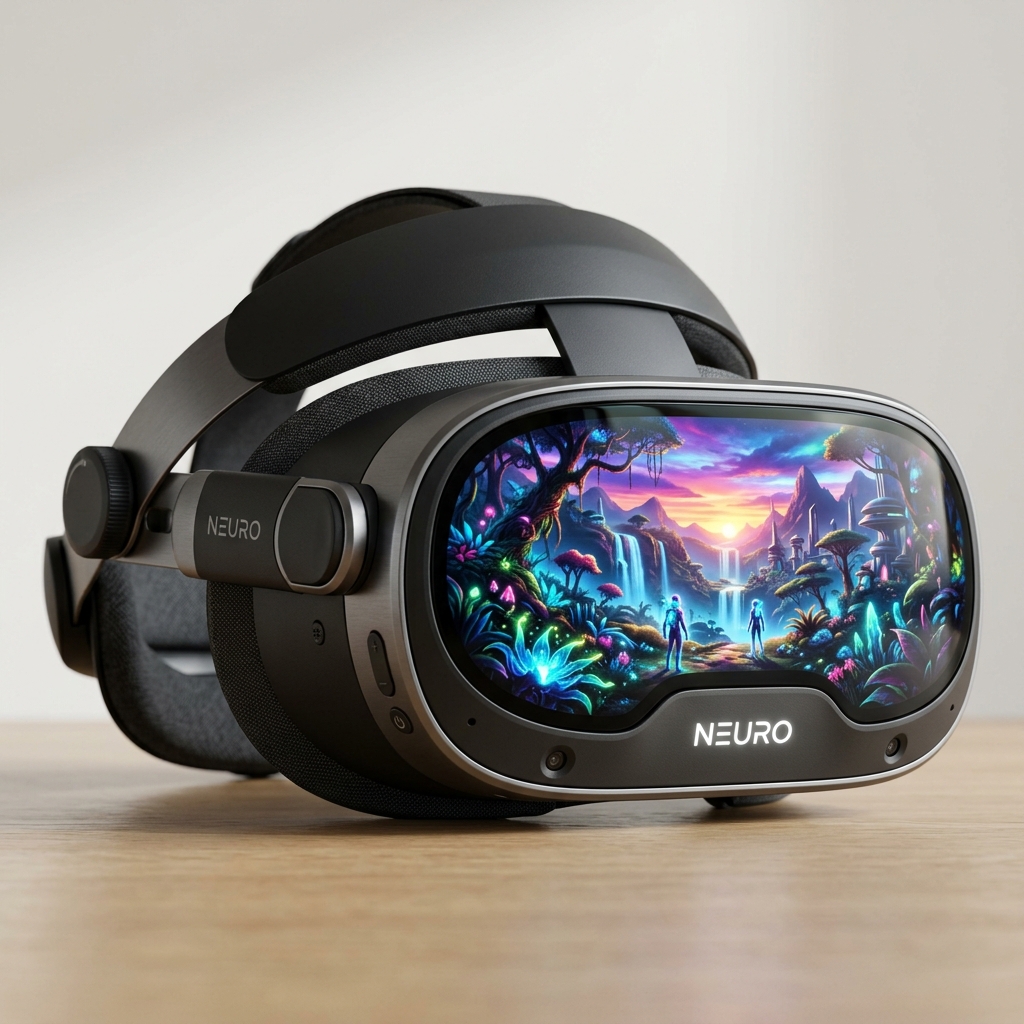
The choice of VR headset is crucial for an effective training experience. Below is a comparison table highlighting some of the best VR headsets available for pilot training in civil aviation:
| Model | Resolution | Field of View (FOV) | Refresh Rate | Tracking Type | Price |
|---|---|---|---|---|---|
| Meta Quest 3 | 2064 x 2208 per eye | 110 degrees | 120 Hz | Inside-out | $499 |
| Meta Quest 2 | 1832 x 1920 per eye | 90 degrees | 90 Hz | Inside-out | $299 |
| HTC Vive Focus 3 | 2448 x 2448 per eye | 120 degrees | 90 Hz | Inside-out | $999 |
| Valve Index | 1440 x 1600 per eye | 130 degrees | 120 Hz | External | $999 |
| PlayStation VR2 | 2000 x 2040 per eye | 110 degrees | 120 Hz | Inside-out | $549 |
| Apple Vision Pro | 4000 x 3000 per eye | 120 degrees | 90 Hz | Inside-out | $3499 |
Implementing VR Training Programs

- Identify training objectives specific to pilot competencies.
- Select appropriate VR headsets based on budget and training needs.
- Develop immersive flight scenarios that replicate real-world conditions.
- Integrate performance analytics tools to track pilot progress.
- Conduct regular assessments to measure skill development and training effectiveness.
DomineTec Tip: To ensure VR training data is safe, consider learning how to backup an iPhone to a computer without iCloud.
Technical Considerations for VR Pilot Training
VR systems must meet specific technical requirements to ensure a seamless training experience. High-resolution displays and wide field-of-view (FOV) are essential for realism.
Furthermore, low latency and high refresh rates are critical for minimizing motion sickness and enhancing immersion. Selecting a headset with robust tracking capabilities also contributes to accurate simulation of flight dynamics.
VR Software Solutions for Pilot Training
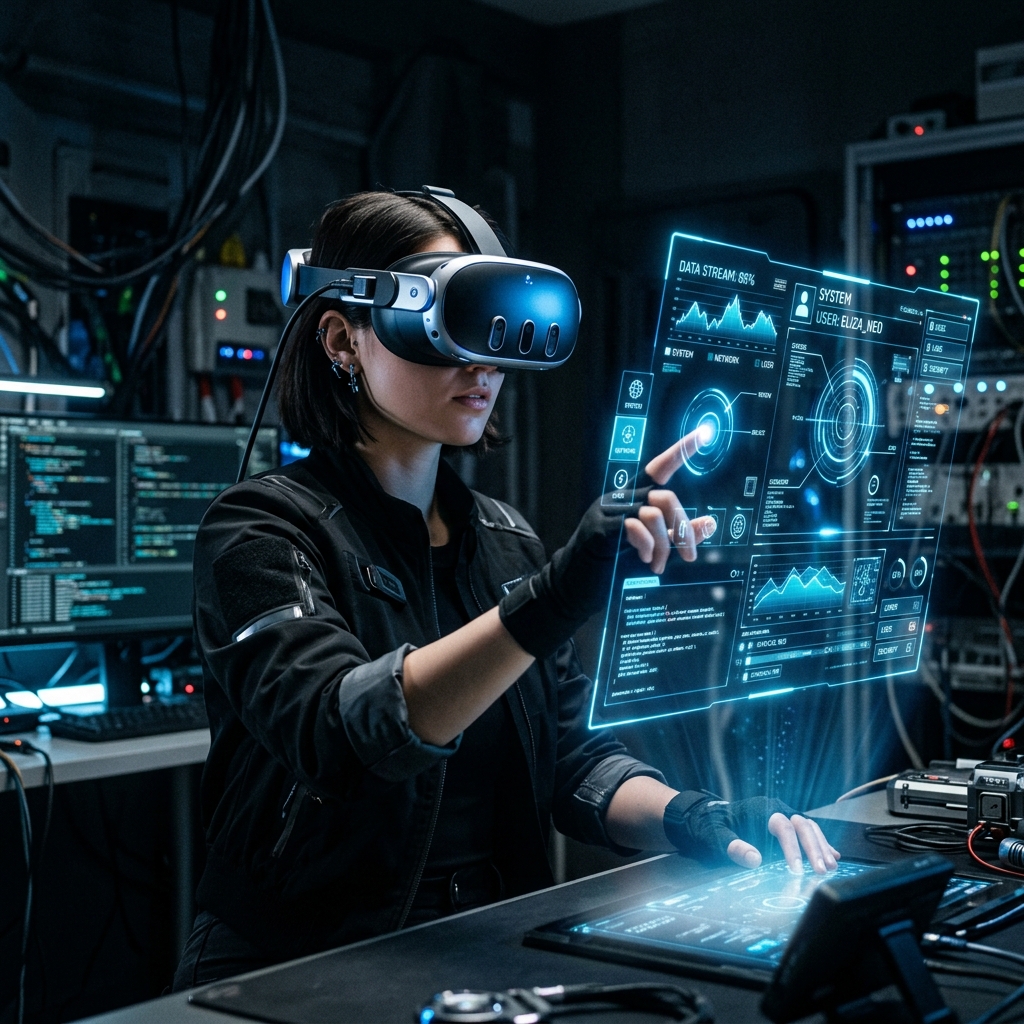
Several software platforms have been developed specifically for pilot training using VR. These solutions provide realistic simulations of cockpit environments, weather conditions, and emergency scenarios.
Some notable platforms include FlightSafety International's VR training programs and CAE's immersive learning solutions. These tools facilitate a hands-on approach to learning complex aviation concepts.
Challenges of VR in Pilot Training
While virtual reality offers numerous benefits, it is not without challenges. High initial costs for hardware and software development can be a barrier for some training organizations.
Additionally, the need for trained personnel to operate VR systems can further complicate implementation. Balancing traditional methods with VR training requires careful consideration and planning.
The Future of VR in Civil Aviation
The future of virtual reality in civil aviation looks promising, with ongoing advancements in technology and increasing recognition of its benefits in pilot training. As VR systems become more affordable and accessible, more training organizations are expected to adopt this innovative approach.
Future developments may include enhanced haptic feedback systems and AI-driven training scenarios that adapt in real-time to pilot performance. Such innovations will likely make VR an indispensable tool in pilot training.
Conclusion
Virtual reality in civil aviation is transforming how commercial pilots are trained. By providing realistic, immersive experiences, VR enhances learning outcomes and safety in the aviation industry.
As technology continues to evolve, so will the methods and tools used in pilot training, making VR an integral part of the future of aviation education.
Benefits of VR Training for Pilots
Virtual Reality (VR) training offers numerous advantages for commercial pilots, including enhanced safety and cost-effectiveness. By simulating real-world scenarios, pilots can practice emergency procedures without the risks associated with actual flight training.
Cost-Effectiveness of VR Training
Implementing VR technology in pilot training can significantly reduce costs associated with traditional flight simulators and aircraft usage. This allows flight schools and airlines to allocate resources more efficiently while maintaining high training standards.
Realistic Scenarios and Environments
VR technology enables the creation of highly realistic flying environments, allowing pilots to experience various weather conditions and emergency situations. This immersive experience enhances decision-making skills and prepares pilots for real-life challenges.
Customization and Flexibility in Training
VR training programs can be tailored to meet the specific needs of individual pilots or airlines. This customization ensures that training is relevant and effective, addressing unique operational challenges faced by different flight crews.
Assessment and Feedback Mechanisms
Advanced VR systems can track pilot performance in real-time, providing immediate feedback on their actions. This data-driven approach allows instructors to identify areas for improvement and adjust training programs accordingly.
Integration with Traditional Training Methods
While VR training is revolutionary, it is most effective when integrated with traditional training methods. Combining VR simulations with in-flight training ensures a comprehensive learning experience that covers both theoretical and practical aspects of flying.
Future Trends in VR for Aviation Training
The future of VR in aviation training looks promising, with ongoing advancements in technology and software. Emerging trends include the use of artificial intelligence to create adaptive learning environments that respond to individual pilot performance.
Challenges and Limitations of VR Training
Despite its many benefits, VR training also faces challenges, such as the high initial investment in technology and the need for ongoing maintenance. Additionally, some pilots may experience motion sickness or discomfort during VR simulations, which can hinder the learning process.
Case Studies: Successful Implementation of VR in Pilot Training
Several airlines and flight schools have successfully implemented VR training programs, showcasing its effectiveness. These case studies provide valuable insights into best practices and the positive impact of VR on pilot proficiency and safety.
Regulatory Considerations for VR Training
As VR training becomes more prevalent, regulatory bodies must establish guidelines to ensure its safety and effectiveness. Collaboration between aviation authorities and VR developers will be crucial in creating standardized training protocols.
Conclusion: The Future of Pilot Training with VR
Virtual Reality is poised to transform the landscape of pilot training, offering innovative solutions that enhance safety and efficiency. As technology continues to evolve, the integration of VR into aviation training will likely become the norm, preparing pilots for the challenges of modern flight operations.
Introduction to Virtual Reality in Pilot Training
Virtual Reality (VR) has revolutionized the way commercial pilots are trained, offering immersive experiences that traditional methods cannot match. By simulating real-world scenarios, VR enhances the learning process and prepares pilots for various flight conditions.
With the use of advanced VR headsets like the Oculus Quest 2 and HTC Vive Pro, trainees can engage in realistic flight simulations. These devices provide a 360-degree view of the cockpit and surrounding environment, making training sessions more effective and engaging.
The integration of VR technology into pilot training programs has shown significant improvements in knowledge retention and skill acquisition. As the aviation industry continues to evolve, embracing VR is essential for developing competent and confident pilots.
Benefits of VR Training for Commercial Pilots
One of the primary benefits of VR training is the ability to practice emergency procedures in a safe environment. Pilots can experience critical situations, such as engine failures or severe weather, without the risks associated with real-life training.
Additionally, VR training allows for repeated practice of specific maneuvers, leading to mastery over time. This repetition is crucial for building muscle memory and ensuring that pilots can respond effectively under pressure.
Cost-effectiveness is another advantage of VR training. By reducing the need for expensive flight hours and simulator rentals, airlines can allocate resources more efficiently while still providing high-quality training experiences.
Real-World Applications of VR in Aviation
Many airlines and flight schools are already implementing VR technology into their training curricula. For instance, companies like Boeing and Airbus are exploring VR simulations to enhance pilot training and operational efficiency.
Furthermore, VR can be used for crew resource management training, helping pilots develop communication and teamwork skills. This holistic approach to training ensures that pilots are well-prepared for both technical and interpersonal challenges.
As VR technology continues to advance, its applications in aviation training will expand. Future developments may include more sophisticated simulations that incorporate artificial intelligence to create adaptive learning environments for pilots.
Challenges and Considerations in VR Pilot Training
Despite its many advantages, the integration of VR in pilot training is not without challenges. One significant concern is the potential for motion sickness, which can affect some trainees during immersive simulations.
Moreover, the initial investment in VR technology can be substantial, requiring airlines and training institutions to weigh the costs against the benefits. However, as the technology matures, prices are expected to decrease, making it more accessible.
Finally, ensuring that VR training complements traditional methods is crucial. A blended approach that combines VR with hands-on experience will provide the most comprehensive training for aspiring commercial pilots.
The Future of VR in Aviation Training
The future of VR in aviation training is bright, with ongoing advancements in technology promising even more realistic simulations. Innovations such as haptic feedback and improved graphics will enhance the training experience, making it more immersive.
As the aviation industry embraces digital transformation, VR will play a pivotal role in shaping the next generation of pilots. This shift will not only improve training outcomes but also contribute to overall aviation safety.
Ultimately, the successful integration of VR into pilot training programs will depend on collaboration between technology developers, airlines, and regulatory bodies. Together, they can create a training ecosystem that prepares pilots for the challenges of modern aviation.
Discover more valuable tech guides from DomineTec to elevate your setup, such as the buyer comparison on how to buy Meta Quest 3 or learn the direct steps to backup iPhone to computer without iCloud.
Frequently Asked Questions
1. What is Virtual Reality (VR) in the context of pilot training?
Virtual Reality (VR) in pilot training refers to the use of immersive technology that simulates real-world flying experiences, allowing pilots to practice and hone their skills in a controlled environment.
2. How does VR improve the training experience for commercial pilots?
VR enhances the training experience by providing realistic scenarios, allowing pilots to experience various flight conditions and emergencies without the risks associated with actual flying.
3. What are the benefits of using VR for pilot training compared to traditional methods?
The benefits of using VR include cost-effectiveness, increased safety, the ability to repeat scenarios, and the opportunity for pilots to learn at their own pace.
4. Can VR training be used for all types of pilot licenses?
Yes, VR training can be adapted for various types of pilot licenses, including private, commercial, and airline transport pilot licenses, covering different aircraft types and operational scenarios.
5. Are there any limitations to using VR in pilot training?
While VR offers many advantages, limitations include the need for high-quality hardware, potential motion sickness for some users, and the necessity of integrating VR training with traditional flight training methods.




