Using PEI Magnetic Bed Sheet with PLA Filament: Do You Need Glue?
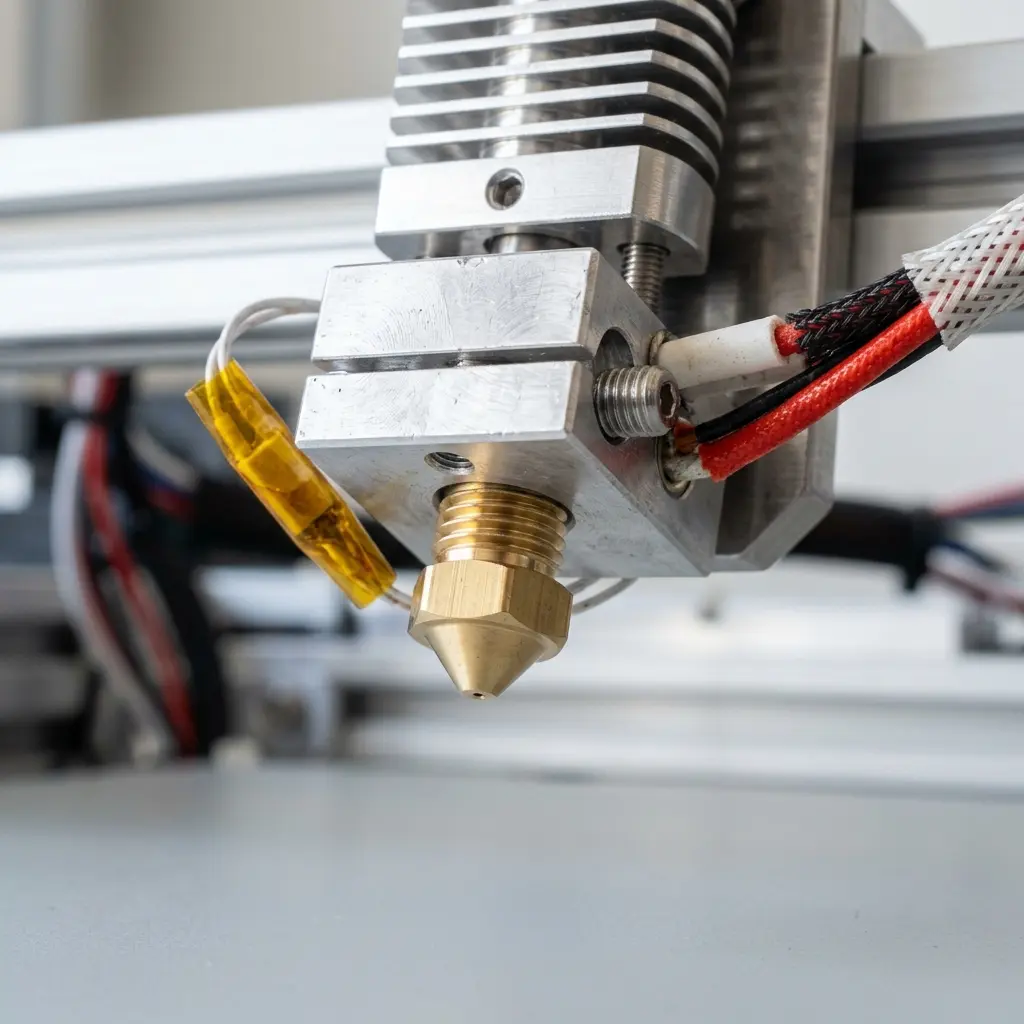
Using a PEI magnetic bed sheet with PLA filament generally does not require glue for successful adhesion.
Understanding PEI Magnetic Bed Sheets
PEI (Polyetherimide) magnetic bed sheets are popular among 3D printing enthusiasts due to their excellent adhesion properties. These flexible sheets are designed to provide a reliable surface for 3D prints, especially when using materials like PLA filament.
The unique composition of PEI allows it to create a strong bond with prints during the initial layers, which is crucial for preventing warping and ensuring successful print completion. Understanding how PEI works can assist in optimizing print quality and reducing the likelihood of print failures.
Benefits of Using PEI with PLA Filament
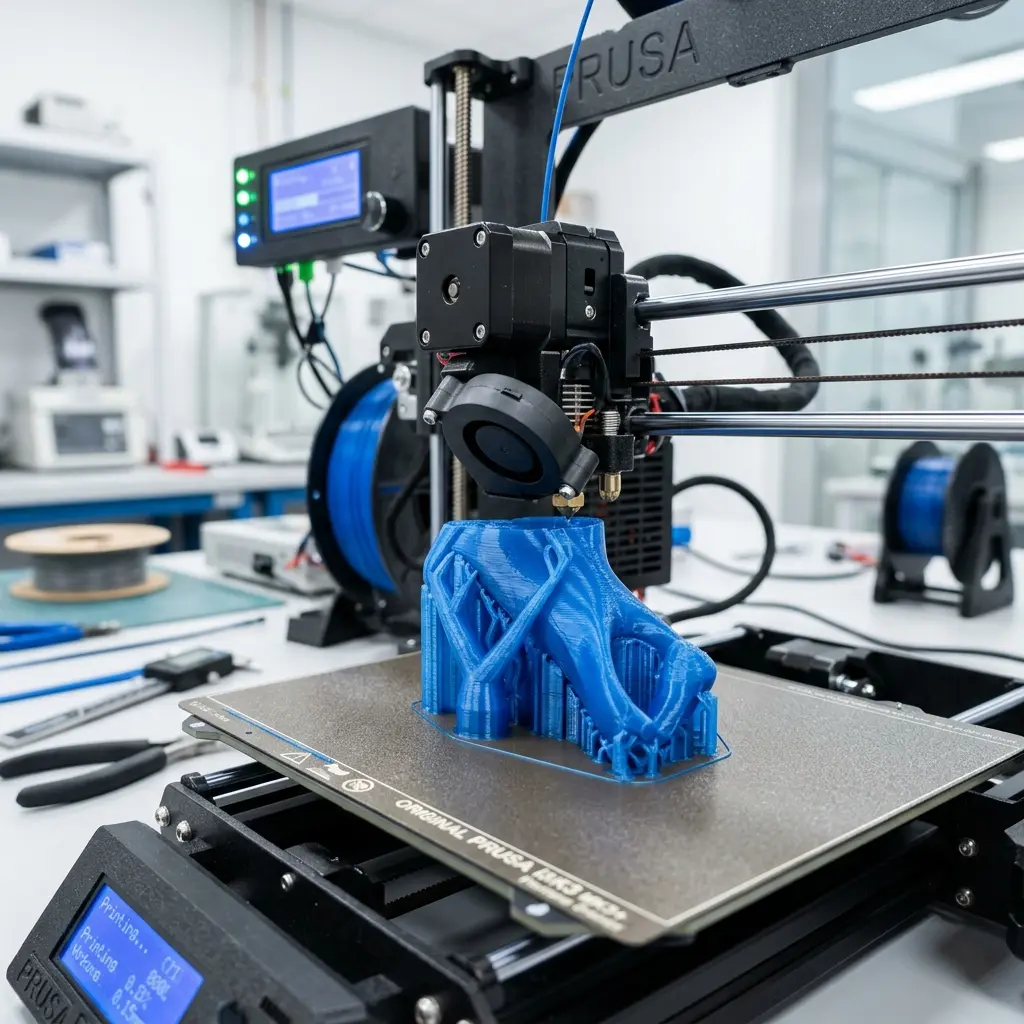
Utilizing a PEI magnetic sheet offers various advantages when printing with PLA filament. One significant benefit is the ease of print removal once the print has cooled down.
PLA adheres well to PEI without the need for additional adhesives, which simplifies the printing process and reduces preparation time. The surface also resists scratching and wear, making it suitable for multiple prints.
When Is Glue Necessary?
While many users report successful prints without glue, specific conditions may warrant its use. For instance, if the first layer does not adhere properly, a light application of glue stick can provide additional grip.
Environmental factors such as temperature fluctuations or drafts in the printing area can also affect adhesion. In these situations, using glue may enhance the bond between the print and the bed surface.
Best Practices for Using PEI Sheets with PLA
To maximize the benefits of PEI sheets with PLA filament, several best practices should be followed. First, ensure the PEI surface is clean and free from oil or dust by wiping it down with isopropyl alcohol.
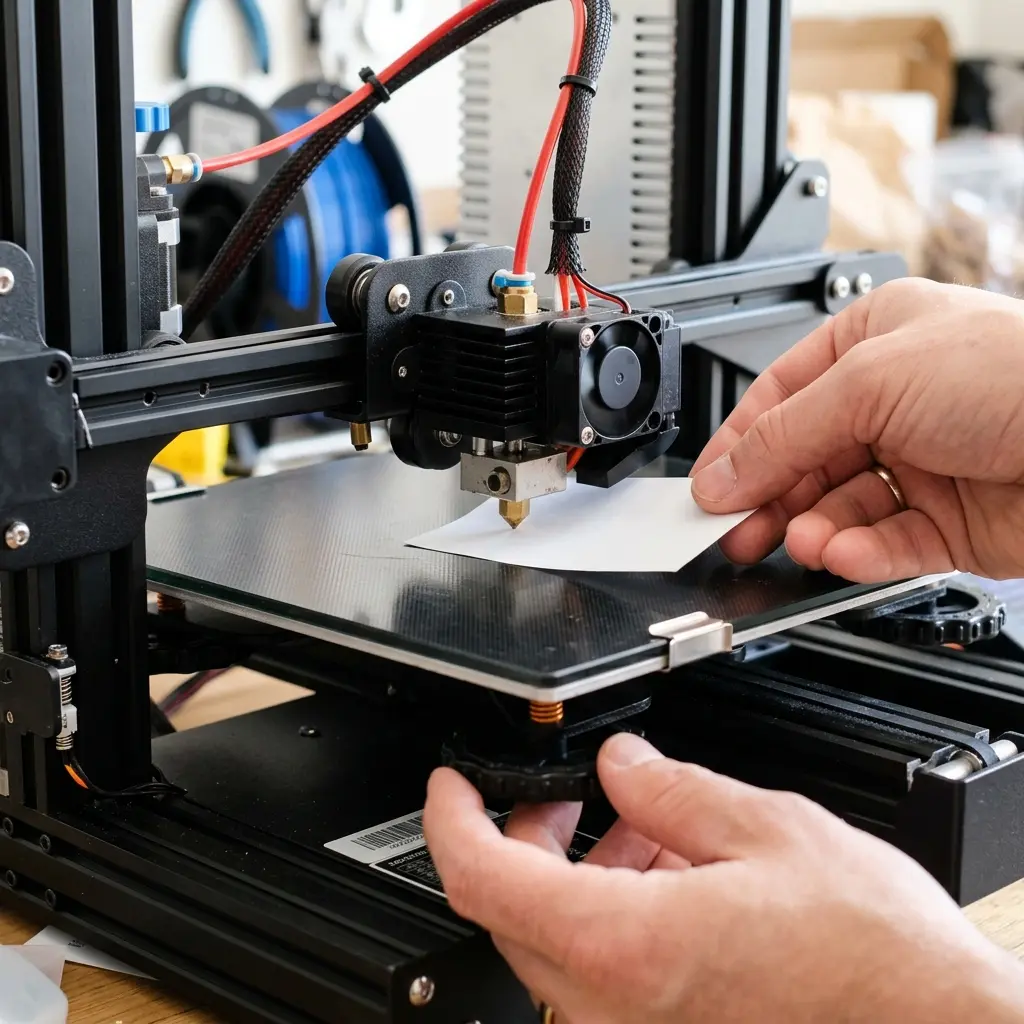
Next, calibrate the 3D printer to ensure proper bed leveling, as this will significantly impact the first layer's adhesion. The nozzle height should be set correctly to avoid squishing the filament too much or being too far away.
Comparative Analysis: PEI vs Other Bed Surfaces
| Bed Surface | Adhesion with PLA | Durability | Ease of Print Removal |
|---|---|---|---|
| PEI | Excellent | High | Easy |
| Glass | Good | Medium | Moderate |
| Blue Tape | Moderate | Low | Easy |
| BuildTak | Good | Medium | Moderate |
DomineTec Tip: Always clean the PEI surface after each print to maintain adhesion and prolong the lifespan of the sheet.
Step-by-Step Guide to Preparing Your 3D Printer with PEI and PLA
- Start by cleaning the PEI surface with isopropyl alcohol.
- Level the print bed to ensure even nozzle distance.
- Load the PLA filament into the extruder.
- Set the temperature for the nozzle, typically around 190-220°C for PLA.
- Begin the print and monitor the first layer for proper adhesion.
Common Issues and Troubleshooting Tips
Adhesion problems can sometimes arise even with PEI sheets. One common issue is the filament not sticking during the first layer, which may require adjustments to the bed level or nozzle height.
If prints warp or lift from the bed, consider increasing the bed temperature or utilizing a light layer of glue or hairspray as a temporary solution. Additionally, environmental factors like drafts can be mitigated by moving the printer to a more stable area.
Frequently Asked Questions
Do all PLA filaments work well with PEI sheets?
Most PLA filaments perform admirably on PEI sheets, but variations in formulation may affect adhesion. Always test with small prints first to determine compatibility.
Is it safe to use glue on PEI sheets?
Yes, using glue like a glue stick or PVA can enhance adhesion if necessary. Ensure that the glue is applied thinly to avoid residue buildup.
How often should a PEI sheet be replaced?
The lifespan of a PEI sheet varies based on use, but with proper care, it can last for many months. Signs of wear include scratches or a decrease in adhesion quality.
Can other materials besides PLA be printed on PEI sheets?
PEI sheets are compatible with various materials, including PETG and ABS. However, different materials may require different processing temperatures and settings.
How can one maintain the PEI surface?
Regular cleaning with isopropyl alcohol is essential for maintaining the PEI surface. Avoid abrasive cleaners or tools that could damage the sheet.
Advanced Techniques for Enhancing Adhesion
For users seeking to further enhance adhesion on PEI sheets, several advanced techniques can be implemented. Utilizing a heated bed can significantly improve the adhesion of the first layer, especially with larger prints.
Additionally, adjusting the first layer settings in the slicing software can provide better results. A slower print speed for the first layer allows for better adhesion to the print surface.
Heated Bed Settings
| Material | Bed Temperature (°C) | Notes |
|---|---|---|
| PLA | 50-60 | Helps with adhesion but not always necessary. |
| PETG | 70-80 | Increases adhesion and reduces warping. |
| ABS | 90-110 | Prevents warping and helps with layer adhesion. |
Checklist for 3D Printing with PEI and PLA
- Clean the PEI surface with isopropyl alcohol.
- Ensure the printer is calibrated and leveled.
- Check filament compatibility with PEI.
- Set appropriate nozzle and bed temperatures.
- Monitor the first layer closely for adhesion.
Final Thoughts on Using PEI with PLA
Using PEI magnetic bed sheets with PLA filament is an effective method for achieving high-quality prints. Understanding the properties of both the material and the bed surface can significantly influence the printing experience.
By following best practices, troubleshooting common issues, and utilizing advanced techniques, users can enhance their results and reduce print failures. The combination of PEI and PLA is a reliable choice for both beginners and experienced 3D printing enthusiasts.




