How to Use a Glass Bed with Hairspray for 3D Printing Adhesion
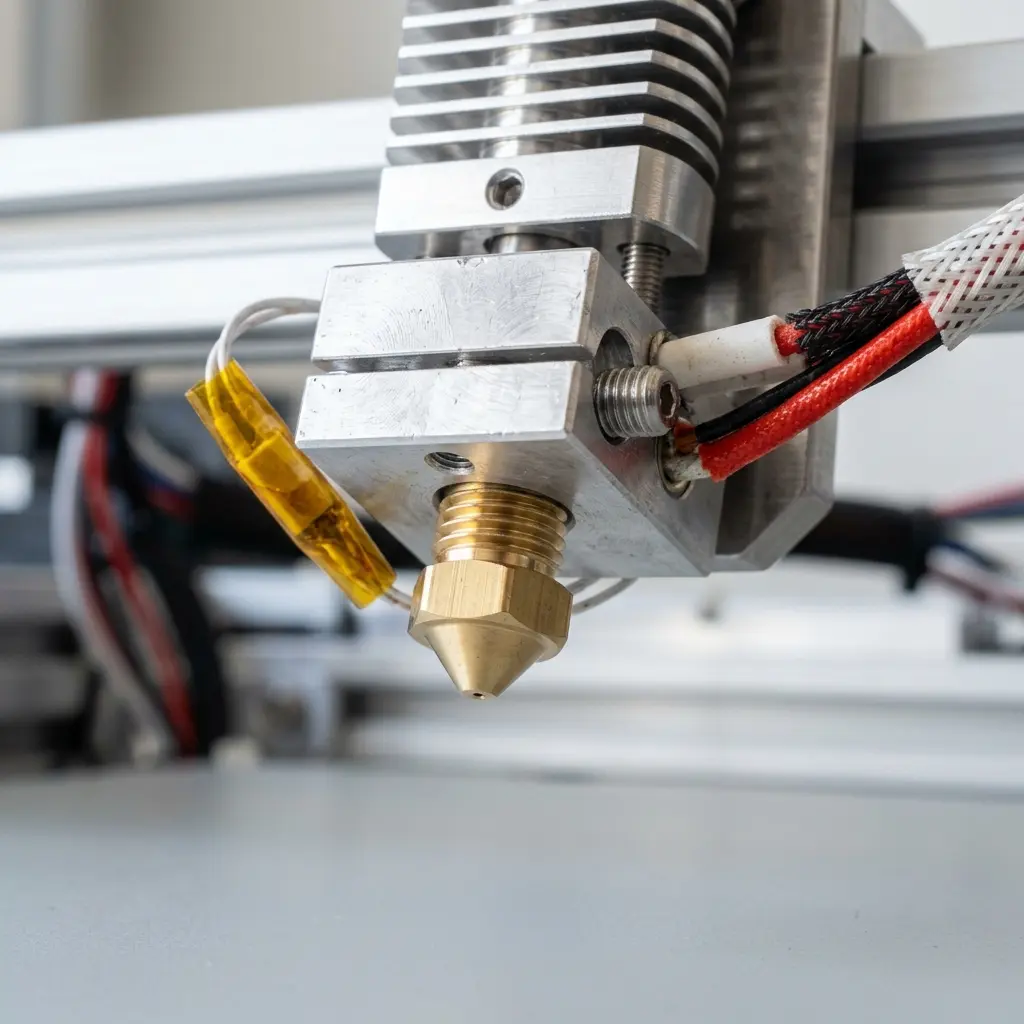
Using a glass bed with hairspray enhances 3D printing adhesion significantly, making prints stick better during the process.
Understanding the Basics of 3D Printing Adhesion
3D printing adhesion is crucial for successful prints. It prevents warping and ensures that the first layer adheres properly to the print bed.
Common adhesion methods include using adhesives, tapes, or specific bed surfaces. Hairspray, a popular choice among hobbyists, provides a simple and effective solution.
Why Choose a Glass Bed for 3D Printing?
A glass bed offers several benefits for 3D printing. It provides a smooth surface that promotes excellent adhesion and is easy to clean.
Glass beds also maintain a consistent temperature, reducing the risk of warping. Additionally, they can withstand high printing temperatures without deforming.
Preparing the Glass Bed for Hairspray Application
Before applying hairspray, ensure the glass bed is clean and free of any debris. Use isopropyl alcohol to wipe the surface and remove oils and dust.
After cleaning, dry the glass bed thoroughly to ensure proper adhesion of the hairspray. A clean surface enhances the effectiveness of the hairspray.
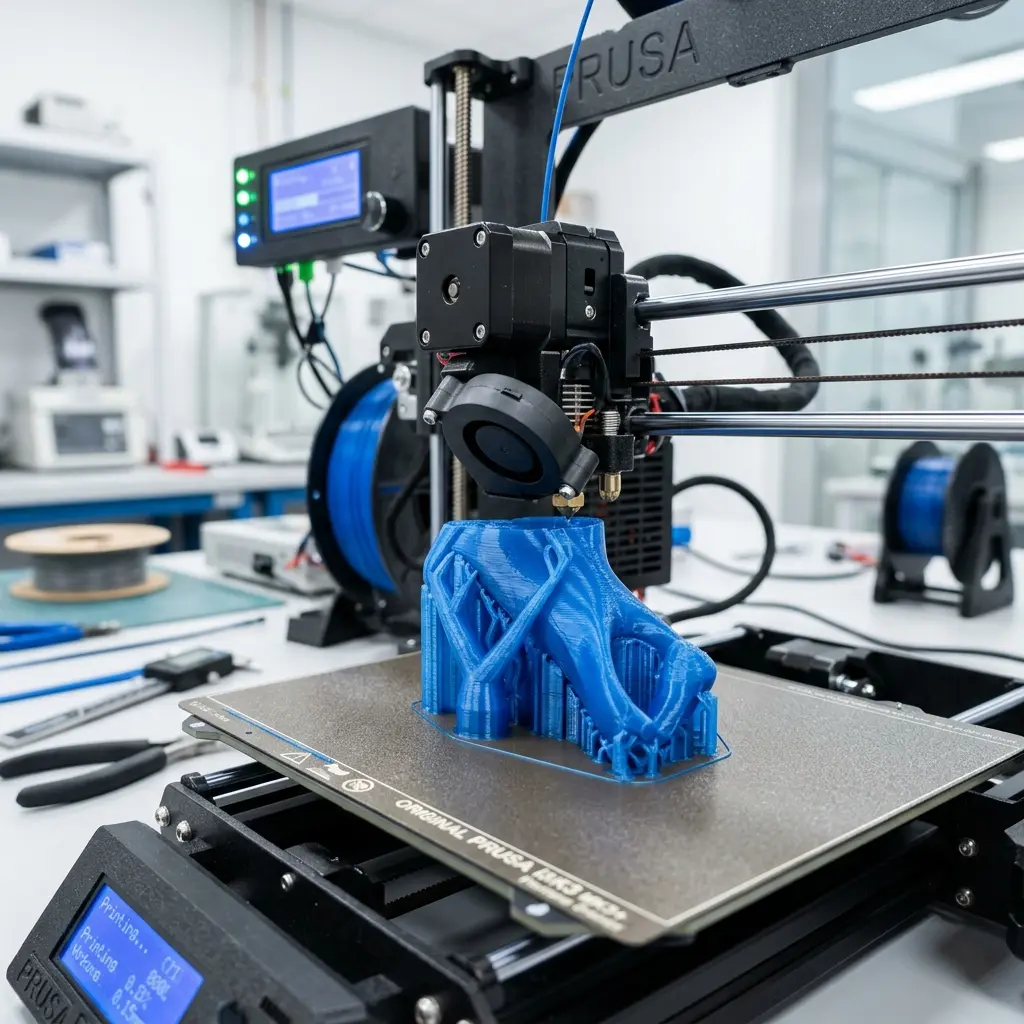
Choosing the Right Hairspray for 3D Printing
Not all hairsprays are suitable for 3D printing. The ideal choice should be free of oils and contain a strong adhesive base.
Look for hairsprays labeled as strong hold or extra hold. These formulations provide better adhesion for 3D printed parts.
Step-by-Step Guide to Using Hairspray on a Glass Bed
- Clean the glass bed with isopropyl alcohol to remove any contaminants.
- Ensure the bed is completely dry before proceeding.
- Shake the hairspray canister to mix the contents.
- Hold the canister about 10-12 inches above the bed.
- Spray an even layer of hairspray across the entire surface.
- Allow the hairspray to dry completely before starting the print.
Adjusting the Print Settings for Optimal Adhesion
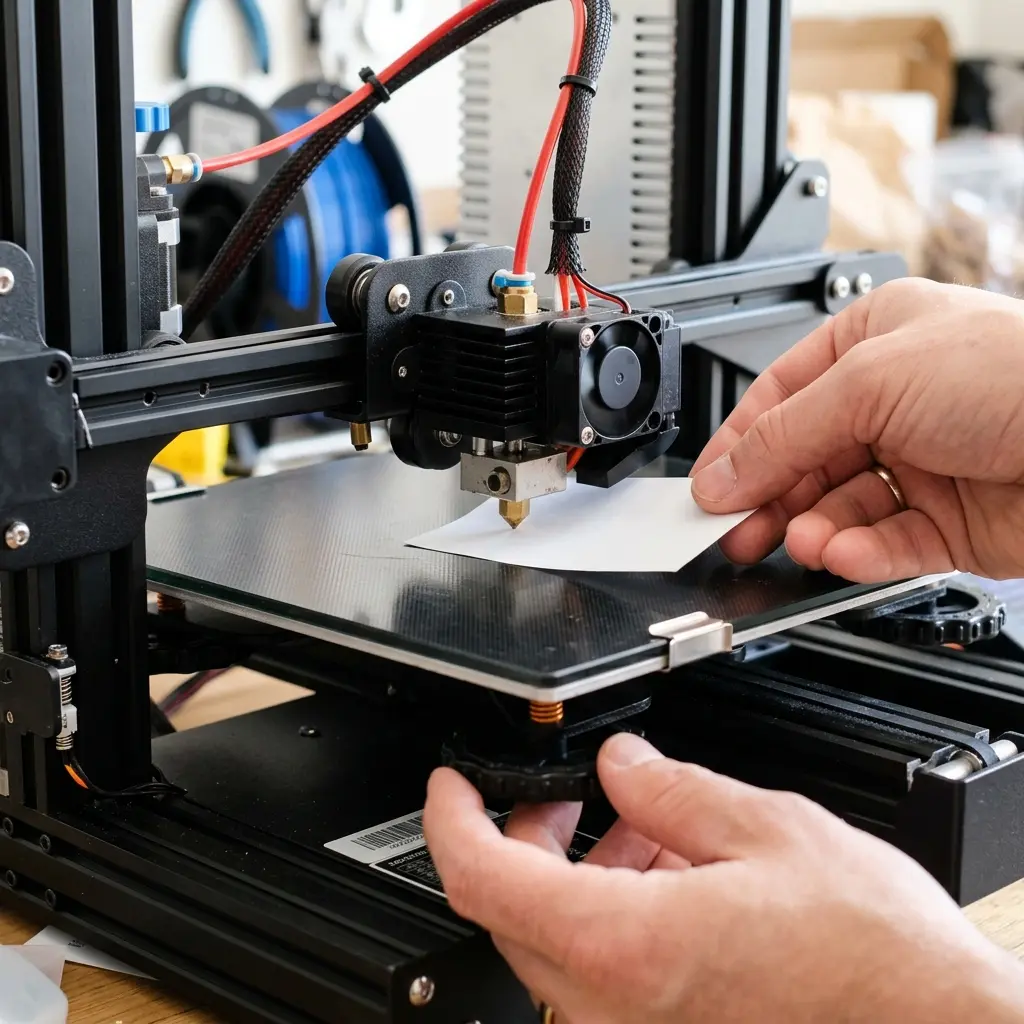
After applying hairspray, adjusting print settings is essential. The first layer height, print speed, and temperature can significantly impact adhesion.
A slower print speed for the first layer often improves adhesion. Additionally, slightly increasing the nozzle temperature may help the filament bond better.
DomineTec Tip: Experiment with different nozzle temperatures and first-layer speeds to find the best combination for your specific filament.
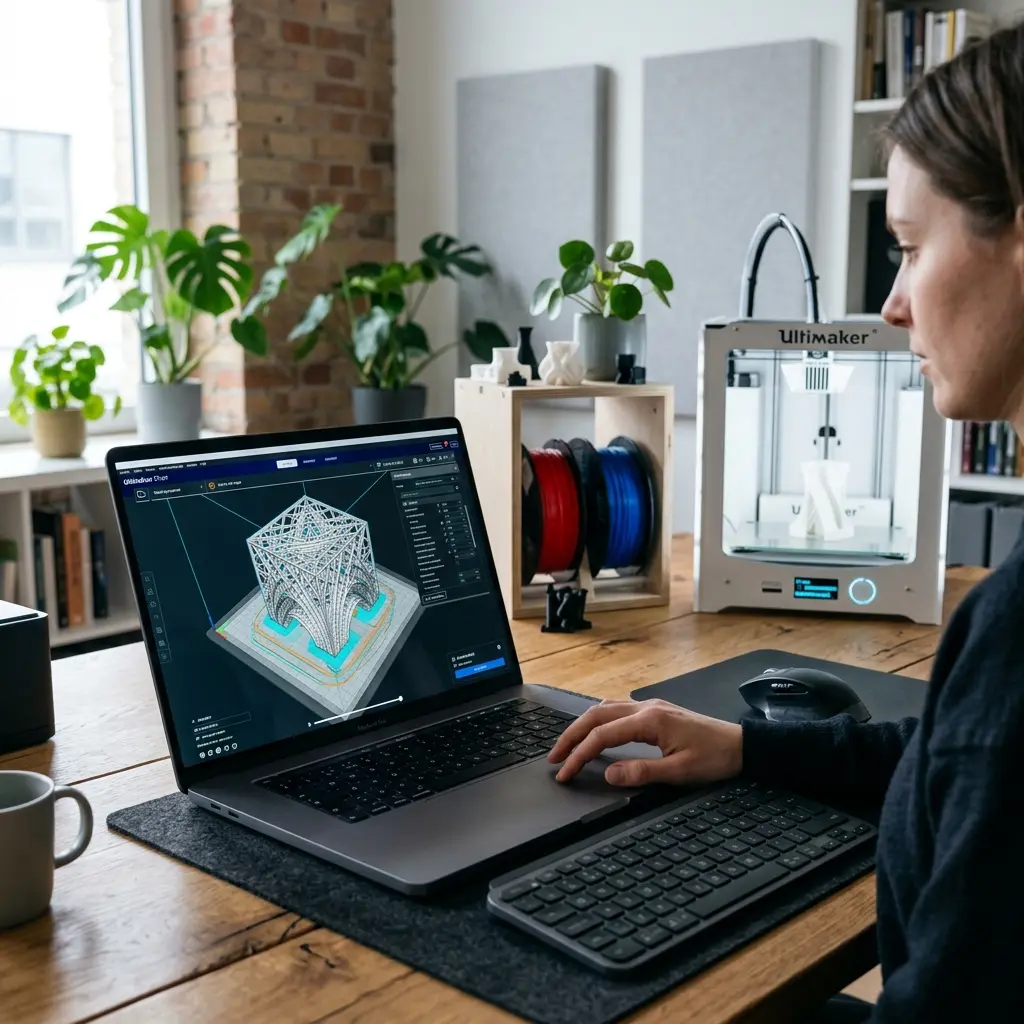
Comparative Analysis of Adhesion Techniques
| Adhesion Method | Effectiveness | Ease of Use | Cleaning |
|---|---|---|---|
| Hairspray | High | Easy | Moderate |
| Glue Stick | Medium | Very Easy | Easy |
| Blue Painter's Tape | Medium | Easy | Moderate |
| PEI Sheets | High | Moderate | Easy |
| Magnetic Flex Plates | High | Moderate | Easy |
Common Issues and Troubleshooting
Despite its effectiveness, using hairspray with a glass bed can present challenges. One common issue is the print not adhering properly after several uses of hairspray.
In such cases, cleaning the glass with isopropyl alcohol may restore adhesion. If problems persist, consider adjusting the application technique or exploring alternative adhesion methods.
When to Avoid Using Hairspray
In certain situations, hairspray may not be the best option for adhesion. For example, if using high-temperature filaments, hairspray can break down under excessive heat.
Additionally, if prints frequently warp or lift, investigating other adhesion methods may be more effective. Consider switching to specialized adhesives designed for high-temperature applications.
Frequently Asked Questions
Can hairspray damage the glass bed?
Hairspray is generally safe for glass beds but can leave a residue. Regular cleaning will prevent build-up and maintain optimal performance.
How often should hairspray be reapplied?
Reapplication frequency depends on print volume. Typically, a fresh layer before each print is recommended, especially for large or complex projects.
Is there a specific brand of hairspray recommended?
Brands labeled as strong or extra hold are preferred. Testing different types may be necessary to find the optimal option for specific filaments.
Can hairspray be used with all types of filaments?
Hairspray works well with many filaments, particularly PLA. However, for high-temperature materials, alternative adhesion methods are advisable.
What is the best way to clean a glass bed after using hairspray?
Using isopropyl alcohol with a lint-free cloth effectively removes hairspray residue. Ensuring the surface is clean before the next print is crucial.
Advanced Techniques for Enhancing Adhesion
Beyond basic application techniques, several advanced strategies can further enhance adhesion on a glass bed. Consider these methods for improved results.
Using a Primer or Adhesive Agent
Applying a primer specifically designed for 3D printing can increase adhesion. Some users find that a thin layer of PVA glue mixed with water acts as an excellent base for hairspray.
Heating the Glass Bed
Preheating the glass bed can enhance adhesion significantly. Many 3D printers allow users to set the bed temperature to improve initial layer bonding.
Layering Techniques
Experimenting with multiple thin layers of hairspray may yield better results. Allow each layer to dry completely before adding the next for optimal effectiveness.
Checklist for Optimizing 3D Print Adhesion
- Ensure the glass bed is clean and free of contaminants.
- Use a hairspray that is strong hold and free from oils.
- Apply a light, even coat of hairspray.
- Allow the hairspray to dry completely before starting the print.
- Adjust print settings, including temperature and speed, for the first layer.
- Consider preheating the glass bed to enhance adhesion.
- Regularly clean the glass bed to maintain optimal conditions.
Conclusion: Maximizing 3D Printing Success
Utilizing a glass bed with hairspray can significantly enhance the success of 3D printing projects. By following the outlined steps and techniques, users can achieve better adhesion, reduce failures, and improve overall print quality.
Experimentation and adjustment are key to finding the ideal setup for specific materials and printers. Adhering to best practices will contribute to a more efficient and productive 3D printing experience.




