Does a Standard USB Type-C Cable Work for Meta Quest Link? Speed Test Guide (Final Review Book Guide Tools Manual)

Does a Standard USB Type-C Cable Work for Meta Quest Link? Speed Test Guide
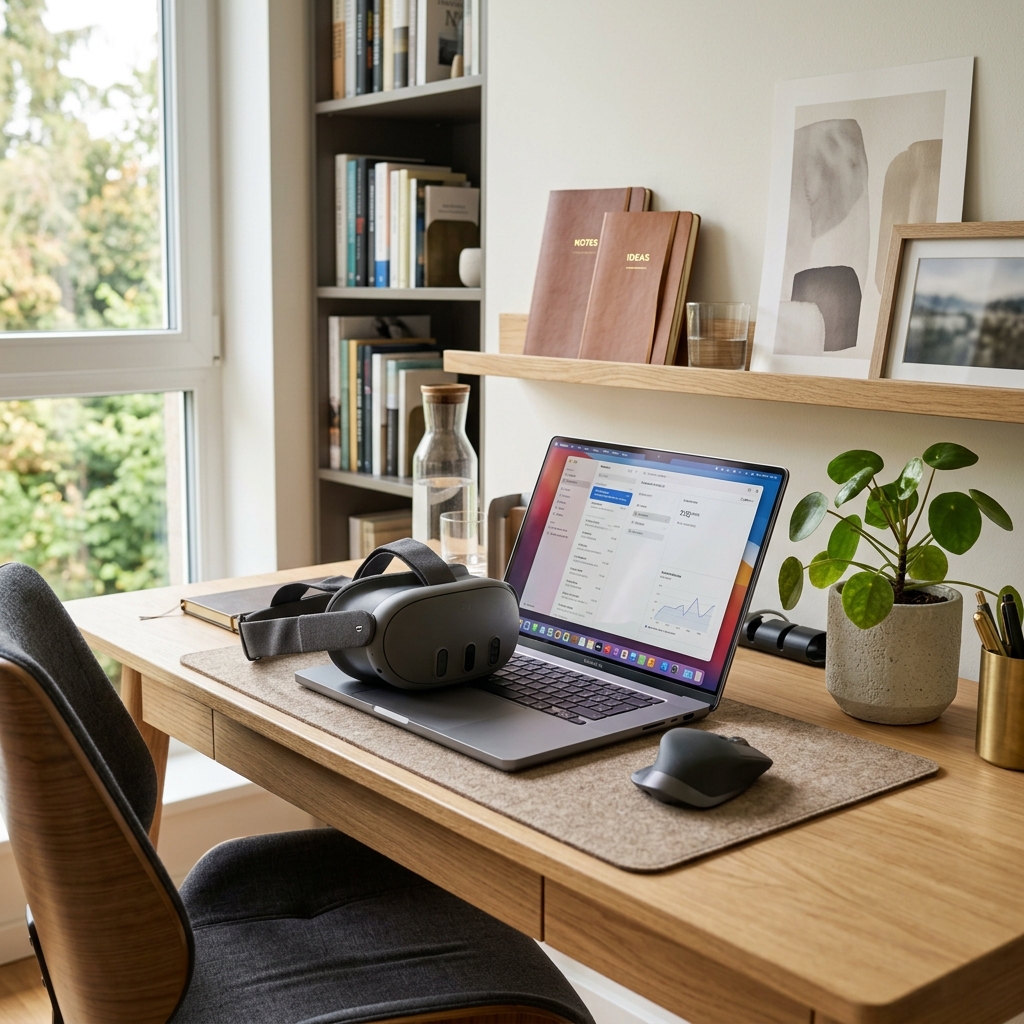
The Meta Quest Link is a groundbreaking feature that allows users to connect their Meta Quest headset to a gaming PC. This functionality opens up a world of possibilities for virtual reality gaming. However, a common question arises: does a standard USB Type-C cable suffice for this purpose?
Understanding USB Type-C and Its Capabilities
USB Type-C has rapidly become the standard for various devices due to its versatility and ease of use. It supports power delivery, data transfer, and even video output, making it an ideal candidate for VR headsets.
However, not all USB Type-C cables are created equal. The specifications of the cable can significantly impact performance, particularly in high-bandwidth applications like VR.
Key Specifications for VR Performance
For optimal performance with the Meta Quest Link, a USB Type-C cable must support USB 3.0 or higher. This ensures that the data transfer rates are sufficient for high-quality video and audio streaming.
Another critical aspect is the cable length. Longer cables can result in signal degradation, affecting the overall experience during gameplay.
Comparison of Popular VR Headsets
| VR Headset | Resolution | Refresh Rate | Link Cable Required | Wireless Capable |
|---|---|---|---|---|
| Meta Quest 2 | 1832 x 1920 per eye | 90Hz | USB 3.0 or higher | Yes |
| Meta Quest 3 | 2064 x 2208 per eye | 120Hz | USB 3.0 or higher | Yes |
| Valve Index | 1440 x 1600 per eye | 120Hz | DisplayPort + USB 3.0 | No |
| HTC Vive Pro 2 | 2448 x 2448 per eye | 120Hz | USB 3.0 + DisplayPort | No |
| Pico 4 | 2160 x 2160 per eye | 90Hz | USB 3.0 or higher | Yes |
Testing USB Type-C Cables for the Meta Quest Link
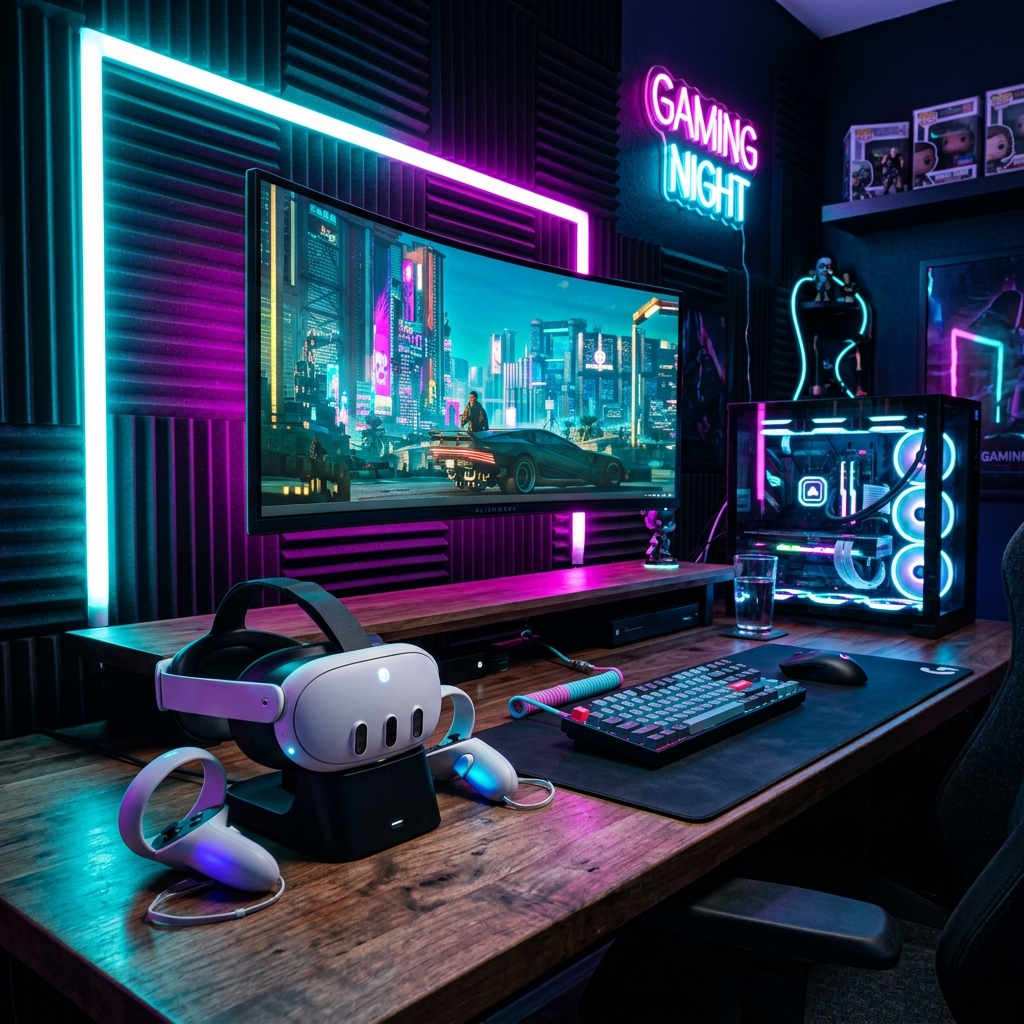
When testing a standard USB Type-C cable with the Meta Quest Link, several factors must be considered. A speed test can reveal whether the cable meets the necessary specifications for a seamless experience.
To perform a speed test, connect the Meta Quest headset to the PC using the USB Type-C cable. Utilize software designed to monitor data transfer rates. Aim for speeds above 5 Gbps, which is standard for USB 3.0.
Factors Influencing Performance
The quality of the USB Type-C cable can significantly influence the VR experience. Look for cables that are certified for high-speed data transfer and have robust construction.
Additionally, using a powered USB hub may enhance performance, especially with longer cable runs. Ensure that the hub supports the required USB standards.
Conclusion: Choosing the Right Cable
While a standard USB Type-C cable may work for basic functions, it is crucial to select a cable that meets or exceeds the USB 3.0 specification for an optimal VR experience. Investing in a high-quality cable will ensure smoother gameplay and enhanced visual fidelity.
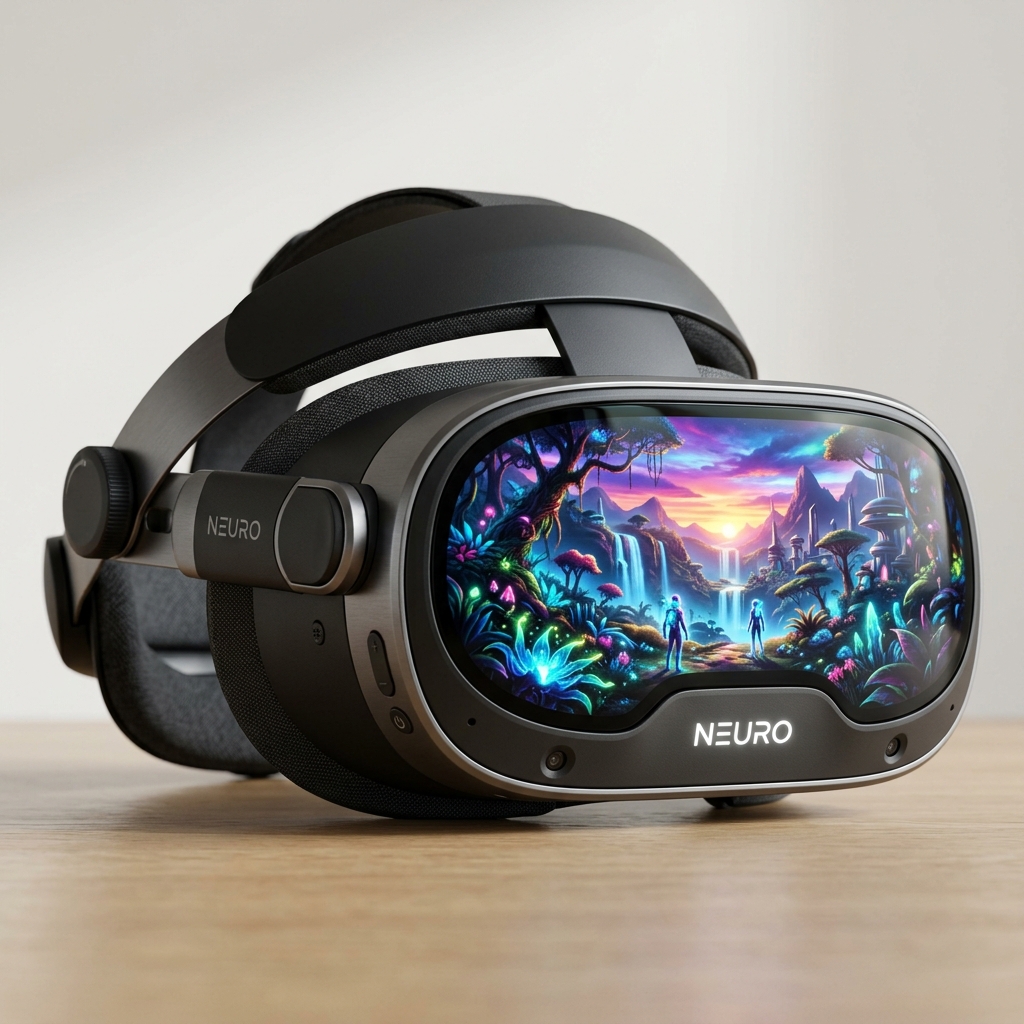
For those considering upgrading their VR setup, it may be worth exploring options like the Meta Quest 3, which offers improved specifications and performance.

FAQ
What USB Type-C cables are compatible with Meta Quest Link?
Only USB Type-C cables that support USB 3.0 or higher are recommended for the best performance with Meta Quest Link.
Can a longer USB Type-C cable be used for Meta Quest Link?
Yes, but it is essential to ensure that the cable maintains high data transfer speeds to avoid latency issues.
Is it possible to use a USB Type-C hub with Meta Quest Link?
Yes, a powered USB hub can improve performance, especially when using longer cables.
What is the minimum speed required for a USB Type-C cable for VR?
A minimum speed of 5 Gbps is required for a satisfactory VR experience using Meta Quest Link.
Where can I find cables specifically designed for VR?
Many online retailers offer VR-specific cables. Always check the specifications to ensure compatibility.
Understanding USB Type-C Compatibility
USB Type-C cables are designed to offer universal compatibility, but not all cables are equal. For devices like the Meta Quest Link, specific features are necessary to ensure optimal performance.
Confirming that a USB Type-C cable supports USB 3.0 or higher is crucial for VR applications. This ensures data transfer rates sufficient for high-quality virtual reality experiences.
Performance Metrics of USB Type-C Cables
When evaluating a USB Type-C cable for Meta Quest Link, focus on speed ratings. A cable capable of 10 Gbps or higher is ideal for seamless VR streaming.
Testing the cable with various VR applications can reveal performance bottlenecks, ensuring that users receive the best possible experience. Always look for cables that explicitly mention compatibility with VR headsets.
Speed Test Guide for Meta Quest Link
Conducting a speed test is essential to assess the effectiveness of a USB Type-C cable. Various online tools can provide insight into data transfer speeds, helping to identify potential issues.
Using a reliable USB-C speed test application can show real-time performance metrics. This information is invaluable for determining whether the chosen cable meets the demands of Meta Quest Link.
Essential Features for VR Cables
Not all USB Type-C cables are suitable for VR applications, and certain features stand out. Look for cables that include active chipsets to enhance performance over longer distances.
Additionally, durability is a key factor; reinforced connectors and high-quality materials can prevent wear and tear during regular use. These features contribute to a more reliable and enjoyable VR experience.
Top USB Type-C Cables for Meta Quest Link
Several USB Type-C cables are highly recommended for use with Meta Quest Link. The Anker Powerline+ III is known for its durability and speed, making it a popular choice among VR enthusiasts.
Another excellent option is the Cable Matters USB C to USB C 3.1 Gen 2 cable, which supports 10 Gbps data transfer. Selecting a cable from reputable brands can ensure reliable performance.
Common Issues with Standard USB Type-C Cables
Using a standard USB Type-C cable might lead to several performance issues. These can include slower data transfer speeds and increased latency, which can negatively impact the VR experience.
Identifying and addressing these issues can help in selecting the right cable for Meta Quest Link. Regular testing and validation of cable performance can help avoid frustrating experiences.
Future of USB Type-C in VR Technology
The evolution of USB Type-C technology suggests even greater capabilities for VR applications in the future. Newer models are likely to support faster data transfer rates and improved compatibility.
Staying informed about advancements in USB technology will aid in selecting the best cables for upcoming VR devices. This proactive approach ensures an optimal VR experience as technology progresses.
Conclusion: Choosing the Right Cable
Selecting the right USB Type-C cable for Meta Quest Link is essential for an immersive VR experience. Prioritize cables that meet speed and compatibility requirements for the best results.
Conducting thorough research and testing can help ensure that the cable chosen enhances the virtual reality experience rather than detracting from it. Quality cables lead to quality experiences.
Does a Standard USB Type-C Cable Work for Meta Quest Link?
The Meta Quest Link feature enables users to connect their Meta Quest headsets to a gaming PC. This allows for a seamless VR experience, utilizing the processing power of a computer to run more demanding applications. A key component in this setup is the USB Type-C cable being used for the connection.
Understanding USB Type-C Cables
USB Type-C is a versatile connector that supports various protocols for data transfer, power delivery, and video output. Not all USB Type-C cables are created equal, and the specifications of the cable can significantly impact performance.
Compatibility with Meta Quest Link
While a standard USB Type-C cable may connect a Meta Quest headset to a PC, not all cables are suitable for the high-bandwidth requirements of VR streaming. It is essential to understand the specifications needed for optimal performance.
Minimum Requirements for Meta Quest Link
To ensure smooth performance and low latency when using Meta Quest Link, certain cable specifications should be met:
- USB 3.0 or higher for data transfer rates.
- Length should ideally be between 10 to 16 feet for sufficient reach without signal degradation.
- Power delivery capability of at least 15W to charge the headset during use.
Speed Test Guide for USB Type-C Cables
To determine if a specific USB Type-C cable is suitable for Meta Quest Link, conducting a speed test is advisable. This test can help in evaluating the performance of the cable in real-world conditions.
Conducting a Speed Test
Follow these steps to perform a speed test on your USB Type-C cable:
- Connect the Meta Quest headset to a PC using the cable in question.
- Ensure that the Meta Quest software is installed and up to date.
- Launch a VR application that requires high data bandwidth, such as a game from the Oculus Store.
- Monitor the performance for lag, stutter, or connection drops.
Recommended USB Type-C Cables
Here are some recommended USB Type-C cables that are known to work effectively with Meta Quest Link:
| Brand | Model | Data Transfer Speed | Length | Power Delivery |
|---|---|---|---|---|
| Anker | Powerline II USB-C to USB-C 3.1 Gen 2 | Up to 10 Gbps | 6 ft | 60W |
| UGREEN | USB C to USB C Cable 3.1 | Up to 10 Gbps | 10 ft | 100W |
| Cable Matters | USB C to USB C Gen 2 Cable | Up to 10 Gbps | 3 ft | 60W |
| JSAUX | USB C to USB C Cable 3.0 | Up to 5 Gbps | 10 ft | 60W |
Final Review and Conclusions
In conclusion, using a standard USB Type-C cable may not provide the best experience with Meta Quest Link. The performance can vary significantly depending on the cable's specifications, such as data transfer speed and power delivery capability.
Factors to Consider When Choosing a USB Type-C Cable
When selecting a USB Type-C cable for Meta Quest Link, consider the following:
- Always choose cables that support USB 3.0 or higher for optimal performance.
- Longer cables may introduce latency; aim for a length that balances reach and performance.
- Check for power delivery specifications to ensure the headset remains charged during extended play sessions.
Testing and Validation
After purchasing a cable, it is advisable to perform a speed test as described earlier. This will confirm whether the cable meets the necessary requirements for an enjoyable VR experience.
Alternative Wireless Options
For those who prefer a cable-free experience, the Meta Quest also offers the option of wireless streaming through Air Link. This feature allows for a more flexible setup but may require a strong Wi-Fi connection for optimal performance.
Conclusion
In summary, while a standard USB Type-C cable can connect a Meta Quest headset to a PC, it is crucial to use a cable that meets specific performance criteria. Opting for high-quality cables designed for high-speed data transfer and power delivery will enhance the VR experience significantly.
For the best results, always refer to user reviews and performance benchmarks for any cable before making a purchase. This will ensure that the chosen cable will meet the demands of Meta Quest Link and provide a satisfactory VR experience.