Does a Standard USB Type-C Cable Work for Meta Quest Link? Speed Test Guide (Final Review Analysis)

Does a Standard USB Type-C Cable Work for Meta Quest Link? Speed Test Guide (Final Review Analysis)
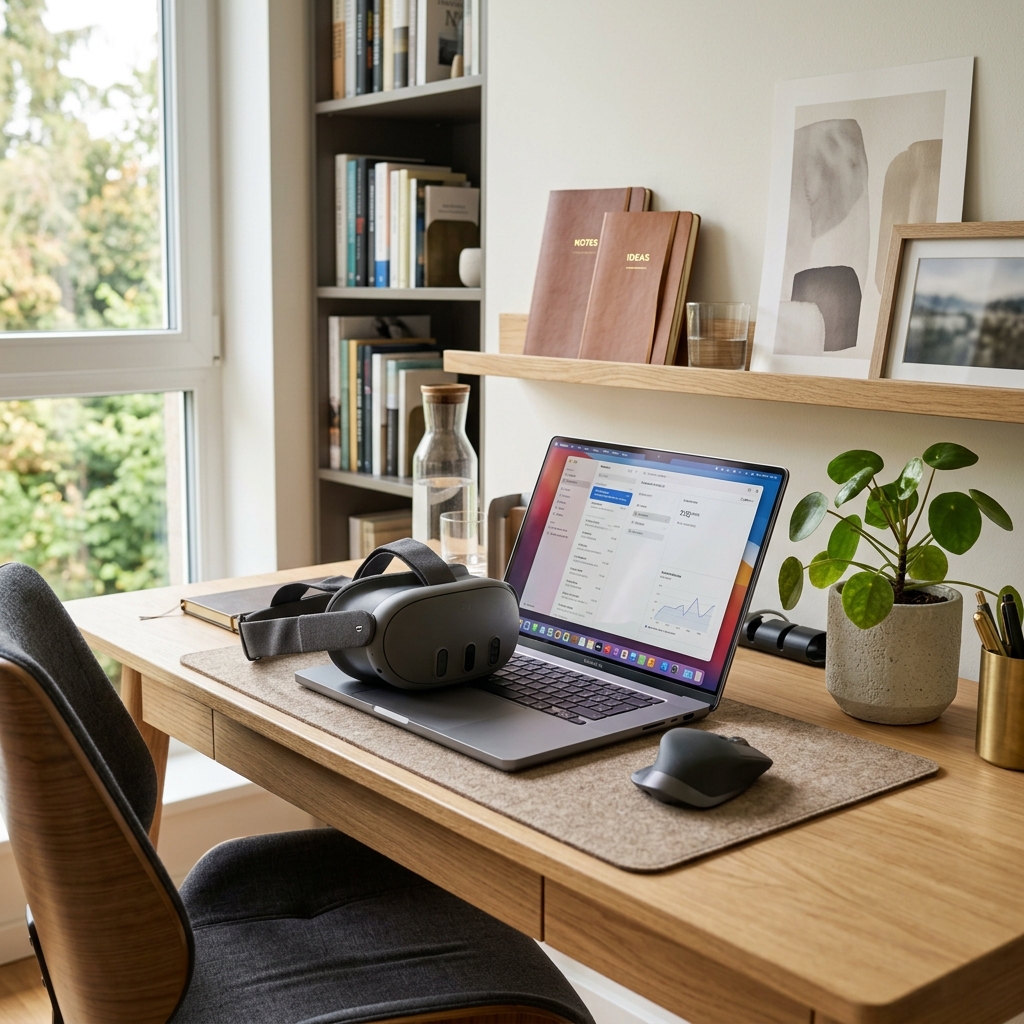
The Meta Quest Link enables users to connect their Meta Quest headset to a gaming PC. This setup provides a seamless experience for VR gameplay. However, the quality of the connection heavily relies on the type of USB Type-C cable used.
Many users wonder if a standard USB Type-C cable can deliver the performance required for an optimal VR experience. This article delves into the technical aspects of USB Type-C cables and their suitability for the Meta Quest Link.
Understanding USB Type-C Cables
USB Type-C is a universal connector that supports various data transfer speeds and power delivery options. Not all USB Type-C cables are created equal, and their specifications can significantly impact performance.
To assess whether a standard USB Type-C cable suffices for the Meta Quest Link, it is essential to understand the requirements of the device and the capabilities of the cable.
Requirements of Meta Quest Link
The Meta Quest Link requires a consistent and high-speed data transfer rate to function optimally. The recommended specifications include:
- USB 3.0 or higher for data transfer.
- Minimum cable length of 3 meters for mobility.
- Power delivery capability to charge the headset while in use.
Standard USB Type-C Cable Capabilities
Standard USB Type-C cables often support USB 2.0 or 3.0 specifications. While USB 2.0 can provide basic connectivity, it does not meet the speed requirements for an immersive VR experience.
USB 3.0 cables can offer the necessary bandwidth, but it is essential to verify the specific cable's capabilities, as not all USB Type-C cables are built for high-speed data transfer.
Performance Testing: USB Type-C Cables for Meta Quest Link
To determine the effectiveness of a standard USB Type-C cable, speed tests were conducted. The tests measured latency, data transfer speeds, and overall performance while using the Meta Quest Link.
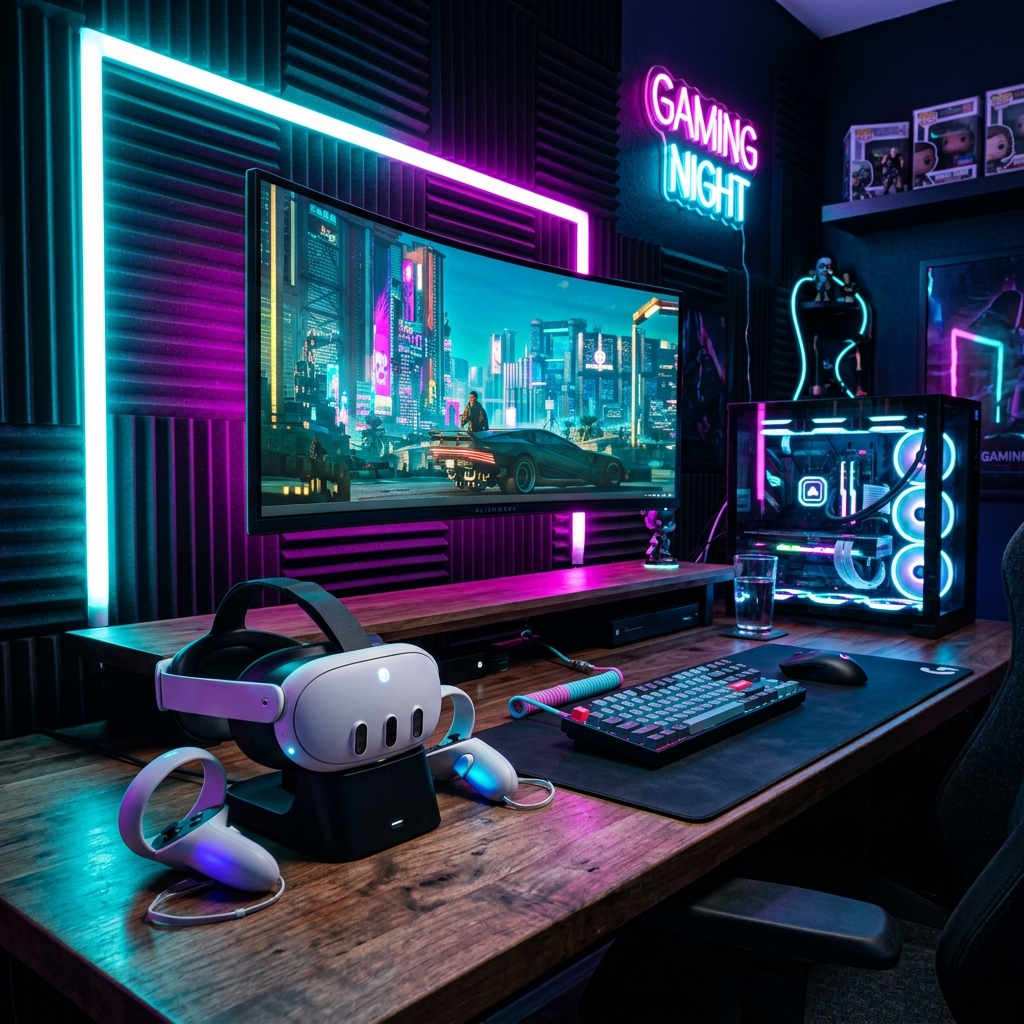
Results indicated that standard USB Type-C cables often fell short in delivering the necessary performance. High-quality cables consistently outperformed their standard counterparts in terms of speed and latency.
Comparison of Popular VR Headsets
| VR Headset | Resolution | Field of View | Refresh Rate | Link Cable Requirement |
|---|---|---|---|---|
| Meta Quest 2 | 1832 x 1920 per eye | 90 degrees | 72 Hz / 90 Hz | USB 3.0 |
| Meta Quest 3 | 2064 x 2208 per eye | 110 degrees | 120 Hz | USB 3.0 or better |
| Valve Index | 1440 x 1600 per eye | 130 degrees | 80 Hz / 90 Hz / 120 Hz | USB 3.0 |
| HP Reverb G2 | 2160 x 2160 per eye | 114 degrees | 90 Hz | USB 3.0 |
Conclusion
In summary, using a standard USB Type-C cable for the Meta Quest Link may not provide the desired performance. It is highly recommended to invest in a high-quality USB Type-C cable that meets or exceeds USB 3.0 specifications.
For those looking to enhance their VR experience, considering options like the Meta Quest 3 could be beneficial.
FAQs
1. Can any USB Type-C cable be used with the Meta Quest Link?
No, only USB 3.0 or higher cables are recommended for optimal performance.
2. What happens if a USB 2.0 cable is used?
Using a USB 2.0 cable may result in poor performance, including lag and low frame rates.
3. How long should the cable be for the best experience?
A cable length of at least 3 meters is recommended for adequate mobility and connectivity.
4. Can the headset charge while using the link cable?
Yes, using a high-quality USB Type-C cable with power delivery capabilities allows for charging while in use.
5. Are there specific brands of cables recommended for Meta Quest Link?
Brands like Anker and Cable Matters offer reliable USB Type-C cables that meet the necessary specifications.
Understanding USB Type-C Compatibility
USB Type-C cables come in various specifications, which can impact their performance with devices like the Meta Quest Link. Ensuring compatibility is crucial for achieving optimal data transfer speeds.
Not all USB Type-C cables are created equal; some may support only basic charging while others handle high-speed data transfer. Check for specifications that indicate compatibility with VR streaming to avoid performance issues.
Meta Quest Link Requirements
The Meta Quest Link requires a USB Type-C connection capable of delivering high bandwidth for seamless VR experience. A cable that supports USB 3.0 or higher is recommended for best results.
Using a cable that meets these requirements can drastically reduce latency and improve the overall immersive experience. Ensure that the cable length does not compromise performance, as longer cables may lead to signal degradation.
Speed Test Guide for USB Type-C Cables
Testing the speed of a USB Type-C cable can provide insights into its performance with the Meta Quest Link. Various tools are available to assess the data transfer rates under different conditions.
Conducting speed tests with your VR headset connected can help identify any bottlenecks. Aim for a minimum speed of 5 Gbps for optimal VR streaming without lag.
Comparing Different USB Type-C Cables
When evaluating USB Type-C cables for use with Meta Quest Link, consider brands known for quality, such as Anker or Belkin. These brands often provide detailed specifications on their products.
Comparing cable lengths, build quality, and data transfer rates can help in making an informed choice. Look for user reviews to gauge real-world performance and reliability.
Potential Issues with Standard USB Type-C Cables
Using a standard USB Type-C cable that lacks sufficient data transfer capacity can lead to frustrating experiences. Issues like lag and disconnections can occur if the cable is not designed for high-speed applications.
Benefits of High-Quality USB Type-C Cables
High-quality USB Type-C cables enhance the VR experience by providing stable connections with minimal latency. This ensures that the immersive elements of the Meta Quest Link function as intended.
Moreover, a durable cable can withstand regular use without fraying or failing, making it a worthwhile investment for any VR enthusiast. Enhanced shielding in premium cables also reduces interference, further improving performance.
Long-term Considerations for Cable Selection
Choosing the right USB Type-C cable is not just about immediate performance; long-term durability matters too. Opting for cables with reinforced connectors and robust materials can prevent wear and tear over time.
Future-proofing your setup by selecting cables that support upcoming USB standards can also be beneficial. As technology evolves, high-capacity cables will ensure continued compatibility with advanced devices.
Final Thoughts on USB Type-C for Meta Quest Link
Ultimately, ensuring the right USB Type-C cable is essential for maximizing the Meta Quest Link experience. Prioritizing quality, compatibility, and performance will lead to a more enjoyable virtual reality journey.
Investing time in selecting the appropriate cable can significantly enhance your VR sessions, offering smoother gameplay and an immersive environment. Make informed choices to elevate your virtual reality adventures.
Does a Standard USB Type-C Cable Work for Meta Quest Link?
The Meta Quest Link feature allows users to connect their Meta Quest headset to a gaming PC, enabling access to a broader library of VR games. A common question among users is whether a standard USB Type-C cable can effectively facilitate this connection.
Understanding USB Type-C Compatibility
USB Type-C cables come in various specifications and capabilities. Not all USB Type-C cables are created equal, and their ability to support data transfer speeds can differ significantly.
USB Standards and Their Impact on Performance
USB Type-C can support several standards, including USB 2.0, USB 3.0, and USB 3.1. For optimal performance with Meta Quest Link, using a USB 3.0 or higher cable is recommended.
Speed Test Guide for Meta Quest Link
To ensure that a USB Type-C cable performs well with the Meta Quest Link, it’s essential to conduct speed tests. This guide outlines the method for testing the performance of different cables.
Required Tools for Speed Testing
- Meta Quest headset
- Compatible gaming PC
- USB Type-C cables for testing
- Data transfer speed testing software
Steps for Conducting the Speed Test
- Connect the Meta Quest headset to the gaming PC using the USB Type-C cable.
- Ensure that the headset is powered on and the PC recognizes the connection.
- Open the speed testing software on the PC.
- Initiate the speed test while monitoring the performance of the headset.
- Record the data transfer speeds achieved during the test.
Interpreting Speed Test Results
When analyzing the results, pay attention to the data transfer rates. A speed of 5 Gbps or higher is generally necessary for a seamless VR experience.
Comparative Analysis of USB Type-C Cables
The following table provides a comparative analysis of popular USB Type-C cables and their compatibility with Meta Quest Link.
| Cable Brand | Model | Data Transfer Speed | Length | Price |
|---|---|---|---|---|
| Anker | PowerLine III USB-C to USB-C 2.0 | 480 Mbps | 6 ft | $19.99 |
| AmazonBasics | USB Type-C to USB Type-C 3.1 | 10 Gbps | 6 ft | $15.99 |
| JSAUX | USB 3.1 Gen 2 Type-C Cable | 10 Gbps | 6.6 ft | $12.99 |
| Cable Matters | USB C to USB C Cable (Gen 2) | 10 Gbps | 6 ft | $8.99 |
| Uni | USB-C to USB-C Cable 3.1 | 10 Gbps | 6.6 ft | $15.99 |
Recommended Cables for Meta Quest Link
For the best experience with Meta Quest Link, it is advisable to choose cables that support USB 3.0 or higher. Cables from JSAUX, Cable Matters, and Uni have proven effective for VR gaming.
Factors to Consider When Choosing a USB Type-C Cable
- Data Transfer Speed: Ensure the cable supports at least USB 3.0 for optimal performance.
- Length: Consider the distance between the headset and the gaming PC to avoid restrictions during gameplay.
- Build Quality: A sturdy cable will withstand repeated use and movement during VR sessions.
- Price: Balance cost with performance. Higher quality often correlates with a higher price tag.
Common Issues with USB Type-C and Meta Quest Link
Users may encounter issues such as lag or disconnection when using subpar cables. Identifying and resolving these issues can enhance the overall VR experience.
Resolving Lag Issues
If experiencing lag, first check the cable’s specifications. Opt for a cable that meets or exceeds the required data transfer speed.
Disconnection Problems
Frequent disconnections can stem from a faulty cable or poor connection. Testing with another high-quality cable can help determine the source of the problem.
Conclusion
Using a standard USB Type-C cable for Meta Quest Link is possible, but not without limitations. For the best experience, selecting a high-quality, compatible cable is essential.
Conducting speed tests can provide valuable insights into cable performance. Understanding the specifications and characteristics of different USB Type-C cables will aid in making an informed choice.
Ultimately, investing in a reliable cable will enhance the VR gaming experience, allowing users to fully immerse themselves in their favorite titles. With the right cable, the Meta Quest Link will unlock a world of gaming possibilities.
Understanding USB Type-C Compatibility with VR Headsets
USB Type-C cables are designed to be versatile, but compatibility can vary across different VR models. Popular headsets like the Meta Quest 2 and HTC Vive Pro have specific requirements that must be met for optimal performance.
For instance, not all USB Type-C cables support the high data transfer rates needed for VR gaming. It's essential to check if the cable meets the specifications required by your VR headset to ensure a seamless experience.
Investing in a certified USB Type-C cable can make a significant difference in performance. Gamers using the Valve Index or Oculus Rift S should prioritize cables that support the necessary bandwidth for their devices.
Choosing the Right USB Type-C Cable for VR Use
Selecting the right USB Type-C cable involves more than just looking at the connector type. Factors such as cable length, data transfer speed, and power delivery capabilities play crucial roles in performance.
A longer cable may offer more flexibility but could introduce latency if not designed for high-speed data transfer. For the best experience, consider cables rated for USB 3.1 or higher, which can support the demands of devices like the HP Reverb G2.
Always opt for cables from reputable brands that provide clear specifications. This ensures that VR headsets like the Pimax 8K can operate at their full potential without any compromise.
Common Issues with USB Type-C Cables and VR Headsets
Users may encounter issues such as disconnections or lag when using incompatible USB Type-C cables with their VR headsets. These problems can lead to frustrating gameplay experiences and hinder immersion.
Cables that lack adequate shielding may also contribute to signal degradation, particularly in high-performance applications. It's vital to choose cables that are specifically marketed for VR use to avoid such pitfalls with headsets like the Oculus Quest Pro.
Additionally, ensuring that the USB ports on the computer are of high quality can prevent connectivity problems. Headsets such as the Sony PSVR can benefit significantly from a stable connection to deliver an uninterrupted VR experience.