Does a Standard USB Type-C Cable Work for Meta Quest Link? Speed Test Guide (Detailed)
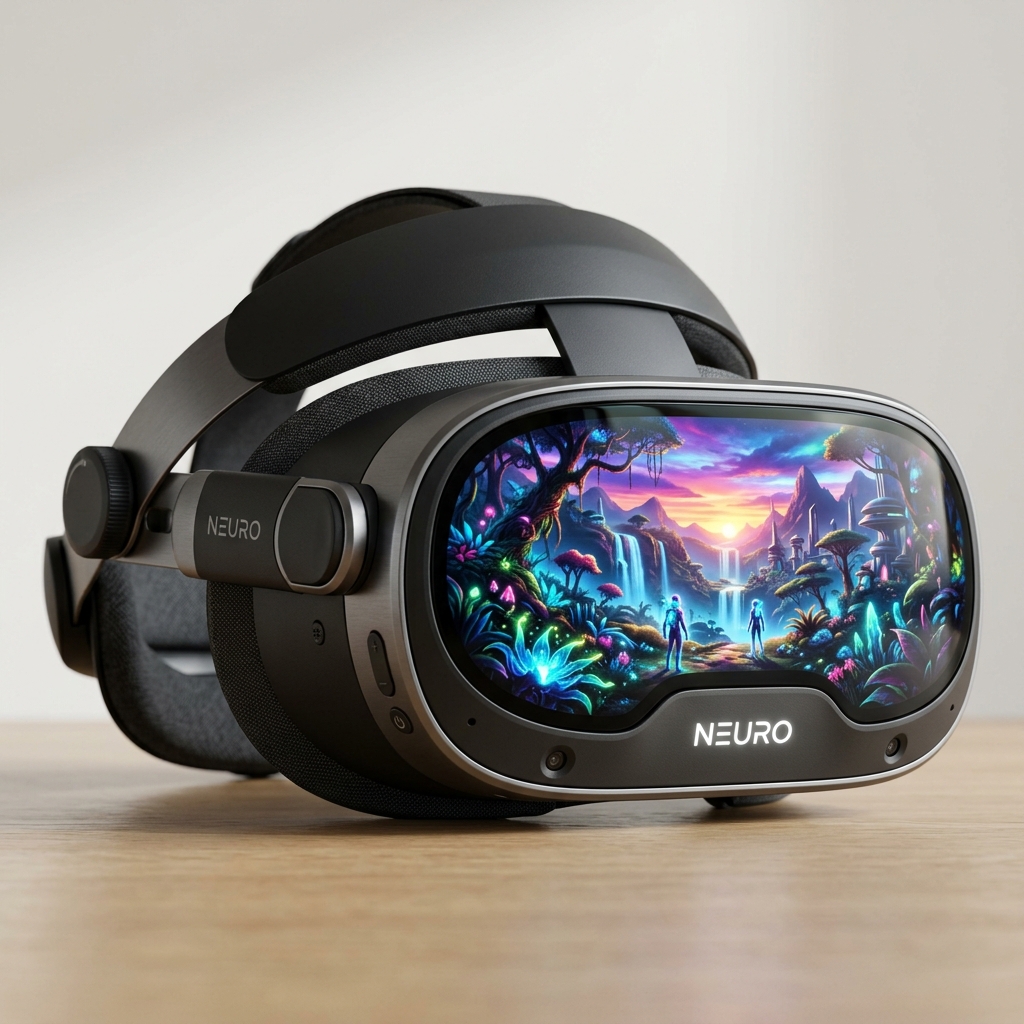
Does a Standard USB Type-C Cable Work for Meta Quest Link? Speed Test Guide (Detailed)
The Meta Quest Link allows users to connect their VR headset to a gaming PC for a superior virtual reality experience. Understanding whether a standard USB Type-C cable suffices for this connection is crucial for optimal performance.
A standard USB Type-C cable can work with Meta Quest Link, but certain specifications must be met to ensure adequate data transfer speed and power delivery. Not all USB Type-C cables are created equal; using a low-quality cable may result in lag or connectivity issues.
USB Type-C Cable Requirements for Meta Quest Link
To effectively use the Meta Quest Link, the USB Type-C cable must support USB 3.0 or higher. The minimum data transfer rate required is 5 Gbps, which is essential for smooth gameplay and minimal latency.
Additionally, the cable should ideally be at least 16 feet long if a wired connection is desired, as this allows for comfortable movement during VR sessions.
Comparison of USB Type-C Cables and VR Headsets
| Headset Model | Cable Type | Data Transfer Rate | Length | Power Delivery (W) |
|---|---|---|---|---|
| Meta Quest 3 | USB Type-C | 5 Gbps | 3m (9.8ft) | 15W |
| Meta Quest 2 | USB Type-C | 5 Gbps | 3m (9.8ft) | 15W |
| HTC Vive Focus 3 | USB Type-C | 10 Gbps | 2m (6.6ft) | 30W |
| Valve Index | USB Type-C | 10 Gbps | 3.5m (11.5ft) | 20W |
| PlayStation VR2 | USB Type-C | 5 Gbps | 1m (3.3ft) | 15W |
| Apple Vision Pro | USB Type-C | 10 Gbps | 3m (9.8ft) | 20W |
Step-by-Step Speed Test Guide
- Gather the necessary equipment: Meta Quest headset, a USB Type-C cable, and a gaming PC.
- Connect the headset to the PC using the USB Type-C cable.
- Download and install the Oculus Link application on the PC.
- Launch the application and navigate to the settings menu.
- Select the “Devices” tab, and ensure the headset is recognized.
- Run a speed test within the Oculus Link to check data transfer rates.
- Monitor latency and frame rates during gameplay for real-time performance assessment.
DomineTec Tip: To enhance the VR experience, consider using a high-quality USB Type-C cable designed for data-intensive applications. Visit here to buy Meta Quest 3.
Impact of Cable Quality on Performance
Using a high-quality USB Type-C cable can significantly enhance the performance of Meta Quest Link. Poor-quality cables may not support the necessary data transfer rates, leading to increased latency and reduced visual fidelity.
When selecting a cable, look for those that explicitly state compatibility with VR systems or have received positive reviews from the VR community.
Checklist for Purchasing a USB Type-C Cable
- Verify the cable supports USB 3.0 or higher.
- Ensure the cable length is suitable for your VR setup.
- Check customer reviews for performance feedback.
- Confirm power delivery specifications meet the headset's requirements.
- Look for a warranty or satisfaction guarantee from the manufacturer.
Common Misconceptions
One common misconception is that any USB Type-C cable will suffice for VR applications. However, the performance differences between cables can be dramatic, influencing overall user experience.
Another misconception is that longer cables always reduce performance. In reality, if the cable meets quality standards, longer lengths can be used without significant data loss.

Conclusion
In summary, a standard USB Type-C cable can work for Meta Quest Link if it meets the required specifications. Prioritizing quality and performance will significantly enhance the VR experience, making it essential to choose wisely.
Frequently Asked Questions
1. Can any USB Type-C cable be used for Meta Quest Link?
No, only USB Type-C cables that support USB 3.0 or higher are recommended for optimal performance.
2. What is the ideal length for a USB Type-C cable for VR?
A length of at least 16 feet is ideal for comfortable movement during VR sessions.
3. How can cable quality affect the VR experience?
Poor-quality cables can lead to increased latency, reduced frame rates, and overall diminished visual fidelity.
4. Is it necessary to run speed tests when using Meta Quest Link?
Running speed tests helps assess the performance of the connection, ensuring an optimal VR experience.
5. Where can I find high-quality USB Type-C cables?
High-quality USB Type-C cables can be found at electronics retailers, online marketplaces, and specialized VR accessory shops.
Understanding USB Type-C Standards
USB Type-C cables come in various standards, including USB 2.0, USB 3.0, and USB 3.1. Each standard offers different data transfer speeds and capabilities, which can affect VR performance.
For optimal performance with Meta Quest Link, a USB 3.0 or higher cable is recommended. Ensuring the right standard can minimize latency and enhance the overall VR experience.
Meta Quest Link Compatibility
Meta Quest Link allows users to connect their headset to a PC for enhanced VR experiences. The compatibility of a USB Type-C cable is crucial for achieving seamless connectivity.
Using a non-compatible cable may result in performance issues, including lag and reduced graphics quality. Always check the specifications of both the headset and the cable for optimal results.
Performance Metrics: Speed Tests
Conducting speed tests on different USB Type-C cables can reveal significant differences in performance. These tests assess data transfer rates, latency, and overall responsiveness when connected to Meta Quest Link.
Many users have reported that higher-end cables, such as those rated for USB 3.1, consistently outperform standard cables in VR applications. Testing with a variety of cables can help identify the best option for your setup.
Choosing the Right Cable Length
Cable length can impact both performance and comfort during VR sessions. Longer cables may introduce signal degradation, while shorter cables can limit movement.
For Meta Quest Link, a cable length of around 10 feet is often recommended to balance mobility and performance. Consider the play area and setup when selecting cable length.
High-Quality vs. Standard Cables
Not all USB Type-C cables are created equal; high-quality cables often provide better shielding and construction. This can lead to improved durability and performance over time.
Investing in a reputable brand may yield better results in terms of data transfer speeds and longevity. Look for cables specifically designed for VR applications for the best experience.
Real-World User Feedback
User reviews and feedback can provide valuable insights into the performance of various USB Type-C cables. Many Meta Quest users share their experiences with different brands and models.
Commonly recommended cables include the Anker Powerline+ and the Cable Matters USB C to USB C cable. Checking user ratings can help guide purchasing decisions.
Common Issues with USB Type-C Cables
Users may encounter common issues such as connection drops or slow data transfer when using subpar cables. These issues can significantly detract from the VR experience.
Identifying and resolving cable-related problems early can prevent frustration and enhance enjoyment during VR sessions with Meta Quest Link. Regularly inspect cables for wear and tear.
Future-Proofing Your Setup
As technology advances, investing in a high-quality USB Type-C cable can be seen as future-proofing your VR setup. Newer headsets may demand higher data transfer rates and improved connectivity.
Choosing a cable that exceeds current requirements can ensure compatibility with upcoming devices. This forward-thinking approach enhances the longevity of your VR system.
Does a Standard USB Type-C Cable Work for Meta Quest Link?
The Meta Quest Link feature allows users to connect their Meta Quest VR headset to a gaming PC. This connectivity enables access to a broader library of VR games and applications, enhancing the overall virtual reality experience.
One frequently asked question is whether a standard USB Type-C cable can be used for this purpose. The answer is nuanced, as not all USB Type-C cables are created equal.
Understanding USB Type-C Cables
USB Type-C is a universal connector that supports various protocols, including power delivery and data transfer. However, the performance of a USB Type-C cable can vary significantly based on its specifications.
For Meta Quest Link, the cable must support high-speed data transfer, ideally USB 3.0 or later, and should be capable of handling the bandwidth required for VR streaming.
Key Features for Meta Quest Link
- Data Transfer Rate: At least 5 Gbps is recommended.
- Power Delivery: The cable should support power delivery to charge the headset while in use.
- Length: A longer cable may be needed for comfortable movement within the VR space.
Standard USB Type-C vs. High-Quality Cables
Standard USB Type-C cables may work for charging but often lack the data transfer capabilities needed for VR applications. High-quality cables are specifically designed to handle significant data loads.
Using a standard cable can lead to reduced performance, lag, or even disconnection during gaming sessions.
Speed Test Guide for USB Type-C Cables
To ensure the best performance with Meta Quest Link, it is advisable to conduct a speed test on the cable being used. This process can help verify if the cable can support the necessary bandwidth for VR streaming.
Speed Test Setup
To test the cable's performance, follow these steps:
- Connect the USB Type-C cable to a compatible PC and the Meta Quest headset.
- Ensure that the VR headset is powered on and the Link feature is enabled.
- Use a software tool like USB Device Tree Viewer to check the connection speed.
Testing Methodology
Once the setup is complete, observe the following:
- Look for the connection type and speed listed in the software tool.
- Verify that it indicates USB 3.0 or higher for optimal performance.
Recommended Cables for Meta Quest Link
| Brand | Model | Data Transfer Rate | Length | Power Delivery |
|---|---|---|---|---|
| Anker | PowerLine II USB-C to USB-C 3.1 | 10 Gbps | 6 ft | Yes |
| Cable Matters | USB-C to USB-C 3.1 Gen 2 | 10 Gbps | 10 ft | Yes |
| JSAUX | USB Type-C to USB Type-C Cable | 10 Gbps | 6.6 ft | Yes |
| AUKEY | USB C Cable | 10 Gbps | 6.6 ft | Yes |
Factors Affecting Performance
Several factors can impact the performance of the USB Type-C cable when used with Meta Quest Link. These include the quality of the cable, the specifications of the PC, and the performance of the VR headset itself.
Additionally, environmental factors such as interference from other electronic devices may also play a role in connectivity issues.
Common Issues and Troubleshooting
While using Meta Quest Link, users may encounter various issues related to connectivity and performance. Identifying and resolving these issues is essential for an optimal VR experience.
Common Connectivity Issues
- Frequent disconnections during gameplay.
- Lag or latency when streaming VR content.
- Inability to establish a connection between the headset and the PC.
Troubleshooting Steps
To troubleshoot these issues, consider the following steps:
- Check the USB Type-C cable for any physical damage or wear.
- Ensure that the cable is securely connected to both the PC and the headset.
- Test the cable with a different PC or VR headset to isolate the problem.
Software and Driver Updates
Keeping software and drivers up to date is crucial for maintaining compatibility and performance. Regular updates can fix bugs and improve connectivity options.
Check for updates both for the Meta Quest software and the PC's USB drivers to ensure optimal function.
Conclusion
Using a standard USB Type-C cable for Meta Quest Link may seem convenient, but it is essential to consider the specifications required for optimal performance. High-quality cables that support the necessary data transfer speeds and power delivery are crucial for a seamless VR experience.
Conducting a speed test and following troubleshooting steps can significantly enhance the connection quality and overall gaming experience. Investing in the right cable is an important step for any VR enthusiast looking to maximize their Meta Quest performance.




