UniFi Port Isolation vs Client Isolation: Differences and How to Configure
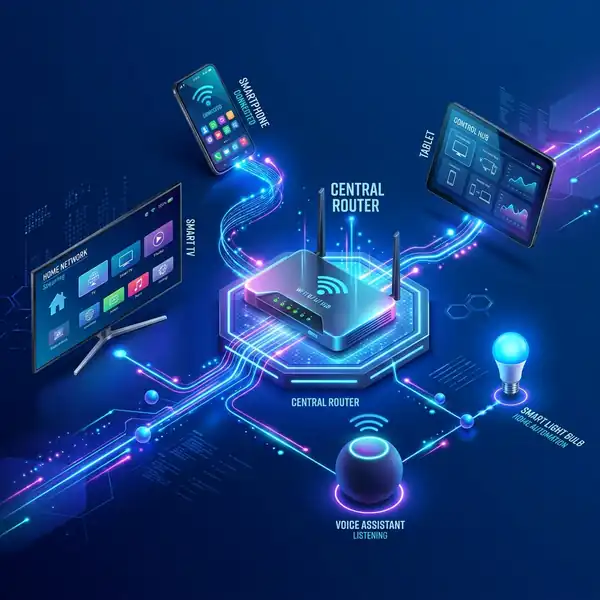
UniFi Port Isolation prevents devices on the same switch port from communicating, while Client Isolation restricts device communication on the same wireless network.
Understanding Port Isolation
Port Isolation is a feature primarily used in managed switches that ensures devices connected to the same port cannot communicate with each other. This is often utilized in guest network configurations to enhance security.
Understanding Client Isolation
Client Isolation is commonly applied in wireless networks, preventing devices from communicating within the same SSID. This feature enhances security by limiting potential attacks between connected wireless clients.
Key Differences Between Port Isolation and Client Isolation
| Feature | Port Isolation | Client Isolation |
|---|---|---|
| Layer of Operation | Layer 2 (Data Link) | Layer 2 (Data Link) |
| Scope | Specific switch ports | Entire SSID |
| Use Case | Guest access | Wireless network security |
| Configuration Method | Switch CLI/Web UI | Access Point Settings |
| Impact on Network Performance | Minimal | Negligible |
Configuring Port Isolation on UniFi Switches
- Access the UniFi Controller UI.
- Select the Switch from the Devices tab.
- Navigate to the Ports section.
- Choose the desired port and click "Edit".
- Enable 'Port Isolation' and save changes.

Configuring Client Isolation on UniFi Access Points
- Open the UniFi Controller UI.
- Go to the Settings section.
- Select Wireless Networks.
- Choose the SSID to edit.
- Enable 'Client Isolation' and apply the changes.
DomineTec Tip: Regularly review and update isolation settings based on network use cases to maintain optimal security and performance.
Additional Use Cases for Port Isolation
Port isolation can be particularly useful in environments where sensitive data is transmitted over the network. In a corporate setting, isolating ports can prevent unauthorized access to confidential information.
Another use case is in educational institutions, where student devices can be isolated from each other to enhance security and prevent cheating during assessments.
In retail environments, port isolation can safeguard customer data by ensuring that point-of-sale systems are not communicating directly with customer devices.
Overall, port isolation serves a critical role in maintaining security in diverse network scenarios, making it a valuable feature for network administrators.
Benefits of Client Isolation in Public Wi-Fi Networks
Client isolation is especially beneficial in public Wi-Fi networks, where numerous users connect simultaneously. It helps in providing a secure browsing experience by preventing client devices from accessing each other's data.
This feature reduces the risk of man-in-the-middle attacks, where one user might attempt to intercept data from another user on the same network.
Furthermore, client isolation can improve network performance by limiting broadcast traffic, which can otherwise congest the network and lead to slower speeds for all users.
By implementing client isolation, public Wi-Fi providers can enhance their service quality while ensuring user data privacy.
Network Performance Considerations
When configuring port or client isolation, it is essential to consider the potential impact on network performance. Isolating devices can lead to reduced broadcast traffic, which can improve overall network efficiency.
However, excessive isolation may lead to challenges in resource sharing, particularly in environments where devices need to communicate with each other for collaboration.
Network administrators should conduct thorough testing to find the right balance between security and performance, ensuring that user experience is not compromised.
Monitoring tools can be utilized to assess the network's performance before and after isolation configurations, helping to make informed adjustments as needed.
Security Implications of Isolation Techniques
Both port and client isolation serve significant security purposes, but they do so in different ways. Port isolation restricts communication at the switch level, making it difficult for compromised devices to threaten the integrity of the entire network.
Client isolation, on the other hand, protects users from potential threats posed by other clients, especially in shared environments such as cafes or airports.
Understanding these security implications allows network administrators to better tailor their configurations to meet the specific security needs of their environment.
Regular reviews of isolation settings should be conducted to adapt to evolving security threats and to ensure that isolation methods remain effective.
Integrating Isolation Features with Other Security Measures
Port and client isolation should not be standalone security measures but rather part of a broader security strategy. Integrating them with other features such as VLANs and firewalls can create a more robust security posture.
For instance, using VLANs in conjunction with port isolation can further segment the network, limiting the reach of potential threats.
Firewalls can complement isolation techniques by adding an additional layer of security, filtering traffic to and from isolated devices.
Holistic security strategies will provide greater protection against a variety of threats while allowing for more flexible network configurations.
Real-World Scenarios: Case Studies
Examining real-world scenarios can provide valuable insights into the practical applications of port and client isolation. In one case, a financial institution implemented port isolation to secure its internal servers from employee devices.
The result was a significant reduction in the number of security incidents related to data breaches, showcasing the effectiveness of this strategy.
In another scenario, a university utilized client isolation in its campus-wide Wi-Fi network, resulting in a marked improvement in user satisfaction and a decrease in reported security issues.
These case studies highlight the versatility and effectiveness of isolation techniques in achieving specific security objectives.
Future Trends in Network Isolation Technologies
As cybersecurity threats evolve, so too will the technologies that support network isolation. Future advancements may include more granular controls that allow for dynamic adjustments to isolation settings based on real-time threat assessments.
Artificial intelligence and machine learning could play a significant role in predicting and mitigating risks, enhancing the capabilities of isolation features.
Additionally, the growing trend towards cloud-based networking may lead to new isolation methods that offer increased flexibility and scalability.
Staying informed about these trends will be crucial for network administrators looking to maintain secure and efficient networks.
Best Practices for Implementing Port Isolation
Effective implementation of port isolation requires a thorough understanding of network topology and user needs. Begin by assessing the devices that will be connected to the switch and their communication requirements.
Document the specific use cases for port isolation to ensure that necessary devices can still interact as needed. This documentation serves as a reference point during the configuration process.
Regularly monitor network traffic to identify any unintended disruptions caused by port isolation. Adjust configurations as required to minimize impact while maintaining security.
Utilize VLANs in conjunction with port isolation for better segmentation, enhancing both security and performance across the network.
Challenges and Limitations of Client Isolation
Client isolation can inadvertently hinder legitimate communication between devices on the same network segment. This can be problematic for applications that require direct device-to-device interaction.
Some older devices may not support client isolation features, leading to inconsistent behavior within the network. It is essential to assess device compatibility before deploying client isolation.
Network-wide implementation of client isolation can lead to increased complexity in troubleshooting connectivity issues. Ensuring that support teams are trained to handle these scenarios is crucial.
Additionally, client isolation may affect performance in high-density environments, where multiple devices attempt to communicate with a central server. Careful planning is needed to mitigate potential bottlenecks.
Comparative Analysis: Port vs. Client Isolation Features
While port isolation focuses on restricting access at the switch level, client isolation operates at the access point level, affecting wireless clients. This fundamental difference shapes their respective applications in network design.
Port isolation is typically more effective in wired environments, where physical connections can be controlled with precision. Conversely, client isolation is essential for managing wireless traffic in environments like cafes and airports.
Both isolation techniques aim to enhance security, but their methods and impacts vary significantly based on network infrastructure. Evaluating the specific needs of the network will help determine the most suitable approach.
Integrating both methods can provide a layered security strategy, allowing for a comprehensive approach to network isolation and management.
Future Developments in Network Isolation Strategies
Emerging technologies, such as AI-driven network management tools, are expected to enhance isolation techniques by automating configuration and monitoring processes. This will lead to better responsiveness to security threats.
The integration of machine learning algorithms can help predict potential breaches or misuse of network resources, allowing for proactive isolation measures. This evolution may redefine how isolation is perceived in network security.
Advancements in software-defined networking (SDN) also play a crucial role in the future of isolation strategies. SDN allows for dynamic isolation based on real-time traffic analysis and threat detection.
As IoT devices proliferate, isolation techniques will need to evolve further to accommodate the unique security challenges they present, ensuring safe and efficient network operations.
Advanced Configuration Options for Port Isolation
In addition to the basic setup for port isolation, advanced configuration options allow network administrators to tailor isolation settings to specific needs. For instance, VLAN tagging can be applied alongside port isolation to further segment traffic within a network. This enables the creation of distinct broadcast domains, enhancing both security and management capabilities.
Another option is to implement Quality of Service (QoS) policies on isolated ports. By prioritizing certain types of traffic, such as VoIP or video streaming, network performance can be optimized even within isolated environments. This ensures that essential services maintain high quality, even when other devices are restricted from communicating on the same local network.
Additionally, monitoring tools can be integrated with port isolation configurations to provide real-time insights into network traffic and isolated port performance. These tools can help identify potential issues or unauthorized access attempts, facilitating timely responses and adjustments to isolation settings.
Lastly, combining port isolation with access control lists (ACLs) can provide an extra layer of security. By specifying which devices can communicate through isolated ports, administrators can enforce strict controls over which devices are allowed to connect, further minimizing security risks.
Impact of Isolation on Device Discovery Protocols
Device discovery protocols, such as mDNS or UPnP, are commonly used within networks to facilitate communication between devices. However, the implementation of port and client isolation can significantly affect the functionality of these protocols. When isolation is enabled, devices may be restricted from discovering each other, leading to potential communication challenges.
This can be especially problematic in environments where devices rely on these protocols for functionality, such as smart home systems or media sharing applications. Therefore, network administrators must carefully consider the implications of isolation on device discovery and weigh them against the benefits of enhanced security.
To mitigate issues related to device discovery under isolation, it may be necessary to create exceptions for specific devices or protocols. For instance, allowing multicast traffic on isolated ports can enable certain discovery features while still maintaining a level of isolation for other devices.
Moreover, testing and validation of device functionality in an isolated environment are essential before full deployment. This ensures that the desired balance between security and usability is achieved, preventing disruption in critical operations reliant on discovery protocols.
Monitoring and Troubleshooting Isolation Features
Monitoring the effects of port and client isolation is crucial for maintaining optimal network performance and security. Administrators should utilize network management tools to track traffic patterns and identify any anomalies that may arise from isolation settings. Such monitoring can help determine if isolation is effectively serving its intended purpose without inadvertently hindering necessary communications.
In addition to real-time monitoring, logging should be implemented to capture events related to isolation changes and traffic flow. Analyzing these logs can provide insights into how isolation is impacting device interactions and can assist in troubleshooting potential issues that may emerge.
Troubleshooting isolation features may require administrators to systematically assess network configurations and settings. This process includes reviewing VLAN assignments, checking ACLs, and examining the impact of isolation on various protocols. Understanding the interdependencies within the network is key to resolving any challenges that arise.
Finally, establishing a feedback loop with users can be beneficial for identifying issues related to isolation. Gathering input from end-users can highlight any disruptions in service or usability concerns, guiding administrators in making informed adjustments to isolation settings for improved performance and satisfaction.
Advanced Logging and Monitoring of Isolation Techniques
Implementing logging and monitoring for isolation techniques is essential for maintaining network security and performance. Advanced logging allows administrators to track the behavior of isolated ports and clients, providing detailed insights into traffic patterns and potential security incidents. Utilizing tools such as Syslog servers or network monitoring software can greatly enhance visibility into isolated environments.
For effective monitoring, consider configuring alerts for unusual activities, such as unauthorized access attempts or abnormal traffic spikes. This proactive approach enables network administrators to respond swiftly to potential threats, minimizing the impact on overall network performance. Additionally, regular audits of isolation settings can help ensure compliance with organizational security policies and standards.
Integrating these logging mechanisms with existing network management systems can streamline operations. For instance, using SNMP (Simple Network Management Protocol) traps can automatically notify administrators of changes in the isolation status of ports or clients. This integration provides a robust framework for maintaining oversight in complex network environments.
Finally, it is crucial to regularly review logs to identify trends and areas for improvement. Analyzing historical data can reveal common issues or vulnerabilities within the network, guiding future enhancements to isolation strategies. Continuous improvement in monitoring practices will contribute to a more resilient and secure network infrastructure.
Impact of Isolation on Network Segmentation Strategies
Isolation techniques play a pivotal role in broader network segmentation strategies. By isolating specific ports or clients, administrators can create distinct segments within the network, enhancing both security and management. This segmentation ensures that sensitive data is confined to specific areas, reducing the risk of unauthorized access or data breaches.
When implementing isolation, it is vital to align these techniques with the overall network architecture. For instance, isolating guest users on a separate VLAN can prevent them from accessing critical resources while still allowing internet connectivity. This approach not only secures sensitive information but also improves performance by reducing unnecessary traffic on core network segments.
Moreover, isolation can facilitate compliance with regulatory requirements. Many industries must adhere to strict data protection laws, and isolation helps demonstrate due diligence in safeguarding sensitive information. By clearly defining isolated segments, organizations can better manage compliance audits and reporting obligations.
As network demands evolve, the integration of isolation techniques with advanced segmentation strategies will be increasingly necessary. Technologies such as Software-Defined Networking (SDN) offer dynamic policy enforcement, allowing for more granular control over isolated segments. This adaptability will be crucial in addressing future networking challenges while maintaining robust security postures.
Frequently Asked Questions
What is the primary function of Port Isolation?
Port Isolation prevents devices connected to the same physical port from communicating, enhancing security for guest networks.
How does Client Isolation work?
Client Isolation restricts wireless devices connected to the same SSID from communicating with each other, reducing potential security threats.
Can both isolation methods be used simultaneously?
Yes, both Port Isolation and Client Isolation can be configured on the same network to maximize security.
What is the impact of enabling isolation features on network performance?
Generally, both features have a negligible impact on network performance, ensuring seamless connectivity while enhancing security.
Are there any limitations to using Client Isolation?
Client Isolation can limit functionalities that require device communication, such as local file sharing or device discovery protocols.