UniFi Guest Network Isolation vs Wireless Client Isolation: Differences Explained
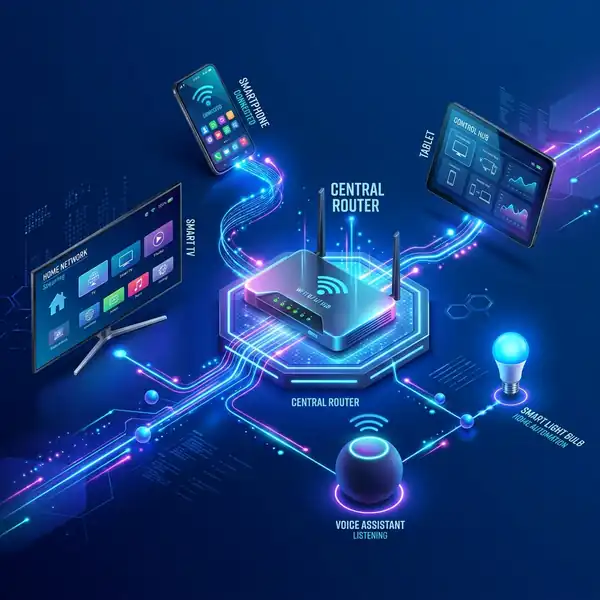
UniFi Guest Network Isolation prevents guests from accessing the main network, while Wireless Client Isolation restricts device communication within the same SSID.
Understanding UniFi Guest Network Isolation
UniFi Guest Network Isolation allows guests to connect to the internet without accessing the local network. This is achieved by configuring the guest network settings in the UniFi Controller.
How Wireless Client Isolation Works
Wireless Client Isolation stops devices connected to the same wireless network from communicating with each other. This is particularly useful in environments where security is paramount.
Technical Specifications Comparison
| Feature | Guest Network Isolation | Wireless Client Isolation |
|---|---|---|
| Access to Main Network | No | Yes |
| Device Communication | No between guests | No between clients |
| Usage Scenario | Public Wi-Fi hotspots | Private networks |
| Configuration Method | UniFi Controller | Router settings |
| Cisco CLI Command | ip access-list extended GuestNetwork | interface |
DomineTec Tip: Ensure proper VLAN segmentation when implementing both isolation types for enhanced security.
Setup Instructions for UniFi Guest Network Isolation
- Log into the UniFi Controller dashboard.
- Select "Settings" and navigate to "Guest Control."
- Enable "Guest Network" and configure the SSID.
- Under "Guest Policies," enable "Guest Network Isolation."
- Save changes and deploy the configuration.

Setup Instructions for Wireless Client Isolation
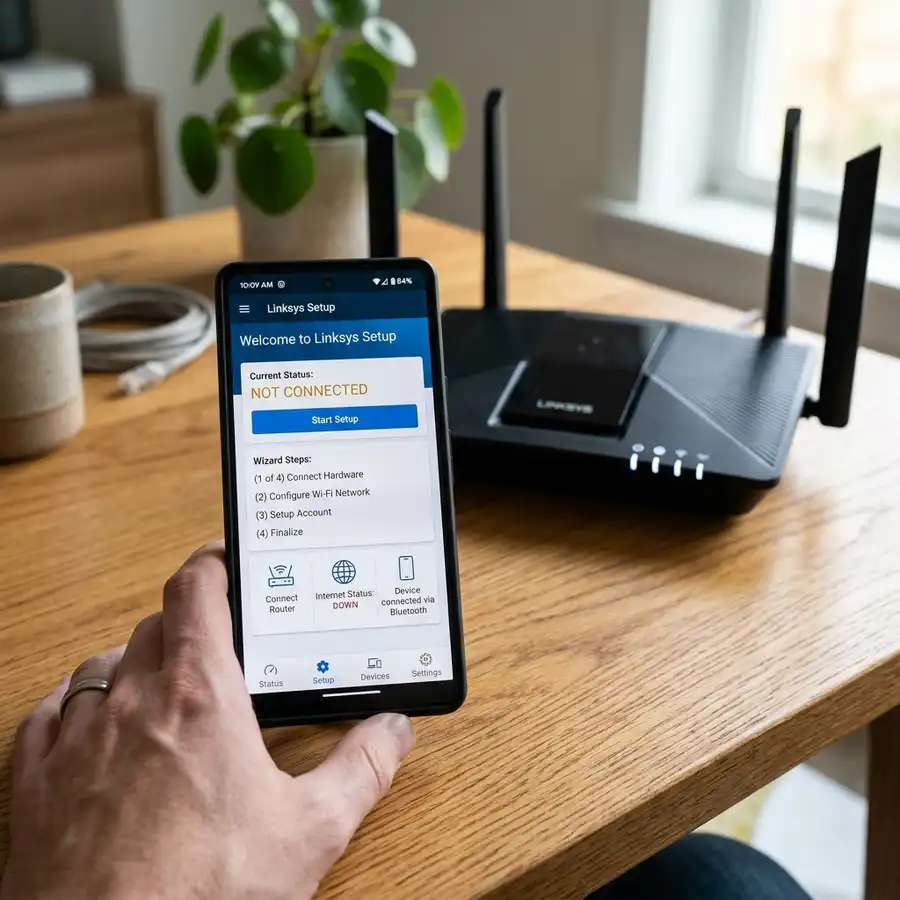
- Access the router's web interface.
- Navigate to the "Wireless" settings section.
- Select the SSID to modify and enable "Client Isolation."
- Save the configuration and reboot the router if necessary.
Practical Applications of Each Isolation Type
Guest Network Isolation is ideal for public networks, ensuring users cannot access sensitive data. Wireless Client Isolation is preferable in private environments with sensitive data sharing concerns.
Security Implications of Guest Network Isolation
Guest network isolation enhances security by segmenting guest traffic from the main network. This prevents unauthorized access to sensitive resources and minimizes the risk of malware spread.
By isolating guests, organizations can control the flow of information and reduce vulnerabilities that could be exploited by malicious actors. Regular updates to security protocols and monitoring guest access are essential for ongoing protection.
Overall, the implementation of guest network isolation plays a crucial role in maintaining a secure network environment, particularly for businesses that handle sensitive information.
Performance Considerations in Wireless Client Isolation
Wireless client isolation may impact network performance due to the added overhead of managing client sessions. This can lead to increased latency, particularly in high-density environments.
Balancing isolation with performance is vital. Optimizing network configurations and ensuring adequate bandwidth allocation can mitigate potential performance drawbacks.
Network administrators should monitor performance metrics to identify bottlenecks and adjust configurations as necessary. Understanding the trade-offs between isolation and performance is critical for effective wireless network management.
Comparative Use Cases for Each Isolation Method
Different use cases may dictate the choice between guest network isolation and wireless client isolation. For example, a café may benefit from guest network isolation to provide free internet without compromising operational security.
Conversely, a corporate office environment may require wireless client isolation to protect sensitive data while still allowing employees to connect their devices. Understanding the specific needs of the environment is key to making an informed decision regarding isolation methods.
Integration with Other Network Security Policies
Guest network isolation and wireless client isolation should be integrated into a broader network security strategy. This integration ensures comprehensive protection against various cyber threats.
By aligning isolation methods with policies such as firewalls, intrusion detection systems, and access controls, organizations can create a more robust security posture. Regular audits and assessments of network policies are essential for identifying gaps and improving overall security.
User Experience Impact of Network Isolation
The implementation of network isolation can significantly affect user experience, particularly in guest networks. Users may encounter restrictions that limit their ability to access certain services or devices.
Finding the right balance between security and user convenience is essential to ensure positive user engagement. Feedback mechanisms can help gauge user satisfaction and identify areas for improvement.
Future Trends in Network Isolation Technologies
As network technologies evolve, so too will methods of isolation. Future trends may include more sophisticated algorithms for dynamic isolation based on user behavior and device types.
Artificial intelligence and machine learning are likely to play a significant role in enhancing isolation methods, providing real-time analysis and adaptive security measures. Organizations must stay ahead of these trends to remain secure.
Case Studies of Successful Isolation Implementations
Real-world case studies can provide valuable insights into the effectiveness of guest network isolation and wireless client isolation. Analyzing successful implementations can highlight best practices and lessons learned.
For instance, a university that implemented guest network isolation saw a significant reduction in unauthorized access incidents. Conversely, a healthcare organization that adopted wireless client isolation was able to safeguard patient data while still allowing staff to use their devices.
Network Management and Monitoring Tools
Effective management and monitoring tools are essential for maintaining network performance and security. Utilizing tools compatible with UniFi systems can provide insights into traffic patterns and user behavior on both guest and client networks.
Network administrators can leverage UniFi's built-in analytics dashboard to monitor bandwidth usage and identify potential bottlenecks. Third-party solutions can enhance monitoring capabilities, offering more advanced analytics or integration with other security systems.
Impact of Isolation on Device Compatibility
Isolation settings can significantly affect device compatibility and connectivity within a network. Different devices may respond differently to guest network isolation versus wireless client isolation.
For instance, devices that rely on local network discovery may face challenges in a guest network setup due to restrictions on inter-device communication. Wireless client isolation can also restrict functionalities for devices that require communication with each other.
Regulatory Compliance and Data Privacy
Regulatory compliance is a critical aspect of network management, especially in environments handling sensitive information. Implementing appropriate isolation techniques can aid organizations in adhering to data protection laws and regulations.
Guest networks can help mitigate risks associated with data breaches and unauthorized access, aligning with compliance requirements. Wireless client isolation complements these efforts by ensuring that personal devices do not inadvertently expose sensitive company data to unauthorized parties.
Future-Proofing Network Isolation Strategies
As technology evolves, so do the strategies for network isolation. Future-proofing these strategies involves anticipating changes in user behavior, device proliferation, and emerging threats.
Investing in scalable isolation solutions that can adapt to increasing numbers of devices and users is essential for maintaining network integrity. Emerging technologies, such as AI and machine learning, can enhance isolation strategies by providing predictive analytics and automated responses to potential threats.
Limitations of Guest Network Isolation
Guest network isolation offers a robust solution for maintaining security in environments with multiple users, but it is not without its limitations. One of the primary constraints is the reduced access to shared resources such as printers or file servers, which can hinder collaboration among guests.
Moreover, while guest isolation protects the main network, it may also limit the functionality of certain applications that require communication between devices. Additionally, configuring a guest network can introduce complexities, particularly in larger environments.
Best Practices for Implementing Wireless Client Isolation
Implementing wireless client isolation effectively requires adherence to several best practices. First, it is essential to clearly define the purpose of isolation and identify the specific user groups that will benefit from it.
Next, regular audits of the wireless network settings are crucial to verify that isolation features are functioning correctly. Combining wireless client isolation with comprehensive user education can significantly enhance security.
Advanced Configuration Options for Guest Network Isolation
UniFi offers various advanced configuration options for Guest Network Isolation, allowing network administrators to tailor settings based on specific needs. Options include bandwidth limits, access control lists, and VLAN configurations that can significantly enhance the security and performance of guest networks.
Bandwidth limiting can prevent guest users from consuming excessive network resources. Access control lists (ACLs) provide granular control over which devices can communicate with each other and which services can be accessed.
Impact of Network Isolation on IoT Devices
As the number of IoT devices continues to rise, understanding the implications of network isolation on these devices becomes increasingly important. Guest Network Isolation can provide a secure environment for IoT devices, limiting their exposure to external threats while allowing them the connectivity they require.
However, careful consideration must be given to the performance implications of isolating IoT devices. Balancing the security and performance needs of IoT devices within isolation frameworks is vital.
Troubleshooting Common Issues with Guest Network Isolation
Troubleshooting issues with Guest Network Isolation can often involve examining VLAN configurations. Ensuring that the guest VLAN is correctly assigned and that the DHCP server is properly configured to serve IP addresses to guest devices is crucial.
A common error occurs when the DHCP settings do not match the subnet designated for the guest VLAN, leading to devices failing to obtain an IP address. Checking the IP address range and ensuring that it falls within the subnet defined for the guest network can resolve this issue.
Furthermore, verification of firewall rules is essential. The firewall should allow traffic to and from the guest VLAN while blocking unwanted traffic to the main network.
Commands such as `show ip interface brief` and `show running-config` can be utilized in the command line interface to quickly assess the current configurations and identify any discrepancies.
Additionally, monitoring the logs on the UniFi controller can provide insights into connection issues. The logs may reveal failed connections or unauthorized access attempts that could hinder guest access.
Ensuring that the access points are updated to the latest firmware is another critical step. Outdated firmware can lead to compatibility issues and bugs that affect network isolation performance.
Best Practices for Implementing Wireless Client Isolation
Implementing Wireless Client Isolation effectively requires a clear understanding of network topology and device roles. Ideally, the isolation feature should be enabled on access points that serve public or semi-public areas.
Using a dedicated SSID for devices that require isolation can streamline management and enhance security. This SSID should have Wireless Client Isolation enabled to prevent communication between connected clients.
Regularly reviewing and updating security policies is also a best practice. As new vulnerabilities are discovered, it's essential to adjust isolation settings and firewall rules to mitigate emerging threats.
In addition, using network monitoring tools can help in identifying unusual patterns of behavior. Tools such as Wireshark or UniFi's built-in insights can analyze traffic and pinpoint issues related to client isolation.
Finally, conducting periodic audits of the network can help maintain an optimal configuration. These audits should verify that all devices remain compliant with security policies and that isolation measures are functioning as intended.
Troubleshooting Common Issues with Wireless Client Isolation
Troubleshooting Wireless Client Isolation can be a complex task due to the multiple layers of network interactions involved. The first step in diagnosing issues is to ensure that the isolation settings are correctly applied on the UniFi controller. This can be verified by accessing the controller interface and checking the configuration under the relevant wireless network settings.
Common symptoms of issues include clients being unable to access the internet or failing to communicate with necessary services. To address this, run a packet capture on the affected interface using tools such as Wireshark to analyze traffic. This can help identify whether packets are being dropped or if there is unauthorized access to isolated segments.
Another frequent problem is misconfigured VLAN settings that can impede client connectivity. Ensure that the VLAN associated with the isolated wireless network is correctly tagged and that the switches and access points are properly configured to support it. Use commands such as `show vlan` in a Cisco environment to verify VLAN assignments.
If clients are experiencing intermittent connectivity, check for interference from nearby networks. This can be assessed by using spectrum analysis tools to identify conflicting channels. Adjusting the channel settings on the UniFi access points may help improve the situation by minimizing overlap with other networks.
Best Practices for Securing Wireless Client Isolation
Implementing best practices for securing Wireless Client Isolation is crucial for maintaining a robust network environment. Start by ensuring that the wireless network is secured with WPA3 encryption, which provides enhanced security features compared to its predecessors. This can be configured in the UniFi controller under the wireless network settings.
Regularly updating firmware on all network devices is another essential practice. Keeping the UniFi access points and controller software up to date helps mitigate the risk of vulnerabilities being exploited. Schedule firmware updates and monitor the release notes from Ubiquiti for any critical patches that address security issues.
Additionally, segmenting the network by utilizing multiple isolated SSIDs can help manage traffic and enhance security. This segmentation can be achieved by creating separate SSIDs for different user groups, such as staff, guests, and IoT devices. Each SSID can be configured with its own isolation policies and access controls.
Finally, implementing a robust monitoring and alerting system can provide real-time visibility into network activities. Utilize tools like UniFi Network Controller’s built-in analytics and logs to track client connections and potential security incidents. Set up alerts for unusual patterns, such as multiple failed authentication attempts, to proactively address security threats.
Frequently Asked Questions
What is the main purpose of Guest Network Isolation?
The primary aim is to provide internet access to guests while preventing access to the local network.
Can Guest Network Isolation be bypassed?
Properly configured isolation should prevent bypassing, but network vulnerabilities can exist if not secured adequately.
Is Wireless Client Isolation necessary in all networks?
It is recommended in environments where sensitive data is shared among connected devices.
How does VLAN configuration relate to network isolation?
VLANs segment network traffic, enhancing security and isolation for different user groups or data types.
Can both types of isolation be used simultaneously?
Yes, both can be employed to create layered security measures in complex network environments.




