Ultrawide vs Dual Monitor Setup: Which is Better for Productivity?
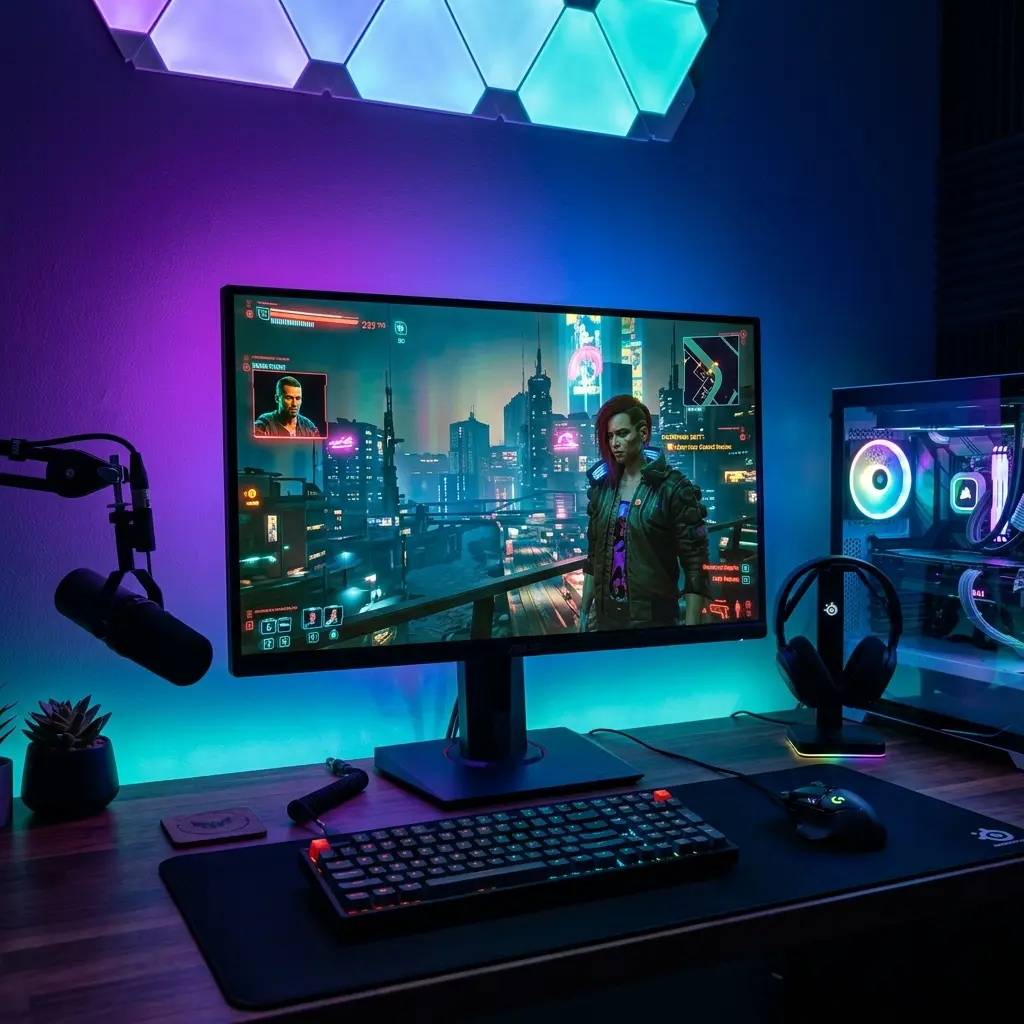
Both ultrawide and dual monitor setups enhance productivity, but the choice depends on specific workflow needs and personal preference.
Physical Aspects and Resolution
Ultrawide monitors typically feature a 21:9 aspect ratio, providing more horizontal screen space, while dual monitors often consist of two standard 16:9 displays.
Higher resolutions are common in ultrawide models, with options like 3440x1440 or 5120x2160, enhancing clarity for multitasking.
Performance and Technology
Ultrawide monitors often incorporate advanced technologies such as HDR and high refresh rates for smoother visuals.
Dual setups can utilize different monitor technologies, allowing users to mix and match based on desired performance characteristics.
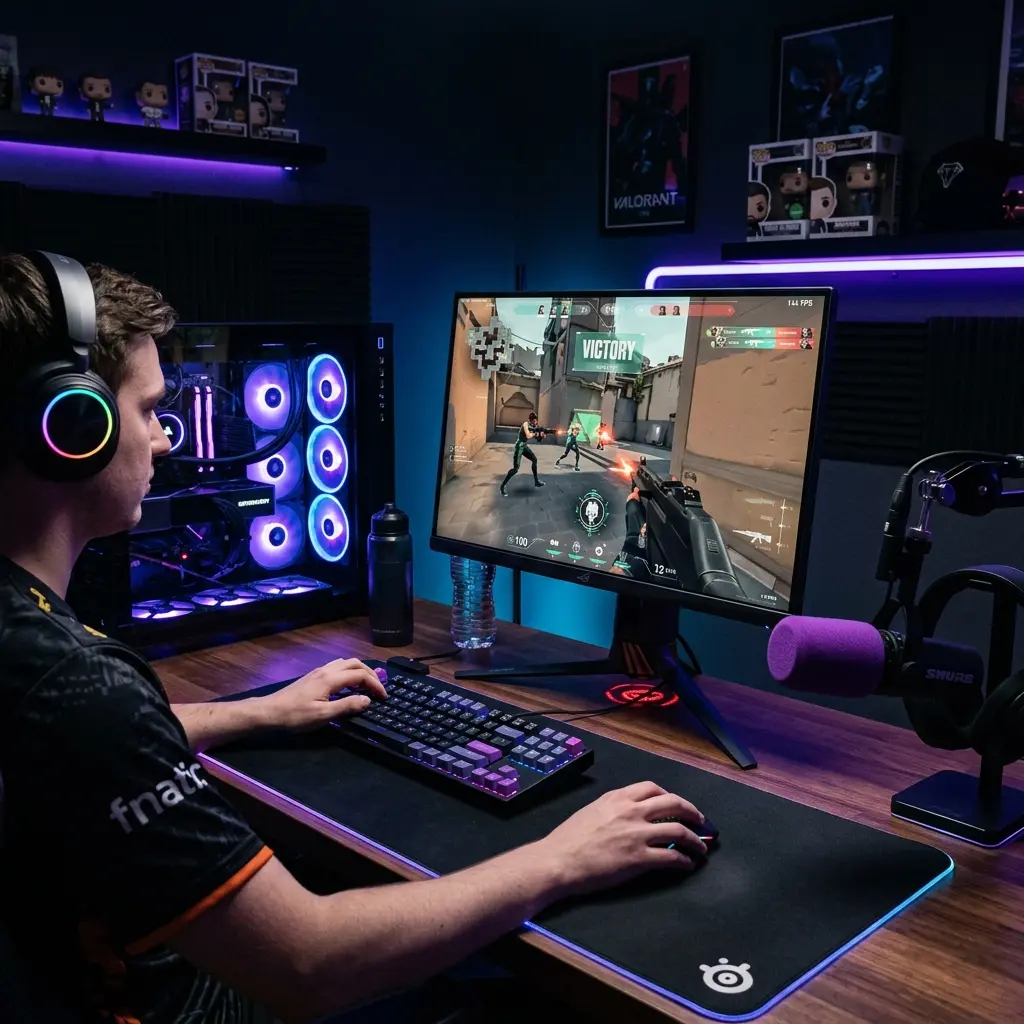
Ergonomics and Visual Comfort
Ultrawide monitors reduce bezel distractions, creating a seamless visual experience, while dual monitors may cause eye strain due to bezel interruptions.
Adjustable stands are more common in ultrawide models, promoting better ergonomic positioning compared to many fixed dual monitor setups.
| Feature | Ultrawide Monitor | Dual Monitor Setup |
|---|---|---|
| Screen Size | 34" - 49" | 24" - 32" per monitor |
| Aspect Ratio | 21:9 or 32:9 | 16:9 |
| Resolution | 3440x1440 or higher | 1920x1080 or higher |
| Bezel Size | No bezel | Wide bezel |
| Setup Complexity | Single connection | Multiple connections |
Materials and Durability
Ultrawide monitors often utilize premium materials such as aluminum for casing, enhancing durability and aesthetics.
In contrast, dual monitor setups may vary significantly in build quality based on the brand and model of each individual monitor.
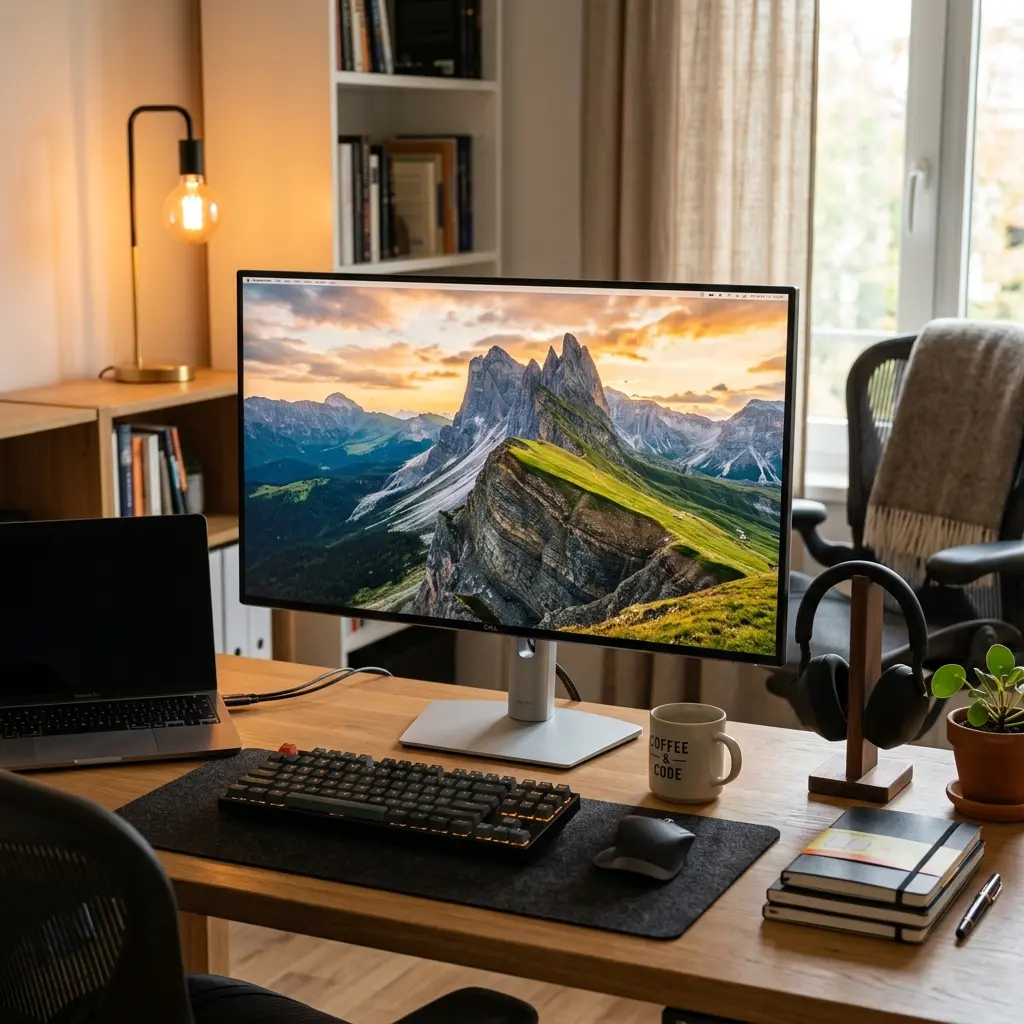
DomineTec Tip: Ensure the monitor's height aligns with eye level to minimize neck strain, especially for ultrawide setups.
Buying Recommendations and Brands
Brands such as LG and Dell offer reliable ultrawide monitors, while ASUS and Acer provide high-quality dual monitor options.

- Determine the primary use case: gaming, productivity, or design.
- Consider resolution needs based on the tasks performed.
- Check for adjustable stands to ensure ergonomic comfort.
- Evaluate connectivity options such as HDMI or DisplayPort.
- Research user reviews to assess long-term performance and durability.
Value Analysis and Verdict
When comparing value, ultrawide monitors often provide a more immersive experience, beneficial for design and gaming.
However, dual monitors may offer greater flexibility and cost-effectiveness for traditional office tasks.
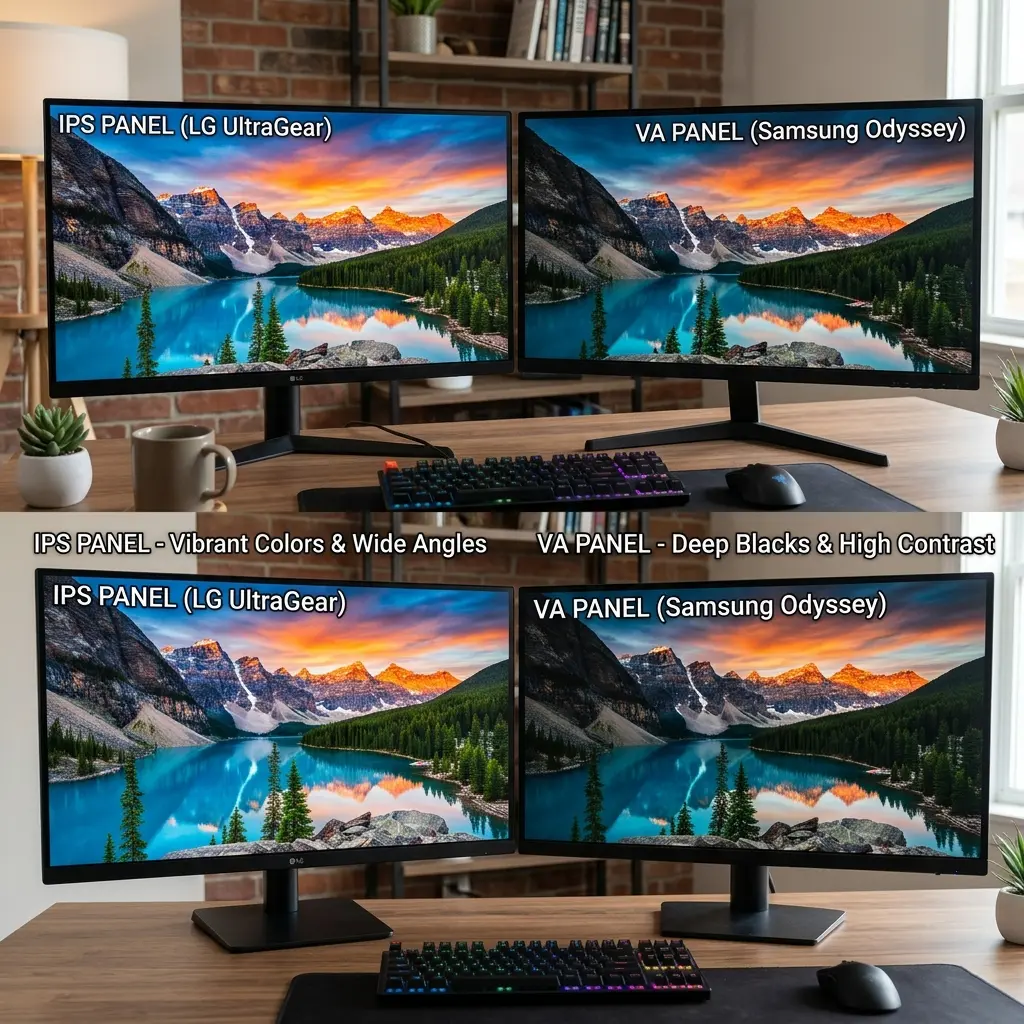
Workspace Organization and Layout
Effective workspace organization is crucial for optimizing productivity, especially when comparing ultrawide and dual monitor setups.
With an ultrawide monitor, users benefit from a single expansive screen that allows for seamless multitasking without the distraction of bezels between displays.
In contrast, dual monitors can enable a more structured workspace where specific tasks are assigned to individual screens, which may enhance focus for some users.
Ultimately, the choice between setups will depend on personal preferences regarding workspace layout and the specific nature of tasks performed.
Software Compatibility and Features
Software compatibility plays a significant role in determining the effectiveness of either setup for productivity.
Many productivity software tools are designed to take advantage of multiple screens, optimizing task management across different applications.
However, ultrawide monitors often support features like picture-in-picture and split-screen layouts that can enhance workflow without needing multiple devices.
Choosing the right setup should involve evaluating which software tools are primarily used and how they interact with each screen configuration.
Impact on Collaboration and Teamwork
Collaboration is an essential aspect of productivity, and the choice of monitor setup can influence teamwork dynamics.
Ultrawide monitors allow for a more cohesive visual experience during collaborative sessions, as all participants can view the same screen without shifting their focus between displays.
On the other hand, dual monitor setups can facilitate side-by-side discussions, where one screen displays relevant data while the other shows communication tools or notes.
The effectiveness of either setup in a collaborative environment ultimately depends on the nature of the collaboration and the preferences of the team involved.
Power Consumption and Energy Efficiency
Power consumption is an important consideration for users concerned about energy efficiency and environmental impact.
Typically, ultrawide monitors can consume more power due to their larger size and higher pixel density, though this varies by model.
Conversely, dual monitor setups might consume less power per screen but can add up collectively, depending on the size and specifications of each monitor.
Evaluating the energy efficiency ratings of specific models can provide valuable insights into the overall power consumption of each setup.
Customization and Aesthetic Appeal
Customization options and aesthetic appeal are often overlooked factors when selecting a monitor setup.
Ultrawide monitors tend to offer a sleek, modern look that can enhance the overall aesthetics of a workspace.
Dual monitors, while practical, can sometimes create a more cluttered appearance, particularly if the monitors are mismatched in size or design.
Ultimately, the visual appeal of the workspace can impact user satisfaction and motivation, making this an important consideration in the decision-making process.
Learning Curve and User Adaptation
The learning curve associated with each setup can affect productivity, especially for new users.
Ultrawide monitors may require some adjustment as users adapt to the larger screen real estate and the potential for new workflows.
In contrast, users familiar with dual monitors may find the transition to an ultrawide setup challenging, as they may need to rethink how they organize their tasks.
Understanding these adaptation periods is crucial for users to maximize the benefits of their chosen monitor configuration.
Long-Term Investment and Future-Proofing
Long-term investment considerations play a significant role in the decision between ultrawide and dual monitor setups.
Ultrawide monitors often represent a larger upfront investment, but they may offer features that extend their usability over time.
Conversely, dual monitor setups can be more easily upgraded, as users can add or replace individual monitors as technology evolves.
Evaluating the potential for future-proofing is essential for buyers who want their setup to remain relevant and functional for years to come.
Cost Considerations and Budgeting
When evaluating ultrawide and dual monitor setups, cost plays a significant role in decision-making. Ultrawide monitors typically have a higher upfront cost due to their advanced technology and larger screen size.
In contrast, dual monitor setups can be more budget-friendly since users can often repurpose existing monitors or purchase lower-cost models to meet their needs.
Beyond initial purchase prices, it's essential to consider long-term costs such as potential upgrades, additional stands, or mounts required for dual monitor arrangements.
A thorough budget analysis helps users make informed decisions that align with both their productivity goals and financial constraints.
Space Utilization and Desk Configuration
Effective space utilization is crucial when setting up a workspace, as both ultrawide and dual monitor setups have unique spatial requirements. Ultrawide monitors generally occupy less horizontal space, making them ideal for smaller desks.
On the other hand, dual monitors require more room to accommodate two separate screens, which can lead to desk clutter if not organized properly.
Users must consider not only the width of their desk but also the depth, as some dual monitor setups may require more space for optimal viewing distances.
Desk configurations should also account for additional peripherals and accessories, ensuring that the overall workspace remains functional and organized.
Impact on Focus and Multitasking
The choice between ultrawide and dual monitor setups can significantly affect an individual's focus and multitasking capabilities. Ultrawide monitors excel in providing a seamless viewing experience, reducing distractions that may arise from bezels in dual setups.
However, dual monitors can enhance multitasking by allowing users to dedicate one screen to specific tasks, such as video calls or research, while keeping another for active work.
Research shows that the ability to manage multiple tasks effectively can improve overall productivity, but the choice of setup may influence how users engage with their work.
Ultimately, individual work habits and preferences will determine which setup better supports focus and multitasking efficiency.
Future Trends in Display Technology
The landscape of display technology continues to evolve, impacting both ultrawide and dual monitor setups. Innovations such as higher refresh rates, improved color accuracy, and better adaptive sync technologies are becoming standard features.
As display technology progresses, ultrawide monitors are expected to become more versatile, potentially integrating features like built-in speakers or USB-C connectivity, appealing to a broader range of users.
Conversely, dual monitor setups may see improvements in software solutions that enhance screen management, making it easier for users to navigate between screens efficiently.
Staying informed about these trends can help users make educated choices that align with future developments in productivity technology.
Color Accuracy and Calibration
Color accuracy is a crucial aspect for professionals in design, photography, and video editing. Ultrawide monitors typically offer a wider color gamut and better calibration options compared to dual monitor setups.
Many ultrawide models come factory-calibrated, ensuring that colors are true to life right out of the box. This feature can save time for professionals who rely on precise color representation for their work.
In contrast, dual monitor setups may feature different screens with varying color profiles, making it challenging to maintain consistency across displays. Users might need to invest additional time and resources into calibrating each monitor individually.
For tasks that demand high color fidelity, such as graphic design or video production, an ultrawide monitor can provide a more reliable solution, minimizing discrepancies and enhancing workflow efficiency.
Sound and Integrated Features
Integrated audio can be an important consideration for users who engage in video conferencing or multimedia tasks. Ultrawide monitors often come equipped with built-in speakers, which can save desk space and reduce cable clutter.
However, the sound quality of these integrated speakers may not be sufficient for professional audio work, often falling short of dedicated sound systems or external speakers that can be easily integrated into dual monitor setups.
Additionally, many ultrawide monitors feature advanced functionalities such as Picture-in-Picture (PiP) and split-screen capabilities, which can enhance multitasking and productivity. These integrated features streamline the user experience without the need for additional software.
On the other hand, dual monitor users can customize their audio setup according to their preferences, potentially investing in higher-quality sound systems that provide a superior audio experience for both work and entertainment.
Environmental Impact and Sustainability
The environmental impact of electronic devices is becoming increasingly relevant in purchasing decisions. Ultrawide monitors often consume more power than standard monitors, which can raise concerns regarding energy consumption.
However, many manufacturers are now focusing on sustainability, producing ultrawide displays with energy-efficient technologies and eco-friendly materials. This shift can mitigate some of the environmental concerns associated with larger displays.
In contrast, dual monitor setups can offer flexibility in terms of energy consumption, as users can choose to operate one or both monitors based on their workload, thus optimizing power use according to their needs.
Ultimately, users should weigh the environmental impact of their choices, considering both the energy efficiency of ultrawide monitors and the potential for reduced waste with dual monitor configurations.
Accessibility and Inclusive Design
Accessibility is a crucial consideration when evaluating ultrawide and dual monitor setups, especially for users with disabilities. An ultrawide monitor can often provide a single, uninterrupted screen space that simplifies navigation for users who may struggle with coordinating multiple screens.
On the other hand, dual monitor setups allow for adjustable positions and angles, which can be beneficial for users who need to adapt their workspace for comfort and accessibility. The flexibility in positioning can accommodate various assistive devices, creating an inclusive environment for all users.
Moreover, software features that enhance accessibility can be better utilized with dual monitors, as users can easily dedicate one screen to accessibility tools while using the other for primary tasks. This multitasking capability can significantly improve productivity for users relying on assistive technologies.
Ultimately, both setups have unique advantages regarding accessibility, and the choice should be guided by individual needs, preferences, and the specific tasks at hand. Assessing the workspace layout and available assistive tools can lead to a more inclusive and efficient work environment.
Impact on Mental Health and Wellbeing
The impact of workspace configuration on mental health and wellbeing is an increasingly important aspect of productivity discussions. Research indicates that a well-organized workspace can reduce stress and enhance focus, both of which are vital for maintaining mental health during work hours.
Ultrawide monitors can create an immersive experience that minimizes distractions by providing a panoramic view of multiple applications without the need for shifting focus between screens. This seamless experience can foster a sense of control and reduce cognitive load, which is beneficial for mental wellbeing.
Conversely, dual monitor setups allow users to create a more tailored workspace, where different tasks can be visually separated. This separation can help users mentally compartmentalize their work, potentially reducing feelings of overwhelm and improving task management.
Ultimately, the right choice for enhancing mental health and wellbeing will depend on personal preferences and work habits. Evaluating how each setup affects mood, focus, and overall satisfaction can lead to better long-term productivity and mental health outcomes.
Frequently Asked Questions
What is better for gaming, ultrawide or dual monitor?
Ultrawide monitors provide an immersive experience with wider field-of-view but may face compatibility issues in some games.
Are dual monitors better for multitasking?
Dual monitors can enhance multitasking by allowing separate applications to be displayed on each screen with less switching.
Do ultrawide monitors take up more space?
Ultrawide monitors can be more space-efficient, requiring only one stand and cable management compared to two monitors.
Can ultrawide monitors replace dual monitors?
In many cases, ultrawide monitors can effectively replace dual monitors, offering similar screen real estate without bezels.
What is the average price difference?
Ultrawide monitors tend to be more expensive, often ranging from $300 to $1,500, depending on specifications and brand.




