How to Safely Mount Two Separate Monitor Arms on a Glass Top Desk
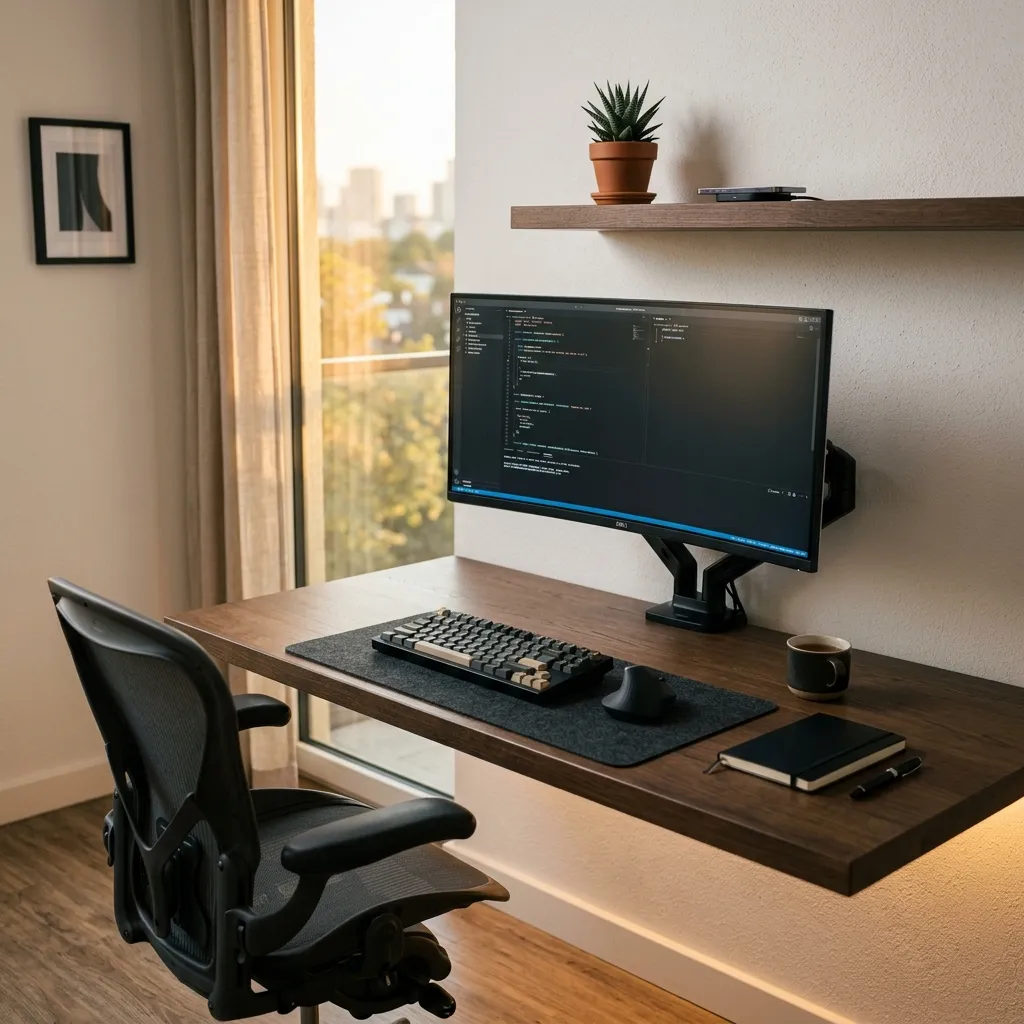
Safely mounting two separate monitor arms on a glass-top desk requires careful selection of materials and design for stability.
Understanding Glass Desk Limitations
Glass desks typically have weight limits, often between 50 to 100 pounds, depending on the thickness and support structure.
Using monitor arms that exceed these limits can lead to breakage or safety hazards.
Choosing the Right Monitor Arms
Select monitor arms made from durable materials such as aluminum or high-grade steel, which offer excellent support and stability.
Brands like Ergotron and VIVO are renowned for their robust designs and user-friendly features.
Mounting Techniques for Stability
Utilizing clamps designed specifically for glass surfaces is crucial, as they distribute weight evenly without damaging the glass.
Ensuring that arms have adjustable clamps allows for customization to the desk's edge thickness.
Ergonomic Considerations
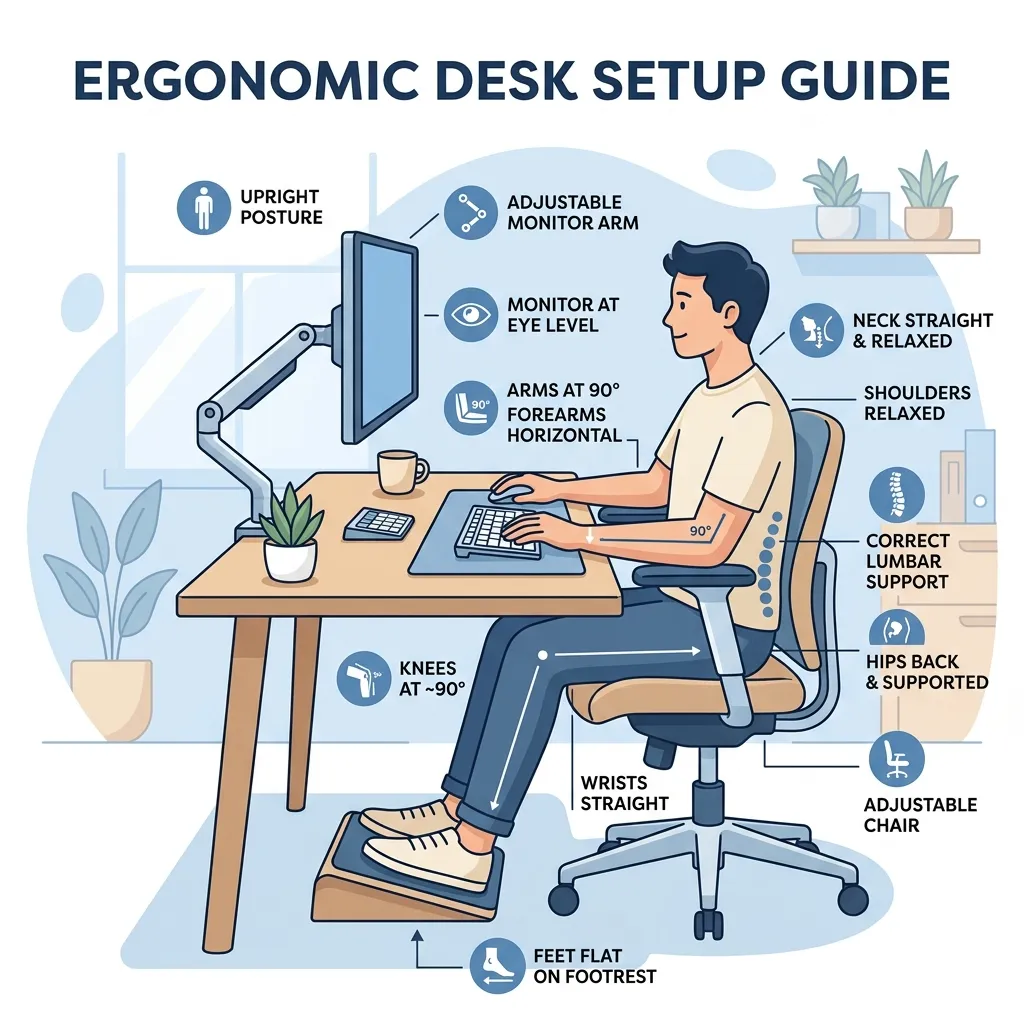
Monitor height should be adjusted so that the top of the screen is at or slightly below eye level to reduce neck strain.
Arm placement should allow for a comfortable viewing distance, ideally 20-30 inches from the eyes.
Comparative Material Strength
| Material | Weight Capacity | Flexibility | Durability | Price Range |
|---|---|---|---|---|
| Aluminum | Up to 40 lbs | Moderate | High | $80 - $200 |
| Steel | Up to 75 lbs | Low | Very High | $100 - $300 |
| Plastic Composite | Up to 30 lbs | High | Moderate | $50 - $150 |
DomineTec Tip: Always use rubber or silicone padding between the clamp and glass to prevent slipping and scratching.
- Measure the glass thickness and choose monitor arms compatible with it.
- Select arms with adjustable clamps for a stable fit.
- Assess the total weight of monitors to ensure it is within the desk's limits.
- Position monitors at eye level for optimal ergonomics.
- Test the stability after installation before regular use.
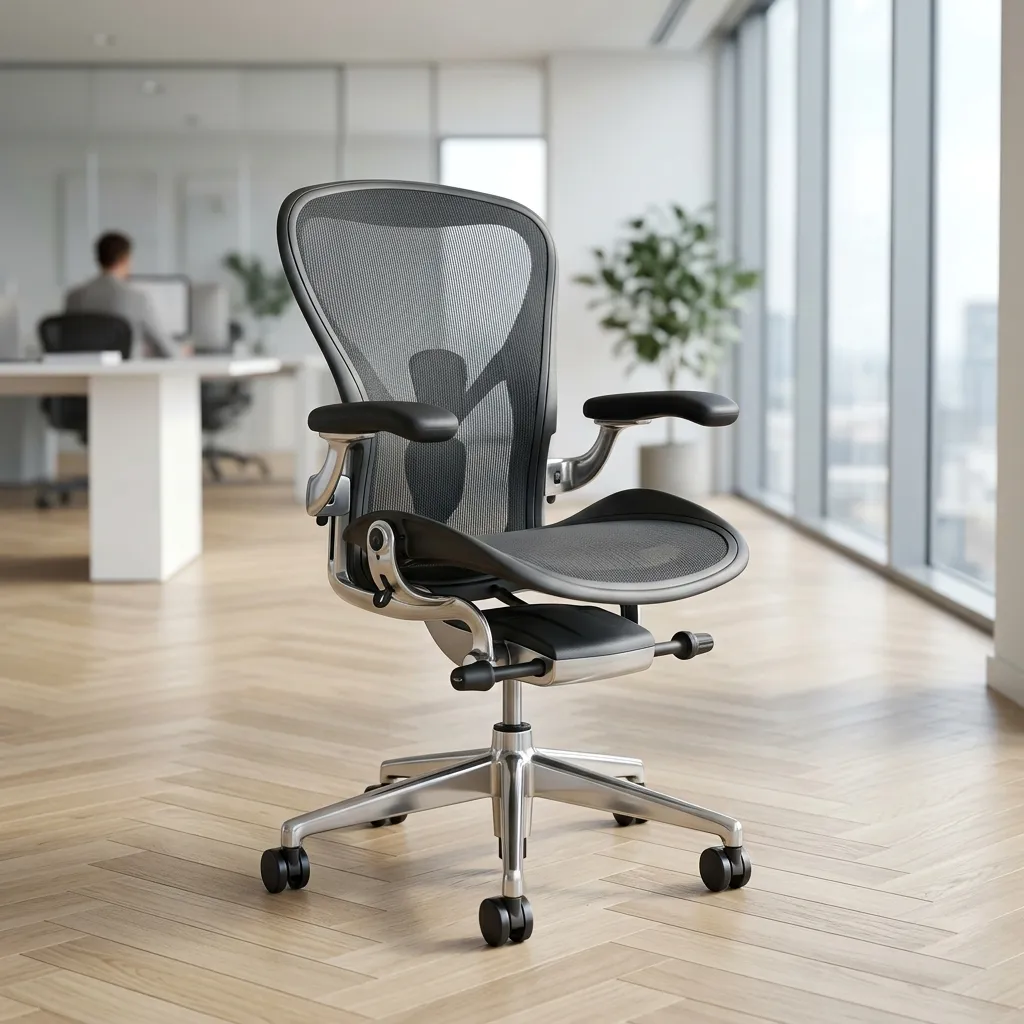
For an enhanced workspace, consider selecting an ergonomic office chair that complements your new setup.
Explore how to create a clean productivity desk setup to maximize efficiency.
Assessing the Weight Capacity of Your Glass Desk
Before mounting monitor arms, it is essential to assess the weight capacity of your glass desk. Most glass desks have a specified weight limit that should not be exceeded to prevent damage.
Check the manufacturer's guidelines or specifications for your desk model to determine its weight-bearing capacity. This information is crucial as it influences your choice of monitor arms and the number of monitors you can safely mount.
As a general rule, the combined weight of the monitors and monitor arms should not exceed 70% of the desk's weight limit. This safety margin helps prevent stress on the glass and ensures long-term durability.
In cases where the desk's weight limit is low, consider alternative mounting solutions or lighter monitor arms to mitigate risks associated with glass fragility.
Using Proper Mounting Hardware
Utilizing the correct mounting hardware is vital for ensuring the safety and stability of your monitor arms. Most monitor arm kits come with the necessary hardware; however, verify that it is suitable for glass mounting.
Mounting brackets specifically designed for glass surfaces usually include protective padding or clamps that distribute weight evenly. These features help prevent cracks or chips in the glass.
In some instances, additional hardware such as glass-safe adhesive pads may be required. These pads enhance grip and further secure the monitor arms without compromising the integrity of the desk.
Always follow the manufacturer's instructions when installing the monitor arms to ensure that you are using the correct hardware in the proper manner.
Positioning Monitors for Optimal Viewing
Correct monitor positioning is essential for reducing eye strain and enhancing productivity. When mounting two monitors, consider the primary viewing angle and the distance between the monitors.
Monitors should ideally be positioned at eye level and about an arm's length away from the user. This setup reduces strain on the neck and eyes, creating a more comfortable workspace.
When arranging dual monitors, a slight inward angle can improve visibility and accessibility. However, avoid excessive angling, as it can lead to distortion and glare on the screens.
Consider using monitor risers or adjustable arms that allow for height and angle adjustments, enabling you to customize your setup according to your ergonomic needs.
Cleaning and Maintaining Your Glass Desk
Regular cleaning and maintenance of your glass desk are critical for preserving its aesthetics and structural integrity. Use non-abrasive cleaners and soft cloths to avoid scratching the surface.
It is advisable to check for any signs of wear or stress, especially around the mounting points. Inspecting the area regularly can help catch potential issues before they develop into serious problems.
Additionally, ensure that the monitor arms are properly secured and not loosening over time. Tightening screws and bolts periodically can help maintain stability.
Establish a routine cleaning schedule to keep the glass surface free of dust and debris, which can contribute to scratches and diminish the overall appearance of your workspace.
Understanding Cable Management Solutions
Effective cable management is crucial for a clean and organized workspace, particularly when using multiple monitors. Unmanaged cables can lead to clutter and pose a safety hazard.
Many monitor arms come with built-in cable management systems that allow you to route cables neatly along the arm. Utilize these features to keep cables hidden from view.
For additional organization, consider using cable clips or sleeves to bundle cables together. This not only improves aesthetics but also simplifies troubleshooting and maintenance.
Ensure that cables are not taut or overly stretched, as this can lead to damage over time. Regularly check and adjust cable management solutions to maintain a tidy workspace.
Evaluating the Need for Professional Installation
While many users are capable of mounting monitor arms themselves, some may benefit from professional installation services. If unsure about handling glass, a professional can ensure safety and stability.
Professionals have experience working with glass surfaces and can provide insights into the best mounting techniques and hardware. This expertise can help avoid costly mistakes.
Additionally, professional installation may come with a warranty or guarantee, offering peace of mind regarding the integrity of the installation. This option is especially valuable for high-end glass desks.
Evaluate your own experience and comfort level with DIY projects when deciding whether to seek professional help for your monitor arm installation.
Considering Future Upgrades
When mounting monitor arms, it's wise to consider potential future upgrades to your workspace. Technology evolves rapidly, and your needs may change over time.
Select monitor arms that offer flexibility for height and width adjustments, accommodating larger or additional monitors in the future. This foresight can save time and money down the line.
Additionally, choose monitor arms that are compatible with various mounting standards. This adaptability will allow you to switch out monitors without the need for new hardware.
Planning for future upgrades ensures that your workspace remains functional and relevant, allowing you to maintain productivity as technology and personal requirements evolve.
Safety Precautions During Installation
During the installation of monitor arms on a glass top desk, it is crucial to take safety precautions to prevent any accidents or damage. Always wear protective eyewear when handling glass and mounting hardware to safeguard against potential shards or debris.
Ensure that you have a clean, clutter-free workspace to minimize the risk of dropping tools or components during the installation process. Consider placing a soft cloth or blanket underneath the desk to catch any items that may fall.
If you're using a drill, make sure to use a drill bit specifically designed for glass and follow the manufacturer’s guidelines to avoid cracking the surface. Always drill at a low speed and apply gentle pressure to maintain control.
Have a second person assist you during the installation, especially when lifting and positioning the monitors. This not only helps in achieving proper alignment but also reduces the likelihood of accidents occurring.
Assessing Monitor Arm Compatibility with Glass Desks
Not all monitor arms are designed to work seamlessly with glass desks, making compatibility assessment essential. Review the specifications of your chosen monitor arms to ensure they are suitable for glass mounting.
Look for monitor arms that offer adjustable clamps or suction mounts specifically engineered for glass surfaces. These types provide better grip without compromising the integrity of the glass.
Check the weight distribution capabilities of the monitor arms to ensure they can adequately support the weight of your monitors without exerting excessive pressure on the glass surface.
Additionally, consider the arm's range of motion and adjustability to ensure flexibility in monitor positioning, which can enhance your overall workspace ergonomics.
Maintaining Stability Over Time
After successfully mounting the monitor arms, regular checks are necessary to maintain stability over time. Periodically inspect the mounting hardware to ensure that all screws and clamps remain tight and secure.
Monitor any signs of glass fatigue or stress, such as cracks or shifts in the glass surface. Addressing these issues early can prevent more significant problems in the future.
Be mindful of the weight of the monitors and avoid introducing additional accessories that could exceed the weight capacity of the monitor arms or the desk itself.
Consider periodically re-evaluating the setup if you make changes to your workspace, such as adding new monitors or changing the arrangement of existing ones, to ensure continued stability and safety.
Exploring Alternative Mounting Solutions
If traditional mounting methods seem risky for your glass desk, explore alternative solutions that can provide similar functionality. For instance, consider using a freestanding monitor stand that does not require direct attachment to the glass surface.
Freestanding options can offer stability while eliminating the risk of damaging the glass top. They allow for flexible monitor positioning without the need for drilling or clamping.
Another alternative is to use adhesive mounting solutions. Some products are designed to securely attach to glass without the need for drilling, although they may have limitations regarding weight capacity.
Evaluating these alternatives can help you find the best solution for your workspace while preserving the aesthetics and integrity of your glass desk.
Integrating Aesthetic and Functionality
When mounting monitor arms on a glass desk, aesthetics play a crucial role alongside functionality. Glass desks are often chosen for their modern, sleek appearance, which can be compromised by bulky or unattractive monitor arms.
To maintain a cohesive look, select monitor arms that are designed to complement the glass surface. Consider options with a minimalist design and a finish that matches the desk or surrounding decor.
Additionally, color coordination can enhance the overall aesthetic. Black or silver monitor arms often blend seamlessly with glass tops, while bright colors or unique designs can add a personal touch to your workspace.
Ultimately, achieving a balance between style and utility ensures that your workspace remains both visually appealing and highly functional, allowing for an efficient work environment.
Understanding VESA Compliance and Compatibility
VESA compliance is vital when selecting monitor arms for your glass desk. The Video Electronics Standards Association (VESA) sets standards for mounting interfaces on displays, ensuring compatibility across various brands and models.
Before purchasing monitor arms, verify that your monitors are VESA compliant. Most modern displays adhere to these standards, but it is essential to check the mounting holes on the back for the correct VESA pattern.
Compatibility also extends to the weight limits and size specifications of the monitor arms themselves. Ensure that the chosen arms can adequately support the dimensions and weight of your monitors without compromising safety.
By understanding VESA compliance, you can make informed decisions that enhance the functionality of your setup while ensuring that all components work harmoniously together.
Testing the Glass Surface for Structural Integrity
Before proceeding with the installation of monitor arms on a glass-top desk, it is crucial to evaluate the structural integrity of the glass surface. This includes checking for any existing cracks, chips, or signs of wear that could compromise the desk's stability.
A thorough inspection can prevent potential accidents and damage to both the desk and the mounted monitors. To perform the integrity test, use a flashlight to examine the glass surface closely.
Look for any irregularities that may not be immediately visible. Additionally, gently press down in various areas of the glass to assess its overall strength. If any areas feel weak or unstable, consider reinforcing the glass or opting for an alternative mounting solution.
Consulting with the manufacturer or a professional can provide further insights into the glass's specifications and limitations. Understanding the thickness and type of glass used in the desk is essential for determining its capacity to support the weight of monitor arms and monitors.
Always prioritize safety by ensuring that the glass surface meets the necessary requirements before installation. Taking these preliminary steps can significantly reduce the risk of accidents and enhance the longevity of your setup.
Implementing Additional Support Structures
If after evaluation, the glass desk shows signs of insufficient strength to support two separate monitor arms, implementing additional support structures can be a viable solution. These structures can help distribute the weight more evenly across the surface, thereby enhancing stability and safety.
One effective method is to use a mounting bracket that can be attached to the wall or a sturdy vertical surface. This allows for the monitor arms to be anchored securely, reducing the load on the glass.
Ensure that the wall or surface used for this support is strong enough to bear the weight of the monitors and the arm mechanism. Another option is to use a freestanding monitor stand that can sit on the desk, providing an additional layer of support.
These stands typically have a wider base, distributing the weight across a larger area of the glass surface. This can also add versatility to your workspace, allowing for easy adjustments without compromising the desk's integrity.
It is essential to carefully plan the placement of any additional supports to avoid clutter and ensure an ergonomic workspace. By combining these support solutions with the proper mounting techniques, the longevity and stability of your dual monitor setup can be significantly enhanced.
Frequently Asked Questions
What is the maximum weight for a glass desk?
Most glass desks can hold between 50 to 100 pounds, depending on their construction and support.
Can monitor arms be adjusted for height?
Yes, many monitor arms feature height adjustment options to accommodate various user preferences.
Is it safe to mount two monitors on a glass desk?
It is safe as long as the combined weight of the monitors does not exceed the desk's weight limit.
What tools are needed for installation?
Typically, a screwdriver and possibly a measuring tape are required for proper installation of monitor arms.
How can I ensure my monitors are ergonomically positioned?
Monitors should be positioned at eye level and about 20-30 inches away from the viewer for optimal comfort.