How to Translate and Customize the WiFi Voucher Page on UniFi Controller

Translating and customizing the WiFi voucher page on UniFi Controller can enhance user experience and tailor messaging effectively.
Understanding the Importance of Customization
Customization of the WiFi voucher page allows for branding consistency and localized messaging.
By tailoring the content, organizations can better connect with users, enhancing overall satisfaction and engagement.
Accessing the UniFi Controller
The first step in translating and customizing the WiFi voucher page is accessing the UniFi Controller.
This can be done through a web browser by entering the controller's IP address or domain name.
Step-by-Step Guide to Translate and Customize
Follow these steps to effectively translate and customize the WiFi voucher page:
- Log into the UniFi Controller using administrative credentials.
- Navigate to the “Guest Control” settings under the “Settings” menu.
- Locate the “WiFi Voucher” section to view the current settings.
- Edit the text fields to translate the content or customize it as desired.
- Save the changes to apply the new settings.
Technical Specifications of UniFi Controllers
| Model | Max Users | Supported Bands | Management Features | Price |
|---|---|---|---|---|
| UniFi Dream Machine | 200 | 2.4GHz, 5GHz | Cloud Access, Guest Portal | $299 |
| UniFi Security Gateway | 100 | 2.4GHz | VPN, Firewall | $129 |
| UniFi AP AC Lite | 100 | 2.4GHz, 5GHz | Guest Control, VLAN | $79 |
Best Practices for WiFi Voucher Customization
Utilizing clear and concise language is essential when translating the WiFi voucher page.
Additionally, incorporating branding elements such as logos and color schemes can enhance recognition.

Testing Your Customizations
Once the WiFi voucher page customization is complete, testing is crucial.
It is recommended to connect to the guest network and verify that the voucher page displays correctly in the desired language.
DomineTec Tip: Regularly update translations to keep up with changes in branding or service offerings.
Common Issues and Troubleshooting
Occasionally, issues may arise after customization, such as text not displaying correctly or formatting problems.
Verifying the text encoding and ensuring that the changes were saved correctly can resolve many issues.
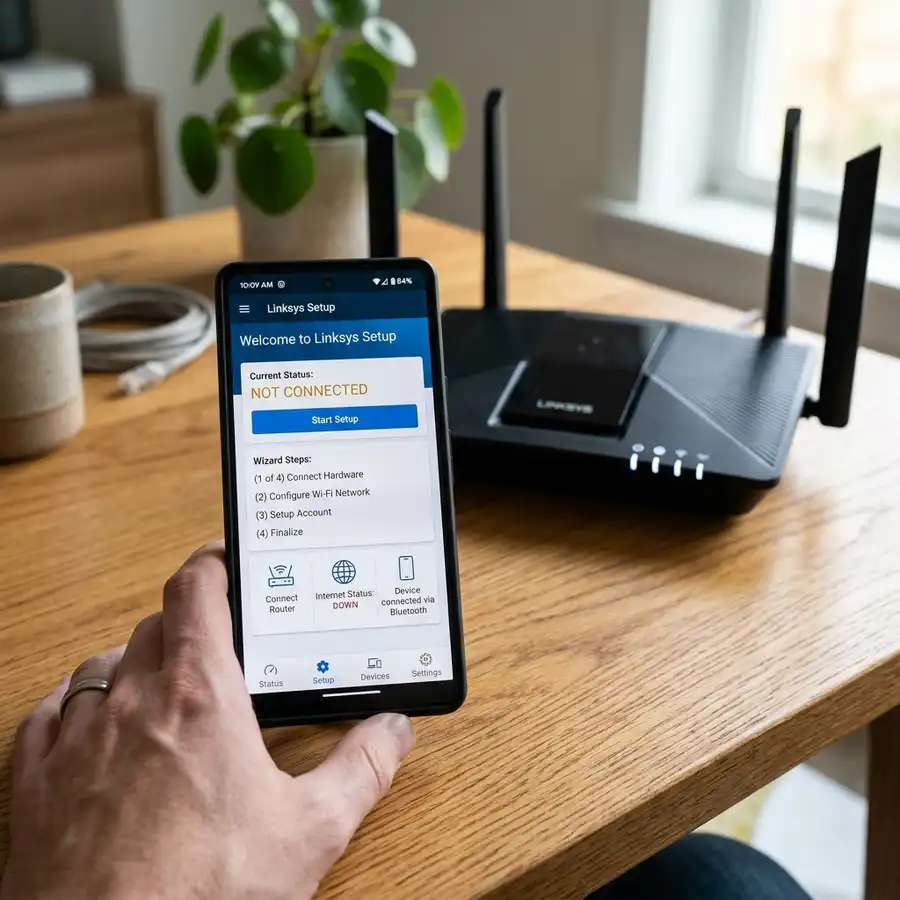
Understanding the UniFi Controller Architecture
The UniFi Controller operates on a Java-based platform, utilizing a web interface for configuration and management of UniFi devices.
Familiarity with the underlying architecture helps in troubleshooting and optimizing customizations on the WiFi voucher page.
Accessing the Customization Files
The customization files for the voucher page can be accessed via SSH into the UniFi Controller server, typically located in the directory /usr/lib/unifi/data.
Ensure adequate permissions are granted to modify HTML and CSS files for effective changes to the voucher page layout.
Editing HTML Structure
HTML structure can be customized by editing the index.html file found in the voucher page directory.
Modifications to this file may include changes to text, images, and links relevant to the voucher system.
Styling with CSS
Custom styles can be applied by editing the styles.css file, allowing for adjustments in colors, fonts, and layout of the voucher page.
Utilizing CSS classes effectively can enhance the visual appeal and user experience of the voucher interface.
Configuring Language and Localization
The localization of text elements can be managed through JSON files located in the /data/locale directory on the UniFi Controller.
Translation of key phrases and labels allows for the customization of the voucher page to support multiple languages.
Testing Changes on the Voucher Page
After making modifications, testing should be conducted using a web browser to access the voucher page, ensuring all changes render correctly.
Clear the browser cache to avoid loading outdated versions of the page during testing.
Backup and Version Control
It is advisable to back up original files before making any changes to the voucher page, allowing for restoration if needed.
Version control systems can be employed to track changes and facilitate collaborative edits to customization files.
Understanding the UniFi Controller Architecture
The UniFi Controller operates on a centralized architecture that manages multiple access points and their configurations. This architecture involves components like the database, web server, and user interface that work together to deliver a seamless WiFi experience.
Customizing HTML and CSS for the Voucher Page
Custom HTML and CSS can be implemented directly into the voucher page through the UniFi Controller interface. Utilizing the “Custom HTML” section allows for modifications in layout, colors, and styles to align with branding requirements.
Using the API for Advanced Customization
The UniFi Controller API offers endpoints that can be used to programmatically customize the WiFi voucher page. Authentication and API key generation are essential for accessing these endpoints securely and executing customization commands.
Implementing JavaScript for Dynamic Content
JavaScript can be embedded in the voucher page to enable interactive features such as countdown timers or animations. Proper placement of the script within the HTML structure ensures functionality without disrupting server-side processes.
Localization and Language Support Configuration
Localization can be achieved by modifying language files within the UniFi Controller settings. This includes setting locale options and translating specific strings to ensure users receive content in their preferred language.
Testing and Validation of Changes
A thorough testing process should be established to validate all changes made to the voucher page. Utilizing browser developer tools can help identify issues such as broken links or style mismatches before final deployment.
Understanding the UniFi Controller Language Files
The UniFi Controller utilizes language files stored in a specific directory, typically found at /usr/lib/unifi/data/locale. Custom translations can be implemented by editing these JSON files, which contain key-value pairs for various textual elements in the interface.
Configuring Custom CSS for the WiFi Voucher Page
Custom CSS can be added by navigating to the 'Custom' section of the WiFi voucher settings within the UniFi Controller. By referencing an external stylesheet or embedding CSS directly in the HTML, aesthetic changes can be applied to the voucher layout.
Utilizing the API for Advanced Customization
The UniFi Controller API allows for programmatic access to various settings and configurations, including voucher customization. By sending HTTP requests to the API endpoint, adjustments can be made dynamically based on user interactions or other conditions.
Implementing QR Code Generation for Vouchers
QR codes can be generated using libraries such as PHP QR Code or similar tools integrated into the UniFi Controller environment. This feature enhances user convenience by allowing quick access to WiFi credentials through mobile devices.
Testing and Validating Customizations
Post-customization, thorough testing should be conducted to ensure the changes render correctly across different browsers and devices. Validation can be achieved by utilizing developer tools to inspect elements and test functionality as intended.
Understanding the UniFi Controller Customization Framework
The UniFi Controller provides a robust framework for customizing various aspects of the network, including the WiFi voucher page.
This customization involves the manipulation of HTML, CSS, and JavaScript to create a tailored user experience that aligns with branding and user engagement strategies.
To begin the customization process, access the UniFi Controller dashboard and navigate to the "Guest Control" section under the "Settings" menu.
Within this section, there are options for enabling the guest portal and configuring its settings, such as voucher expiration and access duration.
To modify the HTML of the WiFi voucher page, it is necessary to utilize the "Custom HTML" feature, which allows for the insertion of personalized content.
This feature can be found under the "Guest Portal" settings, where administrators can edit the text and layout of the voucher page to reflect their organization's branding.
For more advanced customization, developers can make use of JavaScript to implement interactive features, such as dynamic content loading or form validations.
Testing these customizations in a controlled environment is crucial; failure to do so may result in user experience issues or connectivity problems.
When dealing with CSS, it is important to ensure that styles do not conflict with existing themes provided by the UniFi Controller.
Utilizing browser developer tools can assist in identifying which CSS selectors are applied and how to override them effectively.
For example, to change the background color of the voucher page, one might add a CSS rule like `body { background-color: #f0f0f0; }` within the Custom CSS field.
It is essential to keep a backup of original configurations to revert to the default settings in case of any display issues caused by CSS modifications.
Implementing Localization and Language Support for the WiFi Voucher Page
Localization is a critical aspect of customizing the WiFi voucher page, especially in regions with diverse language speakers.
The UniFi Controller allows administrators to provide translations for text displayed on the voucher page, improving accessibility and user experience.
To implement localization, navigate to the "Guest Portal" settings and locate the text fields for various elements like titles, messages, and buttons.
Each text field can be modified to reflect the desired language, with a focus on clarity and cultural relevance to the target audience.
For languages that require different character sets, it is essential to ensure that the chosen encoding supports these characters.
Using UTF-8 encoding is recommended, as it covers a wide range of characters from various languages, allowing for seamless display.
To verify proper encoding, administrators can check the HTML head section for a meta tag like ``.
Incorporating language switchers can enhance user experience; this can be achieved by creating a dropdown menu that allows users to select their preferred language.
Testing the localized voucher page is a vital step; using different browsers and devices can reveal potential issues with display or functionality.
Tools like Google Translate can assist in initial translation efforts, but professional translations are recommended for accuracy and cultural nuance.
Additionally, collecting user feedback on the translated content can identify areas for improvement and ensure that the language used resonates with users.
Regular updates to the text and translations should be made to keep the content relevant and reflective of any changes in services or branding.
Understanding the WiFi Voucher System Architecture
The WiFi voucher system in the UniFi Controller is designed to manage guest access effectively through customizable landing pages and voucher generation.
This system involves several components, including the UniFi Controller software, the access point (AP) hardware, and the guest portal, which collectively facilitate secure access to the network.
Central to this architecture is the UniFi Controller, which acts as the nerve center for managing all connected devices.
This software provides a web-based interface for network administrators to create, modify, and customize voucher pages to meet various organizational needs.
To interact with the UniFi Controller, administrators typically employ RESTful API calls, which allow for direct manipulation of settings related to guest access and voucher customization.
For example, using cURL, a common command-line tool, the following command retrieves voucher settings: `curl -X GET 'http://
Furthermore, the hardware component, including the access points, plays a crucial role in the voucher system by enforcing the guest access policies set within the controller.
Access points authenticate users against the voucher data stored within the UniFi Controller, ensuring only authorized devices can access the designated network.
Customizing the Guest Portal and Voucher Generation
Customizing the guest portal in the UniFi Controller requires a comprehensive understanding of the HTML and CSS that define the appearance and functionality of the voucher page.
Administrators can modify the landing page by accessing the 'Guest Control' settings within the UniFi Controller’s web interface.
For instance, changing the background image involves navigating to the Customization tab and uploading a new image file, thereby enhancing the visual appeal of the login page.
In addition, CSS styles can be adjusted to modify fonts, colors, and layout, allowing for a tailored user experience that aligns with the organization's branding.
Moreover, generating vouchers can be automated through the UniFi API, which allows administrators to create bulk vouchers programmatically.
A sample command to generate a voucher might look like this: `curl -X POST 'http://
This command creates ten vouchers that expire after one hour, streamlining the process of providing temporary access to guests.
Additionally, voucher settings such as validity period and access limits can be adjusted to suit specific event requirements or guest policies.
Customizing the WiFi Voucher Page Layout Using HTML and CSS
Customizing the WiFi voucher page on the UniFi Controller requires a solid understanding of HTML and CSS, as these technologies are used to structure and style the page.
To begin, a basic understanding of the UniFi Controller's file structure is essential. The customization files are generally located under the `/usr/lib/unifi/www/` directory on your UniFi Controller.
This directory contains various files related to the guest portal, and modifications can be made to the `voucher.html` file to alter the structure of the voucher page.
To access this directory, SSH into the UniFi Controller using a command like `ssh admin@
After successful authentication, navigate to the directory using the command `cd /usr/lib/unifi/www/`. Here, a backup of the original `voucher.html` file should be created using `cp voucher.html voucher_backup.html` before any modifications.
Editing the `voucher.html` file can be accomplished using a text editor such as `nano` or `vi`. For example, `nano voucher.html` will open the file in the Nano text editor.
Within this HTML file, various elements such as headings, paragraphs, and div containers can be modified or added to create a personalized layout.
To apply custom CSS, it is advisable to create a separate CSS file in the same directory, for instance, `custom_styles.css`, where styling rules can be defined to change colors, fonts, and other design aspects.
Link this CSS file within the `
` section of the `voucher.html` file using the `` tag.After making changes, save the file and restart the UniFi service using the command `sudo service unifi restart` to apply changes.
Displaying the updated voucher page can be tested by accessing the guest portal on a device connected to the network, ensuring that changes are reflected correctly.
Regularly check for any updates to the UniFi Controller software that might overwrite custom files. It is advisable to maintain a changelog to document modifications made to facilitate future updates.
Implementing Multi-Language Support for the WiFi Voucher Page
Implementing multi-language support on the WiFi voucher page enhances user experience by accommodating diverse user groups.
This can be achieved through the use of JavaScript alongside the existing HTML structure, enabling dynamic content changes based on user selection.
The first step involves creating language-specific JSON files that store translations of the text used in the voucher page. Each file should be named according to the language code, for example, `en.json` for English and `es.json` for Spanish.
The structure of these JSON files should be straightforward, containing key-value pairs for each piece of translatable text. For instance, `{"welcome": "Welcome", "voucher_code": "Your Voucher Code is:"}` in `en.json` and `{"welcome": "Bienvenido", "voucher_code": "Su código de voucher es:"}` in `es.json`.
In the `voucher.html` file, a language selection dropdown can be added, allowing users to choose their preferred language. This can be implemented with a simple `
Next, JavaScript functions must be written to handle the selection event, loading the appropriate JSON file based on the user's choice. This can be done using the `fetch()` API to retrieve the translations and updating the HTML elements dynamically using DOM manipulation.
For example, upon language selection, the JavaScript function could look like this: `function changeLanguage(lang) { fetch(lang + '.json').then(response => response.json()).then(data => { document.getElementById('welcome').innerText = data.welcome; document.getElementById('voucher_code').innerText = data.voucher_code; }); }`.
Ensure that all text elements on the voucher page have corresponding IDs that match those used in the JSON files for seamless updates.
Testing the multi-language functionality involves selecting different languages from the dropdown and verifying that the text updates accordingly without refreshing the page.
Finally, document the language support feature, including the process for adding additional languages and maintaining translation files, which is crucial for future updates and enhancements.
Frequently Asked Questions
How often should the WiFi voucher page be updated?
It is advisable to review and update the WiFi voucher page regularly, especially when new promotions or services are introduced.
Can multiple languages be used on the voucher page?
Yes, multiple languages can be configured if the UniFi Controller supports localization options, enhancing accessibility for diverse users.
What if changes do not appear on the voucher page?
If changes do not appear, refreshing the browser cache or checking for saved settings might be necessary. Re-login to the controller may also help.
Is there a way to preview the changes before saving?
Unfortunately, the UniFi Controller does not provide a preview feature. Testing after saving is the most effective way to check changes.
Where can additional support be found?
For further assistance, user forums and community discussions can provide valuable insights. However, official support should be consulted for critical issues.




