Trackball vs Ergonomic Mouse: Which is Best for Wrist Strain?
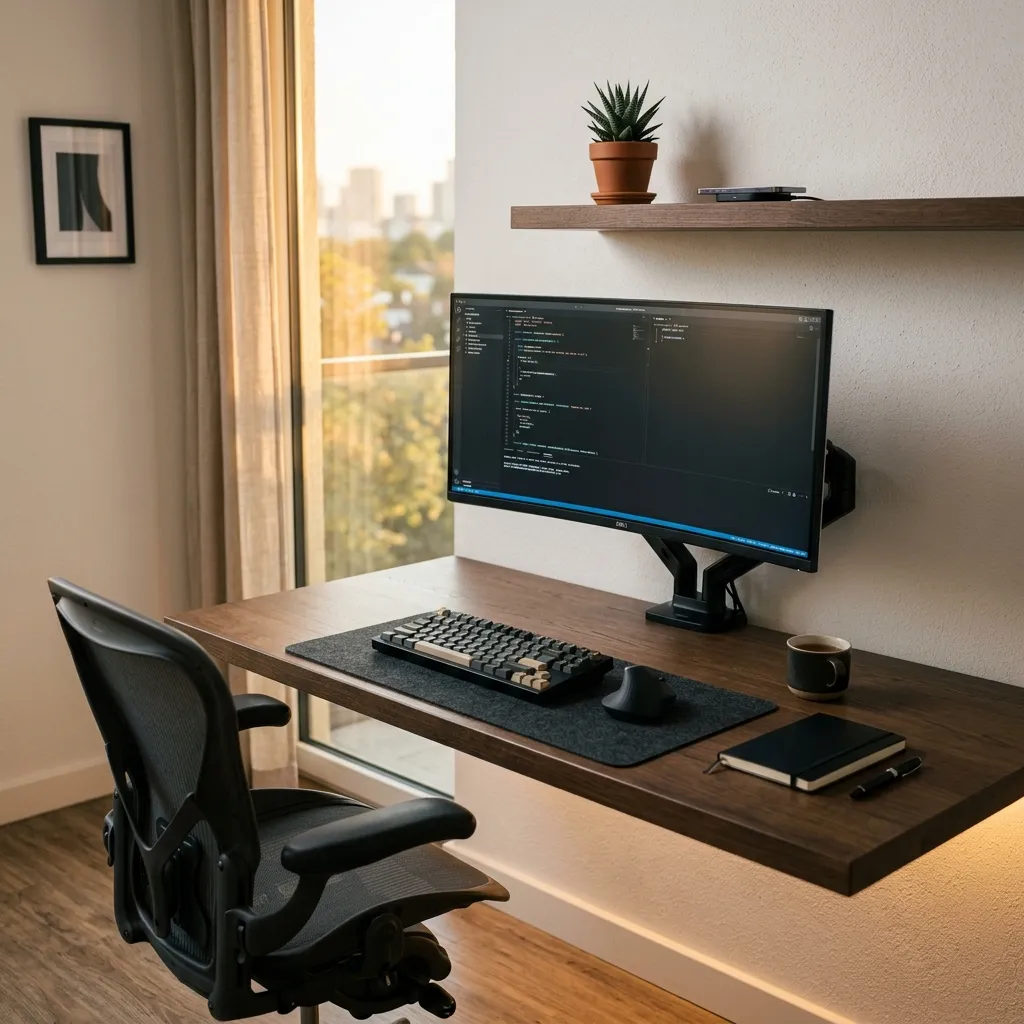
The choice between a trackball and an ergonomic mouse can significantly impact wrist strain levels.
Ergonomics of Trackballs
Trackballs are designed to minimize wrist movement, allowing the hand to stay stationary while the ball is manipulated for cursor movement. This design reduces strain on the wrist and forearm muscles, making it suitable for prolonged use.
Ergonomics of Ergonomic Mice
Ergonomic mice often feature a contoured shape that supports the natural resting position of the hand. Such designs may alleviate discomfort but can still require more wrist motion compared to trackballs.
Performance Comparison
Trackballs excel in precision and accuracy, particularly for tasks requiring fine motor control. In contrast, ergonomic mice may offer faster cursor speed but can lead to increased wrist movement and strain over time.
Material and Build Quality
Many trackballs utilize high-quality plastics and rubberized surfaces for better grip and comfort. Ergonomic mice often feature similar materials but may also incorporate metal components for durability.
Design Variations
Trackballs come in various designs, including stationary and portable models, catering to different user preferences. Ergonomic mice are available in multiple shapes and sizes, often targeting specific grip styles like palm or claw grip.
| Feature | Trackball | Ergonomic Mouse |
|---|---|---|
| Wrist Strain | Low | Moderate |
| Precision | High | Moderate |
| Movement Type | Stationary | Dynamic |
| Material | Plastic/Rubber | Plastic/Metal |
| Design | Varied | Contoured |
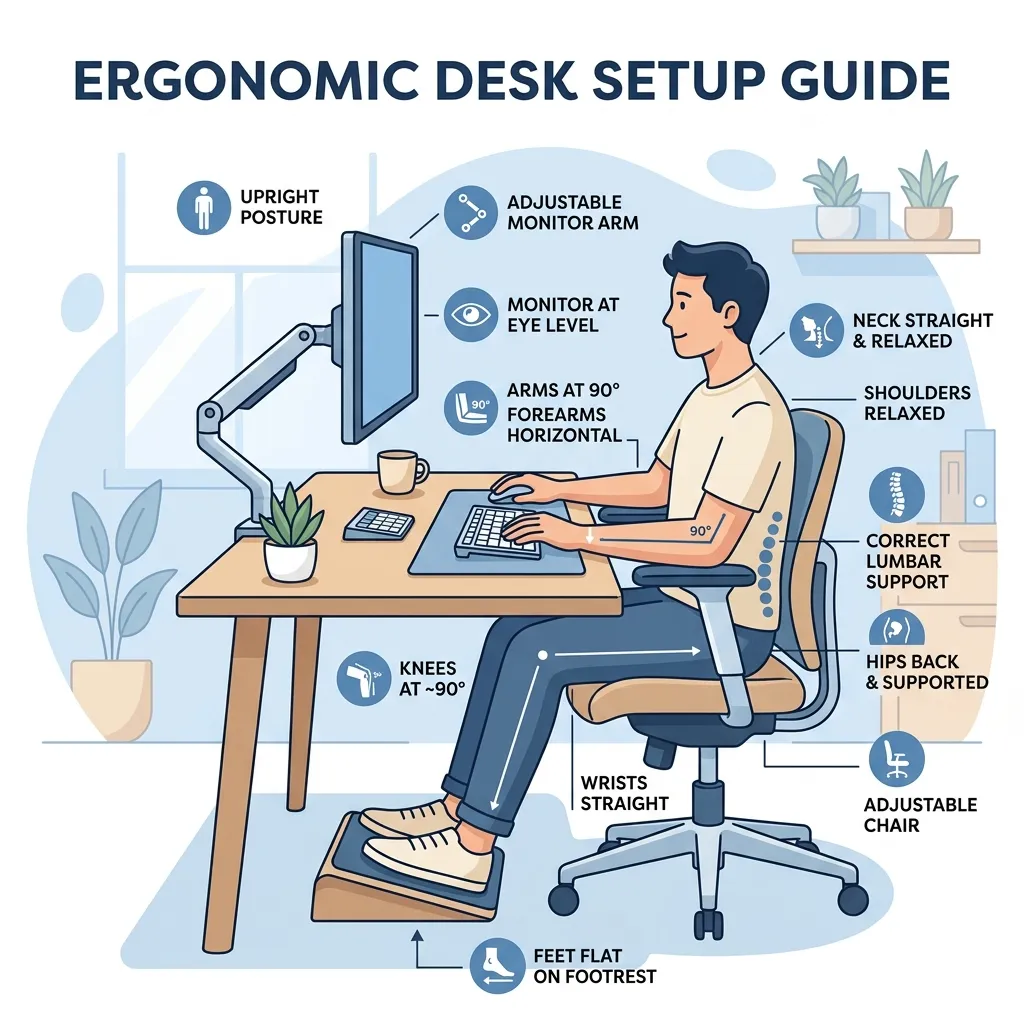
DomineTec Tip: Consider adjusting the height of your monitor and desk to maintain a neutral wrist position while using either device.
- Assess personal comfort with both devices before making a decision.
- Test various models in-store to find the best fit for hand size and grip style.
- Evaluate the surface of your desk, as a smoother surface can enhance performance.
- Incorporate regular breaks and stretching exercises into daily routines.
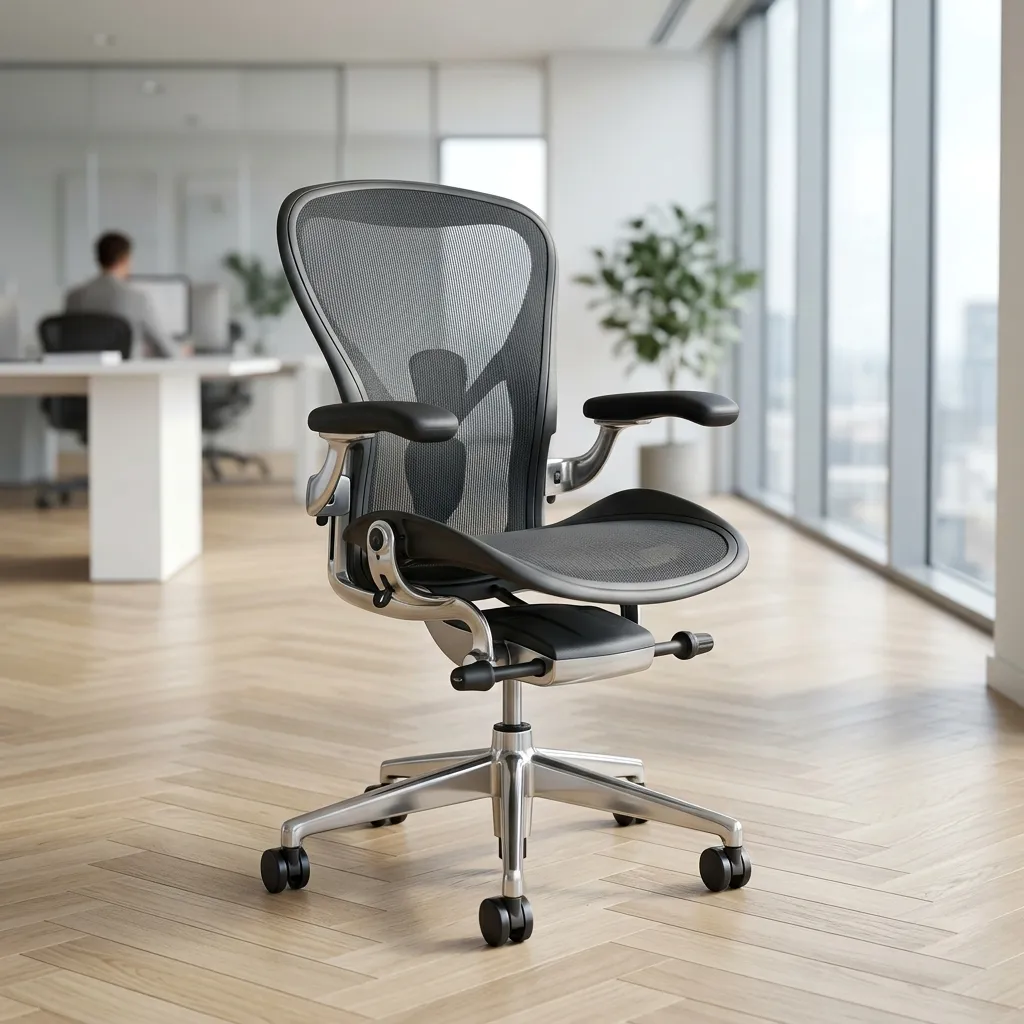
- Consider pairing the device with an ergonomic office chair for improved posture.
Long-Term Health Implications
Chronic wrist strain can lead to more serious conditions such as carpal tunnel syndrome or tendonitis, which may require medical intervention. Both trackballs and ergonomic mice are designed to alleviate strain, but the effectiveness can vary based on user habits and preferences.
Regular assessments of long-term use should be conducted to identify any developing discomfort or pain, ensuring timely adjustments. Consulting with healthcare professionals for personalized recommendations can further enhance the long-term benefits of using ergonomic devices.
Adaptation Period
Transitioning from a traditional mouse to a trackball or ergonomic mouse often requires an adaptation period for the user. Users may initially experience discomfort as their hand and wrist adjust to the new positioning and movements required by these devices.
Gradual integration into daily tasks can facilitate a smoother transition, allowing the user to build muscle memory and comfort. Feedback from initial use can also inform modifications in technique or device settings, optimizing user experience over time.
Impact on Productivity
The choice between a trackball and an ergonomic mouse can significantly affect productivity, especially for users engaged in prolonged computer tasks. Trackballs can provide quicker navigation with less physical movement, potentially increasing efficiency in certain applications.
Conversely, ergonomic mice may offer a more familiar interface that some users find easier to control, enhancing overall workflow. Ultimately, the impact on productivity will depend on the individual's workflow, the nature of their tasks, and their adaptability to the new device.
Cost-Benefit Analysis
When choosing between a trackball and an ergonomic mouse, cost is a crucial consideration for many users. Trackballs often have a higher upfront cost due to their specialized design and features, but they may provide long-term savings by reducing injury-related healthcare costs.
In contrast, ergonomic mice can be more budget-friendly, making them accessible to a wider audience while still offering significant ergonomic benefits. Evaluating the total cost of ownership, including potential health implications, can provide a clearer picture of the long-term value of each device.
Environmental Considerations
Environmental sustainability is becoming an increasingly important factor in consumer electronics, including ergonomic peripherals. Some manufacturers are focusing on eco-friendly materials and production processes for both trackballs and ergonomic mice.
Users should consider the environmental footprint of their devices, including recyclability and the use of sustainable materials. Making environmentally conscious choices can contribute to a healthier planet while still addressing individual ergonomic needs.
Customization and Personalization
Customization options can play a significant role in enhancing the user experience with both trackballs and ergonomic mice. Some devices offer adjustable buttons, sensitivity settings, and even interchangeable components to cater to individual preferences.
Personalizing a device can make it more comfortable and efficient, ultimately leading to better ergonomic outcomes. Users should explore the customization features available for each device to find the best fit for their specific needs and tasks.
Comparative User Experiences
User experiences with trackballs and ergonomic mice can vary widely based on individual preferences and usage patterns. Gathering insights from a diverse group of users can provide valuable context for understanding the strengths and weaknesses of each device.
Online reviews, forums, and ergonomic studies can serve as resources for prospective buyers to learn from others' experiences. Ultimately, firsthand feedback can guide users in making informed decisions that align with their ergonomic needs and work habits.
Maintenance and Cleaning Requirements
Trackballs and ergonomic mice have different maintenance needs that can impact their longevity and functionality. Trackballs require regular cleaning to prevent dust and debris from accumulating in the ball mechanism, which can hinder performance.
In contrast, ergonomic mice may need less frequent cleaning, but the sensors can become obstructed by dirt, affecting precision. Understanding these maintenance requirements can guide users in choosing a device that aligns with their willingness to invest time in upkeep.
Technological Advancements
Both trackballs and ergonomic mice have seen significant technological innovations aimed at improving user experience and reducing strain. Trackballs have incorporated features such as customizable buttons and improved optical sensors, enhancing their functionality and responsiveness.
Ergonomic mice have also evolved, with advancements like wireless connectivity and adjustable DPI settings for greater precision. Staying informed about these advancements can help users select a device that meets their specific needs and preferences.
Usage Scenarios
Different use cases can significantly influence the effectiveness of trackballs and ergonomic mice for wrist strain relief. Trackballs are often favored in design and CAD software applications, where precision and control are paramount.
Conversely, ergonomic mice may be more suited for general office tasks and gaming, where fast movements and quick response times are essential. Evaluating the primary tasks performed can help determine which device may offer better support and reduce wrist strain during extended use.
Educational Resources and Support
Access to educational resources can enhance the user's understanding of how to effectively use both trackballs and ergonomic mice. Many manufacturers provide guides and tutorials that highlight best practices for setup, usage, and maintenance to maximize ergonomic benefits.
Online forums and communities can also serve as valuable platforms for users to share experiences and tips related to reducing wrist strain. Utilizing these resources can empower users to make informed decisions and optimize their device usage for better health outcomes.
Impact on Learning and Skill Development
Using trackballs or ergonomic mice can influence the learning curve and skill development for various tasks. Trackballs may require users to adapt their motor skills, potentially leading to an extended adjustment period but offering unique benefits in precision tasks.
Ergonomic mice often allow for a more intuitive feel for users familiar with traditional mouse designs, facilitating a quicker adaptation. Evaluating the impact of these devices on learning and skill development can guide users in making choices that align with their long-term goals.
Influence of Hand Position on Comfort
The position of the hand during the use of a trackball or ergonomic mouse can significantly affect overall comfort and strain levels. Trackballs typically allow for a more neutral wrist position, as users can manipulate the ball without having to move their entire arm, which can reduce fatigue over long periods of use.
Conversely, ergonomic mice are designed to promote a natural hand position but may still require some degree of wrist movement. Users might experience discomfort if their wrist is not properly aligned, especially during extended usage.
Understanding these dynamics is essential for selecting the proper device based on individual comfort levels. The adoption of various grips with each device can also influence strain levels, making it crucial to consider personal preferences.
Effect of Surface Texture on Grip and Control
The surface texture of both trackballs and ergonomic mice plays a crucial role in grip and control, directly impacting user experience. A trackball's surface must be smooth enough to allow for easy movement but textured enough to ensure the user's fingers maintain grip during use.
On the other hand, ergonomic mice often feature contoured surfaces designed to fit the hand while providing a non-slip grip. The effectiveness of these textures can vary significantly among different brands and models, impacting user preference and comfort.
Choosing a device with a suitable surface texture can enhance overall performance and reduce strain, making it a critical consideration in the selection process.
Training and Ergonomic Education
Proper training and education regarding the use of trackballs and ergonomic mice can significantly mitigate the risk of wrist strain and enhance user experience. Many users may not be fully aware of the optimal techniques for using these devices, which can lead to suboptimal habits and potential discomfort.
Workshops and educational resources focused on ergonomic practices can provide valuable insights into the best ways to utilize these devices effectively. Instruction on hand positioning, grip techniques, and workspace organization can help users maximize comfort and minimize strain.
Impact of Size and Shape on Usability
The size and shape of a pointing device play a crucial role in its usability, particularly for users with different hand sizes and grip styles. Trackballs generally offer a larger surface area for manipulation, allowing for a more relaxed hand position, which can reduce strain over prolonged use.
In contrast, ergonomic mice come in various shapes tailored to support different grip styles, such as palm grip, claw grip, and fingertip grip, catering to a wider range of user preferences. Selecting the right size and shape can significantly influence overall comfort and effectiveness during extended computer use.
Psychological Factors Influencing Device Preference
User preference for trackballs or ergonomic mice can be significantly influenced by psychological factors, including familiarity and perceived comfort. Individuals who have used one type of device for an extended period may develop a strong attachment, making them less inclined to switch to an alternative solution.
Moreover, the perception of productivity can also affect device preference. Users may believe that one device is more efficient than another based solely on their past experiences or anecdotal evidence from peers.
Troubleshooting Common Issues with Trackballs and Ergonomic Mice
Troubleshooting trackball and ergonomic mouse issues requires an understanding of both hardware and software components. Common problems include connectivity issues, tracking errors, and button responsiveness.
For connectivity issues, first ensure that batteries are charged or that the device is properly connected via USB. For wireless devices, checking the Bluetooth settings or attempting to reconnect the device can often resolve basic connectivity problems.
If the cursor is not tracking smoothly, it may be due to dirty sensors or a contaminated surface. Cleaning the trackball with a soft cloth and using compressed air to remove debris or dust from the sensor area can significantly improve performance.
Button responsiveness can degrade over time, particularly in devices that utilize mechanical switches. Performing a simple button test by pressing each button multiple times can help identify problematic buttons; if issues persist, software settings can be adjusted to remap buttons or calibrate sensitivity.
Additionally, keeping drivers and firmware updated is crucial for optimal performance. Manufacturers often provide updates that can fix bugs or improve functionality, so regularly checking the manufacturer's website for updates is advisable.
In cases where software conflicts arise, uninstalling and reinstalling the device's drivers may help resolve issues. Device Manager in Windows or the System Preferences in macOS can be utilized to manage device drivers effectively.
Best Practices for Ergonomic Device Usage
Implementing best practices when using trackballs and ergonomic mice can enhance user comfort and reduce the risk of wrist strain. Proper hand positioning is essential; hands should float above the device, minimizing wrist extension.
Using a wrist rest can help maintain a neutral wrist position, decreasing strain during extended use. Additionally, ensuring that the workspace is set up ergonomically, with the monitor at eye level and the keyboard at an appropriate height, can further alleviate discomfort.
Taking regular breaks is vital for preventing repetitive strain injuries. The 20-20-20 rule is helpful; for every 20 minutes of use, look at something 20 feet away for 20 seconds to reduce eye strain and encourage movement.
Adjusting settings such as pointer speed and acceleration can also improve comfort and efficiency. Users should experiment with different settings to find the most comfortable configuration for their specific usage patterns.
Incorporating stretching exercises into the daily routine can help maintain flexibility and reduce tension in the wrist and forearm muscles. Simple wrist and finger stretches can be effective in mitigating discomfort associated with prolonged device usage.
Lastly, maintaining a clean workspace and ensuring the device is free from debris can enhance functionality and longevity. Regular cleaning and inspection can prevent performance issues and promote a healthy ergonomic environment.
Frequently Asked Questions
What is a trackball?
A trackball is an input device that consists of a ball held in a stationary housing, allowing users to control the cursor by rotating the ball with their fingers.
How does an ergonomic mouse differ from a regular mouse?
An ergonomic mouse is designed to fit the natural shape of the hand, promoting a more comfortable and neutral wrist position compared to standard mice.
Can using a trackball reduce wrist strain?
Yes, using a trackball can significantly reduce wrist strain by minimizing the need for wrist movement during cursor control.
What are the benefits of an ergonomic mouse?
Benefits of an ergonomic mouse include reduced risk of repetitive strain injuries and enhanced comfort during extended use.
Which device is better for gaming?
While ergonomic mice are often preferred for gaming due to their responsiveness, some users may find trackballs advantageous for specific game genres requiring precision.




