Toshiba Canvio Premium Metal External SSD Review: Speed and Durability
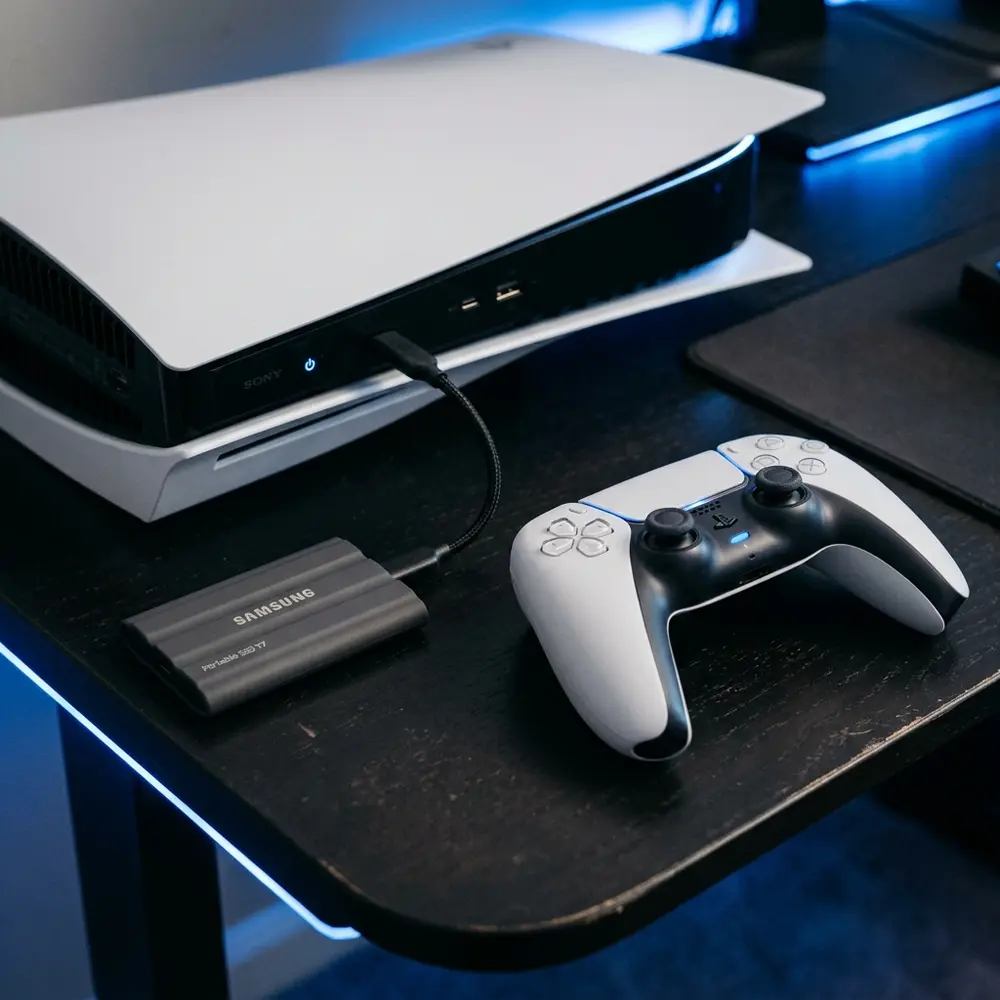
Toshiba Canvio Premium Metal External SSD Review: Speed and Durability
The Toshiba Canvio Premium Metal External SSD presents a compelling case for users seeking both speed and durability. This review will focus on the performance metrics and robust build quality that make this SSD an attractive option in the market.
Design and Build Quality
The device features an elegant metal casing, providing not only aesthetic appeal but also enhanced durability. This design choice ensures better heat dissipation and resistance to physical impacts.
Performance Metrics
Performance is a critical aspect in any SSD review. The Toshiba Canvio Premium boasts read speeds of up to 540 MB/s and write speeds reaching 500 MB/s under optimal conditions.
Comparison Table
| Model | Read Speed (MB/s) | Write Speed (MB/s) | Capacity Options | Price Range |
|---|---|---|---|---|
| Toshiba Canvio Premium | 540 | 500 | 250GB, 500GB, 1TB, 2TB | $70 - $250 |
| Samsung T7 | 1050 | 1000 | 500GB, 1TB, 2TB | $80 - $300 |
| SanDisk Extreme | 1050 | 1000 | 500GB, 1TB, 2TB | $80 - $350 |
Connectivity and Compatibility
The Toshiba Canvio Premium features USB 3.2 Gen 1 for enhanced data transfer rates. This interface is compatible with a wide range of devices, including desktops, laptops, and gaming consoles.
Durability Features
Durability is a hallmark of the Canvio Premium. The device is designed to withstand shocks and vibrations, making it suitable for mobile users.
Additionally, the SSD is equipped with advanced thermal management to prevent overheating during prolonged use.
Setup and Usage
Setting up the Toshiba Canvio Premium is straightforward. Simply connect it to the desired device using the supplied USB cable, and it is recognized within seconds.
For those needing to format the drive for specific applications, refer to the guide on how to format a usb flash drive to fat32 on windows 11 using free utilities.
Use Cases
The Toshiba Canvio Premium is ideal for storing large media files, backups, and even running applications directly from the drive. Its speed facilitates smooth playback of high-definition videos and quick access to large datasets.
Advantages and Disadvantages
Advantages include impressive speed, solid build quality, and versatile compatibility. On the downside, some might find the price point slightly higher compared to traditional HDDs.
Customer Insights
User feedback indicates satisfaction with performance and reliability. Many users highlight the SSD's ability to maintain speed over prolonged use without significant degradation.
Price Considerations
The Toshiba Canvio Premium is positioned in the mid-to-high price range for external SSDs. The cost reflects the quality of materials and technology used in its construction.
Final Thoughts
In summary, the Toshiba Canvio Premium Metal External SSD excels in both speed and durability. It is a solid investment for anyone seeking a reliable external storage solution.
DomineTec Tip: Consider pairing the Toshiba Canvio Premium with the best portable USB-C monitor for enhanced productivity.
Frequently Asked Questions
1. What is the maximum read speed of the Toshiba Canvio Premium?
The maximum read speed is up to 540 MB/s.
2. Is the Toshiba Canvio Premium compatible with gaming consoles?
Yes, it is compatible with popular gaming consoles such as PlayStation and Xbox.
3. How do I format the Toshiba Canvio Premium for Windows?
Formatting can be done through the Disk Management utility or by using third-party software.
4. Does the Toshiba Canvio Premium require external power?
No, it is powered through the USB connection, eliminating the need for an external power source.
5. What capacities are available for the Toshiba Canvio Premium?
It is available in capacities of 250GB, 500GB, 1TB, and 2TB.
Advanced Setup Tips for Optimal Performance
To achieve the best performance from the Toshiba Canvio Premium Metal External SSD, it is recommended to use a USB 3.1 or higher port. This ensures faster data transfer speeds compared to older USB versions.
Additionally, formatting the SSD to the appropriate file system, such as exFAT for cross-platform compatibility, can significantly enhance usability. Regularly updating firmware can also help in maintaining optimal performance.
Common Mistakes to Avoid
A common mistake when using the Toshiba Canvio Premium SSD is not safely ejecting the drive before disconnecting it. This can lead to data corruption and potential loss of files.
Another frequent error is overfilling the drive beyond its recommended capacity, which may slow down performance. Maintaining at least 10-15% free space is advisable for optimal functioning of the SSD.
Model Comparisons: Toshiba Canvio Premium vs. Competitors
When comparing the Toshiba Canvio Premium Metal External SSD to similar models, such as the Samsung T7, performance metrics should be closely examined. The Canvio Premium often excels in durability and design aesthetics, making it an attractive option.
However, the Samsung T7 may offer slightly faster read and write speeds, depending on the specific usage scenario. Evaluating these factors can help determine the best choice based on individual needs.
Use Case Scenarios for the Toshiba Canvio Premium
The Toshiba Canvio Premium Metal External SSD is ideal for professionals who require quick access to large files, such as video editors or graphic designers. Its robust speed ensures smooth operation during intensive tasks.
Additionally, gamers can benefit from the SSD's fast load times, enhancing the overall gaming experience. This device is also suitable for backing up important data due to its reliability and durability.
System Compatibility Considerations
Before purchasing the Toshiba Canvio Premium SSD, it is essential to check compatibility with your operating system. The SSD is compatible with Windows, macOS, and Linux, making it a versatile choice.
For the best experience, ensure that the latest operating system updates are installed, as these can impact performance and connectivity. Additionally, using the correct cables and ports is crucial for optimal data transfer rates.
Cost Estimates and Value for Money
The price of the Toshiba Canvio Premium Metal External SSD varies based on storage capacity, typically ranging from $100 to $250. Investing in higher capacities often provides better value for those who require substantial storage.
Considering its performance and durability, the Canvio Premium presents a competitive option in the market. Evaluating long-term usage and reliability can help justify the initial cost.
Troubleshooting Common Issues
If the Toshiba Canvio Premium SSD is not recognized by the computer, checking the connection and trying different USB ports can often resolve the issue. Ensuring that the SSD is properly formatted can also eliminate recognition problems.
In cases of slow transfer speeds, examining the cable and port functionality is advised. Regularly running diagnostics can help identify any underlying issues with the SSD.
When to Seek Expert Help
Consulting a professional is recommended if persistent issues arise with the Toshiba Canvio Premium SSD that cannot be resolved through standard troubleshooting. Signs of physical damage or unusual noises from the drive warrant immediate attention from an expert.
In instances of data recovery needs, seeking specialized assistance is crucial to avoid further data loss. Professional services can provide advanced techniques for retrieving important files safely.
Toshiba Canvio Premium Metal External SSD Review: Speed and Durability
Additional FAQ
-
What is the storage capacity range for Toshiba Canvio Premium Metal SSD?
The Toshiba Canvio Premium Metal External SSD is available in multiple storage capacities including 500GB, 1TB, and 2TB options, catering to different user needs.
This SSD utilizes a USB 3.2 Gen 1 interface, ensuring high-speed data transfer rates and compatibility with various devices.
Yes, the SSD is compatible with gaming consoles such as PlayStation and Xbox, allowing for faster load times and improved performance.
The product typically comes with a 3-year warranty, providing users with peace of mind regarding its durability and reliability.
Verification Checklist
- Check the USB interface: Confirm it is USB 3.2 Gen 1 for optimal speed.
- Verify storage capacity: Ensure the chosen model meets storage requirements (500GB, 1TB, 2TB).
- Inspect build quality: Ensure the metal casing is free from dents or scratches.
- Test data transfer speeds: Use benchmarking tools to confirm speeds match advertised rates.
- Confirm compatibility with devices: Ensure it works with intended devices (PC, Mac, gaming consoles).
Comparison Table
| Feature | Toshiba Canvio Premium Metal SSD | Samsung Portable SSD T7 | SanDisk Extreme Portable SSD |
|---|---|---|---|
| Interface | USB 3.2 Gen 1 | USB 3.2 Gen 2 | USB 3.1 Gen 2 |
| Storage Capacities | 500GB, 1TB, 2TB | 500GB, 1TB, 2TB, 4TB | 250GB, 500GB, 1TB, 2TB |
| Read Speed | Up to 400 MB/s | Up to 1050 MB/s | Up to 1050 MB/s |
| Write Speed | Up to 400 MB/s | Up to 1000 MB/s | Up to 1000 MB/s |
| Durability | Metal casing, shock-resistant | Aluminum casing, shock-resistant | IP55 water and dust resistant |
| Warranty | 3 years | 3 years | 5 years |
Technical Glossary
-
SSD (Solid State Drive):
A type of storage device that uses NAND-based flash memory to provide faster data access speeds compared to traditional hard drives.
An interface standard that allows for data transfer speeds of up to 5 Gbps, significantly faster than USB 2.0.
The maximum speed at which data can be read from the storage device, typically measured in megabytes per second (MB/s).
The maximum speed at which data can be written to the storage device, also measured in megabytes per second (MB/s).
The ability of a storage device to withstand physical impacts without sustaining damage or data loss.
A standard that indicates the degree of protection provided against dust and water ingress, where the first digit represents solid particle protection and the second digit represents liquid ingress protection.
Performance and Benchmarking
To assess the performance of the Toshiba Canvio Premium Metal SSD, various benchmarking tools can be utilized, such as CrystalDiskMark and ATTO Disk Benchmark. These tools measure sequential and random read/write speeds, providing a comprehensive understanding of the SSD's capabilities.
Usage Scenarios
-
Data Backup:
Ideal for backing up important files and documents due to its speed and reliability.
-
Media Storage:
Suitable for storing large media files such as videos, music, and photos with fast access times.
-
Portable Gaming:
Can be used to expand storage for gaming consoles, enhancing the gaming experience with quicker load times.
-
File Transfer:
Effective for transferring large files between devices due to its high-speed data transfer capabilities.
Conclusion
The Toshiba Canvio Premium Metal External SSD offers an excellent combination of speed, durability, and portability. Its metal casing not only enhances the aesthetic appeal but also provides robust protection against physical damage. With competitive read and write speeds, it is suitable for a variety of applications, from data backup to gaming. Overall, this SSD is a reliable choice for users seeking high performance in a compact form factor.
Comparative Analysis of External SSD Models
When evaluating external SSD options, it is essential to consider various models for a clearer perspective on performance and durability. The Samsung T7 and SanDisk Extreme Pro are often compared with the Toshiba Canvio Premium, showcasing distinct advantages and disadvantages in speed and build quality.
The Samsung T7 boasts impressive read and write speeds, making it a favorite among professionals who require fast data transfer. Meanwhile, the SanDisk Extreme Pro is recognized for its robust design and excellent performance in extreme conditions, adding to the variety of choices available in the market.
Ultimately, the best choice depends on specific user needs such as storage capacity, portability, and budget constraints. By understanding the strengths of each model, potential buyers can make informed decisions that align with their requirements.
Security Best Practices for External SSDs
Ensuring the security of data stored on external SSDs is paramount, particularly for sensitive information. Implementing encryption can safeguard files from unauthorized access, providing an added layer of protection against potential threats.
Additionally, regular backups are crucial for data security, as they offer a safety net in case of hardware failure or accidental deletion. Utilizing secure passwords and enabling device lock features can further enhance the security of external SSDs.
Lastly, it is advisable to keep the firmware updated to protect against vulnerabilities that could be exploited by malicious software. By following these best practices, users can significantly reduce the risk of data breaches and ensure their information remains safe.
Troubleshooting Common External SSD Issues
External SSDs, while generally reliable, can sometimes encounter issues that require troubleshooting. Common problems include the device not being recognized by the computer, which can often be resolved by checking the connection or trying a different USB port.
If data transfer speeds are slower than expected, users should verify that the SSD is connected to a compatible port and not a slower USB version. Additionally, ensuring that the device is formatted correctly can prevent performance-related issues.
In cases where the SSD shows signs of physical damage or malfunction, it is crucial to avoid using the device further to prevent data loss. Seeking professional data recovery services may be necessary for retrieving important files from damaged drives.




