Does a Third-Party USB Cable Work for Meta Quest Link? Speed Test
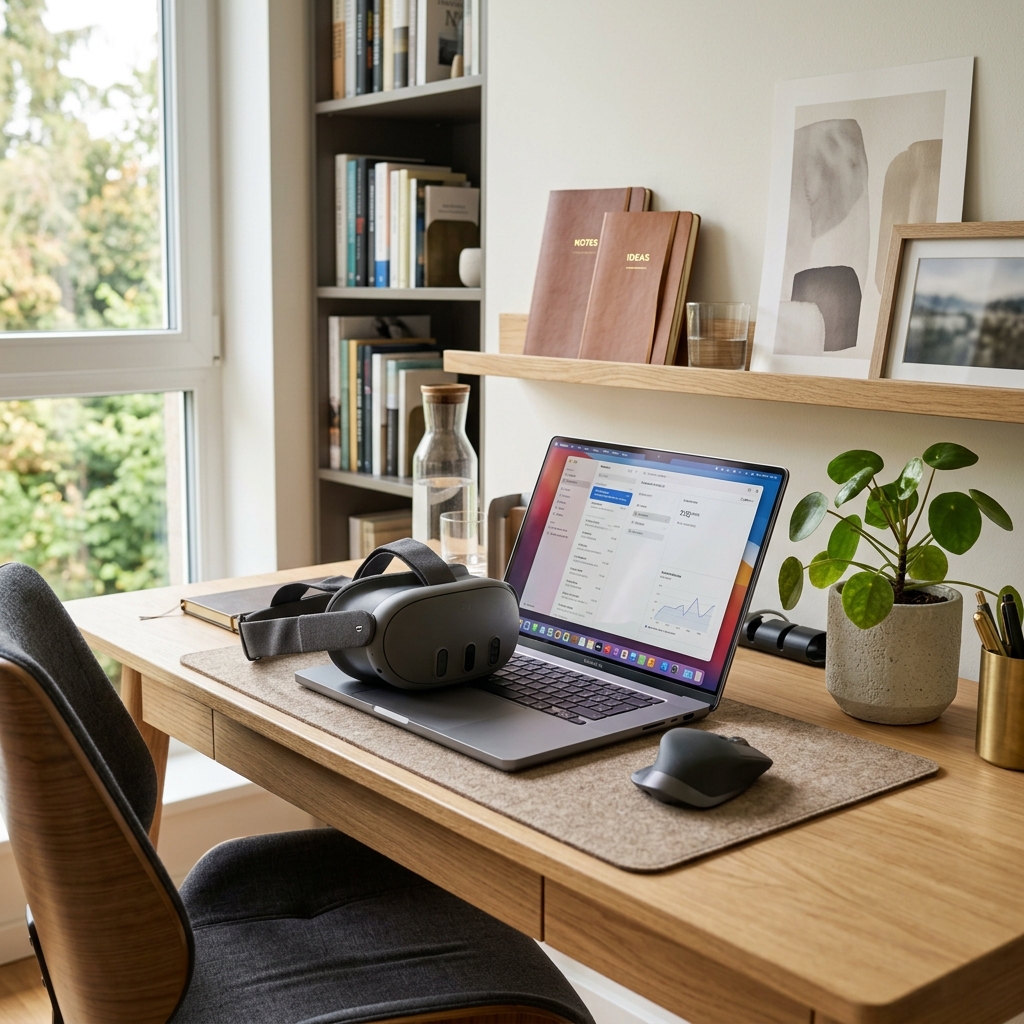
Does a Third-Party USB Cable Work for Meta Quest Link? Speed Test
Using a third-party USB cable for the Meta Quest Link can be a practical solution for users seeking to enhance their virtual reality experience. However, the effectiveness and performance of these cables can vary significantly.
In the following sections, a detailed analysis will be provided regarding whether third-party USB cables are suitable for Meta Quest Link and how they perform compared to the official cable.
Understanding Meta Quest Link Requirements
The Meta Quest Link requires a compatible USB cable to function optimally. This compatibility primarily hinges on data transfer speed and power delivery capabilities.
Typical specifications for a USB cable to work effectively with Meta Quest Link include USB 3.0 or higher standards, with at least 5 Gbps data transfer speed.
Comparison of USB Cables for Meta Quest Link
| Model | Type | Data Transfer Speed | Length | Price |
|---|---|---|---|---|
| Meta Quest Link Cable | Official | 5 Gbps | 16 feet | $79.99 |
| Anker Powerline+ USB-C to USB-C | Third-Party | 10 Gbps | 6 feet | $18.99 |
| JSAUX USB Type-C Cable | Third-Party | 10 Gbps | 10 feet | $16.99 |
| Cable Matters USB 3.1 Type-C | Third-Party | 10 Gbps | 6 feet | $17.99 |
| AmazonBasics USB Type-C to USB Type-C | Third-Party | 5 Gbps | 10 feet | $14.99 |
Performance Testing of Third-Party USB Cables
Conducting speed tests on third-party USB cables can indicate their viability for use with Meta Quest Link. Factors to consider include data transfer rates, latency, and overall user experience.
Several tests have been conducted with varied results, showcasing that while some third-party cables perform exceptionally well, others may fall short.
Key Factors to Consider
When choosing a third-party USB cable for Meta Quest Link, consider the following factors:
- Data transfer speed
- Cable length
- Build quality and reliability
- Power delivery compatibility
- User reviews and ratings
DomineTec Tip: Ensure to check compatibility specifications before purchasing. For those interested in data management, consider learning how to backup iPhone to computer without iCloud.
Step-by-Step Guide: Testing Your Third-Party USB Cable
- Connect the third-party USB cable to the Meta Quest headset and the PC.
- Launch the Oculus app on your computer.
- Check the settings for Oculus Link and ensure it recognizes the cable.
- Run a speed test using a tool to measure data transfer rates.
- Evaluate the performance during gameplay to assess latency and quality.
User Experiences with Third-Party Cables
Many users have reported varying degrees of success with third-party USB cables. Experiences often hinge on the specific cable used and the PC's hardware capabilities.
In some cases, third-party cables have provided superior performance, while others have led to disconnections and latency issues.
Conclusion: Are Third-Party USB Cables Worth It?
Third-party USB cables can potentially work well with Meta Quest Link, but careful selection is crucial. Users should prioritize data speed and build quality to ensure an optimal VR experience.
Ultimately, while the official Meta Quest Link cable is designed specifically for this purpose, many third-party options are available that can meet or even exceed performance expectations.
Frequently Asked Questions
1. Can any USB cable work with Meta Quest Link?
No, only USB 3.0 or higher cables are recommended for optimal performance.
2. How can performance be tested for a third-party USB cable?
Performance can be tested using speed test software and monitoring latency during gameplay.
3. Are longer USB cables better for Meta Quest Link?
Longer cables can introduce latency and may affect performance; balance length with data transfer speed.
4. What should be prioritized when choosing a third-party USB cable?
Data transfer speed, build quality, and user reviews should be prioritized for a good experience.
5. Are there any risks associated with using third-party cables?
Using low-quality third-party cables may result in connectivity issues or reduced performance.
Understanding Meta Quest Link Compatibility
Meta Quest Link allows users to connect their VR headset to a gaming PC, enhancing the virtual reality experience. The right USB cable plays a crucial role in ensuring optimal performance and connectivity.
While many users rely on the official Meta USB-C cable, third-party options are available. Compatibility with these cables can vary based on specifications and quality.
Evaluating Third-Party USB Cables
Not all third-party USB cables are created equal, especially when it comes to data transfer speeds. It's essential to choose cables that support USB 3.0 or higher for the best performance.
Look for cables that are specifically designed for high-speed data transfer, as lower-quality cables may lead to lag or disconnections during gameplay. Reading customer reviews can provide insight into a cable's reliability.
Speed Tests: Official vs. Third-Party Cables
Speed tests can reveal significant differences between official and third-party cables. Official Meta cables often achieve peak speeds of 5 Gbps, ensuring smooth gameplay.
In contrast, some third-party cables may not reach these speeds, potentially affecting the gaming experience. Testing various cables can help determine the best option for individual needs.
Factors Affecting Cable Performance
The performance of a USB cable can be influenced by several factors, including cable length and material quality. Longer cables may introduce latency if not designed for high-speed data transfer.
Additionally, thicker cables often contain better shielding, enhancing data integrity and reducing interference. It’s advisable to prioritize quality and specifications over price alone.
Recommendations for Purchasing Third-Party Cables
When considering a third-party USB cable for Meta Quest Link, look for brands with a reputation for quality. Established manufacturers often provide detailed specifications that highlight compatibility with VR applications.
Checking for certifications such as USB-IF can also indicate a cable's quality and reliability. Investing in a reputable cable can lead to a better VR experience overall.
Common Issues with Third-Party Cables
Using a third-party USB cable can sometimes lead to connectivity issues, such as inconsistent data transfer rates. These problems can manifest as lag or disconnections while using Meta Quest Link.
It’s important to troubleshoot potential issues, including testing different ports or adjusting cable placement to ensure optimal performance. Identifying the source of connectivity problems can enhance the gaming experience.
Maximizing Your VR Experience
To fully enjoy the capabilities of Meta Quest Link, ensuring a reliable connection is key. A high-quality USB cable can make a noticeable difference in responsiveness and overall performance.
Regularly updating software and firmware for both the VR headset and the PC can also improve compatibility. Maintaining a strong connection enhances the immersive experience offered by VR technology.
Conclusion: Making the Right Choice
Choosing the right USB cable for Meta Quest Link is essential for an optimal VR experience. Weighing the pros and cons of third-party options versus official cables can guide users in making informed decisions.
Ultimately, investing time in research and testing can lead to a more satisfying and seamless virtual reality journey. Prioritize quality to enhance the overall performance of your VR setup.
Does a Third-Party USB Cable Work for Meta Quest Link?
The Meta Quest Link feature allows users to connect their Meta Quest headset to a PC for an enhanced virtual reality experience. This connection enables access to a broader range of VR content available on platforms like SteamVR and the Oculus Store.
One of the most common questions among users is whether a third-party USB cable can effectively support the Meta Quest Link functionality. In many cases, the answer is yes, but there are several important factors to consider.
Understanding USB Cable Requirements
The Meta Quest Link requires a USB cable that meets specific criteria to function effectively. The cable must support high data transfer speeds and be long enough to allow comfortable movement during VR sessions.
Generally, a USB 3.0 or higher cable is recommended for optimal performance. This standard provides the necessary bandwidth to transmit high-quality video and audio signals without lag.
Choosing the Right Cable
When selecting a third-party USB cable for the Meta Quest Link, several factors should be taken into account:
- Length: Longer cables offer more freedom of movement but may introduce latency if not designed for high-speed data transfer.
- Data Transfer Rate: Look for cables that specify their data transfer rates, aiming for at least 5 Gbps.
- Build Quality: A well-constructed cable can withstand regular use and prevent damage over time.
- Compatibility: Ensure the cable is compatible with both the PC and the Meta Quest headset.
Testing Third-Party USB Cables
Before investing in a third-party USB cable, it's advisable to conduct speed tests to evaluate its performance. Various tools and software can measure data transfer rates, and these tests can help determine whether a cable meets the necessary requirements for VR applications.
It’s important to perform these tests under conditions similar to actual use. This includes testing while connected to the same PC that will run the Meta Quest Link.
Popular Third-Party USB Cables for Meta Quest Link
Several third-party USB cables have gained popularity among Meta Quest users. Below is a table that highlights some of the most recommended options:
| Brand | Model | Length | Data Transfer Rate | Price |
|---|---|---|---|---|
| Anker | Powerline+ USB-C to USB 3.0 | 10 ft | 5 Gbps | $19.99 |
| Cable Matters | USB C to USB A Cable | 6 ft | 5 Gbps | $10.99 |
| JSAUX | USB C to USB 3.0 Cable | 10 ft | 5 Gbps | $12.99 |
| AmazonBasics | USB C 3.1 Gen 2 Cable | 6 ft | 10 Gbps | $14.99 |
Speed Testing Third-Party Cables
Speed testing is crucial to ensure that a selected cable will perform well with Meta Quest Link. Here’s how to conduct a simple speed test:
- Connect the third-party USB cable to your PC and Meta Quest headset.
- Use software tools like USBDeview or CrystalDiskMark to measure the data transfer rate.
- Run the tests multiple times to obtain average data speeds for more accurate results.
Factors That Affect Performance
Performance can vary based on several factors when using third-party cables for Meta Quest Link. Understanding these factors can help users troubleshoot issues if they arise.
- Cable Quality: Higher-quality cables usually offer better performance due to superior materials and design.
- PC Specifications: Ensure that the PC meets or exceeds the minimum requirements for VR gaming.
- USB Port Type: Using a USB 3.0 port (or higher) on the PC is essential for achieving the best speeds.
- Distance from Router: If using a wireless connection alongside, the distance from the Wi-Fi router may impact performance.
Common Issues with Third-Party Cables
While many third-party cables work well, some users may encounter issues. Common problems include:
- Insufficient Data Speed: If the cable does not support high-speed data transfer, it may lead to lag or disconnection.
- Charging Issues: Some cables may not provide adequate power to the headset while in use, leading to battery drain.
- Compatibility Problems: Not all cables are compatible with every PC or headset configuration.
Conclusion
Using a third-party USB cable for Meta Quest Link can be a viable option for many users. However, selecting the right cable and conducting thorough speed tests are essential to ensure a smooth VR experience.
With careful consideration of the factors discussed, users can enjoy enhanced performance and flexibility in their virtual reality experiences. A well-chosen cable can make a significant difference in the quality of gameplay and overall user satisfaction.
Final Recommendations
To maximize VR experiences with Meta Quest Link, consider the following recommendations:
- Opt for a cable that supports USB 3.0 or higher for optimal data transfer speeds.
- Choose a length that balances movement freedom with performance.
- Conduct thorough speed tests with any third-party cable before relying on it for extensive use.
- Stay informed about user reviews and experiences with specific cables to make educated decisions.
By following these guidelines, users can ensure their Meta Quest headset connects seamlessly to their PC, unlocking a world of immersive virtual reality content.




