Split Ergonomic Keyboards: How They Work and Prevent Wrist Strain
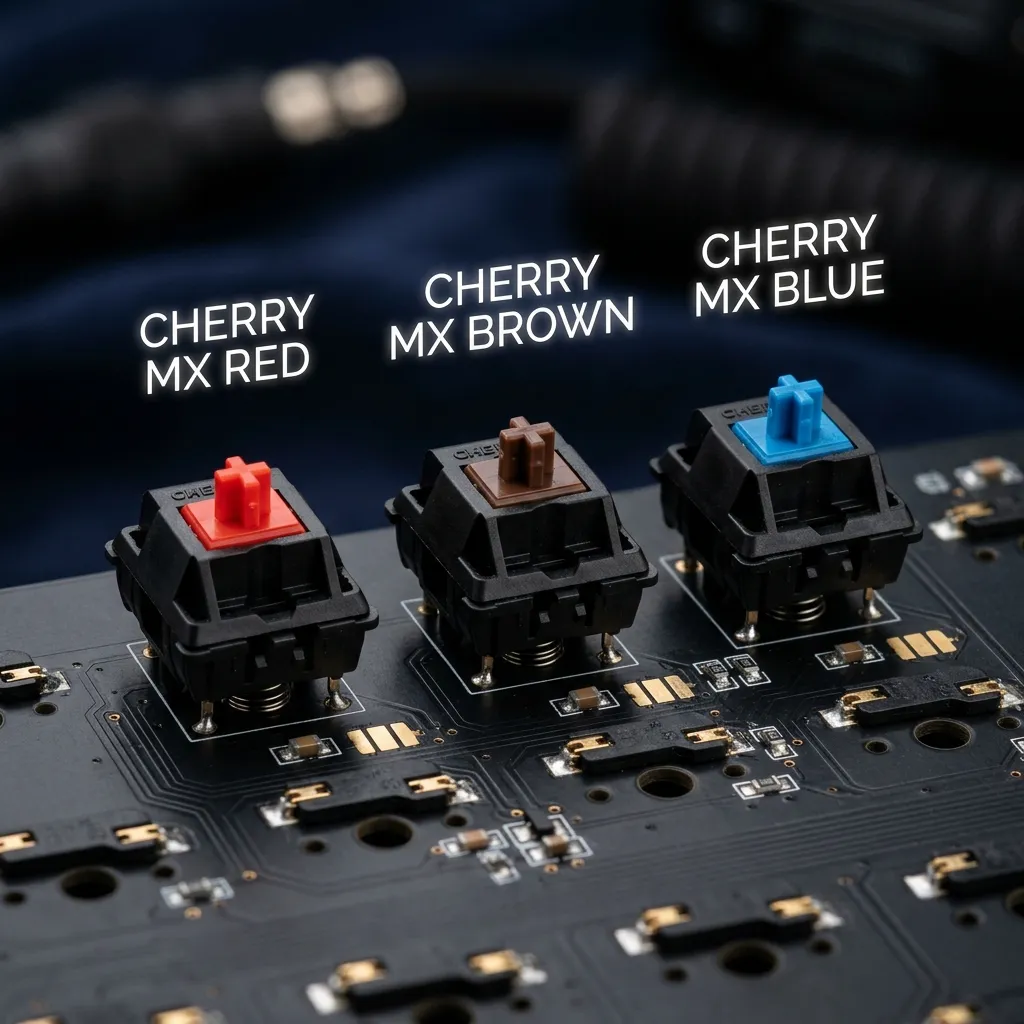
Split ergonomic keyboards alleviate wrist strain by promoting a natural hand and wrist position during typing.
Understanding Split Ergonomic Design
Split ergonomic keyboards feature two separate key clusters, allowing users to position each half according to individual shoulder width.
This design reduces forearm twisting, a common source of discomfort during prolonged typing sessions.
Key Physical Specifications
Most split ergonomic keyboards range from 13 to 20 inches in width, with key travel distances typically between 2mm to 4mm.
They often incorporate tactile feedback mechanisms, such as mechanical switches or membrane systems, to enhance user experience.
Material Composition and Durability
Common materials include ABS plastic for the casing, with high-quality keys made from PBT to resist wear and fading.
Some premium models utilize metal backplates for added stability and durability, ensuring longevity in high-use environments.
Ergonomics and Health Benefits
Proper use of split ergonomic keyboards can significantly reduce the risk of repetitive strain injuries (RSI) associated with traditional keyboards.
By promoting a neutral wrist position, these keyboards help maintain blood flow and reduce muscle fatigue during extended use.
Performance and User Experience
Performance varies significantly among brands, with some offering customizable layouts and programmable keys for increased efficiency.
Notable brands such as Kinesis, ErgoDox EZ, and Microsoft provide varied features tailored to different typing styles and preferences.
| Brand | Model | Key Type | Price | Features |
|---|---|---|---|---|
| Kinesis | Advantage2 | Mechanical | $349 | SmartSet programming, Cherry MX Brown switches |
| ErgoDox EZ | Shine | Mechanical | $349 | Fully programmable, RGB backlighting |
| Microsoft | Natural Ergonomic 4000 | Membrane | $59 | Wrist rest, customizable shortcuts |
DomineTec Tip: Take frequent breaks and incorporate stretching exercises to further prevent wrist strain.
- Select a split ergonomic keyboard that allows for adjustable positioning.
- Ensure the keyboard height is level with your elbows when seated.
- Utilize a wrist rest to maintain a neutral wrist posture.
- Adjust chair height to align your feet flat on the ground.
- Consider additional ergonomic accessories, such as a high-quality ergonomic office chair.

Customization Options and Features
Many split ergonomic keyboards come with a variety of customization options to cater to different user preferences.
These features may include programmable keys, adjustable layouts, and various switch types to enhance typing comfort.
Advanced models often allow users to remap keys or create macros for frequently used commands, significantly improving workflow efficiency.
Customization can also extend to RGB lighting, enabling users to personalize their keyboard aesthetically.
Some keyboards offer detachable components or interchangeable keycaps, allowing users to modify their setup without needing to invest in a completely new device.
This adaptability can be crucial for users who frequently change their working environment or specific needs.
Moreover, software support for customization can provide an intuitive interface for making adjustments, ensuring that users can easily optimize their experience according to their personal preferences.
Comparative Analysis with Traditional Keyboards
Split ergonomic keyboards differ significantly from traditional keyboard designs in terms of user posture and hand placement.
The separation of the keyboard halves allows for a more natural wrist alignment, reducing strain during prolonged typing sessions.
Traditional keyboards often force users into a more cramped position, increasing the likelihood of repetitive strain injuries.
In contrast, split keyboards promote a more open stance, enabling users to maintain a neutral wrist position.
Furthermore, traditional keyboards may lack the advanced ergonomic features that split designs offer, such as tenting and negative tilt options.
These features can further enhance typing comfort and reduce muscle fatigue.
Ultimately, the choice between a split ergonomic keyboard and a traditional one can significantly impact long-term health.
Setup and Adjustment Tips
Proper setup and adjustment of a split ergonomic keyboard are vital for maximizing its benefits.
Users should begin by positioning the keyboard at elbow height to ensure that their arms remain parallel to the floor while typing.
Adjusting the angle of the keyboard halves can further enhance comfort; tenting the halves upward can help maintain a more natural wrist position.
Users may need to experiment with different angles to find the most suitable configuration for their body type.
It is also advisable to take breaks and practice good typing posture to complement the ergonomic benefits of the keyboard.
Regularly repositioning the keyboard and changing hand positions can help prevent stiffness and discomfort.
Finally, investing time in familiarizing oneself with the unique layout and features of a split ergonomic keyboard can lead to improved typing speed and accuracy, enhancing overall productivity.
Impact on Typing Speed and Accuracy
The transition to a split ergonomic keyboard can initially impact typing speed and accuracy as users adapt to the new layout.
However, many users report that, with practice, they can achieve or even surpass their previous typing performance.
The design encourages a more natural hand and finger movement, which can lead to fewer typing errors over time.
Improved wrist alignment also allows for better finger dexterity, contributing to enhanced typing efficiency.
Additionally, the presence of customizable keys and macros can streamline common tasks, allowing users to execute commands more quickly.
Ultimately, while there may be an adjustment period, the long-term benefits of improved comfort and reduced strain can lead to better performance in both typing speed and accuracy.
Maintenance and Care for Longevity
Maintaining a split ergonomic keyboard is essential for ensuring its longevity and optimal performance.
Regular cleaning can prevent the buildup of dust and debris, which can interfere with key functionality.
Users should use a soft, lint-free cloth and mild cleaning solution to wipe down the keyboard surface, ensuring not to let any liquid seep into the switches.
Keycap removal can facilitate thorough cleaning but should be done with care to avoid damaging the switches.
Additionally, keeping the keyboard in a stable, dry environment can prevent wear due to humidity and temperature fluctuations.
Using a keyboard cover can also help shield it from spills and dust.
Lastly, periodically checking for software updates and firmware improvements can enhance the keyboard's performance and introduce new features.
Environmental Considerations
The production and disposal of electronic devices, including split ergonomic keyboards, raise important environmental concerns.
Many manufacturers are now focusing on sustainable materials and eco-friendly practices during production.
Choosing a keyboard made from recyclable materials can help minimize its ecological footprint.
Additionally, some brands offer take-back programs to responsibly recycle old keyboards, further contributing to sustainability efforts.
Users can also extend the lifespan of their keyboards through proper maintenance, reducing the frequency of replacements and ultimately lessening electronic waste.
The longevity of split ergonomic designs often surpasses that of traditional keyboards due to their durable construction.
As awareness of environmental issues grows, selecting a split ergonomic keyboard from a responsible manufacturer can align personal comfort with a commitment to sustainability.
Future Trends in Ergonomic Keyboards
The future of split ergonomic keyboards is poised for innovation as technology continues to evolve.
Trends indicate a growing interest in incorporating smart features, such as adaptive layouts that adjust based on user habits.
Advancements in materials and design may lead to even lighter and more durable keyboards, improving user comfort without sacrificing functionality.
Wireless technology will likely continue to improve, offering seamless connectivity without the clutter of cables.
Additionally, integrating health-monitoring capabilities, such as tracking typing posture or duration, could provide users with valuable insights into their ergonomic habits.
This data could help users make informed adjustments to their typing practices.
As ergonomic awareness increases, manufacturers may also focus on creating more affordable options without compromising on quality.
Integration with Other Ergonomic Tools
Split ergonomic keyboards can be effectively integrated with other ergonomic tools to enhance overall workstation comfort and efficiency.
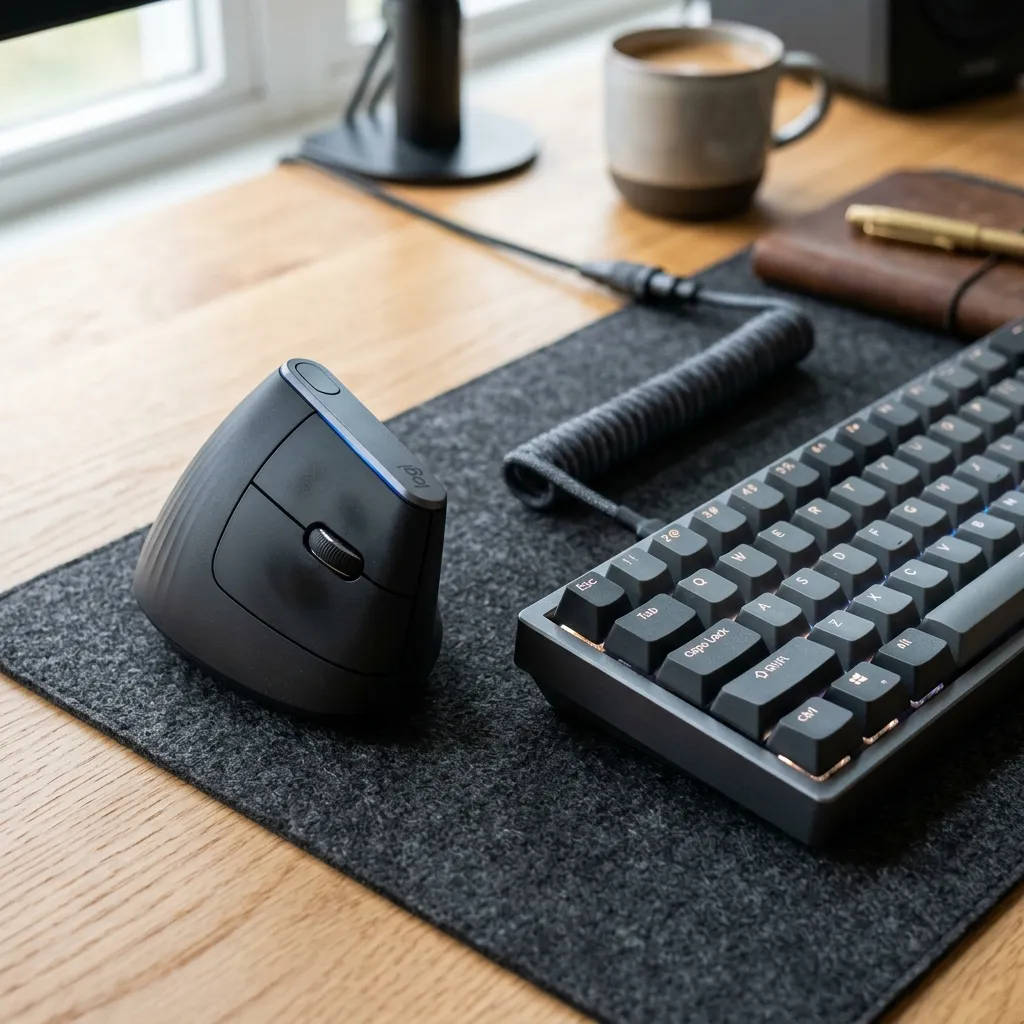
For instance, pairing these keyboards with an ergonomic mouse can significantly reduce the risk of repetitive strain injuries in the hands and wrists.
Moreover, using a sit-stand desk in conjunction with a split keyboard allows users to easily switch between sitting and standing positions.
This holistic approach ensures that all aspects of the workstation contribute to reducing physical strain.
Additionally, wrist rests and footrests can complement the use of split ergonomic keyboards, providing further support and alignment.
Ultimately, the integration of multiple ergonomic tools can maximize the benefits of a split keyboard, leading to improved productivity and health outcomes.
Challenges and Limitations
Despite their advantages, split ergonomic keyboards come with certain challenges that users should consider.
One primary concern is the learning curve associated with transitioning from traditional keyboards to split designs.
This may initially hinder typing speed and comfort.
Additionally, the physical separation of the two halves of a split keyboard can pose challenges for users who frequently need to reach for other peripherals or documents.
This setup may require adjustments in the arrangement of the workspace to ensure accessibility.
Another limitation is that some users may experience discomfort if the keyboard is not adjusted properly to their unique body mechanics.
Proper alignment and positioning are crucial for maximizing the ergonomic benefits of a split keyboard.
Lastly, the price point of many high-quality split ergonomic keyboards can be higher than that of standard models, which can deter some users from making the switch.
Research and Evidence on Effectiveness
Research studies have increasingly focused on the effectiveness of split ergonomic keyboards in reducing wrist strain and improving user comfort.
Findings indicate that users who switch to split keyboards often report decreased discomfort and increased satisfaction over time.
One study published in a reputable ergonomics journal showed that participants using split keyboards experienced significantly lower levels of discomfort in the wrists and forearms compared to those using traditional keyboards.
These results highlight the potential of split designs to address common musculoskeletal issues.
Furthermore, longitudinal studies suggest that the benefits of using split ergonomic keyboards may extend beyond immediate comfort to long-term health improvements.
Users who adopt these keyboards often exhibit better posture and reduced incidence of repetitive strain injuries.
While more research is necessary to fully understand the long-term implications of split keyboard usage, existing evidence supports their role as a viable option for enhancing workplace ergonomics.
Common Misconceptions About Split Ergonomic Keyboards
Despite the increasing popularity of split ergonomic keyboards, several misconceptions persist regarding their functionality and effectiveness.
One common belief is that these keyboards are exclusively designed for individuals suffering from wrist pain or carpal tunnel syndrome, which overlooks their benefits for anyone engaged in prolonged typing tasks.
Another misconception is that the transition to a split ergonomic layout is overly complicated and leads to decreased productivity.
In reality, many users report that after a short adjustment period, they experience an increase in comfort and efficiency while typing.
Some users also assume that split keyboards are only suitable for certain hand sizes or typing styles.
However, most models are designed with adjustable angles and distances, accommodating a wide range of users and preferences.
Additionally, there is a belief that split ergonomic keyboards are less durable than traditional keyboards due to their complex designs and materials.
On the contrary, many brands utilize high-quality components that enhance durability and longevity, dispelling this myth.
Cost-Benefit Analysis of Investing in Split Ergonomic Keyboards
Investing in split ergonomic keyboards can initially seem costly compared to standard keyboards; however, a comprehensive cost-benefit analysis reveals significant long-term advantages.
The reduction in wrist and hand strain can lead to decreased medical expenses associated with repetitive strain injuries, making them a financially sound choice in the long run.
Moreover, the potential for increased productivity and typing efficiency further enhances the value of investing in ergonomic options.
Users often find themselves able to work longer hours without discomfort, which can translate into better work performance and output.
Another aspect to consider is the longevity of split ergonomic keyboards.
Many models are built to withstand extensive use, reducing the frequency of replacements compared to traditional keyboards, which may wear out more quickly under heavy use.
Finally, investing in a split ergonomic keyboard promotes overall well-being, which can lead to improved job satisfaction and morale.
The benefits of enhanced comfort and reduced pain contribute to a healthier work environment, ultimately justifying the initial investment.
Frequently Asked Questions
What is a split ergonomic keyboard?
A split ergonomic keyboard is designed to separate the key clusters to reduce wrist strain and promote a more natural typing posture.
Are split ergonomic keyboards suitable for everyone?
While they offer significant ergonomic benefits, personal comfort and typing style should be considered when selecting a keyboard.
How do I maintain my split ergonomic keyboard?
Regular cleaning and avoiding spills will ensure the longevity of the keyboard; keycaps can often be removed for thorough cleaning.
Can split ergonomic keyboards improve typing speed?
With practice, many users find that they can achieve faster typing speeds due to the customizable layouts and comfort provided.
Are there wireless options available?
Yes, many brands offer wireless split ergonomic keyboards, providing flexibility and reducing cable clutter on the workspace.