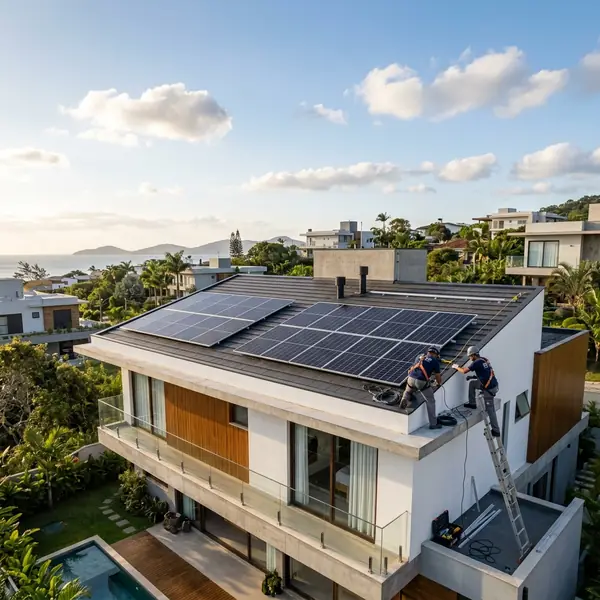
Partial shading on a single solar panel can reduce the output of the entire connected string by up to 50% or more.
Understanding Solar Panel Functionality
Partial shading on a single solar panel can reduce the output of the entire connected string by up to 50% or more. Choosing and installing the right system ensures energy independence and long-term utility bill reductions.
Solar panels convert sunlight into electricity. This process occurs through photovoltaic cells, which generate direct current (DC) electricity when exposed to sunlight. The efficiency of this conversion is critical for maximizing energy output.
When solar panels are fully exposed to sunlight, they operate at their peak efficiency. However, various factors can impede their performance, among which shading is significant. Understanding how shading affects solar panels is important for homeowners considering solar energy systems.
What Causes Partial Shading?
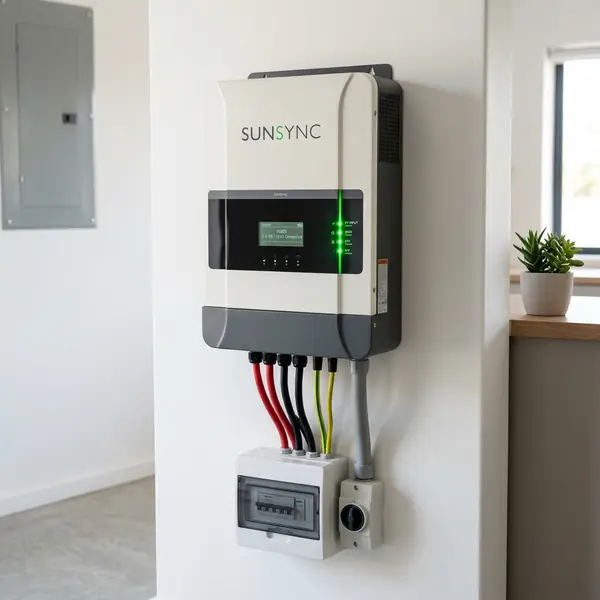
Partial shading can occur due to several reasons. Trees, buildings, or even dirt can block sunlight from reaching solar panels. The impact of shading is not uniform across panels.
A single shaded panel can significantly affect the entire string of connected panels.
Common sources of partial shading include nearby trees, utility poles, or overhanging structures. Even clouds can cause fluctuations in sunlight, leading to temporary shading effects.
Impact of Partial Shading on Energy Production
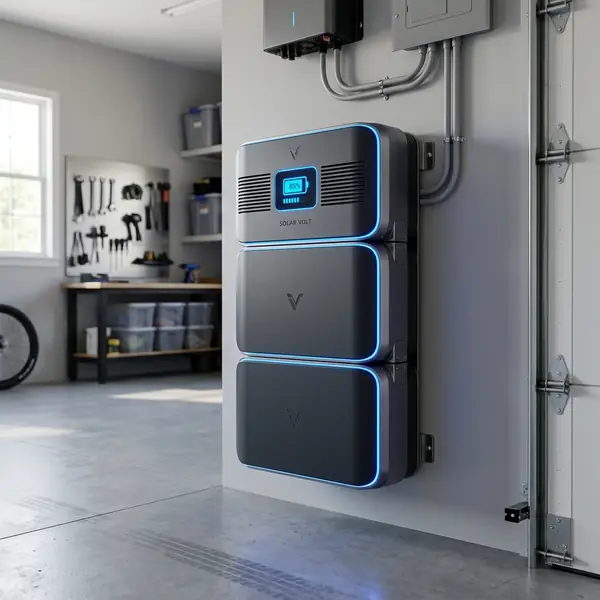
The impact of partial shading on solar panels can be profound. If even a small portion of a panel is shaded, it can cause significant reductions in energy output. This is mainly due to the way solar panels are wired together.
In a series connection, the current flowing through the string is limited by the panel that produces the least current. Therefore, if one panel is shaded, it can drag down the performance of the entire string.
How Much Energy Is Lost?
Research indicates that partial shading can result in energy losses of 50% or more. For example, if a solar panel system rated at 10 kW experiences partial shading, its output could drop to as low as 5 kW under certain conditions.
According to the National Renewable Energy Laboratory (NREL), even 10% shading can reduce energy output by 30% or more. The exact percentage of energy loss depends on several factors, including the extent of shading and the configuration of the solar panel system.
Types of Solar Panel Configurations
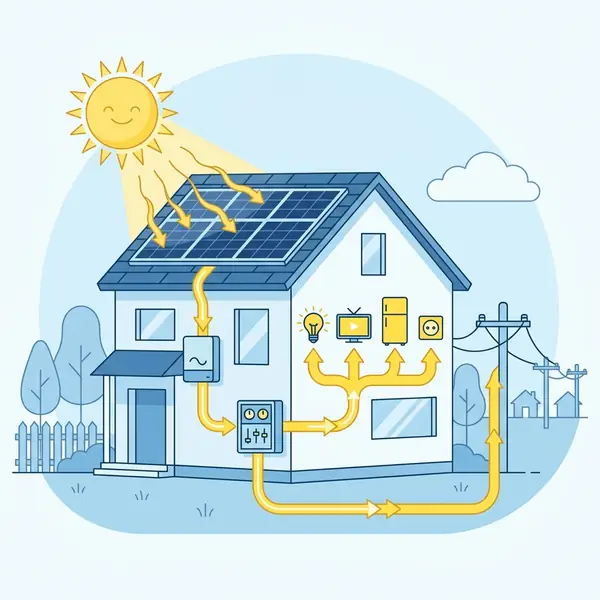
The configuration of solar panels can affect their vulnerability to shading. Here are the most common types:
Series Configuration
In a series configuration, panels are connected one after the other. If one panel is shaded, it reduces the output of the entire string. This configuration is more susceptible to shading losses.
Parallel Configuration
In a parallel configuration, panels are connected independently to the inverter. This setup helps mitigate shading losses. If one panel is shaded, the others can continue to perform optimally, reducing the overall impact of shading.
Microinverters and Power Optimizers
Microinverters and power optimizers are technology solutions designed to address shading issues. Microinverters convert DC to AC at each panel, allowing each one to operate independently. Power optimizers are similar but work in conjunction with a central inverter.
Real-World Examples of Energy Loss
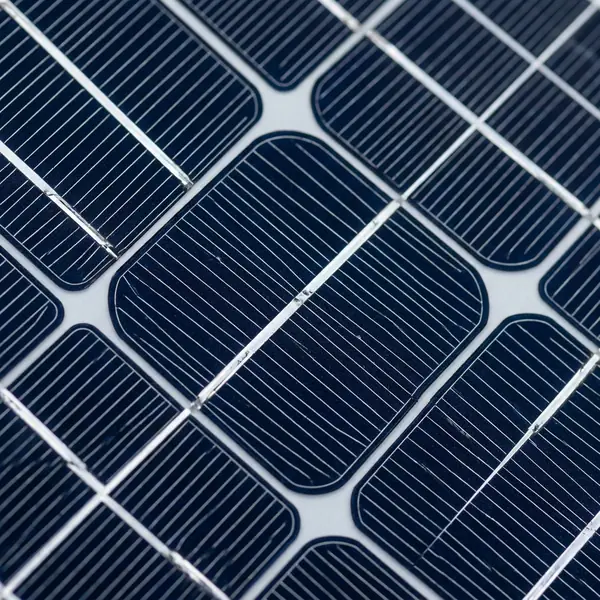
To illustrate the effects of shading, consider a few case studies. A homeowner with a 5 kW solar system experienced significant shading from nearby trees. In summer, the system output dropped from 25 kWh to 12 kWh per day.
Another scenario involved a solar array on a commercial building. During peak hours, shading from a chimney caused a 40% reduction in energy output. These examples highlight the importance of assessing shading before installation.
Estimating Energy Loss from Shading
Estimating energy loss due to shading involves several calculations. Homeowners can use software tools or consult with solar energy professionals. They can evaluate their specific situations in detail, considering factors like panel configuration and shading patterns.
By utilizing shading analysis tools, homeowners can visualize how shading will impact their solar energy production. This can help in making informed decisions about panel placement and system design.
Shading Analysis Tools
There are various tools available for conducting shading analysis. Tools such as Solar Pathfinder and Drones equipped with thermal imaging can map shading patterns accurately. These tools help identify the best locations for solar panel installation.
Mitigating Shading Losses
Homeowners can take proactive steps to mitigate shading losses. One effective strategy is to trim trees or remove obstructions that cause shading. Regular maintenance can also help ensure optimal performance.
Installing panels at an angle can minimize shading during certain times of the day. This adjustment can allow for better exposure to sunlight, reducing the likelihood of shading losses.
Financial Implications of Energy Loss
The financial implications of shading losses can be significant. Homeowners may face higher electricity bills due to reduced solar production. Moreover, the return on investment (ROI) for solar systems can diminish.
For instance, if a solar system costs $15,000 and produces 10,000 kWh annually, owners expect to save about $1,200 per year on electricity bills. However, if shading reduces output by 30%, those savings drop to $840 annually.
This reduction affects the payback period, which could extend from 12 years to over 17 years. Understanding this impact is key for homeowners evaluating solar energy investments.
Comparing Energy Loss Across Configurations
| Configuration Type | Typical Energy Loss from Shading | Mitigation Strategies |
|---|---|---|
| Series Configuration | 50% or more | Microinverters, regular maintenance |
| Parallel Configuration | 15-30% | Regular maintenance, strategic placement |
| Microinverters | Minimal | Individual panel optimization |
| Power Optimizers | Minimal | Panel performance monitoring |
DomineTec Tip: Consider using microinverters or power optimizers to minimize shading losses in your solar energy system.
Conclusion
Understanding how partial shading affects solar panels is vital for homeowners. By recognizing the potential for energy loss, homeowners can make informed decisions about their solar energy investments.
Evaluating shading risks, choosing the right panel configuration, and employing technology can significantly improve energy production. Homeowners should also consider the financial implications of shading when planning their solar projects.
For more insights on optimizing solar energy systems, check out our articles on how solar energy works and types of solar panels.
FAQs
How can I determine if my solar panels are being shaded?
You can use shading analysis tools or consult with a solar energy professional to assess potential shading on your solar panels.
Are microinverters worth the investment?
Yes, microinverters can help mitigate shading losses, allowing each panel to operate independently and maintain higher efficiency.
Can tree trimming help prevent energy loss?
Yes, trimming trees that cause shading can significantly improve the performance of your solar panels.
Where can I find more information on solar energy?
You can find more information on solar energy by visiting reputable sources like NREL.
Understanding Partial Shade and Its Impact on Solar Panels
Partial shade occurs when an object obstructs sunlight from reaching solar panels, even if the panels are not completely covered. This obstruction can come from trees, buildings, or other structures. Understanding how partial shade affects energy production is key for homeowners considering solar panel installation.
When solar panels are shaded, their ability to convert sunlight into electricity diminishes significantly. The extent of energy loss is influenced by several factors, including the amount of shade, the orientation of the panels, and the specific technology used in the solar cells. Different solar panel types exhibit varying degrees of sensitivity to shading, making it important to assess your specific situation.
Factors Influencing Energy Loss Due to Partial Shade
Several factors determine how much energy solar panels lose when partially shaded. The first is the percentage of the panel that is shaded. For example, if only a small section of a panel is shaded, the energy loss may be minimal.
Conversely, if a significant portion is obstructed, the energy output can drop dramatically.
Another critical factor is the time of day and the angle of the sun. As the sun moves across the sky, shadows can change, leading to varying levels of shade throughout the day. This dynamic can further complicate energy loss calculations, as some panels may experience shade only during specific hours.
Additionally, the technology behind the solar panels plays a key role. Traditional solar panels are often less effective under partial shading compared to those equipped with microinverters or power optimizers. These technologies allow for individual panel monitoring and optimization, mitigating the impact of shade on overall energy production.
The Effects of Shade on Solar Panel Performance
Shading can significantly hamper the efficiency of solar panels, leading to reduced electricity generation. If even a single cell in a string of interconnected solar cells is shaded, the entire string can experience decreased performance, a phenomenon known as the "Christmas light effect." This effect occurs because the flow of electricity is inhibited by the shaded cells.
In practical terms, if a solar panel experiences 50% shading, it may lose up to 80% of its energy production capacity. This stark difference highlights the importance of proper placement and installation of solar panels in areas with minimal shade exposure.
Furthermore, prolonged shading can lead to uneven heating of the solar cells, potentially causing hot spots. Hot spots can damage solar panels over time, causing further efficiency losses and necessitating costly repairs or replacements.
Mitigating Partial Shade Effects
To minimize the impact of partial shade on solar panel performance, several strategies can be employed. First, it's important to choose the right location for installation. Conducting a shade analysis before installation can help identify potential sources of shade throughout the day and seasons.
Utilizing advanced technologies like microinverters or power optimizers can also help mitigate shading effects. These systems allow each panel to operate independently, optimizing energy production even when some panels are shaded.
Lastly, maintaining the surrounding environment is vital. Regularly trimming trees or removing other obstructions can ensure that solar panels remain as unshaded as possible, maximizing their energy production throughout the year.
Economic Implications of Energy Loss from Partial Shade
The financial impact of energy loss from partial shading can be significant. When a solar panel system generates less electricity than expected, homeowners may face higher electricity bills and a longer payback period for their investment. Understanding these economic implications is important for anyone considering solar energy as a viable option.
In many cases, the initial savings from reduced energy costs can be diminished by the energy lost due to shading. Homeowners may find that their return on investment (ROI) is lower than anticipated if their solar panels are not producing at peak efficiency. This situation can be particularly frustrating for those who invested in solar energy to save money in the long run.
Moreover, the financial incentives for solar energy, such as tax credits and rebates, often rely on projected energy output. If a solar panel system underperforms due to shading, homeowners may miss out on these savings, further affecting their overall financial picture.
Evaluating the Cost-Benefit Ratio
When considering solar energy, it's important to evaluate the cost-benefit ratio, especially in shaded environments. Conducting a thorough analysis of potential energy production, factoring in shading, can help homeowners make informed decisions. This assessment can include simulations or consultations with solar energy experts.
Homeowners should also consider the long-term benefits of solar energy versus the immediate concerns of partial shading. While shading can impact energy production, the overall savings from solar energy may still outweigh the losses, depending on the level of shade and the size of the system.
Ultimately, understanding the financial implications of energy loss due to partial shade can help homeowners make strategic decisions regarding their solar investments. By weighing the costs against the potential benefits, homeowners can determine the best course of action for their unique situations.
Frequently Asked Questions
What is the average payback period for home solar?
The average payback period in the US ranges between 5 and 9 years, depending on state incentives and utility rates.
Do solar panels generate electricity without direct sunlight?
Yes, they produce power on cloudy days but at a reduced capacity of 10% to 25%. They do not generate electricity at night.
How much maintenance do home solar panels require?
Maintenance is minimal, typically involving cleaning the panels twice a year and performing a system health check.
Do I need battery storage for my solar energy system?
It is not required for grid-tied systems, but batteries are vital for off-grid operations or backup power during grid blackouts.
Can I completely eliminate my monthly electricity bill?
You cannot reach absolute zero because most utilities charge a basic monthly grid connection fee regardless of production.




