How to Redirect Guest WiFi Users to a Specific Website After Login on UniFi
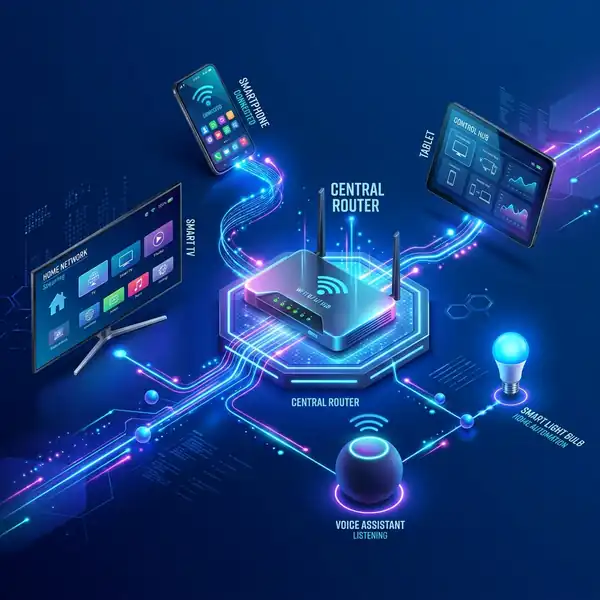
Redirect guest WiFi users to a specific website after login on UniFi by configuring the guest network settings.
To achieve this, you will need to access your UniFi controller and modify the guest network settings to redirect users to a specific website after they log in.
Understanding UniFi Guest Network Configuration
The UniFi guest network configuration allows you to customize the network settings for your guests, including the ability to redirect them to a specific website after login.
This feature is useful for businesses that want to promote their website or services to their guests, or for organizations that need to provide guests with important information.
Benefits of Guest Network Configuration
Configuring the guest network provides several benefits, including improved security, increased control over guest access, and enhanced user experience.
By redirecting guests to a specific website, you can promote your organization's brand and services, while also providing guests with valuable information and resources.
Key Components of Guest Network Configuration
The key components of guest network configuration include the redirect URL, login page template, VLANs, and firewall rules.
Understanding these components is crucial to configuring the guest network effectively and ensuring that it meets your organization's needs.
Configuring the Guest Network Settings
To configure the guest network settings, you will need to access your UniFi controller and navigate to the guest network section.

Once you are in the guest network section, you can modify the settings to redirect users to a specific website after login, including setting the redirect URL and customizing the login page.
Step-by-Step Configuration Guide
To configure the guest network settings, follow these steps:
- Access your UniFi controller and navigate to the guest network section
- Modify the settings to redirect users to a specific website after login
- Set up the redirect URL and customize the login page as needed
- Configure any additional settings, such as VLANs and firewall rules
- Test the guest network to ensure that it is working as expected
Troubleshooting Common Issues
Common issues that may arise during configuration include incorrect redirect URL, invalid login page template, and conflicting VLANs or firewall rules.
To troubleshoot these issues, check the UniFi controller logs for error messages, verify the configuration settings, and test the guest network again.
Setting Up the Redirect URL
To set up the redirect URL, you will need to specify the URL of the website that you want to redirect users to after login.
This can be done by entering the URL in the redirect URL field in the guest network settings, and configuring any additional settings as needed.
Best Practices for Redirect URL Configuration
Best practices for redirect URL configuration include using a secure protocol (HTTPS), specifying a valid URL, and testing the redirect URL to ensure that it works correctly.
Additionally, consider using a URL that is easy to remember and access, and that provides valuable information or resources to guests.
Advanced Redirect URL Configuration Options
Advanced redirect URL configuration options include specifying a custom port number, using a proxy server, and configuring URL parameters.
These options can be used to further customize the redirect URL and provide additional functionality and security.
Customizing the Login Page
The login page can be customized to include your organization's logo, branding, and other information.
This can be done by modifying the login page template in the UniFi controller, and adding your own custom content and styling as needed.
Customizing the Login Page Template
To customize the login page template, you will need to access the UniFi controller and navigate to the login page template section.
From there, you can modify the template to include your organization's logo, branding, and other information, and add custom content and styling as needed.
Best Practices for Login Page Customization
Best practices for login page customization include using a clear and concise design, providing clear instructions and feedback, and testing the login page to ensure that it works correctly.
Additionally, consider using a secure protocol (HTTPS) and specifying a valid URL for the login page.
Advanced Configuration Options
There are several advanced configuration options available for the guest network, including the ability to set up multiple SSIDs, configure VLANs, and customize the firewall rules.
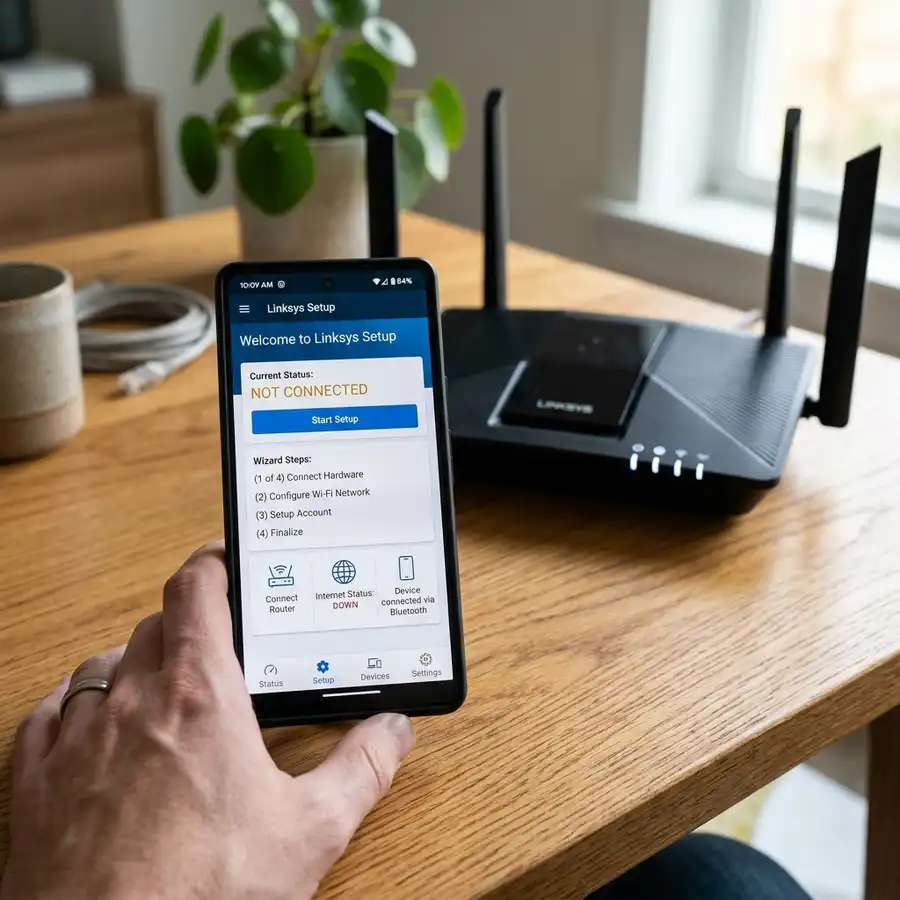
These options can be used to further customize the guest network and provide additional security and functionality.
Configuring Multiple SSIDs
To configure multiple SSIDs, you will need to access the UniFi controller and navigate to the SSID section.
From there, you can create and configure multiple SSIDs, each with its own settings and configuration options.
Configuring VLANs
To configure VLANs, you will need to access the UniFi controller and navigate to the VLAN section.
From there, you can create and configure VLANs, each with its own settings and configuration options.
Customizing Firewall Rules
To customize firewall rules, you will need to access the UniFi controller and navigate to the firewall rules section.
From there, you can create and configure custom firewall rules, each with its own settings and configuration options.
DomineTec Tip: When configuring the guest network, it's a good idea to use a stabilizer vs UPS to protect your equipment from power surges and outages, and to consider using a battery to power your WiFi router in case of a power outage.
To configure the guest network settings, follow these steps:
- Access your UniFi controller and navigate to the guest network section
- Modify the settings to redirect users to a specific website after login
- Set up the redirect URL and customize the login page as needed
- Configure any additional settings, such as VLANs and firewall rules
- Test the guest network to ensure that it is working as expected
| Configuration Option | Description |
|---|---|
| Redirect URL | The URL of the website that users will be redirected to after login |
| Login Page Template | The template used for the login page, which can be customized to include your organization's logo and branding |
| VLANs | Virtual local area networks, which can be used to segment the guest network and provide additional security |
| Firewall Rules | Rules that control incoming and outgoing traffic on the guest network, which can be customized to provide additional security |
When configuring the guest network, it's also important to consider ethernet cabling and to ensure that your equipment is properly grounded and protected from power surges and outages.
Customizing the Captive Portal Appearance
To enhance user experience, the captive portal's appearance can be customized by modifying HTML and CSS files.
Navigate to the UniFi Controller interface and access the "Guest Control" section under Wireless Networks.
Within the "Guest Portal" settings, choose "Customize" to edit the portal's HTML layout and styling.
For advanced customization, consider adding brand logos, changing color schemes, and modifying font styles to align with corporate branding.
A preview option is available to evaluate changes in real-time before publishing.
Regular updates to the portal's aesthetics are recommended to keep the user interface fresh and engaging.
Monitoring User Access and Traffic Analysis
Monitoring user access can be accomplished through the UniFi Controller's built-in analytics tools.
Navigate to the "Insights" section to view active users and track guest traffic patterns.
- Active Users: Displays current guest connections.
- Traffic Statistics: Provides data on bandwidth usage per user.
For more detailed analysis, export reports to CSV format for external data processing.
Utilizing these analytics can assist in optimizing network performance and enhancing user experience.
Troubleshooting Redirect Issues
Redirect issues may arise due to various factors, including DNS settings and firewall rules.
To troubleshoot, first verify that the redirect URL is correctly configured in the guest network settings.
Check the DNS settings to ensure that the domain is resolving correctly for guest users.
Firewall rules should be inspected to ensure that traffic to the redirect URL is not being blocked.
- Test connectivity by pinging the redirect URL from a guest device.
- Review system logs on the UniFi Controller for any errors related to captive portal operations.
Adjustments to these settings can often resolve common issues experienced with guest WiFi redirection.
Configuring Captive Portal Settings for Optimal User Experience
To ensure a seamless user experience, it is crucial to configure the captive portal settings correctly within the UniFi Controller.
Navigate to the "Guest Control" section to access the captive portal options, where you can customize the login page, including the welcome message and branding elements.
- Enable Guest Portal: This option must be checked to allow guests to be redirected to the login page.
- Portal Type: Select either "Simple" or "Custom" to define how the portal will appear to users.
- Redirect URL: Specify the URL to which users will be redirected after successful login, ensuring it is configured correctly.
Advanced settings can also be adjusted to improve security and speed, such as enabling HTTPS for the login page.
Testing these settings before deploying them to all users can prevent potential access issues.
Troubleshooting Redirect Issues in UniFi Guest WiFi
When redirecting users to a specific website after login, issues may arise that require troubleshooting.
Common problems include incorrect URL configuration, network connectivity issues, or firewall settings blocking the redirect.
| Issue | Possible Causes | Solution |
|---|---|---|
| Redirect not working | Incorrect URL in settings | Verify and update the redirect URL in the captive portal configuration. |
| Users cannot access the internet | Network connectivity problems | Check the network status and ensure the UniFi device is connected properly. |
| Firewall blocks access | Firewall rules are too restrictive | Review and amend the firewall settings to allow traffic to the specified redirect URL. |
After identifying and resolving the issues, it is advisable to perform multiple tests with different devices to confirm functionality.
Customizing the Captive Portal Experience
Customizing the captive portal can enhance user experience significantly. This includes modifying the login page to reflect branding or adding terms of service that must be accepted before access is granted.
To access the captive portal settings, navigate to the UniFi Controller and select the "Guest Control" section.
- Logo Upload: Add a company logo for brand recognition.
- Custom HTML: Use HTML code to create a unique layout or style.
- Terms of Service: Include a checkbox for user agreement.
It's advisable to test the captive portal on multiple devices to ensure compatibility and responsiveness. Regular updates to the content can keep the experience fresh and engaging.
Troubleshooting Redirect Issues in UniFi
If users are not being redirected to the specified website after login, various factors may be at play. Common issues include incorrect settings in the controller or network device configurations.
Check the following parameters to troubleshoot the redirection:
- Redirect URL: Ensure the URL is correctly entered in the "Redirect URL" field.
- Firewall Rules: Verify that there are no firewall rules blocking the redirect URL.
- DNS Settings: Confirm that DNS settings are resolving the redirect URL correctly.
If issues persist, consider checking the logs in the UniFi Controller for any error messages. Additionally, rebooting the UniFi devices may resolve temporary glitches affecting the redirect function.
Configuring Hotspot Services for Enhanced User Experience
To provide a seamless user experience, the UniFi controller allows customization of Hotspot services, which includes defining the portal design and access control settings.
Access the 'Guest Control' section within the UniFi controller to tailor options such as splash page design, login credentials, and session timeouts.
- Splash Page Design: Choose between a built-in design or a custom HTML page for branding purposes.
- Session Timeout: Set a maximum session limit to manage network resources efficiently.
- Access Control: Define user authentication methods, including voucher-based access or social media login options.
Testing these configurations is essential to ensure that users have an intuitive login experience and are successfully redirected to the desired website.
Troubleshooting Common Redirect Issues
Redirect issues may arise due to misconfigurations or network conditions. Identifying the root cause is crucial for resolving these problems effectively.
- DNS Resolution: Verify that DNS settings are correct and that the target website is reachable from the guest network.
- Firewall Settings: Ensure that firewall rules do not block access to the specific website or the UniFi controller.
- Controller Version: Confirm that the UniFi controller software is up to date, as older versions may have bugs affecting redirection.
Logs from the UniFi controller can provide insights into failed connection attempts or errors, which can be instrumental in troubleshooting.
Frequently Asked Questions
What is the purpose of the guest network?
The purpose of the guest network is to provide a separate network for guests to access the internet, while keeping them isolated from the main network and sensitive data.
This helps to improve security and reduce the risk of unauthorized access to sensitive information.
How do I configure the guest network settings?
To configure the guest network settings, you will need to access your UniFi controller and navigate to the guest network section.
From there, you can modify the settings to redirect users to a specific website after login, set up the redirect URL, and customize the login page as needed.
Can I customize the login page?
Yes, the login page can be customized to include your organization's logo, branding, and other information.
This can be done by modifying the login page template in the UniFi controller, and adding your own custom content and styling as needed.
What are some advanced configuration options for the guest network?
Some advanced configuration options for the guest network include setting up multiple SSIDs, configuring VLANs, and customizing the firewall rules.
These options can be used to further customize the guest network and provide additional security and functionality.
How do I ensure that my guest network is secure?
To ensure that your guest network is secure, you should use a combination of security measures, including WPA2 encryption, a firewall, and regular software updates.
You should also consider using a stabilizer vs UPS to protect your equipment from power surges and outages.
Risks of Insecure Guest Network Configuration
Insecure guest network configuration can pose significant risks to your organization, including unauthorized access to sensitive data, malware and virus infections, and denial-of-service attacks.
To mitigate these risks, it's essential to implement robust security measures, including WPA2 encryption, firewalls, and regular software updates.
Best Practices for Guest Network Security
Best practices for guest network security include using a secure protocol (HTTPS), specifying a valid URL for the login page, and testing the guest network to ensure that it is working correctly.
Additionally, consider using a stabilizer vs UPS to protect your equipment from power surges and outages, and ensure that your equipment is properly grounded and protected.




