Port Isolation vs Client Isolation: Advanced UniFi Network Security
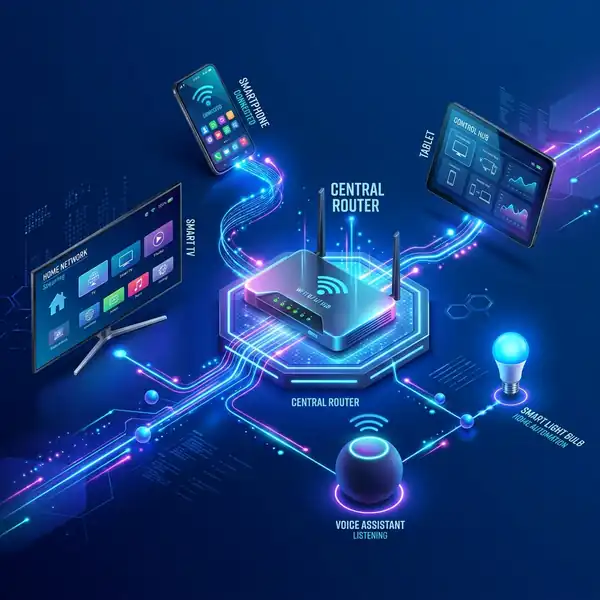
Port isolation and client isolation enhance security in UniFi networks by controlling traffic flow.
Understanding Port Isolation
Port isolation restricts devices connected to the same switch port from communicating with each other. This is particularly useful in environments where devices need to access shared resources while maintaining security.
Understanding Client Isolation
Client isolation prevents devices on the same wireless network from communicating with each other. This is often implemented in guest networks to protect sensitive data from potential attacks.
Technical Specifications Comparison
| Feature | Port Isolation | Client Isolation |
|---|---|---|
| Network Type | Wired | Wireless |
| Configuration Command | set port-isolation enable | set client-isolation enable |
| Device Communication | Limited to same port | Limited to same SSID |
| Use Case | Corporate networks | Guest networks |
| Security Level | Medium | High |
How to Configure Port Isolation
- Log into the UniFi Controller.
- Navigate to the "Settings" section.
- Select "Switch Ports" under "Devices."
- Choose the desired port and enable "Port Isolation."
- Save the configuration.

How to Configure Client Isolation
- Access the UniFi Controller interface.
- Go to "Wireless Networks."
- Select the relevant network.
- Enable "Client Isolation."
- Apply settings and save changes.
DomineTec Tip: Utilize VLANs alongside port isolation for enhanced security in sensitive environments.
Choosing the Right Isolation Method
Port isolation is ideal for wired environments where multiple devices require limited interaction. In contrast, client isolation excels in wireless networks, preventing unauthorized access between guest network users.
Conclusion
Implementing port or client isolation can significantly bolster network security. Careful consideration of the network environment and user requirements will dictate the appropriate choice.
Advanced Use Cases for Port Isolation
Port isolation can be particularly beneficial in environments where sensitive data is transmitted across the network. For instance, in a healthcare setting, isolating ports can prevent unauthorized access to medical equipment and patient data.
This method can also be applied in educational institutions, where students may connect personal devices to the network. Port isolation ensures that these devices cannot communicate with each other, mitigating risks associated with potential malware propagation.
Enterprise-level applications benefit from port isolation by maintaining the integrity of VLANs, ensuring that only authorized personnel can access critical resources.
Additionally, port isolation can help mitigate the effects of network attacks. By isolating ports, even if one device becomes compromised, the attacker is limited to a single point of entry, reducing the potential for widespread breaches.
Effective Logging and Monitoring Strategies
Implementing effective logging and monitoring strategies is essential for maintaining network security in both port and client isolation scenarios. Comprehensive logging allows network administrators to track access attempts and detect anomalies.
Utilizing tools such as SIEM (Security Information and Event Management) can enhance the ability to analyze logs from isolated ports and clients. Regularly reviewing logs can help identify patterns of unauthorized access, enabling proactive measures to tighten security protocols.
Employing alert systems that notify administrators of unusual activities can significantly improve response times to potential breaches. Timely alerts allow for quick remediation steps, minimizing the impact of any security incidents.
Integrating VLANs with Isolation Techniques
Integrating VLANs (Virtual Local Area Networks) with isolation techniques can further enhance network security. VLANs allow for logical segmentation of networks, enabling organizations to group devices based on function or department.
By combining VLANs with port isolation, administrators can ensure that even devices within the same VLAN are restricted from communicating with each other unless explicitly allowed. This adds an additional layer of security.
Utilizing VLANs alongside client isolation techniques can also help manage guest access. Visitors can be placed on a separate VLAN that employs client isolation, ensuring that personal devices do not access sensitive internal resources while still providing internet connectivity.
Challenges and Limitations of Isolation Techniques
Despite the advantages of port and client isolation, several challenges and limitations must be recognized. One significant challenge is the complexity of management that arises from implementing these techniques in large networks.
As the number of isolated ports and clients increases, maintaining visibility and control can become cumbersome. Administrators must regularly review their configurations to ensure that legitimate communications are not inadvertently blocked.
Another limitation is the potential performance impact on network operations. Isolation techniques can introduce latency, especially if extensive filtering and monitoring processes are in place, which may affect user experience.
Additionally, the reliance on isolation techniques does not eliminate the need for robust endpoint security. Devices within isolated segments can still become compromised, requiring ongoing vigilance in deploying antivirus and intrusion detection systems.
Case Studies: Successful Implementation of Isolation Techniques
Several organizations have successfully implemented port and client isolation techniques to fortify their network security. A notable case involves a financial institution that utilized port isolation to segment its trading floor from the corporate network.
In this instance, the organization configured its network switches to isolate trading stations, allowing only specific management devices to communicate with them. This significantly reduced the risk of data breaches.
Another example is a manufacturing company that adopted client isolation for its IoT devices. By isolating these devices from the main network, the organization was able to protect critical operational technology from potential cyber threats.
These case studies illustrate the effectiveness of isolation techniques in real-world scenarios, showcasing the importance of tailored security measures in different industries.
Future Trends in Network Isolation Technologies
As cybersecurity threats evolve, so too must the technologies and strategies employed for network isolation. Emerging trends indicate a shift towards more automated and intelligent isolation techniques powered by artificial intelligence and machine learning.
These advanced systems can analyze traffic patterns and automatically adjust isolation settings in real time, responding to potential threats more effectively than manual configurations. This proactive approach can significantly enhance the overall security posture of the network.
Another trend is the integration of isolation techniques with zero trust architectures. By enforcing strict identity verification and continuously validating device and user permissions, organizations can further reduce the risk of unauthorized access.
Finally, the growing adoption of cloud-based solutions is prompting a reevaluation of isolation strategies. Developing isolation techniques that can span on-premises and cloud networks will become increasingly important for comprehensive security management.
Best Practices for Implementing Isolation Techniques
Implementing isolation techniques in network design requires careful planning and execution to ensure optimal security and performance. Establishing a clear understanding of the network architecture is essential.
Documentation of current network configurations is crucial for successful implementation. This includes mapping out device connections, traffic patterns, and existing security measures.
Regularly reviewing and updating isolation strategies is necessary to adapt to evolving network needs and threats. Periodic audits and assessments can help discover new vulnerabilities.
Additionally, educating end-users on the implications of isolation techniques fosters a culture of security awareness. Training sessions can highlight the importance of these measures.
Advanced Network Segmentation Techniques
Network segmentation is a powerful strategy that goes beyond basic isolation methods, creating distinct security zones within an enterprise network. By segmenting the network into smaller, manageable parts, organizations can limit the lateral movement of potential threats.
Advanced segmentation techniques include micro-segmentation, which involves applying granular policies to individual workloads. This allows organizations to enforce specific security protocols based on the sensitivity of the data being processed.
Dynamic segmentation is another advanced technique that adjusts access controls in real-time based on user behavior and contextual factors. This adaptability enables organizations to respond swiftly to emerging threats.
Combining these advanced segmentation methods with traditional isolation techniques can significantly enhance an organization's ability to defend against sophisticated cyber threats.
Impact of Isolation Techniques on Network Performance
The implementation of isolation techniques can have varying effects on network performance, necessitating a careful balance between security and efficiency. While these methods enhance security by reducing the attack surface, they may also introduce latency or bottlenecks if not properly configured.
Network administrators must consider the potential trade-offs between security measures and user experience. Properly designed isolation techniques can minimize performance impacts while still achieving the desired level of security.
Monitoring network performance post-implementation is vital to identify any adverse effects caused by isolation techniques. Utilizing network analytics tools can help gauge performance metrics.
Ultimately, achieving an optimal balance between security and performance involves continuous assessment and fine-tuning of isolation strategies.
Regulatory Compliance and Isolation Techniques
Compliance with industry regulations is a critical aspect of network security that can be significantly enhanced through effective isolation techniques. Different sectors have specific regulations that mandate strict data protection measures.
Isolation techniques can help organizations adhere to these regulations by restricting access to sensitive data and ensuring that only authorized personnel can interact with critical systems. Implementing client and port isolation can demonstrate compliance with standards.
Maintaining detailed logs and records of isolation configurations and access controls is essential for compliance audits. This documentation provides evidence of an organization’s commitment to security.
Incorporating isolation techniques into a broader compliance strategy not only mitigates risks but also builds trust with clients and stakeholders.
Advanced Threat Detection and Response Mechanisms
In an increasingly complex digital landscape, advanced threat detection and response mechanisms are essential for maintaining network integrity. Port isolation and client isolation can serve as foundational components in a comprehensive security architecture.
Integrating machine learning algorithms with existing isolation techniques can enhance real-time threat detection. By analyzing traffic patterns and identifying anomalies, these systems can trigger alerts and initiate automated responses.
Moreover, implementing intrusion detection and prevention systems (IDPS) alongside isolation techniques can provide an additional layer of security. These systems continuously monitor network traffic, recognizing malicious activity.
Utilizing threat intelligence feeds can further augment these mechanisms. By staying updated on the latest vulnerabilities and attack vectors, organizations can proactively adjust their isolation strategies.
Compliance and Best Practices in Isolation Strategies
Compliance with industry regulations such as GDPR, HIPAA, and PCI DSS is paramount for organizations implementing isolation strategies. These regulations often mandate stringent security measures to protect sensitive data.
Establishing clear policies and procedures surrounding network isolation is essential for demonstrating compliance. Regular audits and assessments can ensure that isolation practices align with regulatory requirements.
Training and awareness programs for staff can also play a crucial role in maintaining compliance. Ensuring that employees understand the importance of isolation techniques fosters a security-conscious culture.
Documentation of isolation policies and their implementation processes is vital for compliance audits. Detailed records demonstrate due diligence and can be instrumental in proving adherence to regulatory standards.
Troubleshooting Common Isolation Issues
Troubleshooting isolation issues in a UniFi network requires a systematic approach to identify the root cause of the problem. Common issues include devices being unable to communicate as expected due to misconfigured settings or network policies that inadvertently block necessary traffic.
The first step in troubleshooting starts with verifying current isolation settings on the UniFi controller. This can be done by accessing the controller interface and navigating to the specific device or port configuration, ensuring that the intended isolation method (Port or Client Isolation) is applied correctly.
Utilizing the command-line interface (CLI) can provide additional insights into connectivity issues. Commands such as 'ping' to test connectivity between devices, or 'traceroute' to identify the path packets take across the network, can reveal if isolation settings are functioning as intended.
In some scenarios, checking the logs for the affected devices can also unveil relevant errors or warnings. The UniFi controller logs can be accessed through the controller interface, providing critical information on failed connection attempts or authentication issues that may arise due to isolation policies.
If the logs indicate issues, it is essential to verify firewall settings and any access control lists (ACLs) that may be interfering. Commands such as 'show access-list' on the relevant switches can clarify whether specific traffic is being denied, pinpointing where adjustments might be necessary.
Advanced Security Options Beyond Isolation
While port and client isolation techniques provide fundamental security layers, additional measures can significantly enhance overall network security. Techniques such as implementing Network Access Control (NAC), using dynamic VLAN assignments, and applying strict firewall rules are equally vital.
NAC systems can enforce security policies on devices attempting to access the network, ensuring only compliant devices are granted access. This can be integrated with UniFi networks by utilizing RADIUS servers to authenticate devices and enforce policies based on their compliance status.
Dynamic VLAN assignments can further refine network segmentation by automatically placing devices in the appropriate VLAN based on their attributes or roles. This is particularly useful in environments where devices frequently change, as it ensures consistent isolation and security policies without manual intervention.
Lastly, implementing robust firewall rules can greatly enhance security. Configuring rules to restrict traffic between VLANs, blocking unnecessary ports, and allowing only essential services can significantly mitigate risks associated with unauthorized access and lateral movement within the network.
Packet Inspection and Filtering Techniques
Packet inspection and filtering are pivotal components in enhancing network security, especially when utilizing isolation techniques like Port and Client Isolation. These mechanisms analyze the data packets that traverse the network, allowing for the identification of malicious traffic and the enforcement of security policies.
One common method for implementing packet inspection is through the use of Deep Packet Inspection (DPI) technology. DPI inspects the payload of packets rather than just the header, enabling the identification of specific applications and protocols being used, which can be crucial for enforcing appropriate isolation policies.
For example, on a UniFi network, configuring DPI can be achieved through the UniFi Controller by enabling the DPI feature in the network settings. This can be accomplished by navigating to the "Settings" section, selecting "Traffic & Security," and then toggling the "Enable Deep Packet Inspection" option. This allows for extensive monitoring and logging of application data.
In addition to DPI, implementing Access Control Lists (ACLs) can further enhance packet filtering. ACLs can be configured on switches and routers to block or allow specific types of traffic based on IP addresses, protocols, and port numbers. For instance, a command like `ip access-list extended BLOCK_HTTP` followed by `deny tcp any any eq 80` can be utilized to prevent HTTP traffic from traversing certain segments of the network.
When troubleshooting packet inspection issues, it is essential to verify that the DPI feature is functioning correctly and that the appropriate rules are in place within the ACLs. Commands such as `show access-lists` can provide insights into the current ACL configurations, enabling network administrators to ensure that unwanted traffic is being adequately filtered.
Best Practices for Network Isolation and Security Enhancement
Implementing best practices for network isolation is critical for maintaining a secure environment. These practices not only reinforce the existing isolation techniques but also enhance the overall security posture of the network.
One best practice involves the careful segmentation of the network through the use of Virtual Local Area Networks (VLANs). Properly configured VLANs can limit broadcast traffic and restrict access to sensitive resources, thereby enhancing the effectiveness of isolation techniques. For example, a UniFi network can be segmented by creating multiple VLANs for different departments, ensuring that traffic from one department does not interfere with or access another.
Another important consideration is the regular review and update of firewall rules. Firewalls should be configured to explicitly allow only the necessary traffic while blocking all others. Using commands such as `iptables -L` on Linux-based systems can help in auditing existing firewall rules, allowing for adjustments that tighten security without disrupting legitimate traffic.
Incorporating regular security audits and penetration testing can also reveal vulnerabilities and weaknesses in the isolation strategy. Utilizing tools like Nmap or Wireshark can aid network administrators in identifying open ports and vulnerable services that might be exploited by attackers.
Finally, educating users about security awareness is crucial. Users should be informed of the implications of network isolation and the importance of adhering to security policies. Regular training sessions can be implemented to ensure that users understand the risks associated with network usage and how to mitigate them effectively.
Frequently Asked Questions
What is the primary function of port isolation?
Port isolation limits communications between devices on the same switch port, enhancing security.
How does client isolation work?
Client isolation prevents devices on a shared wireless network from communicating with each other.
Can port isolation and client isolation be used together?
Yes, both isolation methods can be implemented simultaneously for comprehensive network security.
What command enables port isolation in UniFi?
The command to enable port isolation is set port-isolation enable.
Is client isolation suitable for corporate networks?
Client isolation is primarily designed for guest networks; however, it can be adapted for specific corporate scenarios.




