PLA vs PETG vs ABS: Ultimate 3D Printing Filament Comparison

PLA, PETG, and ABS are the three most popular 3D printing filaments, each offering unique benefits and drawbacks suited for different applications.
Understanding 3D Printing Filaments
3D printing filaments are the materials used in the additive manufacturing process. The choice of filament affects the quality, durability, and appearance of the final printed object.
This article provides a comprehensive comparison of PLA, PETG, and ABS filaments to assist in selecting the right material based on specific project needs.
Overview of PLA Filament
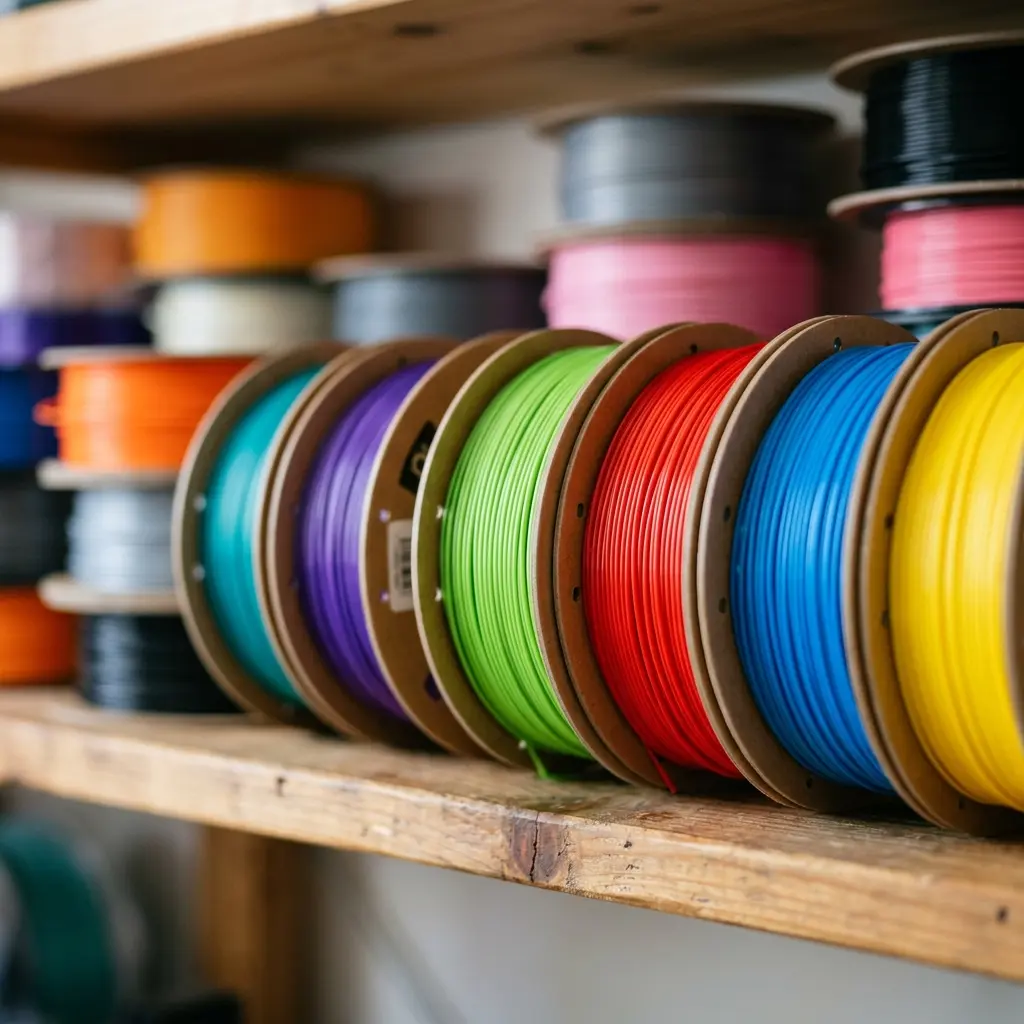
Polylactic Acid (PLA) is a biodegradable thermoplastic derived from renewable resources like corn starch or sugarcane. It is known for its ease of use and environmental friendliness.
PLA is an ideal choice for beginners due to its low printing temperature, which typically ranges from 180°C to 220°C. It adheres well to the print bed, reducing the risk of warping.
Pros and Cons of PLA
| Pros | Cons |
|---|---|
| Environmentally friendly | Lower heat resistance |
| Odorless during printing | Brittle compared to other materials |
| Good print detail | Limited outdoor usability |
Overview of PETG Filament
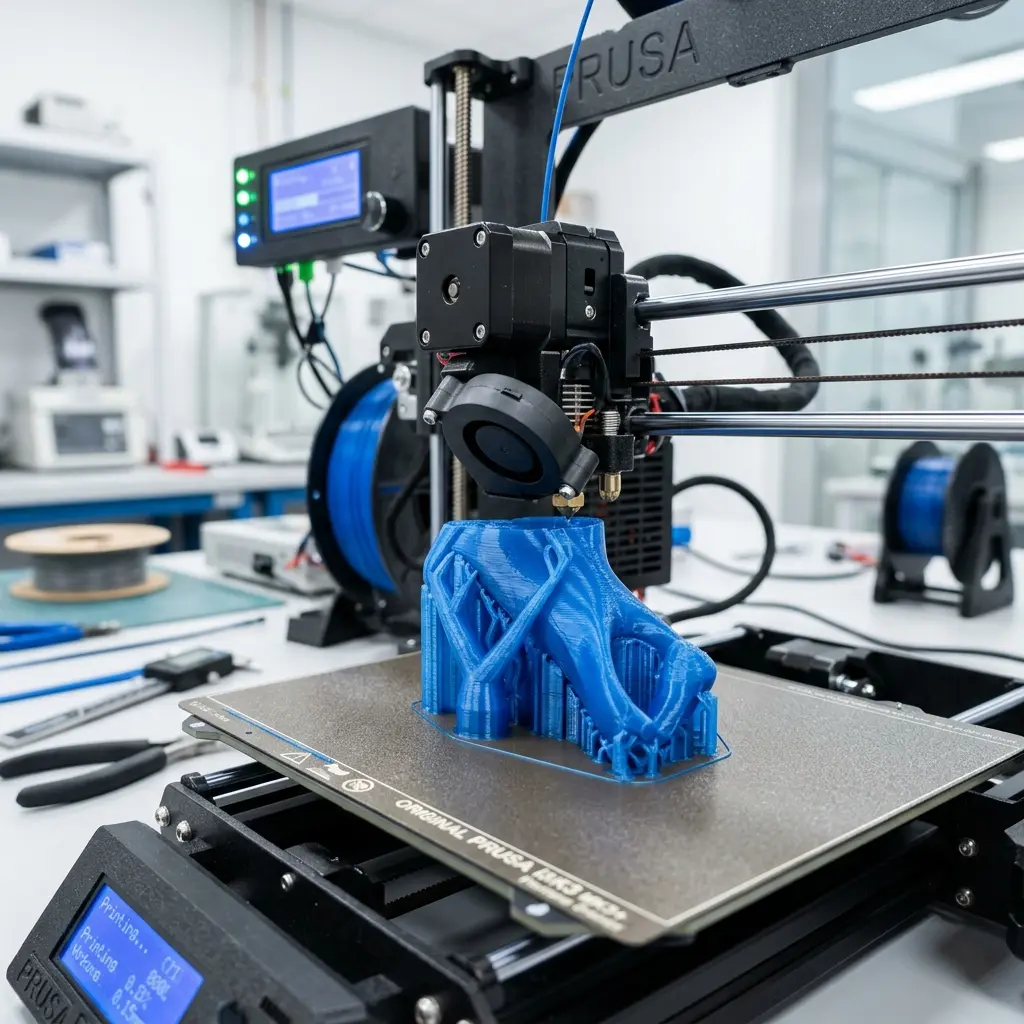
Polyethylene Terephthalate Glycol (PETG) is a modified version of PET. It combines the best characteristics of PLA and ABS, making it a versatile choice for various applications.
PETG is known for its excellent layer adhesion, durability, and chemical resistance. The printing temperature for PETG is generally between 220°C to 250°C.
Pros and Cons of PETG
| Pros | Cons |
|---|---|
| High impact resistance | More difficult to print than PLA |
| Good chemical resistance | Can be prone to stringing |
| Flexible and durable | Requires a higher print temperature |
Overview of ABS Filament
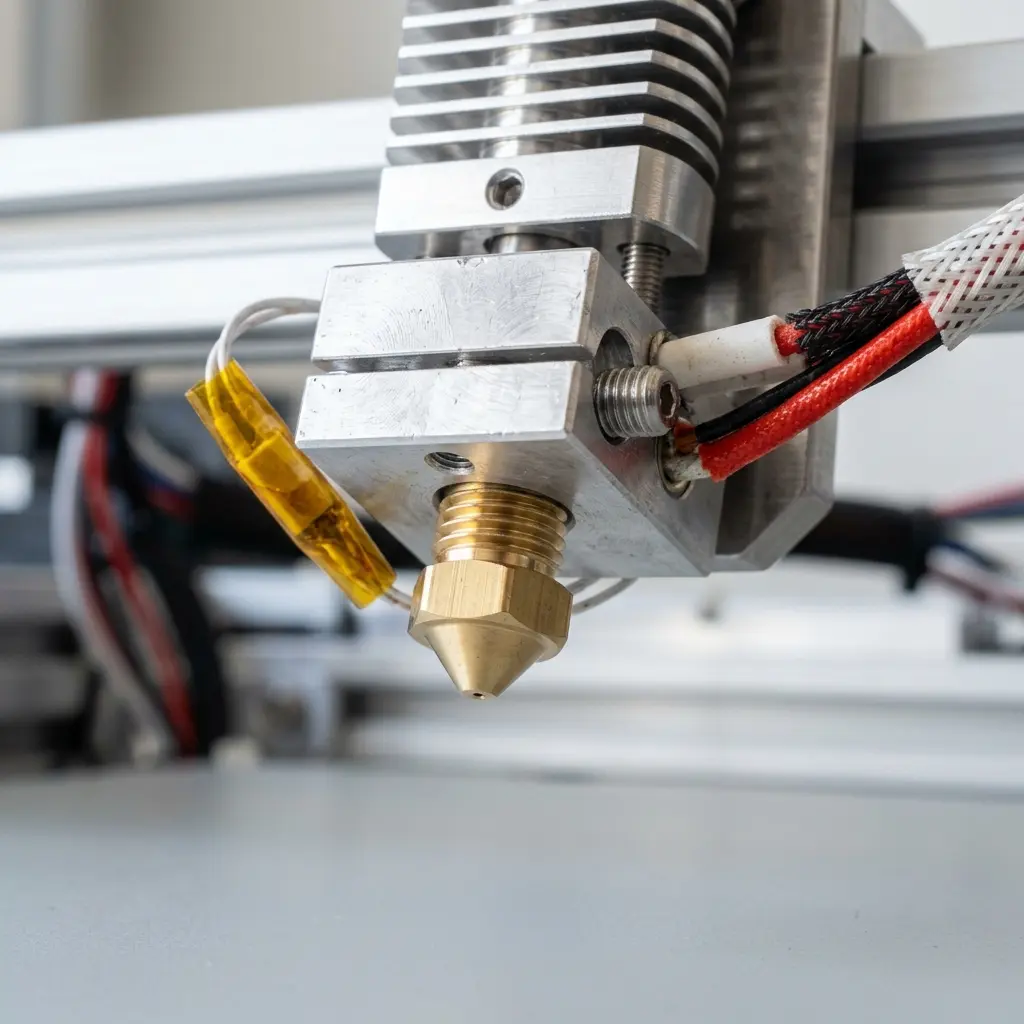
Acrylonitrile Butadiene Styrene (ABS) is a petroleum-based thermoplastic known for its strength and impact resistance. It is commonly used in industrial applications.
ABS requires a heated print bed, with optimal printing temperatures ranging from 210°C to 250°C. Proper ventilation is necessary due to the fumes emitted during printing.
Pros and Cons of ABS
| Pros | Cons |
|---|---|
| High strength-to-weight ratio | Emits fumes during printing |
| Good heat resistance | Prone to warping |
| Ideal for post-processing | Requires a heated bed |
Comparative Analysis
When comparing PLA, PETG, and ABS, several factors should be considered, including printability, mechanical properties, and environmental impact.
The following table summarizes these key attributes for quick reference:
| Filament Type | Print Temperature | Strength | Flexibility | Heat Resistance | Environmental Impact |
|---|---|---|---|---|---|
| PLA | 180°C - 220°C | Moderate | Brittle | Low | Biodegradable |
| PETG | 220°C - 250°C | High | Moderate | Moderate | Recyclable |
| ABS | 210°C - 250°C | Very High | Moderate | High | Not biodegradable |
Best Practices for 3D Printing with PLA, PETG, and ABS
Understanding the unique characteristics of each filament can enhance the 3D printing experience. Here are some best practices:
- Ensure the printer is well-calibrated for optimal results.
- Use a heated bed for ABS to prevent warping.
- Keep the printing environment free from drafts for all filaments.
- Experiment with cooling settings, especially for PLA.
- Consider using an enclosure for ABS printing to control temperature.
Tip: Regularly clean the nozzle and maintain the extruder to avoid clogs and ensure consistent filament flow.
Choosing the Right Filament for Your Project
The choice of filament should align with the specific requirements of the project. For prototypes, PLA is often favored due to its ease of use.
For functional parts that require durability and heat resistance, PETG or ABS may be more suitable. Assess the mechanical and thermal properties needed for the application.
Frequently Asked Questions
What is the best filament for beginners?
PLA is widely considered the best filament for beginners due to its ease of use, low printing temperature, and minimal issues during the printing process.
Can PLA be used for outdoor applications?
PLA is not recommended for outdoor use as it degrades when exposed to UV light and high temperatures, making PETG a better choice for such applications.
How can warping be prevented when printing with ABS?
Using a heated bed, creating an enclosed printing environment, and ensuring proper adhesion can significantly reduce warping when printing with ABS.
Is PETG stronger than PLA?
Yes, PETG exhibits greater strength and durability compared to PLA, making it suitable for functional parts that undergo stress and strain.
What should be considered when printing with different filaments?
Consider factors such as print temperature, bed adhesion, cooling requirements, and the intended use of the printed object to select the appropriate filament.
Filament Storage and Handling
Proper storage and handling of 3D printing filaments are crucial for maintaining their quality. Here are some tips:
- Keep Filaments Dry: Most filaments, especially PLA and PETG, can absorb moisture from the air, leading to print quality issues. Store them in airtight containers with desiccants.
- Avoid Direct Sunlight: UV light can degrade filament materials, especially PLA. Store filaments in a dark place or in opaque containers.
- Check for Damage: Before use, inspect the filament for any kinks or breaks. Damaged filament can cause clogs and printing failures.
Post-Processing Techniques for 3D Printed Parts
Post-processing can significantly enhance the appearance and functionality of 3D printed parts. Here are some common techniques:
- Sandblasting: A great way to smooth out the surface of printed parts, especially for ABS.
- Painting: Use spray paint or acrylic paint to achieve the desired color. Ensure the surface is clean and dry before painting.
- Vapor Smoothing: For ABS, using acetone vapor can smooth out the surface and enhance the finish considerably.
- Gluing Parts Together: Use appropriate adhesives for each filament type. Cyanoacrylate (super glue) works well for most materials.
Future Trends in 3D Printing Filaments
The field of 3D printing is evolving rapidly, and new materials are continually being developed. Here are some trends to watch:
- Composite Filaments: These are filaments blended with materials like carbon fiber or metal for enhanced strength and aesthetic appeal.
- Biodegradable Options: As environmental concerns grow, more sustainable filament options are emerging, focusing on reducing plastic waste.
- Functional Materials: Developments in flexible, conductive, and heat-resistant materials are paving the way for innovative applications in various industries.
Advanced Configurations for PLA, PETG, and ABS
Optimizing print settings is crucial for achieving the best results with each filament type. Advanced configurations such as temperature adjustments, layer height, and print speed can significantly impact the final quality of the print.
When using PLA, a lower print temperature typically yields better adhesion. In contrast, PETG requires higher temperatures for optimal layer bonding, while ABS benefits from a heated bed to reduce warping.
Common Calibration Mistakes
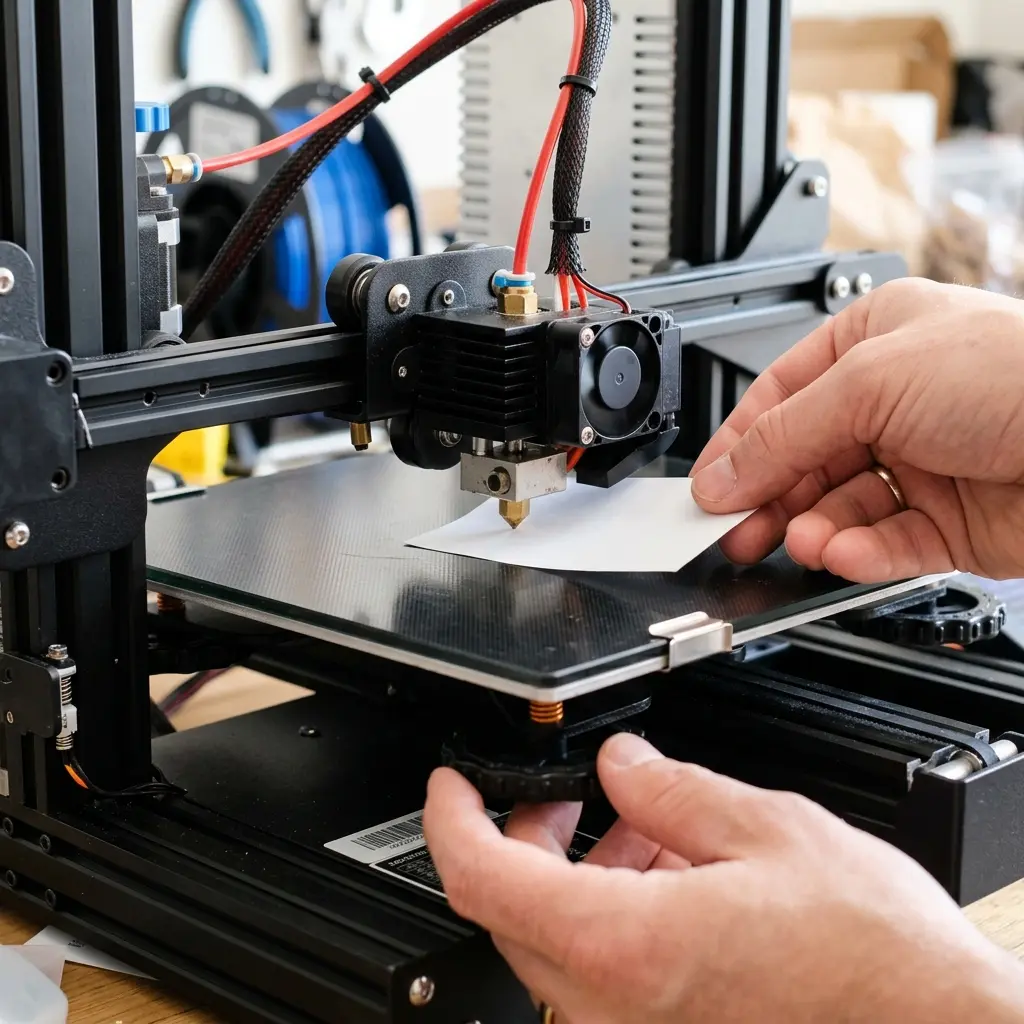
Calibration errors can lead to a myriad of printing issues, particularly with different filament types. One of the most frequent mistakes is incorrect bed leveling, which can cause poor adhesion and layer misalignment.
Another common mistake involves not adjusting the extruder steps per millimeter, leading to over-extrusion or under-extrusion with specific materials. Ensuring proper calibration can dramatically improve print quality and consistency.
Cost Estimations for Filament Choices
The cost of 3D printing filament can vary widely based on material properties and brand. PLA is generally the most affordable option, while PETG and ABS may cost slightly more due to their enhanced features.
When estimating costs, it is essential to consider not just the price per kilogram but also the potential waste produced during failed prints. Higher-quality filaments might have a higher upfront cost but can save money in the long run by reducing print failures.
Security Precautions When Printing
Safety should never be overlooked during 3D printing, particularly with materials like ABS that emit fumes. It is advisable to print in well-ventilated areas or use an enclosure equipped with proper filtration systems.
Using a fireproof surface and monitoring printer operation can also prevent hazards associated with high-temperature materials. Ensuring that the printer is turned off when not in use can reduce risks significantly.
Alternative Choices to Traditional Filaments
While PLA, PETG, and ABS are popular choices, alternative materials can offer unique benefits for specific applications. TPU (Thermoplastic Polyurethane) is a flexible filament that can be ideal for creating rubber-like parts.
Another alternative is nylon, which is known for its strength and durability, making it suitable for functional prototypes. Each filament type has unique characteristics that cater to different project requirements.
Environmental Impact of Each Filament
The environmental impact of 3D printing materials is gaining attention in the industry. PLA is derived from renewable resources, making it a more eco-friendly choice compared to ABS, which is petroleum-based.
Recycling options for PETG are also increasing, contributing to a more sustainable printing practice. Considering the life cycle of each filament can influence material selection for environmentally-conscious projects.
Post-Processing Techniques
Post-processing can enhance the aesthetics and functionality of prints made from PLA, PETG, and ABS. Techniques such as sanding, painting, and acetone smoothing are commonly employed to achieve desired finishes.
Each filament responds differently to post-processing; for example, ABS can be smoothed with acetone vapor, while PETG requires careful sanding to avoid scratches. Understanding the properties of each material can guide effective post-processing strategies.
Filament Storage Best Practices
Proper storage of 3D printing filaments is essential to maintain their quality over time. Filaments like PETG and ABS are hygroscopic, meaning they can absorb moisture from the air, leading to print defects.
Using airtight containers with desiccants can help keep filaments dry and in optimal condition. Additionally, storing filaments away from direct sunlight can prevent degradation and brittleness.
``` ```htmlPLA vs PETG vs ABS: Ultimate 3D Printing Filament Comparison
3D printing has revolutionized the manufacturing industry, providing a range of materials for different applications. Among the most popular filaments are PLA, PETG, and ABS. Each of these materials offers distinct properties that make them suitable for specific projects. This document provides a comprehensive comparison of these three filaments, examining their characteristics, advantages, disadvantages, and ideal use cases.
Overview of Filaments
Understanding the chemical composition and properties of each filament is crucial for selecting the right material for a 3D printing project.
| Filament | Chemical Composition | Common Uses |
|---|---|---|
| PLA | Polylactic Acid | Prototyping, toys, decorative items |
| PETG | Polyethylene Terephthalate Glycol-Modified | Functional parts, containers, mechanical components |
| ABS | Acrylonitrile Butadiene Styrene | Automotive parts, household items, electronic casings |
Properties Comparison
The properties of each filament play a significant role in determining their suitability for different applications. The following table outlines key properties of PLA, PETG, and ABS.
| Property | PLA | PETG | ABS |
|---|---|---|---|
| Strength | Moderate | High | High |
| Flexibility | Low | Moderate | Moderate |
| Temperature Resistance | Low (60°C) | Moderate (80°C) | High (100°C) |
| Ease of Printing | Very Easy | Moderate | Challenging |
| Post-Processing | Easy (sanding, painting) | Moderate (sanding) | Easy (sanding, acetone vapor) |
| Odor during Printing | Sweet | Minimal | Strong |
Advantages and Disadvantages
Each filament has its own set of advantages and disadvantages that should be considered before making a choice.
-
PLA
- Advantages:
- Biodegradable and environmentally friendly
- Easy to print with minimal warping
- Available in a wide range of colors and finishes
- Disadvantages:
- Lower heat resistance
- Brittle compared to PETG and ABS
- Not suitable for outdoor use due to UV sensitivity
- Advantages:
-
PETG
- Advantages:
- Good strength and flexibility
- Higher temperature resistance than PLA
- Resistant to moisture and chemicals
- Advantages:
- More challenging to print compared to PLA
- May require higher printing temperatures
- Can be prone to stringing
ABS
- Advantages:
- High strength and durability
- Good temperature resistance
- Can be smoothed with acetone for a glossy finish
- Disadvantages:
- Odorous fumes during printing
- Prone to warping without proper bed adhesion
- Requires higher printing temperatures
Ideal Use Cases
Choosing the right filament depends on the intended application. The following list outlines ideal use cases for each filament:
- PLA:
- Prototyping and concept models
- Toys and educational models
- Decorative items like vases and sculptures
- PETG:
- Functional parts that require strength
- Containers and bottles that need to withstand moisture
- Mechanical components that need a balance of strength and flexibility
- ABS:
- Automotive parts and housings
- Durable household items like tool holders
- Electronics casings and prototypes
Conclusion
The selection of filament for 3D printing should be based on the specific requirements of the project. PLA is ideal for beginners and decorative items, PETG serves well for functional components, and ABS is suitable for high-strength applications. Understanding the characteristics of each filament will aid in achieving the best results in 3D printing endeavors.
Introduction to 3D Printing Filaments
3D printing has evolved significantly, offering a variety of filament options suited for different applications. This comparison focuses on three popular filaments: PLA, PETG, and ABS.
Overview of Filaments
Each filament type has unique characteristics that make it suitable for specific printing needs. Understanding these properties is crucial for selecting the right filament for a project.
PLA (Polylactic Acid)
PLA is a biodegradable thermoplastic derived from renewable resources like corn starch. It is known for its ease of use and eco-friendliness.
Properties of PLA
- Low warping: Ideal for beginners as it adheres well to the print bed.
- Good print quality: Produces detailed prints with a glossy finish.
- Low melting temperature: Typically prints at 180-220°C.
- Biodegradable: Breaks down under industrial composting conditions.
Applications of PLA
Common applications include prototypes, educational projects, and decorative items. It is not recommended for high-temperature applications due to its lower heat resistance.
PETG (Polyethylene Terephthalate Glycol-Modified)
PETG combines the ease of PLA with the durability of ABS, making it a versatile choice for many users. It is well-regarded for its strength and flexibility.
Properties of PETG
- High strength: Offers excellent impact resistance and durability.
- Moderate warping: Requires a heated bed, but warping is less than ABS.
- Temperature resistance: Prints well at 220-250°C.
- Food-safe: Generally considered safe for food contact when printed correctly.
Applications of PETG
PETG is suitable for functional parts, mechanical components, and containers. Its chemical resistance makes it ideal for items that may come in contact with liquids.
ABS (Acrylonitrile Butadiene Styrene)
ABS is a widely used thermoplastic known for its toughness and impact resistance. It is commonly used in industrial applications and consumer products.
Properties of ABS
- High durability: Excellent for parts that require strength and resilience.
- Prone to warping: Requires a heated bed and proper enclosure to minimize warping.
- High melting temperature: Typically requires printing temperatures of 220-250°C.
- Post-processing friendly: Can be smoothed with acetone for a polished finish.
Applications of ABS
Common applications include automotive parts, electronic housings, and toys. Its ability to withstand higher temperatures makes it suitable for more demanding environments.
Comparison Table
| Property | PLA | PETG | ABS |
|---|---|---|---|
| Ease of Use | High | Moderate | Low |
| Strength | Moderate | High | Very High |
| Temperature Resistance | Low | Moderate | High |
| Biodegradability | Yes | No | No |
| Odor During Printing | Minimal | Low | Strong |
Conclusion
Choosing the right filament depends on the specific requirements of the project. Each filament has its strengths and weaknesses, making it essential to consider factors such as durability, temperature resistance, and ease of use.
```



