PETG XT Filament: High Chemical and Thermal Resistance Comparison
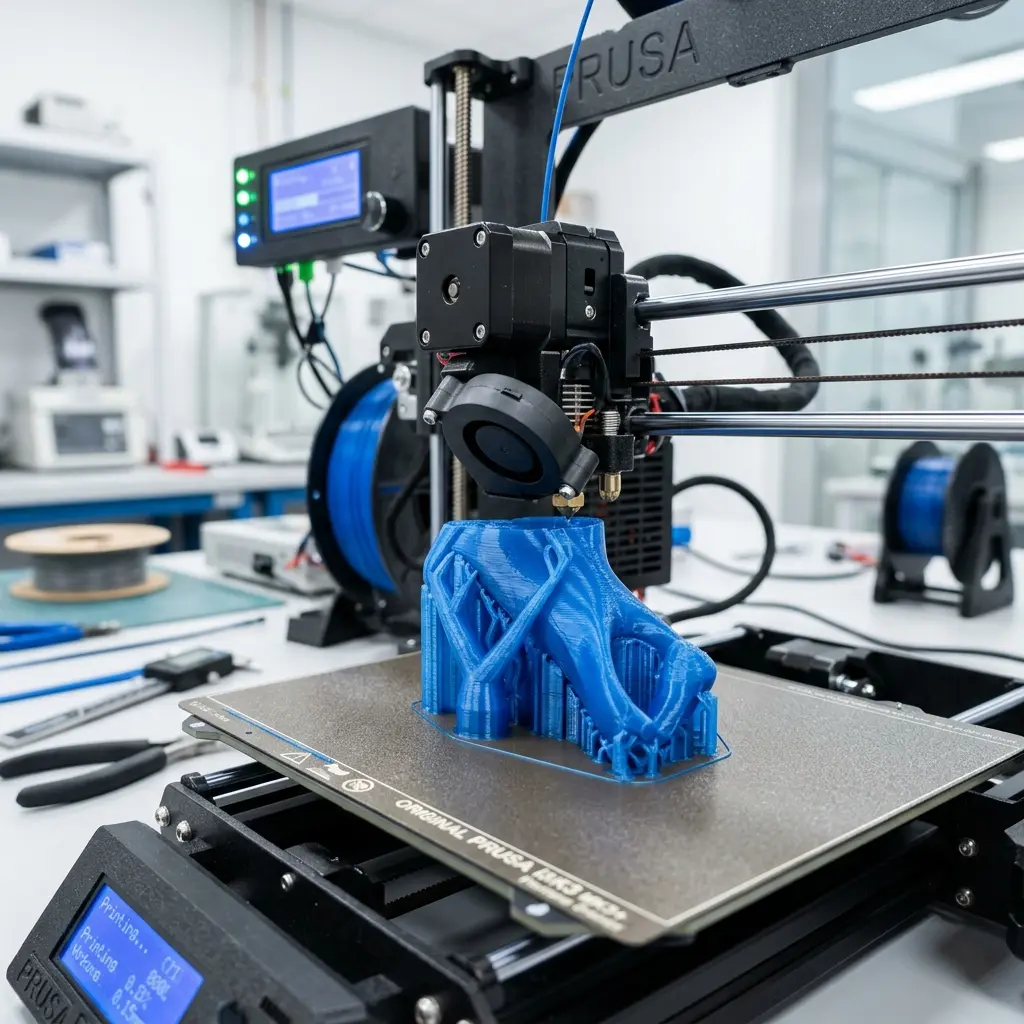
PETG XT Filament: High Chemical and Thermal Resistance Comparison
PETG XT is an enhanced version of standard PETG filament, renowned for its excellent chemical and thermal resistance properties. This filament is commonly used in various applications, including industrial, commercial, and consumer products. Understanding the chemical resistance and thermal stability of PETG XT is critical for selecting the right material for specific projects.
Chemical Resistance of PETG XT
PETG XT exhibits significant resistance to a variety of chemicals, making it suitable for environments where exposure to harsh substances is expected. Below is a comparison of PETG XT's chemical resistance against common solvents and acids:
| Chemical | Resistance Level | Notes |
|---|---|---|
| Acetic Acid (10%) | Good | No visible degradation after 24 hours. |
| Isopropyl Alcohol (IPA) | Excellent | Remains stable with no softening. |
| Acetone | Poor | Significant degradation observed. |
| Ethyl Acetate | Fair | Minor effects noted after extended exposure. |
| Hydrochloric Acid (1%) | Good | No visible changes after 24 hours. |
Thermal Resistance of PETG XT
The thermal properties of PETG XT are crucial for applications that require materials to withstand high temperatures without losing structural integrity. The glass transition temperature (Tg) and heat deflection temperature (HDT) are two essential metrics to consider:
- Glass Transition Temperature (Tg): Approximately 80°C (176°F)
- Heat Deflection Temperature (HDT): Ranges from 70°C to 100°C (158°F to 212°F) depending on the specific formulation and processing conditions.
Comparison with Other Filaments
When evaluating PETG XT, it is beneficial to compare its properties with other popular filament types such as ABS and PLA. The following table summarizes the key characteristics:
| Filament Type | Chemical Resistance | Thermal Resistance | Ease of Printing |
|---|---|---|---|
| PETG XT | Good to Excellent | Good | Moderate |
| ABS | Fair | Good | Challenging (warping) |
| PLA | Poor | Fair | Easy |
Applications of PETG XT Filament
The unique properties of PETG XT make it suitable for a wide range of applications, including:
- Food storage containers
- Medical devices
- Automotive parts
- Electronic enclosures
- Prototyping for industrial applications
Advantages of Using PETG XT
Some of the advantages of PETG XT filament include:
- High impact resistance
- Transparency suitable for visual applications
- Low odor during printing
- Good layer adhesion
- Recyclability
Considerations When Printing with PETG XT
While PETG XT offers numerous benefits, several factors should be considered during the printing process:
- Extrusion Temperature: Optimal printing temperature typically ranges from 220°C to 250°C.
- Bed Temperature: A heated bed set between 70°C to 80°C helps reduce warping.
- Print Speed: Slower print speeds (30-50 mm/s) can improve surface finish and adhesion.
- Cooling: Minimal cooling is recommended to avoid layer adhesion issues.
- Filament Storage: Store in a cool, dry place to prevent moisture absorption.
Conclusion
PETG XT filament stands out for its high chemical and thermal resistance, making it an excellent choice for various industrial and commercial applications. Its balance of durability and printability provides users with a versatile material option that can meet demanding requirements.
Frequently Asked Questions
What is the difference between PETG and PETG XT?
PETG XT is an enhanced version of standard PETG, offering improved chemical and thermal resistance. This makes it more suitable for demanding applications.
Can PETG XT be used for food-safe applications?
Yes, PETG XT can be used for food-safe applications, as it is non-toxic and can withstand cleaning processes. Always ensure compliance with food safety regulations.
How does PETG XT compare to ABS in terms of strength?
PETG XT generally exhibits higher strength and impact resistance compared to ABS. This makes PETG XT a preferred choice for functional parts.
Is it necessary to use a heated bed when printing with PETG XT?
While not strictly necessary, using a heated bed can significantly improve adhesion and reduce warping during the printing process.
What are common issues when printing with PETG XT?
Common issues include stringing and adhesion problems. Adjusting print settings and ensuring proper bed leveling can help mitigate these challenges.




