Pancake vs Fresnel Lenses in VR Headsets: Differences and Benefits
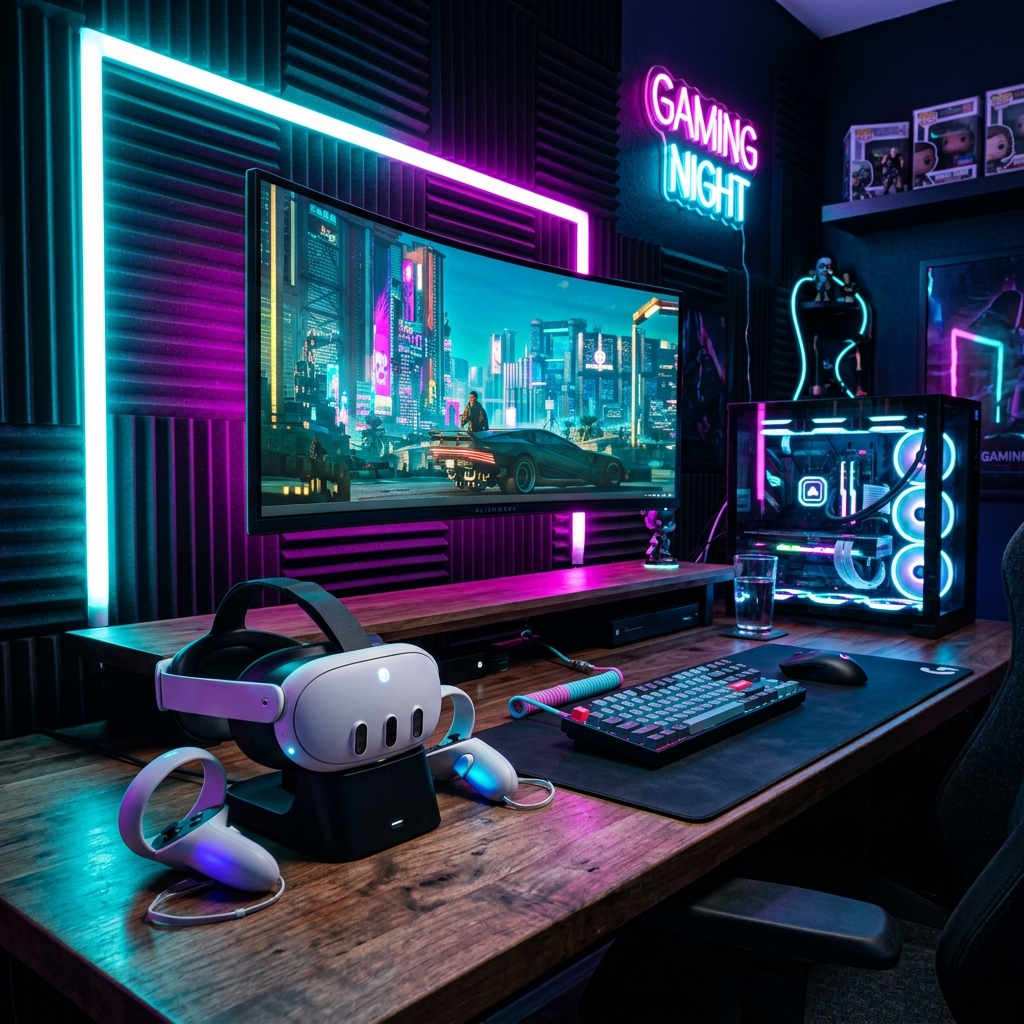
Pancake vs Fresnel Lenses in VR Headsets: Differences and Benefits
The ongoing evolution of virtual reality (VR) technology often brings discussions surrounding the types of lenses used in headsets. This article will explore the differences and benefits of pancake and Fresnel lenses in VR headsets, focusing on their impact on performance and user experience.
Understanding the distinctions between pancake and Fresnel lenses will illuminate essential factors influencing VR headset design and functionality.
Overview of Lens Types
Pancake lenses are a newer optical technology that offers a compact form factor and improved image clarity. They utilize a combination of multiple lens elements to reduce distortion and enhance the field of view.
Fresnel lenses, on the other hand, have been around for a longer time and utilize a series of concentric grooves to bend light. While they are typically thinner than traditional lenses, they can exhibit some visual artifacts.
Comparison of Optical Properties
When comparing pancake and Fresnel lenses, several optical properties come into play:
- Lightweight design
- Image clarity
- Distortion levels
- Field of view
- Eye relief
Specifications Comparison Table
| VR Headset Model | Lens Type | Field of View (FOV) | Weight (grams) | Resolution (per eye) |
|---|---|---|---|---|
| Meta Quest 3 | Pancake | 110° | 515 | 2064 x 2208 |
| Meta Quest 2 | Fresnel | 89° | 503 | 1832 x 1920 |
| Valve Index | Fresnel | 130° | 809 | 1440 x 1600 |
| PlayStation VR2 | Pancake | 110° | 560 | 2000 x 2040 |
| Pimax Crystal | Pancake | 140° | 600 | 5760 x 2880 |
| HTC Vive Pro 2 | Fresnel | 120° | 850 | 2448 x 2448 |
| HP Reverb G2 | Fresnel | 114° | 500 | 2160 x 2160 |
Benefits of Pancake Lenses
Pancake lenses offer several advantages, including a more compact design. This innovation contributes to lighter and more comfortable headsets, reducing fatigue during extended use.
The optical performance of pancake lenses typically results in reduced distortion and improved clarity. This enhanced visual quality enhances immersion and realism in VR experiences.
Benefits of Fresnel Lenses
Fresnel lenses are widely used in many VR headsets due to their cost-effectiveness and established reliability. They allow manufacturers to produce thinner and lighter headsets, making them appealing for mass-market products.
While they may exhibit some visual artifacts, Fresnel lenses can provide a broader field of view, enhancing peripheral vision in VR environments.
Practical Considerations for Users
When selecting a VR headset, consider the type of lenses used and their implications for experience quality. Pancake lenses may be preferred for those prioritizing clarity and comfort.
Conversely, Fresnel lenses might suit users looking for affordability and broader field visibility, despite potential visual compromises.
Step-by-Step Buying Checklist
- Determine intended usage (gaming, simulations, professional applications).
- Assess comfort and fit preferences (weight and adjustability).
- Evaluate lens type (pancake vs. Fresnel) based on visual requirements.
- Review technical specifications (FOV, resolution, refresh rates).
- Investigate compatibility with existing systems (PC, consoles, etc.).
- Read user reviews and comparisons to make an informed decision.
DomineTec Tip: For those interested in VR while managing data across multiple devices, consider exploring ways to backup iPhone to computer without iCloud.
Conclusion
Deciding between pancake and Fresnel lenses in VR headsets involves weighing various factors, including user comfort, visual clarity, and budget. Each lens type has unique benefits that cater to different preferences and applications.
Ultimately, the choice should align with personal usage scenarios and expectations for visual performance. Understanding these differences can help individuals make a more informed purchase decision in the dynamic VR market.
Frequently Asked Questions
1. What are pancake lenses in VR headsets?
Pancake lenses are optical components that use multiple lens elements to create a compact and lightweight design, minimizing distortion and enhancing image clarity.
2. How do Fresnel lenses work?
Fresnel lenses consist of a series of concentric grooves that bend light, enabling a thinner profile while still delivering a relatively broad field of view.
3. Which lens type offers better image quality?
Pancake lenses generally provide superior image clarity and reduced distortion compared to Fresnel lenses, making them preferable for high-end VR experiences.
4. Are pancake lenses more comfortable than Fresnel lenses?
Pancake lenses tend to be more comfortable due to their lighter weight and design, which can reduce fatigue during prolonged use.
5. Can I find affordable VR headsets with pancake lenses?
While pancake lenses are typically associated with higher-end models, some affordable options may emerge as technology progresses and becomes more widely adopted.
Understanding Pancake Lenses
Pancake lenses are a recent innovation in VR headset technology, designed to provide a compact and lightweight solution. Their unique design allows for a slimmer profile while maintaining high-quality optics.
These lenses utilize a combination of refraction and reflection to create a wide field of view, which enhances immersion. This design is particularly beneficial for extended use, as it reduces the overall weight of the headset.
Headsets like the HTC Vive Flow utilize pancake lenses to achieve a more portable experience without sacrificing visual fidelity. This advancement is reshaping how users interact with virtual environments.
The Basics of Fresnel Lenses
Fresnel lenses have been a staple in VR headset design, known for their ability to focus light effectively. These lenses consist of a series of concentric grooves that reduce weight while providing high optical performance.
Commonly used in devices like the PlayStation VR, Fresnel lenses offer a good balance between image clarity and field of view. Their lightweight nature makes them suitable for consumer VR applications.
The design of Fresnel lenses allows for a significant reduction in distortion, contributing to a more pleasant viewing experience. This characteristic is essential for minimizing eye strain during prolonged use.
Comparing Image Quality
Image quality significantly varies between pancake and Fresnel lenses, impacting user experience. Pancake lenses typically provide better clarity and less chromatic aberration, which enhances visual fidelity.
Fresnel lenses, while effective, can sometimes produce artifacts such as god rays or blurring, especially around the edges of the field of view. This can detract from immersion in certain applications.
When choosing a VR headset, consider how critical image quality is for the intended use, whether for gaming, simulation, or professional applications. The right lens type can make a significant difference in overall satisfaction.
Weight and Comfort Considerations
The weight and comfort of a VR headset are crucial for prolonged use, particularly in immersive environments. Pancake lenses excel in this area, allowing for lighter designs that are easier to wear for extended periods.
In contrast, Fresnel lenses, while lighter than traditional lenses, may still contribute to a bulkier headset. This can lead to discomfort during long sessions, which is a critical factor for users.
Headsets like the Meta Quest Pro leverage pancake lenses to optimize comfort and usability, making them ideal for users who prioritize long hours of engagement. The choice of lens can greatly influence the overall experience.
Field of View and Immersion
Field of view (FOV) is a vital aspect of VR experience, directly impacting immersion. Pancake lenses generally provide a broader FOV, allowing users to feel more enveloped in the virtual world.
Fresnel lenses, while offering a decent FOV, may not match the immersive capabilities of pancake lenses. This difference can influence how users perceive and interact with virtual environments.
For applications requiring extensive visual engagement, such as gaming or simulations, the enhanced FOV of pancake lenses could lead to a more fulfilling experience. An informed choice can enhance overall enjoyment.
Cost Implications
The cost of VR headsets can vary significantly based on the lens technology employed. Pancake lenses, being relatively new, may lead to higher manufacturing costs, reflecting in the price of devices like the HTC Vive Flow.
Fresnel lenses are often more cost-effective, which has made them a popular choice for budget-friendly options like the Oculus Quest 2. This affordability can make VR more accessible to a wider audience.
When evaluating a headset, consider how the lens type aligns with budget constraints and desired features. Sometimes, investing in advanced lens technology results in a more satisfying long-term experience.
Future Trends in VR Lens Technology
As VR technology evolves, so does the lens technology used in headsets. Innovations in pancake lenses may lead to even thinner designs with improved performance, enhancing user experiences.
Conversely, Fresnel lenses may also see advancements to address their limitations, potentially reducing artifacts and improving clarity. The future holds exciting possibilities for both lens types in enhancing immersion and comfort.
Monitoring trends in VR headset technology can provide insights into the best options available. Understanding these developments can aid in making informed purchasing decisions for VR enthusiasts.
Pancake vs Fresnel Lenses in VR Headsets: Differences and Benefits
Virtual reality (VR) technology has advanced significantly in recent years, with lens design playing a crucial role in the overall user experience. Two popular lens types used in VR headsets are pancake lenses and Fresnel lenses, each with unique characteristics and benefits.
Pancake Lenses
Pancake lenses are a newer innovation in the VR space, designed to reduce the overall thickness of the headset. These lenses use a combination of refraction and reflection to create a compact optical system.
- Compact Design: Pancake lenses can significantly reduce the physical size of the headset, making them lighter and more comfortable for extended use.
- Improved Clarity: The design minimizes optical distortion and provides better image quality, offering clearer visuals for users.
- Reduced Spherical Aberration: These lenses are engineered to minimize spherical aberration, enhancing the overall visual experience.
Fresnel Lenses
Fresnel lenses, on the other hand, have been a standard in VR headset design for many years. They consist of a series of concentric grooves that allow for a thinner lens profile while maintaining focus.
- Established Technology: Fresnel lenses are well-understood and widely used in various optical applications, providing a reliable option for VR headsets.
- Cost-Effective: These lenses are typically less expensive to manufacture, making them a common choice for budget-friendly VR headsets.
- Good Light Transmission: Fresnel lenses generally allow a high level of light transmission, contributing to bright and vivid displays.
Comparative Table: Pancake vs Fresnel Lenses
| Feature | Pancake Lenses | Fresnel Lenses |
|---|---|---|
| Size | Thinner and more compact | Thicker, but can be made slimmer |
| Image Quality | Higher clarity and reduced distortion | Good quality but can have distortion |
| Manufacturing Cost | Generally higher | Lower, more cost-effective |
| Use in Headsets | Found in premium models | Used in budget and mid-range models |
Popular Headsets Using Pancake Lenses
Headsets like the Pico 4 have adopted pancake lenses to enhance user experience. The design aims to provide a lightweight and comfortable fit while improving visual fidelity.
Popular Headsets Using Fresnel Lenses
Models such as the Oculus Quest 2 primarily utilize Fresnel lenses. This design choice allows for a balance between performance and affordability, catering to a broader audience.
Benefits of Pancake Lenses in VR
The primary advantage of pancake lenses lies in their compact design. This allows for sleeker headset profiles, which can improve the comfort of wear during extended sessions.
Furthermore, pancake lenses enhance optical clarity, which can lead to a more immersive experience. Users often report less eye strain and fatigue with this lens type.
Benefits of Fresnel Lenses in VR
Fresnel lenses provide a cost-effective solution for manufacturers, enabling them to produce high-quality VR headsets at lower prices. This accessibility allows more users to experience virtual reality without a significant financial investment.
Additionally, the established design of Fresnel lenses offers reliable performance and ease of integration into existing headset technologies. They remain a popular choice for many mainstream VR headsets.
User Experience Considerations
When choosing between pancake and Fresnel lenses, user experience can differ significantly. Pancake lenses tend to offer superior visual quality, which can be critical for gaming and immersive experiences.
In contrast, Fresnel lenses may provide adequate performance for casual users or those new to VR. The choice largely depends on individual preferences and budget constraints.
Future of VR Lens Technology
As VR technology continues to evolve, the competition between pancake and Fresnel lenses will likely intensify. Innovations may lead to hybrid designs that incorporate the best features of both lens types.
Future advancements may also focus on improving the lightweight properties of Fresnel lenses while enhancing the cost-effectiveness of pancake lenses. This could lead to even more options for consumers.
Conclusion
Both pancake and Fresnel lenses have distinct advantages that cater to different segments of the VR market. Pancake lenses offer enhanced clarity and a compact design, making them ideal for high-end headsets.
Conversely, Fresnel lenses provide a cost-effective solution that enables broader access to VR experiences. Understanding the differences and benefits of these lens types can help users make informed decisions when selecting a VR headset.




