Outemu Silent Lemon Review: Is It Good for Long Typing and Writing Sessions?
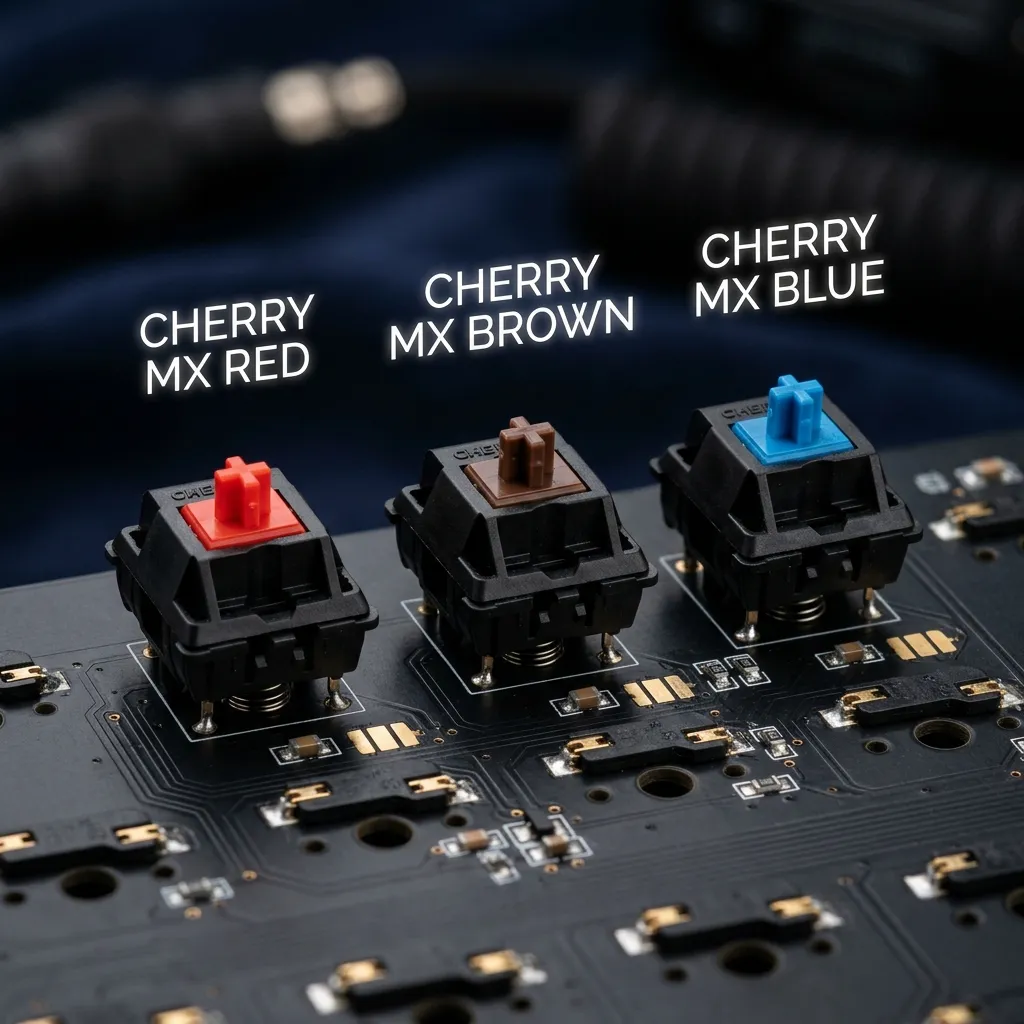
The Outemu Silent Lemon switches are well-suited for long typing and writing sessions due to their tactile feedback and reduced noise levels.
Ergonomics of Outemu Silent Lemon
The Outemu Silent Lemon switches feature a tactile bump that provides feedback without the loud click associated with traditional mechanical switches.
This design minimizes finger strain during extended typing sessions, promoting a comfortable and productive experience.
Performance Analysis
Characterized by a 45g actuation force, the Silent Lemon switches require moderate pressure, ideal for fast typing without excessive fatigue.
The smooth travel distance of approximately 4mm allows for quick key presses, making it an asset for both typists and gamers alike.
Manufacturing Materials
Constructed using high-quality plastic, the switch housing offers durability and stability, ensuring a longer lifespan compared to lower-quality alternatives.
The use of premium materials contributes to the overall performance, making the switches resistant to wear and tear over time.
Design Aesthetics
The vibrant yellow color of the Silent Lemon switches adds a unique aesthetic appeal to any keyboard, enhancing its overall visual impact.
In addition to style, the transparent housing allows LED lighting to shine through, providing an attractive glow during use.
Comparison with Other Switches
| Switch Type | Actuation Force | Travel Distance | Noise Level | Tactile Feedback |
|---|---|---|---|---|
| Outemu Silent Lemon | 45g | 4mm | Low | Yes |
| Cherry MX Brown | 45g | 4mm | Moderate | Yes |
| Razer Yellow | 45g | 3.5mm | Very Low | No |
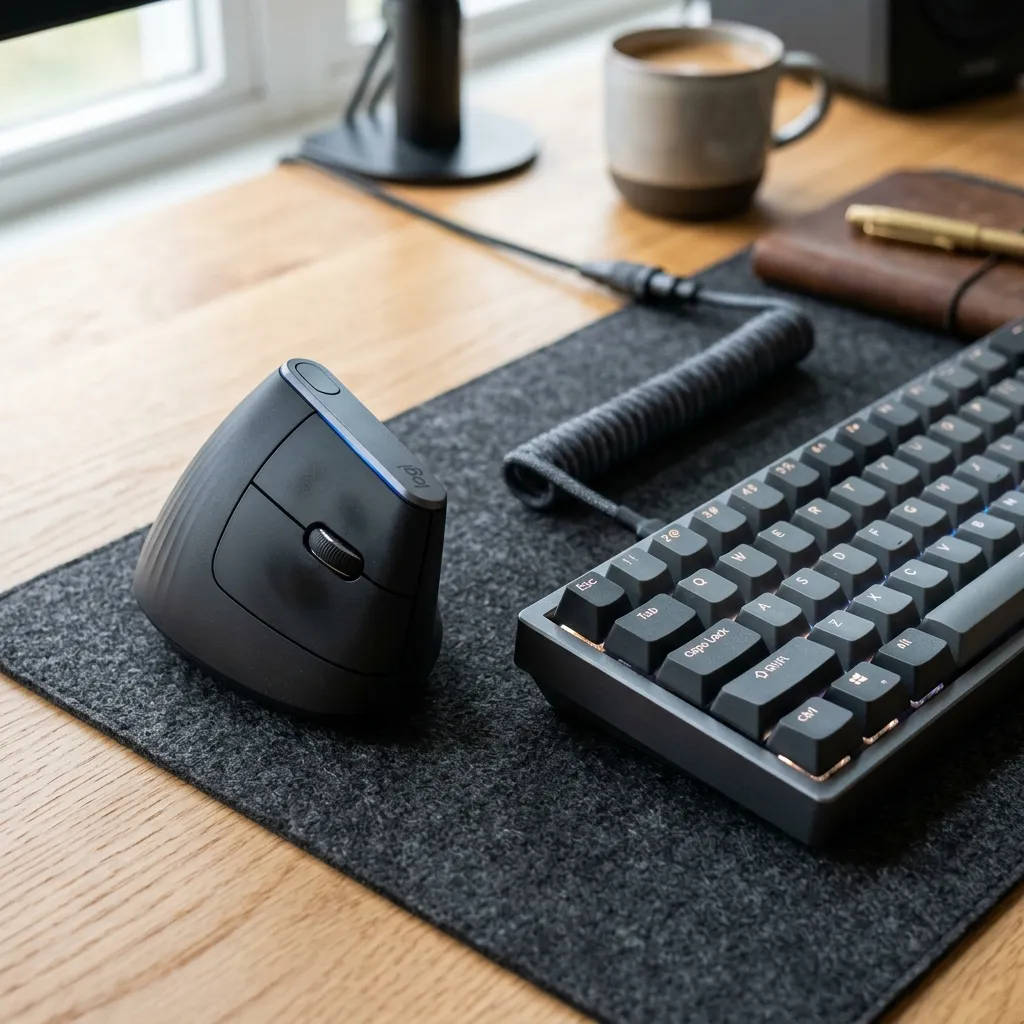
DomineTec Tip: To enhance ergonomics, consider adjusting the keyboard height and angle to align with elbow level for optimal wrist positioning.
- Choose a keyboard with Outemu Silent Lemon switches for reduced noise during typing.
- Ensure proper wrist alignment by adjusting the keyboard height.
- Incorporate a wrist rest to further alleviate strain.
- Consider regular breaks to maintain productivity and comfort.
- Utilize a clean productivity desk setup to minimize distractions.

Durability and Longevity
The Outemu Silent Lemon switches are designed to withstand extensive usage, boasting a durability rating of approximately 50 million keystrokes.
This longevity is crucial for users engaged in long typing and writing sessions, as it minimizes the need for replacements.
Regular maintenance, such as cleaning the keyboard and ensuring proper lubrication, can further enhance the longevity of these switches.
By adopting best practices, users can maintain optimal performance and extend the lifespan of their equipment.
Sound Profile and Acoustic Performance
One of the standout features of the Outemu Silent Lemon switches is their sound profile, designed to minimize noise.
The sound generated during key presses is subtle and satisfying, providing tactile feedback without the disruptive clacking associated with traditional mechanical switches.
Acoustic performance is influenced by the keyboard's construction and materials, with a well-built keyboard further reducing sound levels.
For users prioritizing a quieter typing experience while enjoying tactile feedback, the Outemu Silent Lemon switches offer an excellent balance of performance and sound management.
Customization Options and Compatibility
The Outemu Silent Lemon switches are compatible with various keyboard layouts and designs, making them a versatile choice for custom keyboard enthusiasts.
This flexibility allows for personal customization, enabling users to tailor their keyboard's feel and sound profile to their preferences.
The modular nature of these switches means they can be easily replaced or upgraded, allowing for ongoing customization as user preferences evolve.
In summary, the Outemu Silent Lemon switches accommodate a wide range of customization options, appealing to users who value personalization in their typing experience.
Typing Experience and Key Feel
The typing experience provided by the Outemu Silent Lemon switches is characterized by a tactile response that many users find satisfying.
The actuation force is calibrated to strike a balance between responsiveness and comfort, making the switches well-suited for both typing and gaming.
Users often report less fatigue during extended typing sessions, which is critical for writers and programmers.
The Silent Lemon switches effectively dampen noise while delivering a satisfying feel, contributing to a more enjoyable and focused work environment.
Price Point and Value for Money
The Outemu Silent Lemon switches stand out in the market due to their competitive pricing, offering a budget-friendly option for users seeking quality mechanical switches.
This affordability does not compromise their performance or durability, providing substantial value for users on a budget.
When compared to other switches with similar characteristics, the Outemu Silent Lemon holds its own, making them an attractive option for both casual users and enthusiasts alike.
Community Feedback and User Reviews
The Outemu Silent Lemon switches have garnered attention from the mechanical keyboard community, with feedback highlighting their unique characteristics.
Users often praise their quiet operation and comfortable typing experience, reporting a reduction in finger fatigue during prolonged use.
However, some users have noted that the tactile feedback may not be as pronounced as other tactile switches, which may be a consideration for those who prefer a more distinct bump.
Overall, community feedback reflects a positive reception of the Outemu Silent Lemon switches, with many users recommending them for their intended use cases.
Installation and Setup Process
Installing Outemu Silent Lemon switches is a straightforward process, especially for those familiar with mechanical keyboards.
The switches are designed for easy insertion into compatible PCBs, simplifying the setup for users.
For first-time builders, following a detailed guide can enhance the installation experience, ensuring that switches are correctly seated and functioning as intended.
Users should also consider the importance of proper soldering techniques if opting for a soldered PCB to prevent issues and enhance the longevity of the switches.
Impact on Productivity
The Outemu Silent Lemon switches can significantly influence productivity levels for users who spend hours typing.
The reduced noise levels help create a more focused environment, especially in shared or quiet spaces.
By minimizing auditory distractions, typists can concentrate better on their work, leading to improved efficiency and output.
This is particularly beneficial for professionals who engage in extensive writing or programming tasks.
Maintenance and Care Tips
To ensure the longevity and optimal performance of Outemu Silent Lemon switches, regular maintenance is essential.
Cleaning the keyboard regularly, either by using compressed air or a soft brush, can help remove any particles that may interfere with the switches.
For those who frequently type for extended periods, applying a small amount of lubricant to the switches can enhance feel and reduce friction.
By following these maintenance tips, users can ensure that their Outemu Silent Lemon switches continue to perform well over time.
Stability and Reliability During Extended Use
The Outemu Silent Lemon switches are designed to provide consistent performance during long typing and writing sessions.
Users often report that the switches maintain their responsiveness even as the hours of use accumulate, ensuring that typing remains smooth and fluid.
The internal construction of the switches minimizes wobbling and unintended key presses, which can be disruptive during intensive writing tasks.
Overall, users seeking reliability in their mechanical switches will find that the Outemu Silent Lemon performs admirably.
Environmental Impact and Sustainability Considerations
The sustainability of mechanical switches has become a significant topic among consumers. The manufacturing process of Outemu Silent Lemon switches incorporates materials that aim to be less harmful to the environment.
Efforts have been made to reduce waste during production, and the packaging is designed to be recyclable, making the Outemu Silent Lemon a more eco-friendly option.
Furthermore, the durability of these switches contributes to their sustainability, as a longer lifespan means reduced waste.
User Adaptation Period and Learning Curve
When transitioning to the Outemu Silent Lemon switches, users may experience an adaptation period as they familiarize themselves with the switch's characteristics.
This learning curve is not uncommon, especially for individuals switching from tactile or clicky switches to linear options.
Engaging in regular typing exercises or utilizing typing software can help accelerate this process, making the transition smoother.
Ultimately, the learning curve associated with the Outemu Silent Lemon switches is a temporary phase that leads to increased typing speed and accuracy over time.
Electrical Characteristics and Power Consumption
The Outemu Silent Lemon switches are designed with specific electrical characteristics that contribute to their performance and efficiency during extended typing sessions.
These switches typically operate at a voltage range of 5V, which is standard for most mechanical keyboards, ensuring compatibility with a wide range of devices.
In terms of power consumption, the Outemu Silent Lemon switches exhibit a low power draw, which is crucial for energy efficiency, particularly in battery-operated keyboards.
This low power consumption translates to longer battery life in wireless configurations, making it suitable for users who rely on portable solutions.
The actuation force of around 45g aids in optimizing power usage by ensuring that each keystroke requires minimal energy, which is important for maintaining responsiveness over long writing sessions.
Additionally, the switches feature a linear actuation profile, promoting a smooth and uninterrupted electrical flow, thereby minimizing the risk of signal interference during prolonged use.
To monitor the electrical performance, users can utilize software tools that provide real-time feedback on keypress latency and battery status, enhancing the overall user experience.
Understanding these electrical characteristics is essential for users who prioritize efficiency and reliability in their mechanical keyboards.
Troubleshooting Common Issues with Outemu Silent Lemon Switches
Despite their robust design, users may occasionally encounter issues with Outemu Silent Lemon switches, necessitating effective troubleshooting techniques.
One common issue is unresponsive keys, which can often be rectified by ensuring the switch is properly seated within the keyboard PCB.
To check this, the keyboard must be disassembled, and the switches inspected for any physical damage or misalignment, followed by reseating them securely.
If multiple keys remain unresponsive, it is advisable to check for any software-related problems by updating keyboard firmware or drivers.
Another prevalent issue is inconsistent key actuation, which can arise from dust or debris accumulation within the switch housing.
Cleaning the keyboard using compressed air can help dislodge any particles, and for deeper cleaning, disassembling the switches and using isopropyl alcohol can be effective.
In cases where a key feels sticky or requires excessive force to actuate, replacing the switch may be necessary to restore performance to its optimal state.
Regular maintenance, including periodic cleaning and software updates, can significantly enhance the lifespan and functionality of the Outemu Silent Lemon switches, ensuring a reliable typing experience.
Optimal Key Mapping Techniques for Enhanced Typing Efficiency
Effective key mapping is crucial for maximizing the performance of Outemu Silent Lemon switches during long typing sessions.
Utilizing software such as QMK or VIA, users can customize their key bindings to improve workflow and reduce finger movement.
For instance, mapping commonly used functions such as copy, paste, and undo to more accessible keys can significantly enhance productivity.
Utilizing layers is another technique; for example, a dedicated layer for coding shortcuts can streamline the coding process and minimize the need for excessive key combinations.
To implement such key mappings, users should first download the appropriate firmware from the QMK repository.
After configuring the keyboard layout, flashing the firmware can be achieved through commands in the command line, such as `qmk flash -kb
Regularly reviewing and updating key mappings based on usage patterns can also lead to continuous improvement in typing efficiency.
Documentation and user forums often provide valuable insights and shared configurations that can assist in fine-tuning key mappings effectively.
Advanced Troubleshooting Techniques for Outemu Silent Lemon Switches
When encountering issues with the Outemu Silent Lemon switches, several advanced troubleshooting techniques can be employed to identify and resolve problems effectively.
Initial diagnostics should include checking the connections and ensuring that the switches are properly seated on the PCB.
Utilizing a key testing software like Switch Hitter can help determine if a specific key is not registering or if there is a debounce issue.
Debouncing is the process of ensuring that only one signal is registered when a key is pressed, and issues here can lead to missed keystrokes.
To troubleshoot debounce problems, users can check the firmware settings for debounce time, making adjustments as necessary; common debounce values range from 5ms to 30ms.
If switches are sticky or unresponsive, cleaning the area around the switch with compressed air or isopropyl alcohol may help resolve physical obstructions.
In cases where certain keys consistently fail to register, replacing the switch may be necessary, which can be done using a hot-swappable keyboard mechanism.
Keeping a log of any issues encountered and resolutions applied can also provide a helpful reference for future troubleshooting and maintenance.
Best Practices for Sustaining Optimal Performance
In order to maximize the performance of Outemu Silent Lemon switches during long typing sessions, it is crucial to implement several best practices aimed at both hardware and software optimization.
First, regular cleaning of the keyboard is essential to prevent dust and debris accumulation, which can lead to key sticking or unresponsive switches. Use a compressed air canister to blow out particles from between the keys and a microfiber cloth with isopropyl alcohol to wipe the surfaces.
Additionally, the use of keycap pullers allows for easy removal of keycaps, providing access to the switches for deeper cleaning. Ensuring that the switches are free from contaminants will help maintain their tactile feedback and reduce wear over time.
Second, leveraging software utilities for keyboard customization can significantly enhance user experience. Programs like QMK Firmware or VIA allow for custom key mapping, enabling users to assign frequently used commands or macros, which can improve typing efficiency.
Integrating these custom mappings into daily workflows ensures that repetitive tasks are streamlined. For instance, setting up macros for text expansion can save considerable time during extensive writing sessions.
Moreover, it's advisable to optimize the debounce time in the firmware settings. A lower debounce time can improve responsiveness, but it should be balanced to prevent unintended key presses.
Lastly, maintaining a steady typing rhythm is vital for both performance and comfort. Practicing touch typing can help develop muscle memory, leading to increased typing speed without sacrificing accuracy.
Engaging in regular typing exercises or utilizing online typing tests can help reinforce this skill, ultimately making prolonged typing sessions more enjoyable and effective.
Troubleshooting Specific Performance Issues
Despite the robust design of Outemu Silent Lemon switches, users may encounter specific performance issues that require troubleshooting. Common problems include inconsistent key presses and unresponsive switches, which can disrupt typing efficiency.
For inconsistent key presses, the first step is to check for software conflicts. Ensure that no other keyboard-related applications are running that may interfere with input, and consider disabling any third-party keyboard enhancements temporarily.
If issues persist, inspect the physical connection of the keyboard to the computer. Unplugging and re-plugging the connector can often resolve connection-related issues, as can trying a different USB port on the computer.
In cases where certain keys remain unresponsive, it is essential to assess the switch itself. Using a multimeter set to continuity mode can help determine if the switch is functioning correctly; if the switch does not register a closed circuit when pressed, it may need replacement.
Another crucial step is to ensure that the keyboard firmware is up to date. Manufacturers often release firmware updates that address bugs and improve performance; visiting the manufacturer's website for the latest version can be beneficial.
Additionally, inspecting the solder points on the PCB may reveal physical damage or cold solder joints that could cause key failures. If damage is detected, re-soldering the connections may be necessary to restore functionality.
Lastly, evaluating the keyboard's overall electrical setup can also provide insights into performance issues. Checking for power supply fluctuations or inadequate power delivery from the USB port can help identify root causes of unresponsive keys.
Implementing these troubleshooting steps can significantly enhance the overall user experience with Outemu Silent Lemon switches, ensuring a more reliable and enjoyable typing experience.
Frequently Asked Questions
Are Outemu Silent Lemon switches good for gaming?
Yes, the tactile feedback and fast actuation make them suitable for gaming, providing both responsiveness and comfort.
How do Outemu Silent Lemon switches compare to Cherry MX switches?
Outemu Silent Lemon switches offer similar actuation force but are quieter and provide tactile feedback without the click sound.
Can these switches be used for mechanical keyboards?
Yes, they are compatible with most mechanical keyboards that allow for switch customization and replacement.
What is the lifespan of Outemu Silent Lemon switches?
These switches typically last around 50 million keystrokes, making them durable for long-term use.
Do they require lubrication?
Lubrication is not necessary for Outemu Silent Lemon switches, but applying a light lubricant can enhance smoothness over time.




