OLED vs QLED Monitor: Which Display Technology is Better?
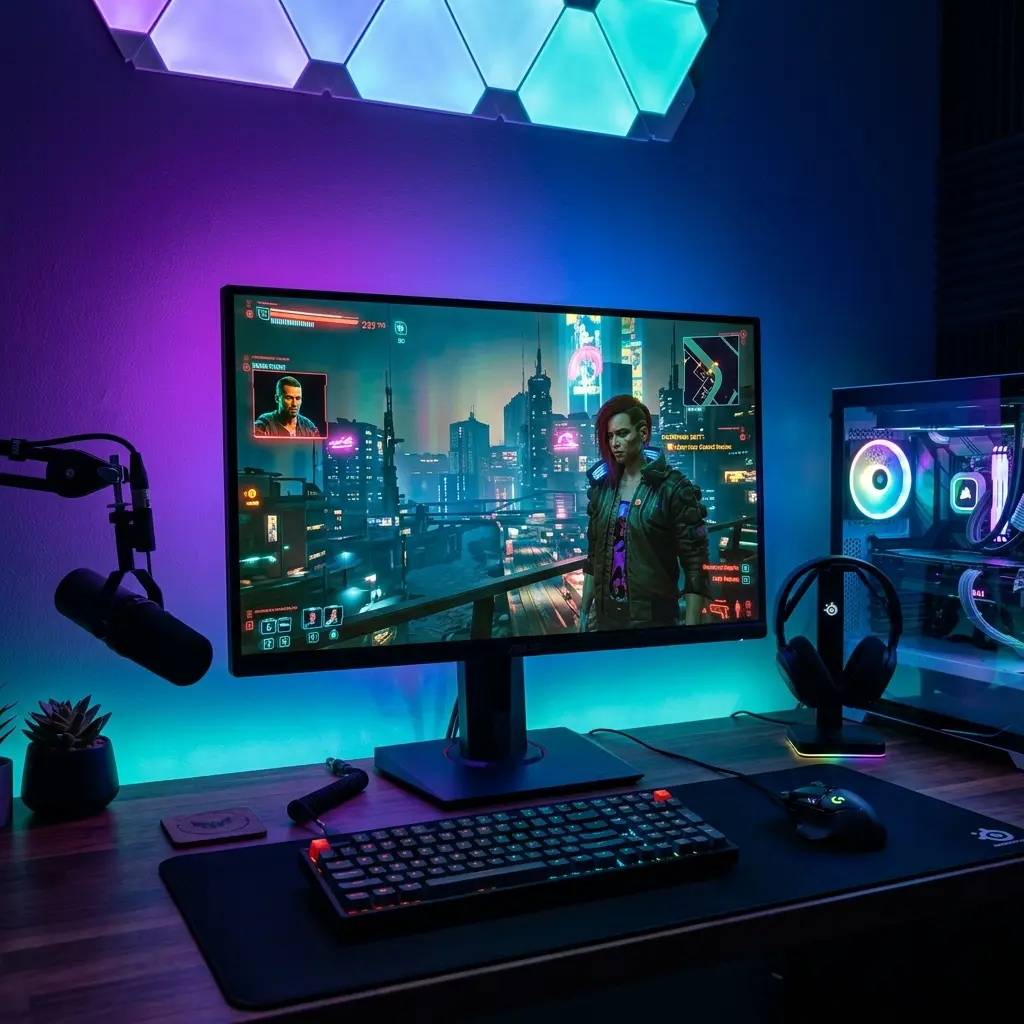
When choosing between OLED and QLED monitors, OLED technology generally offers superior contrast and color accuracy.
Physical Aspects and Resolution
OLED monitors utilize organic compounds to emit light, resulting in ultra-thin panels and true blacks. QLED monitors, on the other hand, use quantum dots illuminated by a backlight, allowing for bright displays and high resolutions.
Performance and Technology
OLED displays excel in response time and color accuracy, delivering smoother motion in fast-paced content. QLED screens typically offer higher brightness levels, enhancing visibility in well-lit environments.
Ergonomics and Visual Comfort
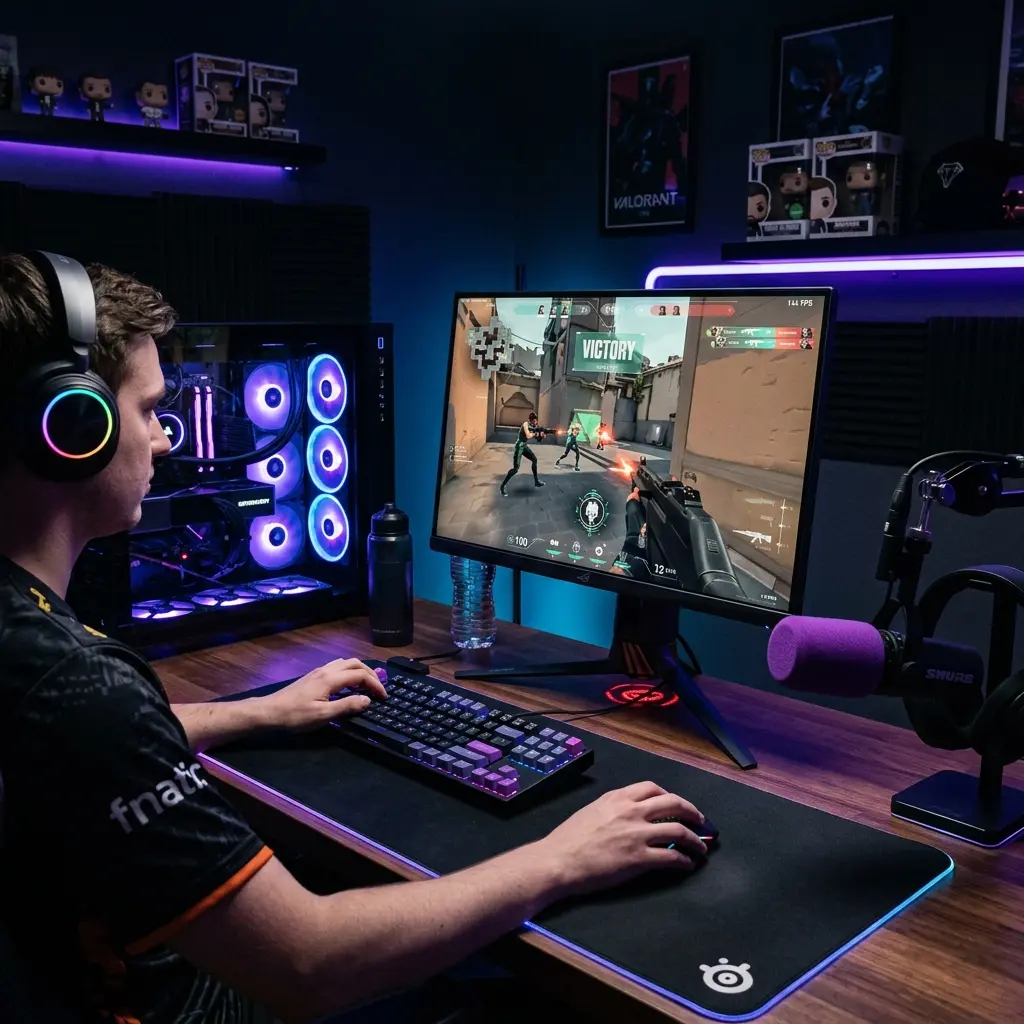
OLED monitors provide better viewing angles, allowing for consistent color and brightness from wider perspectives. QLED monitors are often heavier and bulkier, necessitating more careful placement for optimal viewing.
| Feature | OLED | QLED |
|---|---|---|
| Black Levels | True black, pixel-level dimming | Good, but not true black |
| Brightness | Lower peak brightness | Higher peak brightness |
| Color Accuracy | Excellent | Very good |
| Life Span | Potential burn-in issues | Longer life expectancy |
| Energy Consumption | Lower compared to QLED | Higher due to backlighting |
Materials and Durability
OLED monitors generally utilize glass substrates, which can be more fragile than QLED’s plastic layers. QLED monitors benefit from enhanced durability due to their robust construction and resistance to burn-in.

DomineTec Tip: Consider investing in a monitor with adjustable height and tilt for enhanced ergonomic comfort during extended usage.
Buying Recommendations and Brands
Reputable brands such as LG and Samsung lead the OLED and QLED markets, respectively. Performance, warranty, and user reviews should be examined when making a purchasing decision.

- Determine usage: gaming, professional, or casual.
- Set a budget, considering the price range of OLED and QLED options.
- Research brands known for reliability and customer service.
- Compare specifications like refresh rates, resolution, and HDR support.
- Examine user reviews to gauge real-world performance.
Value Analysis and Verdict
For cinematic experiences and color precision, OLED monitors provide unmatched quality despite potential burn-in risks. QLED monitors are ideal for bright environments and longevity, presenting a more affordable alternative.
Color Accuracy and Gamut
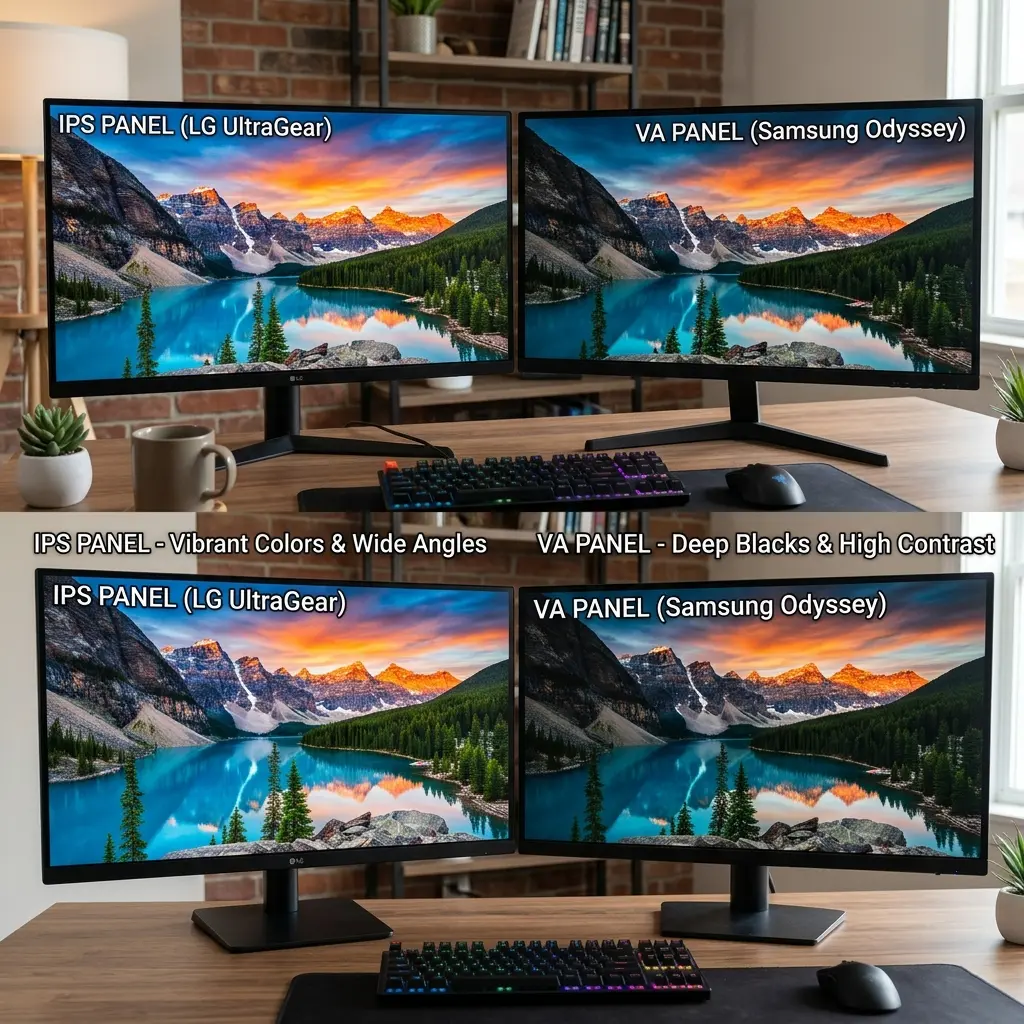
Color accuracy is a crucial factor when evaluating display technologies, especially for professional applications like graphic design and video editing.
OLED displays generally offer superior color accuracy due to their ability to produce true blacks and a wider range of colors, which provides a more immersive viewing experience.
On the other hand, QLED monitors utilize quantum dots to enhance color reproduction, achieving impressive brightness levels and a broader color spectrum in well-lit environments.
Ultimately, the choice between OLED and QLED for color accuracy may depend on specific use cases and lighting conditions, as each technology has its strengths.
Gaming Performance
Gaming performance is a significant consideration for many users, and both OLED and QLED monitors have unique advantages in this area.
OLED displays are known for their fast response times and low input lag, making them an excellent choice for competitive gaming.
However, QLED monitors have made advancements in refresh rates and adaptive sync technologies, offering smooth gameplay experiences as well.
Ultimately, the best choice will depend on the type of games played and whether the user prioritizes response time or refresh rate.
Viewing Angles and Consistency
Viewing angles are another important aspect to consider when comparing OLED and QLED displays.
OLED technology allows for wider viewing angles without significant color distortion, making them ideal for shared viewing experiences.
In contrast, QLED monitors can experience color and brightness loss at extreme angles, which may be a concern in multi-user settings.
Therefore, for scenarios where multiple viewers are present, OLED displays offer a more consistent visual experience across different positions.
Energy Efficiency
Energy efficiency is an increasingly relevant factor in today's environmentally conscious society, affecting both performance and long-term costs.
OLED monitors are typically more energy-efficient when displaying darker images, as individual pixels can turn off completely.
Conversely, QLED displays tend to consume more power in dark scenes because the backlight remains on, but they can be more efficient in bright environments.
Understanding the energy consumption patterns of each technology can aid consumers in making sustainable choices tailored to their usage habits.
Price Comparison and Budget Considerations
The price difference between OLED and QLED monitors can be significant, impacting buyer decisions based on budget constraints.
Generally, OLED monitors are priced higher due to their advanced technology and manufacturing processes, which may deter cost-sensitive consumers.
QLED monitors, while still premium, often provide a more budget-friendly option with various models available at different price points.
Consumers should evaluate their budget alongside their desired features to make an informed decision that balances performance and affordability.
Future-Proofing and Trends
Future-proofing is an essential consideration for technology purchases, as advancements in display technology continue to evolve rapidly.
OLED technology is gaining traction in various applications, including TVs and smartphones, which may indicate a growing prevalence in the market.
QLED technology is also advancing, with improvements in brightness, color accuracy, and overall performance, ensuring it remains competitive.
Staying informed about emerging trends and developments can help consumers choose a display that will remain relevant for years to come.
Environmental Impact and Sustainability
The environmental impact of display technologies is becoming increasingly important for consumers who prioritize sustainability in their purchasing decisions.
OLED displays use organic materials that can be less harmful, but their production processes may still involve toxic substances.
QLED monitors, while utilizing quantum dots that require heavy metals, are often designed for longer lifespans, which can mitigate their overall environmental footprint.
Evaluating the sustainability practices of manufacturers and the environmental policies surrounding each technology can aid consumers in making conscientious choices.
Input Lag and Response Time
Input lag and response time are crucial metrics for assessing display performance, particularly in fast-paced applications like gaming and video editing.
OLED monitors generally offer superior response times due to their ability to turn individual pixels on and off more quickly than QLED displays, which rely on a backlight.
This rapid pixel response translates to less motion blur and a more seamless visual experience, making OLED the preferred choice for competitive gamers.
However, QLED monitors have been improving in this aspect, with many models featuring low input lag, making them suitable for a variety of tasks, albeit not as optimized as OLEDs.
Software and Calibration
Calibration software and tools can significantly impact the performance of both OLED and QLED monitors, ensuring that colors are presented accurately and consistently.
Many high-end QLED displays come with built-in calibration features, allowing users to adjust settings for optimal color accuracy and brightness levels.
On the other hand, OLED monitors may require more manual adjustments or third-party calibration tools to achieve the desired performance, especially in professional settings.
Understanding the calibration capabilities of each technology can help users maximize their investment and tailor the display to their specific needs.
Use Cases and Applications
Different use cases can dictate the choice between OLED and QLED monitors, with specific strengths aligning with user needs.
For creative professionals in fields like graphic design and video production, OLED's superior color accuracy and contrast can enhance workflow and output quality.
Conversely, QLED monitors are often favored in environments where high brightness is necessary, such as well-lit offices or living rooms, thanks to their enhanced luminance capabilities.
Understanding the intended application can guide consumers in selecting the technology that best fits their specific requirements.
Long-Term Performance and Burn-In Issues
Long-term performance is a significant factor when choosing between OLED and QLED, particularly concerning potential image retention or burn-in with OLED panels.
While modern OLED displays incorporate various technologies to mitigate burn-in, such as pixel shifting and screen savers, users still need to be cautious with static images.
QLED panels, on the other hand, do not suffer from burn-in and are more resilient to prolonged display of static content, making them a safer choice for users who require constant image display.
Evaluating long-term performance and the risk of burn-in can be crucial in making an informed decision regarding display technology.
Contrast Ratio and Black Levels
Contrast ratio and black levels are essential for assessing the overall image quality of OLED and QLED monitors.
OLED technology excels in this area, offering true blacks due to the absence of a backlight, resulting in an infinite contrast ratio that enhances depth and detail in images.
In contrast, QLED displays utilize a backlight which can lead to light bleed and less effective black levels, although advancements in local dimming technology have improved their performance in this regard.
For users prioritizing deep blacks and high contrast, OLED remains the superior choice, while QLED may suffice for typical viewing conditions.
Connectivity and Compatibility
Both OLED and QLED monitors offer a range of connectivity options, but there are differences that may influence user preferences. OLED monitors typically include HDMI 2.1 ports, which support higher resolutions and refresh rates, making them ideal for gaming and high-definition video playback.
QLED monitors, on the other hand, may come with a wider variety of ports, including DisplayPort and older HDMI versions, which can be beneficial for users with diverse devices. This versatility can be crucial for professionals who require multiple connections for different equipment.
When considering compatibility, OLED monitors are often optimized for specific platforms, especially those that leverage HDR technology. Users should consider whether their existing devices can fully utilize the capabilities of the chosen display technology.
Lastly, software compatibility is also a factor; while both technologies are generally compatible with most operating systems, specific features may only function optimally on certain platforms. It’s important to research the compatibility of desired features with the user's primary operating system.
Color Management and Calibration
Effective color management is critical for professionals in fields such as graphic design and photography. OLED displays are often praised for their superior color accuracy straight out of the box, allowing for minimal calibration to achieve desired results.
QLED monitors, however, may require more extensive calibration to reach comparable color accuracy. This can be a significant consideration for users who rely on precise color representation for their work.
Many QLED monitors provide built-in calibration tools and software, which can help users achieve optimal performance. This feature can be particularly beneficial for those who may not have the expertise or equipment for manual calibration.
Ultimately, the choice between OLED and QLED may depend on the user's specific needs for color reproduction and the degree of calibration they are willing to undertake. Understanding these nuances can help users make informed decisions regarding their display technology.
Market Trends and User Sentiment
Market trends indicate a growing preference for OLED technology among consumers, particularly in the realm of high-end displays. This shift is often attributed to OLED's superior contrast and black levels, which enhance the overall viewing experience.
However, QLED monitors maintain a strong user base, especially among gamers and those who prioritize brightness for well-lit environments. User reviews often highlight the vibrancy of colors and longevity of QLED displays as significant selling points.
Social media and online forums reflect a divided sentiment, with some users advocating for OLED due to its immersive qualities, while others defend QLED for its versatility and performance in various lighting conditions. This discourse can influence potential buyers' perceptions and decisions.
As both technologies continue to evolve, manufacturers are likely to address user feedback, leading to innovations that could change the landscape of display technology. Staying attuned to these trends can provide valuable insights for prospective buyers.
Accessibility Features and Adaptability
In the realm of display technology, accessibility features are becoming increasingly important for users with diverse needs. OLED and QLED monitors offer various adaptations to enhance usability for individuals with visual impairments. For instance, some displays support high-contrast modes and customizable color settings that can aid users in distinguishing between different elements on the screen.
Moreover, both technologies have begun incorporating voice control and screen reading capabilities, making navigation easier for users who rely on audio feedback. As software updates continue to improve these features, both OLED and QLED manufacturers are likely to prioritize accessibility in their future designs.
Adaptability is another crucial aspect, especially for professional environments that require diverse use cases. OLED monitors, with their superior black levels and color accuracy, are often favored in fields like graphic design and video editing. Conversely, QLED monitors, known for their brightness and vivid colors, are typically preferred in environments with high ambient light.
Ultimately, the choice between OLED and QLED should consider not only the display's technical specifications but also how well it can accommodate the specific needs of its users. As technology evolves, ongoing enhancements in accessibility will likely shape the landscape of monitor design.
Consumer Behavior and Market Influence
Consumer behavior significantly impacts the development and marketing of display technologies like OLED and QLED. Trends in purchasing decisions often reflect broader societal movements, such as the increasing demand for high-quality home entertainment systems. As more consumers become aware of the differences between display technologies, their preferences influence manufacturers in terms of innovation and product offerings.
Social media and online reviews play a critical role in shaping consumer perceptions. As users share their experiences with OLED and QLED monitors, potential buyers are more informed about the strengths and weaknesses of each technology. This peer influence is particularly strong in tech-savvy demographics, where recommendations and reviews can sway purchasing decisions.
Additionally, market influence from major players in the technology sector can dictate pricing and availability. Companies like Samsung and LG heavily invest in research and development to ensure their QLED and OLED products meet consumer expectations. Consequently, advancements in one technology can lead to competitive features in the other, driving innovation across the board.
Understanding consumer behavior not only helps manufacturers tailor their products but also informs marketing strategies that target specific demographics. As the market continues to evolve, the interplay between consumer preferences and technological advancements will be a defining factor in the future of OLED and QLED monitors.
Frequently Asked Questions
What is the main advantage of OLED over QLED?
OLED’s primary advantage lies in its ability to produce true blacks and superior color accuracy.
Are QLED monitors better for gaming?
QLED monitors can be better for gaming due to their higher brightness and lack of burn-in issues.
How do OLED monitors handle burn-in?
OLED monitors are susceptible to burn-in if static images are displayed for extended periods, which can degrade the screen over time.
Can QLED monitors achieve HDR?
Yes, QLED monitors can achieve high dynamic range (HDR) due to their brightness capabilities and quantum dot technology.
Which display technology is more energy-efficient?
OLED monitors tend to use less energy, especially when displaying darker images compared to QLED monitors.




