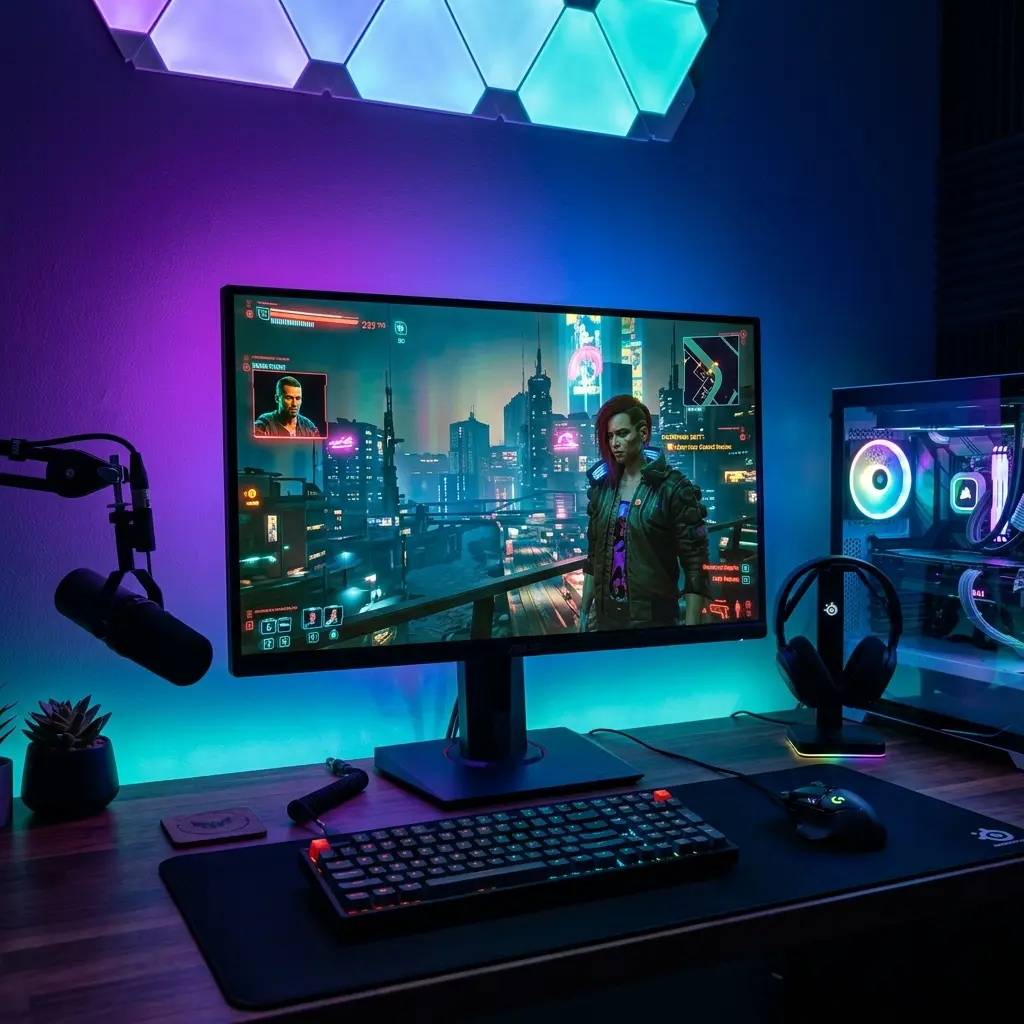
OLED monitor burn-in is a potential issue caused by prolonged display of static images, leading to permanent image retention.
Physical Aspects and Resolution
OLED monitors utilize organic compounds that emit light when an electric current passes through them. This technology allows for superior contrast ratios and vivid colors, with resolutions commonly reaching 4K (3840 x 2160) and beyond.
Performance and Technology
Performance metrics for OLED monitors include fast response times and wider viewing angles, often exceeding 1ms in latency. Brands like LG and Sony leverage advanced OLED technologies to enhance refresh rates, with some models supporting 120Hz or higher.
Ergonomics and Visual Comfort
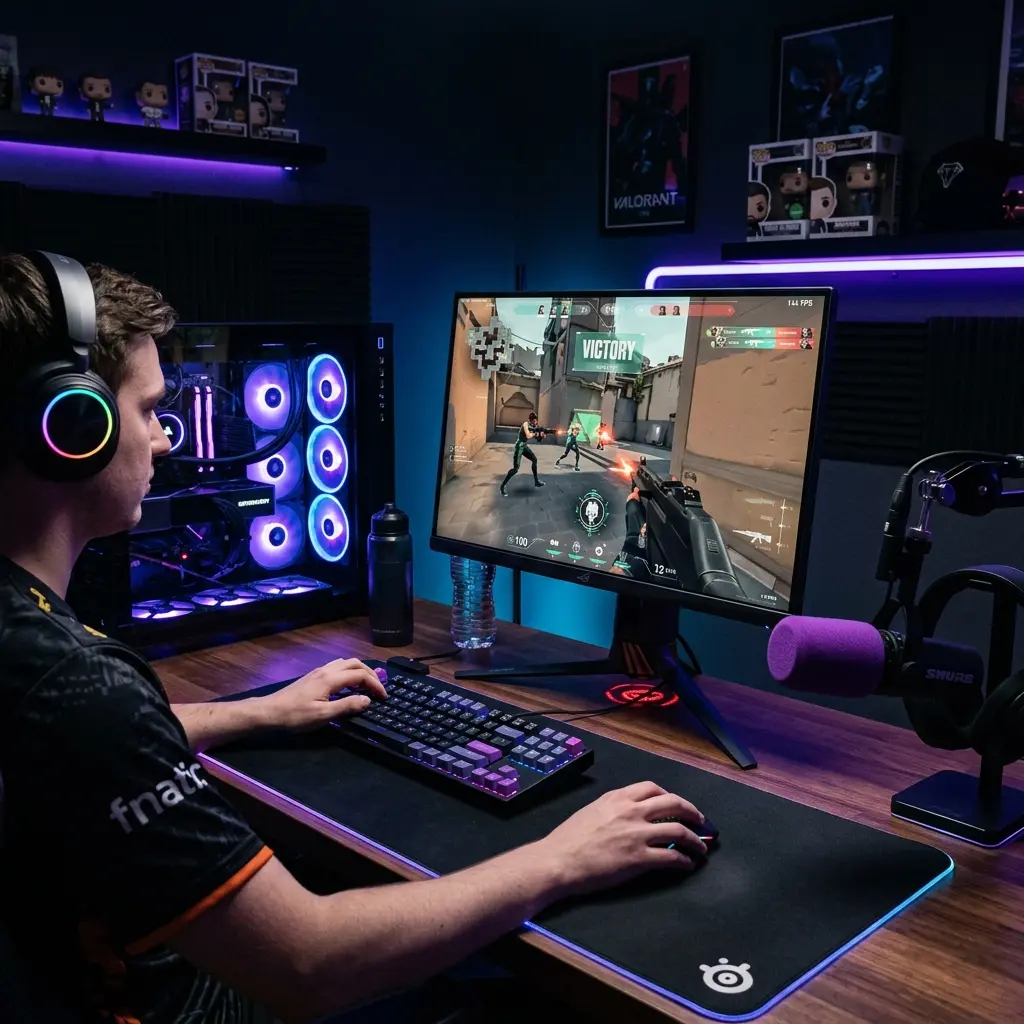
Ergonomic design in OLED monitors often includes adjustable stands and blue light reduction features to minimize eye strain. The capacity to rotate or pivot screens enhances user comfort during extended use.
| Monitor Model | Resolution | Refresh Rate | Response Time | Burn-in Mitigation Features |
|---|---|---|---|---|
| LG OLED48C1 | 3840 x 2160 | 120Hz | 1ms | Pixel Shift, Screen Saver |
| ASUS ROG Swift OLED PG32UQX | 3840 x 2160 | 144Hz | 0.1ms | Burn-in Reduction Mode |
| Samsung Odyssey G9 | 5120 x 1440 | 240Hz | 1ms | Dynamic Contrast Adjustment |
Materials and Durability
OLED panels are made from thin layers of organic materials, making them lightweight yet susceptible to environmental factors. Durability can be enhanced through protective coatings but remains a concern in high-brightness settings.

DomineTec Tip: Regularly utilize screen savers and vary content displayed to minimize risk of burn-in.
Buying Recommendations and Brands
When selecting an OLED monitor, consider brands renowned for quality, such as LG, Sony, and Dell. Look for models equipped with comprehensive burn-in prevention technologies.

- Assess resolution needs based on intended use (gaming, design, etc.).
- Compare refresh rates for suitability in fast-paced environments.
- Investigate built-in features for burn-in prevention.
- Read user reviews to gauge real-world performance and durability.
- Ensure ergonomic design aligns with long-term usage comfort.
Value Analysis and Verdict
The value of OLED monitors is highlighted by their superior color performance and contrast, justifying a higher price point compared to LCDs. However, potential long-term burn-in remains a critical factor for buyers.
Understanding the Science Behind OLED Technology
OLED, or Organic Light Emitting Diode, technology operates on the principle of electroluminescence, where organic compounds emit light in response to electric currents.
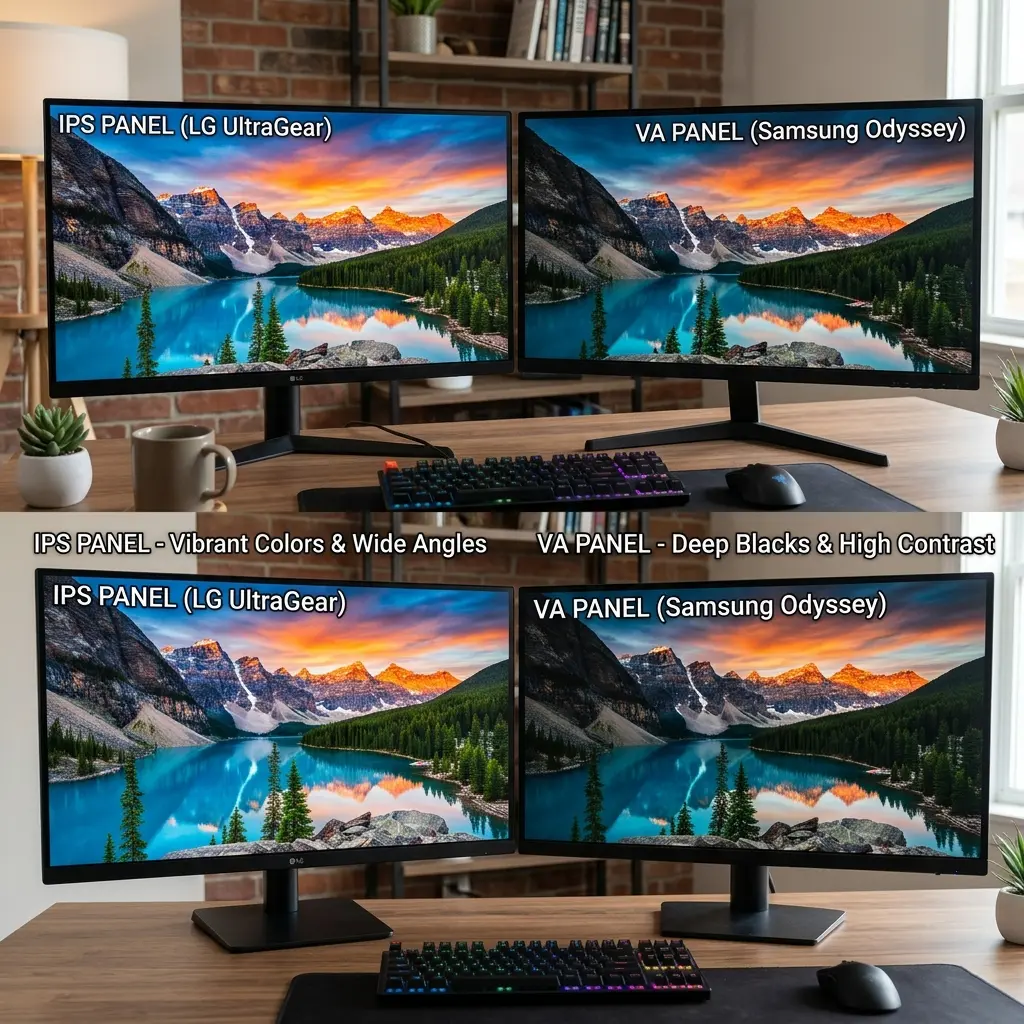
This process allows each pixel to generate its own light, leading to deeper blacks and a wider color gamut compared to traditional LCD displays.
The inherent design of OLED screens, which eliminates the need for a backlight, contributes to their thinness and flexibility.
However, this technology also brings challenges, such as the risk of burn-in, which occurs when static images persist on the screen over time due to uneven wear of the organic compounds.
Common Scenarios Leading to Burn-in
Burn-in can occur in various scenarios, particularly in environments where static images are frequently displayed.
For instance, using an OLED monitor for prolonged periods with fixed elements, such as desktop icons or taskbars, increases the likelihood of image retention.
Streaming services that display logos continuously can also contribute to burn-in, especially during long viewing sessions.
Gaming, where HUD elements remain static for extended gameplay, is another common scenario that can lead to permanent image retention on OLED displays.
Monitoring and Managing Brightness Levels
Brightness settings play a critical role in the longevity of OLED displays and the prevention of burn-in.
Using lower brightness levels not only reduces the risk of burn-in but also enhances the overall lifespan of the monitor.
Users should consider utilizing automatic brightness adjustment features that adapt based on ambient lighting conditions.
Regularly adjusting brightness according to usage patterns can further mitigate the risk of uneven wear across pixels.
Utilizing Built-in Features for Burn-in Prevention
Many OLED monitors come equipped with built-in features designed to minimize the risk of burn-in.
Screen savers and pixel shifting options can help reduce the probability of static images causing damage over time.
Additionally, some manufacturers include features that automatically cycle colors or display dynamic content when the monitor is idle.
Taking advantage of these features can significantly enhance the longevity of the display and reduce the chances of permanent image retention.
Impact of Ambient Conditions on OLED Performance
The environment in which an OLED monitor is used can also influence its performance and susceptibility to burn-in.
Excessive heat, moisture, or direct sunlight can adversely affect the organic materials within OLED panels, leading to faster degradation.
Maintaining a stable temperature and humidity level is crucial for preserving the integrity of the display over time.
Users should also consider placing monitors in locations that avoid direct light exposure to prevent hotspots that can lead to uneven wear.
Comparative Analysis with Other Display Technologies
When discussing burn-in, it is essential to compare OLED technology with other display types, such as LCD and QLED.
Unlike OLED, LCDs rely on backlighting and do not exhibit the same risk of burn-in, making them more suitable for static content viewing.
QLED displays, while offering vibrant colors and high brightness levels, also lack the same deep blacks that OLED provides, influencing user preferences.
Understanding these differences can help consumers make informed choices based on their usage patterns and requirements.
Future Developments in OLED Technology
The future of OLED technology is promising, with ongoing research focused on enhancing durability and reducing the risk of burn-in.
Innovations such as improved organic compounds and protective layers aim to extend the lifespan of OLED displays significantly.
Additionally, advancements in software algorithms that manage pixel usage are being developed to further mitigate burn-in risks.
As the technology evolves, users can expect more robust solutions that balance performance with longevity, making OLED a more appealing choice for various applications.
Understanding User Habits and Usage Patterns
Understanding user habits is crucial for mitigating OLED monitor burn-in. Users often engage in activities that may lead to static images being displayed for extended periods, increasing the risk of permanent image retention.
For instance, those who use their monitors for gaming or as digital signage may inadvertently keep high-contrast images on screen for too long. Regularly changing content or employing screen savers can help distribute pixel usage more evenly.
Additionally, users should consider their viewing habits, such as the types of applications they use most frequently. Applications with static UI elements, like spreadsheets or web browsers, can contribute to burn-in if not managed properly.
By maintaining awareness of daily usage patterns, users can adopt preventive measures that significantly reduce the likelihood of burn-in over time.
Education and Awareness Programs
Education plays a pivotal role in preventing OLED burn-in. Many users are unaware of the risks associated with OLED technology and the best practices for maintaining their monitors.
Manufacturers and retailers can implement educational programs to inform customers about burn-in and its prevention. Workshops, online tutorials, and informative packaging can effectively raise awareness.
Furthermore, online forums and communities serve as valuable resources for sharing experiences and tips. Engaging with other OLED users can enhance understanding and foster a culture of responsible usage.
By prioritizing education, users can make informed decisions that extend the lifespan of their OLED monitors.
Technological Innovations in Burn-in Prevention
Technological advancements continue to play a significant role in addressing OLED burn-in concerns. Manufacturers are investing in new algorithms and software solutions designed to minimize the risk of image retention.
One innovative approach is the implementation of pixel shifting, which subtly shifts the entire image on the screen periodically. This technique helps to reduce the impact of static images by ensuring that pixels age more uniformly.
Additionally, advanced calibration tools are being developed to help users optimize their display settings. These tools can analyze usage patterns and recommend adjustments that enhance both performance and longevity.
As these technologies evolve, they promise to make OLED monitors more durable and user-friendly, allowing users to enjoy the benefits of OLED without the constant worry of burn-in.
The Role of Software in Burn-in Management
Software solutions can be an integral part of burn-in management for OLED monitors. Operating systems and applications can be designed with features that promote dynamic content usage, thereby reducing the risk of static images.
For instance, implementing automatic brightness adjustments based on content type can help. When displaying static images, the software could lower brightness levels to minimize the intensity of pixel usage.
Moreover, many modern operating systems now include built-in features that can detect prolonged static content and send notifications to users, prompting them to change the display or activate a screensaver.
By leveraging software capabilities, users can effectively manage their display settings and mitigate burn-in risks without needing extensive technical knowledge.
Understanding the Economic Impact of Burn-in on Users
The economic implications of OLED monitor burn-in extend beyond the initial purchase price. Users must consider potential repair costs or even monitor replacement due to permanent image retention. This financial burden can be significant, particularly for professionals who rely on high-quality displays for productivity.
Additionally, the loss of a monitor due to burn-in can lead to downtime, affecting work efficiency and output. This impact can cascade, resulting in lost revenue and additional costs associated with acquiring a new display or upgrading to a different technology altogether.
Consumers should also assess the long-term value of OLED monitors in relation to their specific usage scenarios. For instance, those who engage in static image work, such as graphic design or gaming, might find the risk of burn-in outweighs the benefits of OLED technology.
Understanding the economic impact of burn-in can guide users in making informed decisions about their display technology, ensuring they choose a solution that aligns with their financial and professional needs.
The Psychological Effects of Burn-in Awareness on Users
Awareness of burn-in can induce anxiety among OLED monitor users, particularly those who utilize their displays for long periods. This psychological effect may lead to over-cautious behavior, impacting the overall user experience and enjoyment of the monitor.
Users may develop habits such as frequently changing screen content or avoiding static images altogether, which can detract from the immersive experience that OLED technology typically provides. This constant vigilance can create a tension between maximizing display quality and preventing burn-in.
Moreover, the fear of potential burn-in can deter some users from fully utilizing their monitor's capabilities, leading to underutilization of features designed to enhance the viewing experience. This psychological barrier can diminish the perceived value of owning an OLED display.
Addressing the psychological effects of burn-in awareness is crucial for building user confidence in OLED technology, emphasizing that while precautions are necessary, the benefits of OLED can still be fully realized.
Community Engagement and User Feedback on Burn-in Experiences
Engagement within user communities can provide valuable insights into real-world experiences with OLED monitor burn-in. Forums and social media platforms serve as platforms for sharing both positive and negative experiences, helping to demystify the phenomenon for potential buyers.
User feedback can highlight common usage patterns that contribute to burn-in, offering practical advice on how to minimize risks. This shared knowledge fosters a sense of community, making users feel supported and informed about the technology they are using.
Additionally, manufacturers can benefit from community engagement by gaining direct insights into user concerns and preferences regarding burn-in prevention. This feedback loop can drive product improvements and the development of more effective preventive measures.
Ultimately, fostering a dialogue between users and manufacturers can enhance the overall experience of OLED technology, ensuring that the community remains informed and empowered to make the most of their displays while minimizing burn-in risks.
Long-Term Care Strategies for OLED Monitors
Implementing long-term care strategies can significantly extend the lifespan of OLED monitors and minimize the risk of burn-in. Regular maintenance routines, such as periodic cleaning and calibration, can enhance overall performance and longevity. Users should also be educated on the importance of utilizing appropriate display settings that align with their usage patterns.
Another effective strategy involves utilizing screensavers and automatic display shut-off features. Users should configure their monitors to enter low-power modes or turn off after a set period of inactivity. This practice not only reduces the risk of burn-in but also contributes to overall energy savings.
Routine updates of the monitor's firmware can also play a critical role in performance optimization. Manufacturers often release updates that include enhancements to screen management features, which can further mitigate the risks associated with static images. Staying informed about these updates can aid users in maintaining optimal screen health.
Engaging with community forums and support groups can provide users with valuable insights and shared experiences regarding OLED monitor care. This dialogue fosters an environment of shared knowledge, enabling users to adopt best practices for maintaining their devices and preventing burn-in.
Understanding Warranty Policies and Burn-in Coverage
When purchasing an OLED monitor, understanding warranty policies is essential, particularly concerning burn-in coverage. Many manufacturers provide specific terms and conditions regarding burn-in, which can vary significantly between brands. Users should thoroughly review these policies to know what protections are available.
Some warranties may explicitly state that burn-in is not covered, while others could offer limited coverage under certain conditions. Users are encouraged to clarify these details with the retailer or manufacturer prior to purchasing to avoid potential financial losses due to burn-in damage.
Additionally, consumers should consider the implications of extended warranties or protection plans. While these options may come with an added cost, they can provide peace of mind and additional coverage against burn-in issues that may arise over time. Evaluating the cost-benefit ratio of such plans is crucial for informed decision-making.
Ultimately, staying informed about warranty policies and understanding the extent of burn-in coverage can empower users to make better choices. This knowledge not only helps in selecting a monitor that fits their needs but also ensures they are prepared for any potential issues related to burn-in.
Frequently Asked Questions
What causes burn-in on OLED monitors?
Burn-in occurs due to uneven wear on the organic compounds in OLED screens, often from static images displayed for extended periods.
Can burn-in be fixed?
While some methods, like pixel refresh, may reduce the visibility of burn-in, complete restoration is often not possible.
How can burn-in be prevented?
Using screen savers, varying content, and adjusting brightness levels can significantly mitigate the risk of burn-in.
Are all OLED monitors prone to burn-in?
All OLED monitors face some level of burn-in risk, but newer models feature advanced technologies to reduce this likelihood.
Is OLED worth the investment despite burn-in risk?
For users seeking exceptional color accuracy and contrast, the benefits of OLED often outweigh the potential for burn-in.




