Monitors with Adjustable Height and Pivot Stand: Are They Worth It?
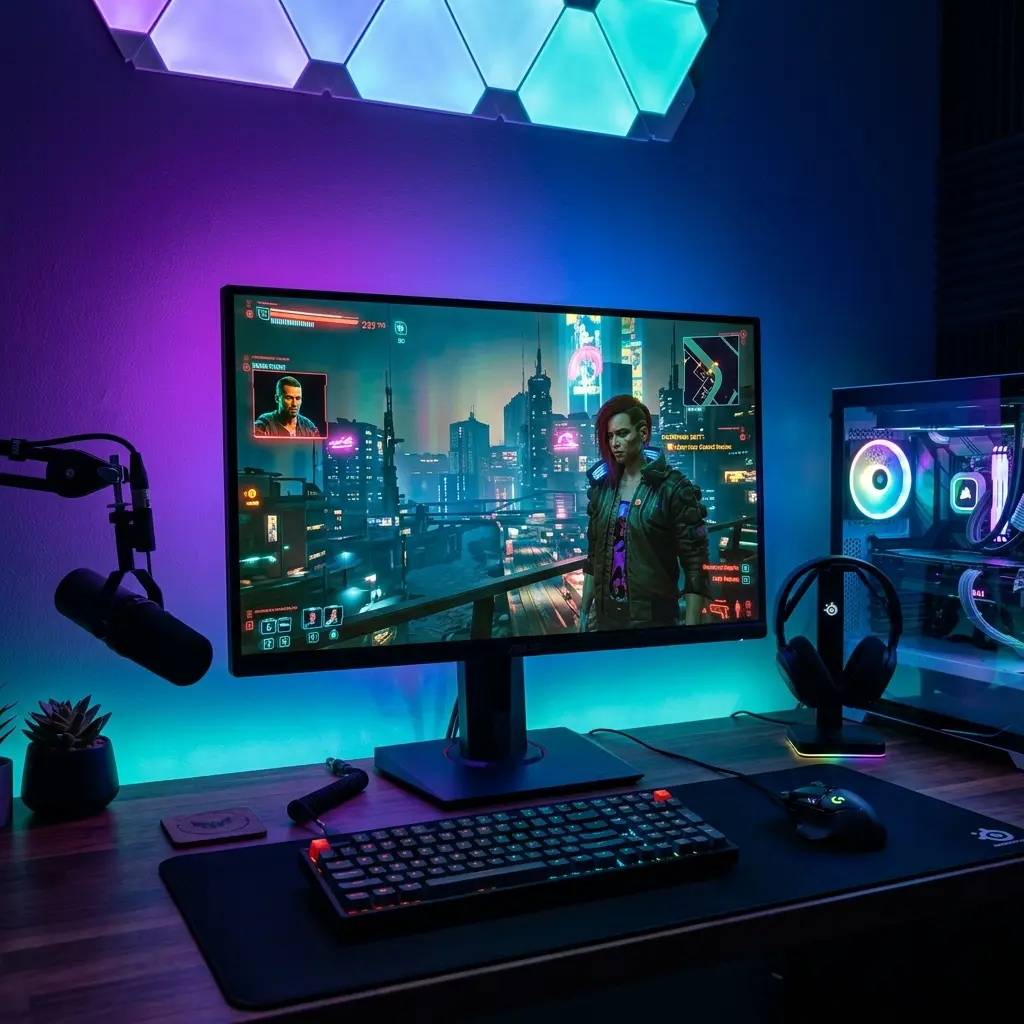
Monitors with adjustable height and pivot stands enhance ergonomics and viewing comfort, proving to be a worthwhile investment.
Physical Aspects and Resolution
Adjustable monitors typically feature VESA-compatible mounts, allowing for various height and angle adjustments. Common resolutions range from Full HD (1920x1080) to 4K (3840x2160), catering to diverse user needs.
Performance and Technology
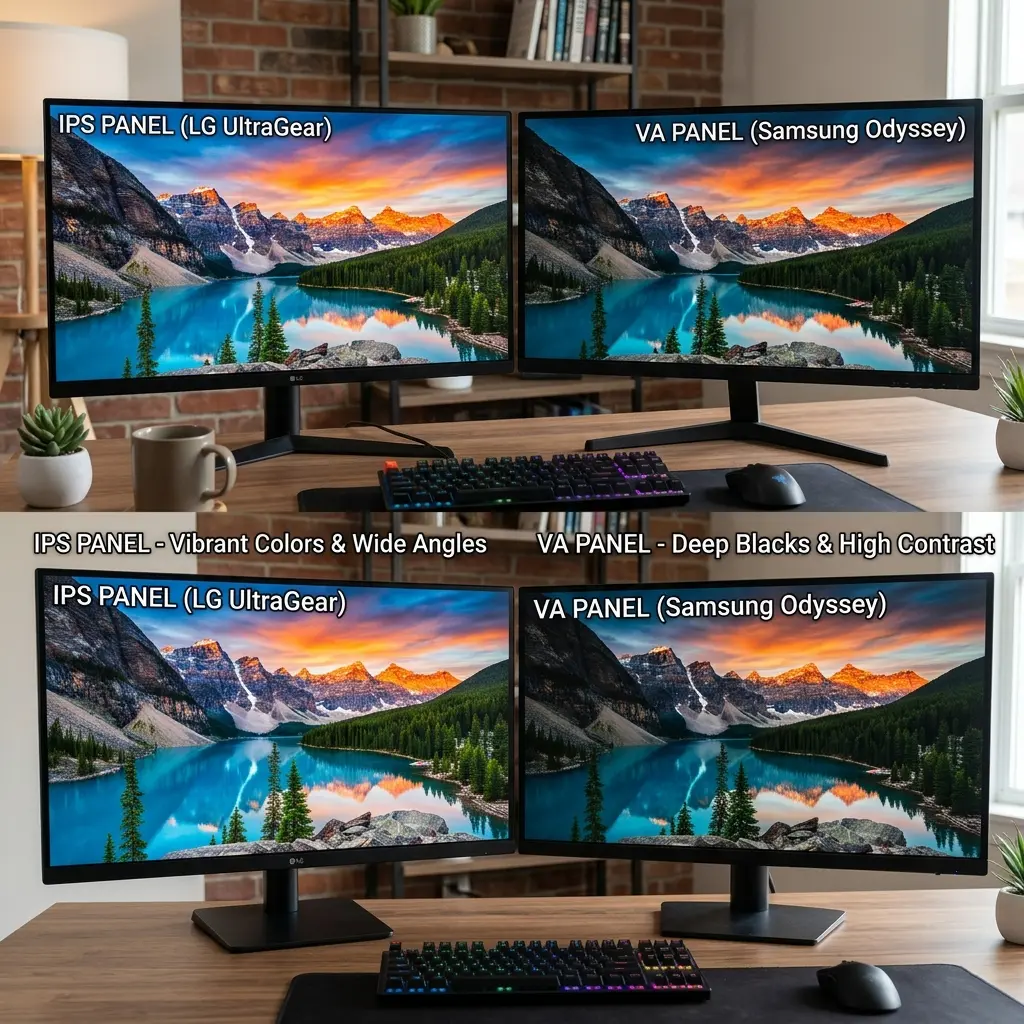
These monitors often utilize panel technologies such as IPS or VA, providing superior color accuracy and contrast ratios. Refresh rates can vary significantly, with competitive gaming models offering up to 240Hz for smoother visuals.
Ergonomics and Visual Comfort
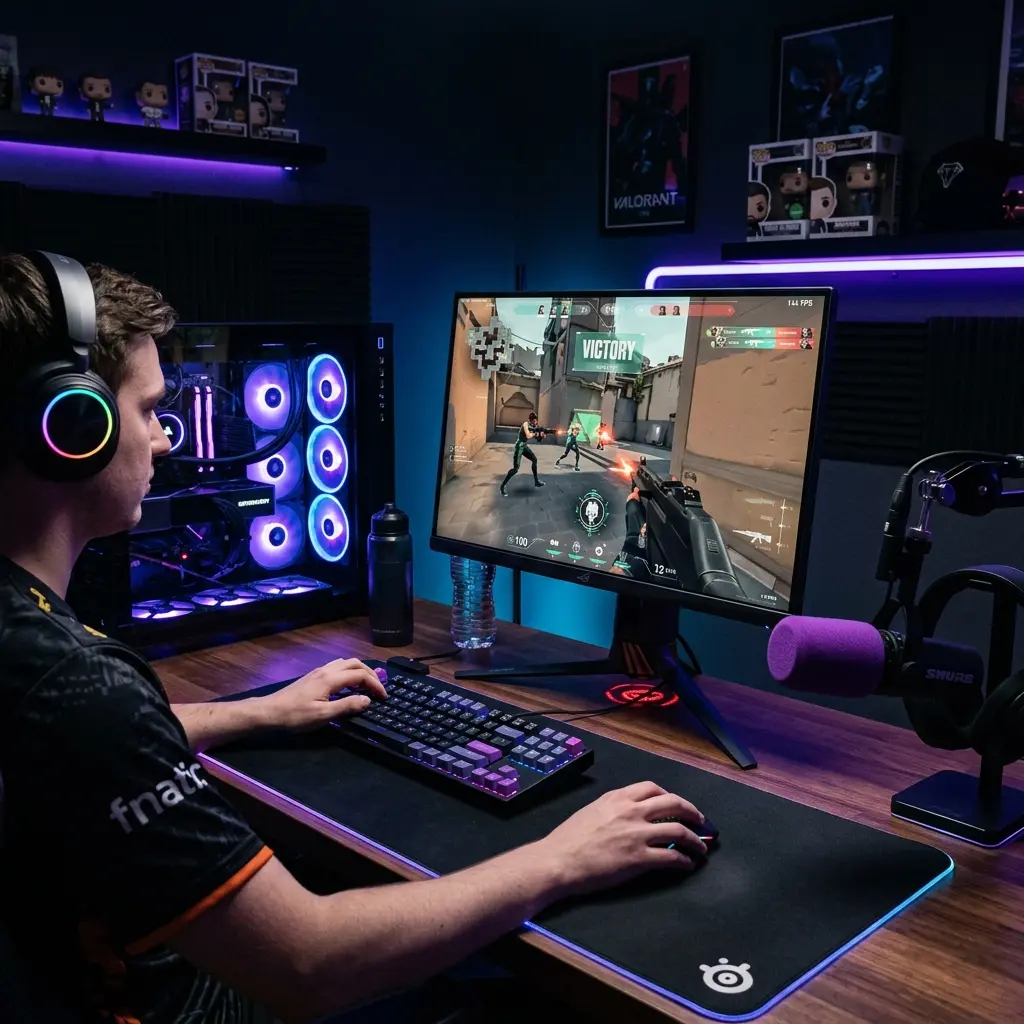
Proper monitor height reduces neck strain and promotes better posture, aligning the screen with eye level. Pivot stands enable easy rotation, accommodating various viewing preferences and reducing glare.
| Model | Screen Size | Resolution | Panel Type | Height Adjustment | Price |
|---|---|---|---|---|---|
| LG UltraGear 27GN950-B | 27" | 3840x2160 | IPS | 130mm | $799 |
| Dell P2720DC | 27" | 2560x1440 | IPS | 150mm | $499 |
| Acer R240HY | 24" | 1920x1080 | IPS | 110mm | $149 |
Materials and Durability
High-quality monitors are often made from durable plastics and metals, ensuring longevity and resistance to wear. Glass bezels are common, providing a premium feel while enhancing display clarity.
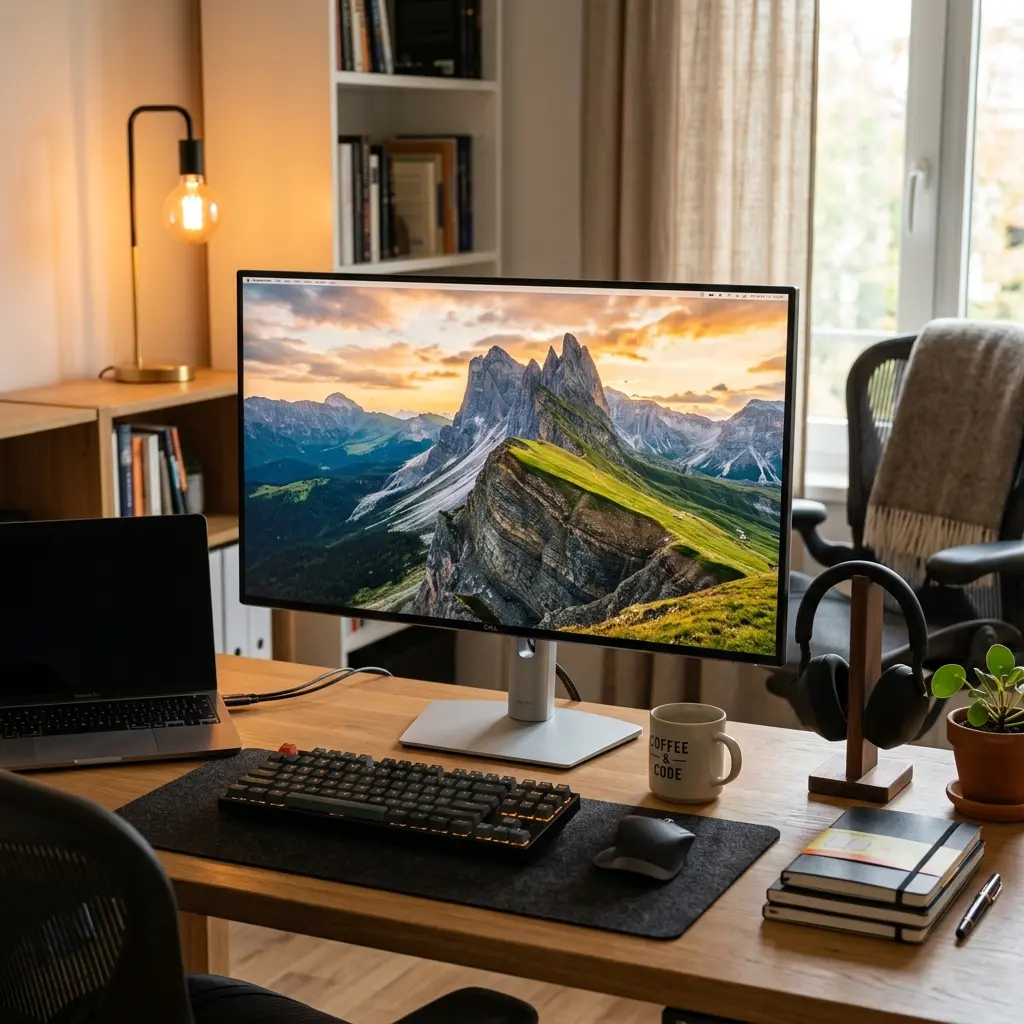
DomineTec Tip: Utilize a monitor riser to maintain optimal eye level, reducing strain during prolonged sessions.
Buying Recommendations and Brands
Leading brands such as Dell, LG, and ASUS consistently deliver quality adjustable monitors with good warranties. Each brand offers models tailored to specific needs, from gaming to professional design work.
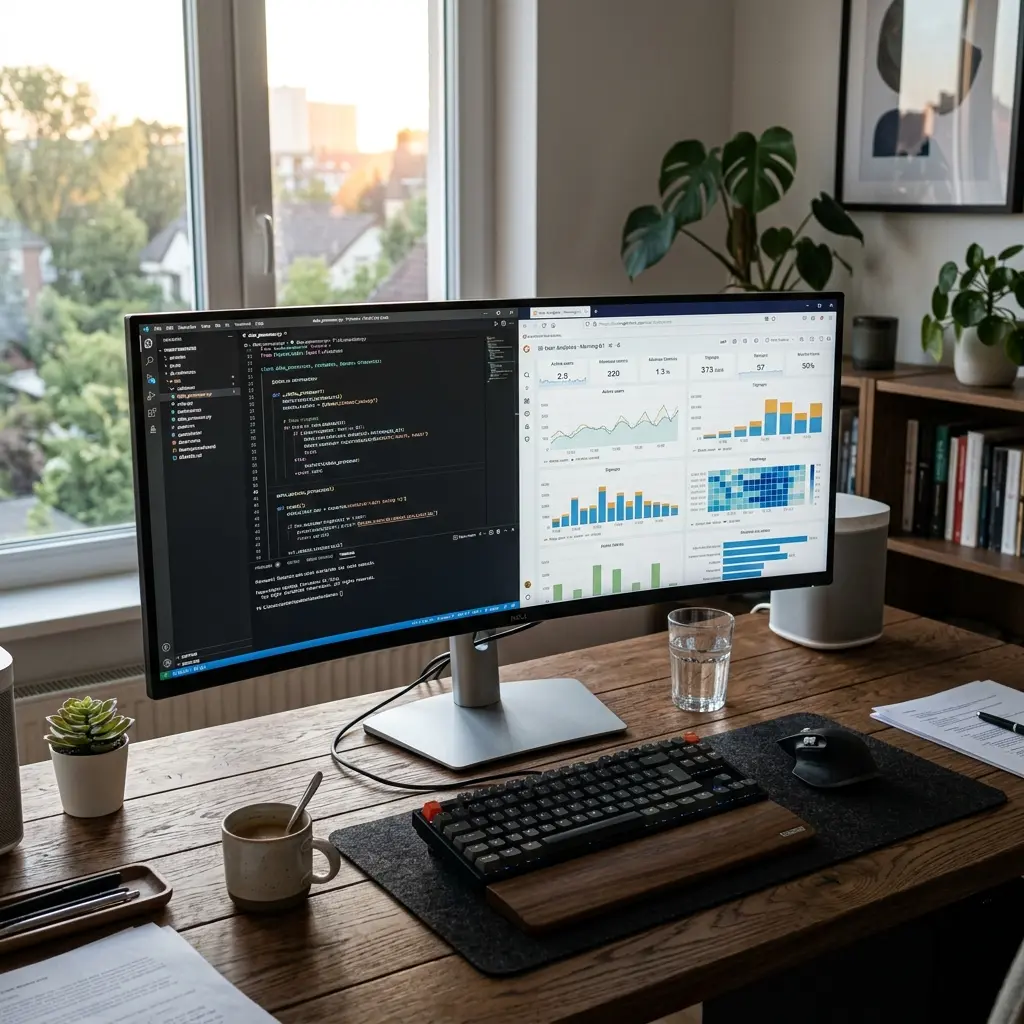
- Assess the usage requirements: gaming, professional work, or general usage.
- Determine the preferred resolution and screen size for the workspace.
- Check for VESA compatibility for potential mount options.
- Investigate panel types for color accuracy and viewing angles.
- Consider ergonomics: height, tilt, and swivel capabilities.
Value Analysis and Verdict
Investing in a monitor with adjustable height and pivot stands often results in improved productivity and comfort. The long-term health benefits and enhanced viewing experiences justify the added cost for many users.
Impact on Productivity and Workflow
Monitors with adjustable height and pivot stands can significantly enhance productivity by allowing users to customize their workspace ergonomically.
Research indicates that ergonomic setups not only reduce discomfort but also improve focus and efficiency during long hours of work.
By enabling optimal viewing angles, these monitors help minimize distractions, which can lead to more streamlined workflows.
Additionally, the ability to pivot screens can facilitate multitasking, allowing users to view multiple documents or applications side by side with ease.
Compatibility with Other Devices
When considering adjustable monitors, compatibility with existing hardware is crucial for a seamless user experience.
Most modern monitors feature multiple input options such as HDMI, DisplayPort, and USB-C, making them versatile for various devices.
Users should check compatibility with their graphics cards and laptops to ensure optimal performance and resolution.
Furthermore, some monitors offer daisy-chaining capabilities, allowing multiple displays to be connected without cluttering the workspace.
Environmental Considerations and Energy Efficiency
Energy efficiency is becoming increasingly important in monitor design, especially as consumers become more environmentally conscious.
Many adjustable monitors now come with energy-saving features, such as automatic brightness adjustment based on ambient light.
These monitors often comply with energy certification programs like ENERGY STAR, indicating reduced power consumption.
Additionally, manufacturers are exploring sustainable materials and production methods to minimize environmental impact during the lifecycle of the product.
Adjustable Monitors in Gaming and Creative Workflows
Adjustable monitors are particularly beneficial in gaming and creative industries, where precise visual alignment is essential.
Gamers can adjust their monitors for optimal immersion, while designers and video editors benefit from the ability to pivot screens for better color accuracy and detail inspection.
This adaptability allows for a more personalized setup, enhancing both comfort and performance during intense sessions.
Furthermore, the ability to switch between landscape and portrait modes can be a game-changer for developers and graphic artists who require detailed vertical views.
Long-Term Health Benefits
Investing in monitors with adjustable height features can have significant long-term health benefits for users.
Proper alignment reduces the risk of chronic conditions such as neck pain, back pain, and eye strain, which are common among office workers.
Studies show that individuals using adjustable monitors report fewer health-related complaints compared to those with fixed setups.
By promoting better posture and eye health, these monitors contribute to overall well-being in professional environments.
User Experiences and Case Studies
Real-world user experiences can provide valuable insights into the benefits of adjustable monitors in various settings.
Case studies from corporate environments demonstrate increased employee satisfaction and reduced absenteeism due to ergonomic improvements.
Similarly, feedback from gamers highlights enhanced performance and comfort levels during extended gaming sessions.
These experiences underscore the importance of customizable setups in enhancing both productivity and enjoyment across different fields.
Future Trends in Monitor Technology
The future of monitor technology is leaning towards even greater customization and adaptability in design.
Emerging trends include monitors with advanced AI features that automatically adjust settings based on user behavior and preferences.
Additionally, the integration of augmented and virtual reality capabilities is expected to revolutionize how users interact with adjustable monitors.
As technology continues to evolve, the emphasis on ergonomics and user-centric designs will likely shape the next generation of monitors.
Maintenance and Care for Adjustable Monitors
Regular maintenance is essential to ensure the longevity and optimal performance of adjustable monitors. Dust and grime can accumulate over time, affecting the clarity of the display and the functionality of the height adjustment mechanism.
Cleaning the screen with appropriate materials can prevent scratches and maintain visual quality. It is recommended to use microfiber cloths and specialized screen cleaners to avoid damage.
Additionally, checking and tightening the screws and joints periodically can help maintain stability. Loose components might lead to sagging or wobbling, undermining the benefits of an adjustable stand.
Proper cable management is also important to avoid tangling or damage to connections. Organizing cables not only enhances aesthetics but can prevent accidental disconnections during height adjustments.
Impact of Adjustable Stands on Real Estate and Desk Space
Adjustable monitors can significantly influence the real estate of a workstation. The ability to change the height and angle allows users to optimize their desk layout, potentially freeing up space for other essential equipment.
This flexibility might enable a more organized setup, as users can position the monitor in a manner that minimizes clutter. A well-arranged desk can lead to increased focus and efficiency during work hours.
Moreover, the vertical real estate provided by adjustable monitors can enhance multitasking capabilities. Users can stack windows vertically, making it easier to reference multiple documents or applications without constantly switching tabs.
However, it is essential to consider the overall dimensions of the monitor and the stand. Some designs may require more desk depth, which could limit usability in smaller workspaces.
Adjustable Monitors in Educational Settings
In educational environments, adjustable monitors can play a crucial role in enhancing learning experiences. They allow for flexible positioning, accommodating diverse learning styles and preferences among students.
Teachers can adjust monitors to better engage students, whether by changing the height for group discussions or pivoting the screen for presentations. This adaptability can foster a more inclusive learning atmosphere.
Furthermore, adjustable monitors can aid in reducing strain during long hours of study. Students can easily modify their viewing angles, which can promote better posture and focus.
However, educators should provide guidance on proper usage to ensure students are aware of the ergonomic benefits. Training on how to adjust monitors correctly can maximize these advantages in an educational context.
Cost-Benefit Analysis of Adjustable Monitors
When evaluating adjustable monitors, a cost-benefit analysis is essential for potential buyers. The initial investment might be higher than traditional monitors, but the long-term advantages often justify the expense.
Adjustable monitors can enhance user comfort, which translates into improved productivity and reduced healthcare costs related to ergonomic injuries. This factor can be particularly significant in corporate environments.
Additionally, the versatility of adjustable monitors means they can accommodate various users and tasks, making them a more sustainable choice for dynamic workspaces. This adaptability can lead to cost savings over time as fewer devices may be needed.
Consideration of warranty and support services can further influence the cost-benefit equation. Reliable service can mitigate potential repair costs, enhancing the overall value of the investment.
Adjustable Monitors and Remote Work Trends
The rise of remote work has increased the demand for adjustable monitors, as they offer solutions for creating ergonomic home office setups. Flexibility in positioning can help remote workers maintain better posture and comfort during extended working hours.
Adjustable monitors also aid in creating personalized workspaces that can enhance motivation and productivity at home. Users can tailor their setups to meet specific needs, whether it involves standing while working or adjusting the screen for collaborative video calls.
Furthermore, the integration of adjustable monitors into remote work setups can facilitate multitasking. Users can easily switch between different applications and tasks, streamlining their workflow.
As remote work continues to evolve, the importance of adjustable monitors in promoting health and productivity will likely become more pronounced, influencing purchasing decisions for home office equipment.
Integration with Smart Technology
As monitors evolve, their integration with smart technology is becoming increasingly relevant. Adjustable monitors equipped with IoT capabilities can sync with other devices, allowing for seamless workflows and enhanced functionality.
For example, certain models can connect to smart home systems, enabling users to control lighting and other environmental factors directly from their monitor. This not only enhances the user experience but also promotes a more efficient workspace.
Moreover, some monitors come with built-in software that can adjust settings based on the user's habits or preferences. This adaptability can lead to a more personalized experience, catering to specific needs throughout the day.
As the demand for smart technology continues to rise, it is likely that future adjustable monitors will incorporate even more advanced features, further solidifying their place in modern workspaces.
Impact on Aesthetic and Professional Environments
The design of adjustable monitors plays a crucial role in both aesthetic appeal and functionality in professional environments. Sleek, modern designs can enhance the overall look of an office while providing practical benefits.
Adjustable height and pivot capabilities allow users to customize their setup according to their workspace layout, contributing to a clean and organized appearance. This flexibility can be particularly beneficial in collaborative environments where multiple users may share the same space.
Additionally, the aesthetic of adjustable monitors can influence client perceptions. A well-designed workspace with modern equipment can project professionalism and attention to detail, which can be advantageous for businesses in competitive industries.
As companies increasingly focus on creating inviting workspaces, the choice of monitors that combine functionality with design will likely become more pivotal in attracting and retaining talent.
Adjustable Monitors and Accessibility Standards
Adjustable monitors significantly contribute to meeting accessibility standards in various environments. Organizations are increasingly required to comply with regulations such as the Americans with Disabilities Act (ADA), which emphasizes the importance of providing accessible workspaces for individuals with disabilities.
By allowing users to adjust the height and angle of the monitor, these stands can accommodate various physical needs, making it easier for individuals in wheelchairs or with other mobility issues to access their screens comfortably. This adaptability fosters a more inclusive workplace and can enhance overall employee satisfaction and productivity.
Furthermore, adjustable monitors can assist users with visual impairments by enabling optimal positioning for reducing glare and improving line of sight. This feature can be particularly beneficial in educational settings, where students may require specific adjustments to enhance their learning experiences.
Employers who invest in adjustable monitors not only adhere to legal standards but also demonstrate a commitment to diversity and inclusion, positively impacting their workplace culture and employee morale.
Impact of Adjustable Monitors on Learning Environments
In educational settings, adjustable monitors play a crucial role in enhancing learning experiences for both students and educators. The ability to customize screen height and orientation allows instructors to engage more effectively with students, fostering a more interactive learning environment.
For students, especially those in primary and secondary education, adjustable monitors can help cater to different learning styles and physical needs. By allowing students to adjust the monitor to their preferred viewing angle, it can minimize distractions and enhance focus on educational materials.
Additionally, the use of adjustable monitors in classrooms can facilitate collaborative learning. Students can easily pivot their screens to share information with peers or instructors, promoting teamwork and communication skills. This adaptability is particularly valuable in group projects and discussions.
Overall, integrating adjustable monitors into educational environments not only supports a diverse range of learning styles but also prepares students for modern workplaces that increasingly prioritize ergonomic and flexible workspaces.
Frequently Asked Questions
What is the main benefit of an adjustable monitor?
Adjustable monitors enhance comfort by allowing users to customize their viewing angles and heights, reducing the risk of strain.
Are all adjustable monitors VESA compatible?
Not all adjustable monitors are VESA compatible; checking specifications is essential before purchasing mounts or stands.
What is the ideal height for a monitor?
The ideal monitor height aligns the top of the screen with eye level to promote good posture and reduce neck strain.
Do adjustable monitors come with warranties?
Most reputable brands offer warranties ranging from 1 to 3 years, covering manufacturing defects and operational issues.
Can adjustable monitors improve productivity?
Yes, adjustable monitors can significantly enhance productivity by providing a comfortable viewing experience, allowing for longer and more focused work sessions.




