Monitor Wall Mount vs Desk Clamp Arm: Which is Best for Your Setup?
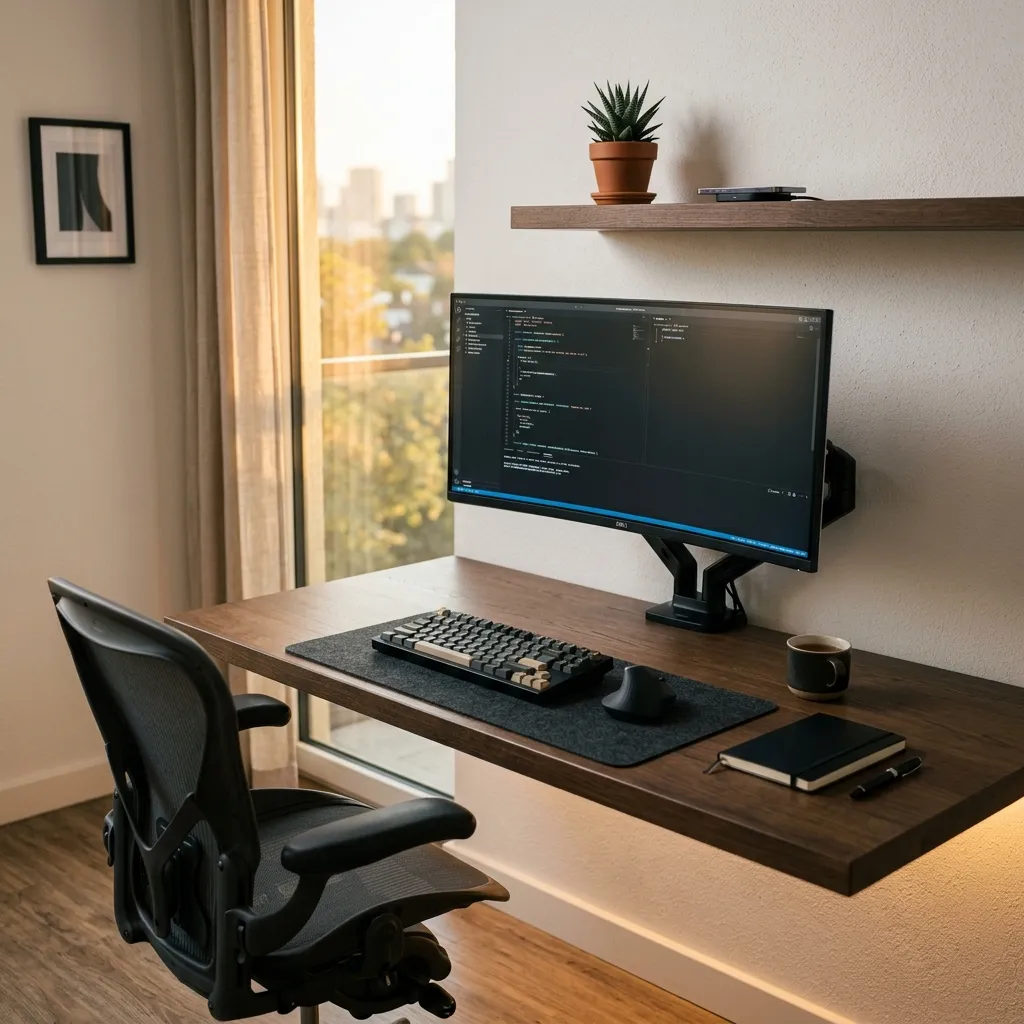
When choosing between a monitor wall mount and a desk clamp arm, consider ergonomics, space efficiency, and adjustability for optimal setup.
Ergonomic Benefits
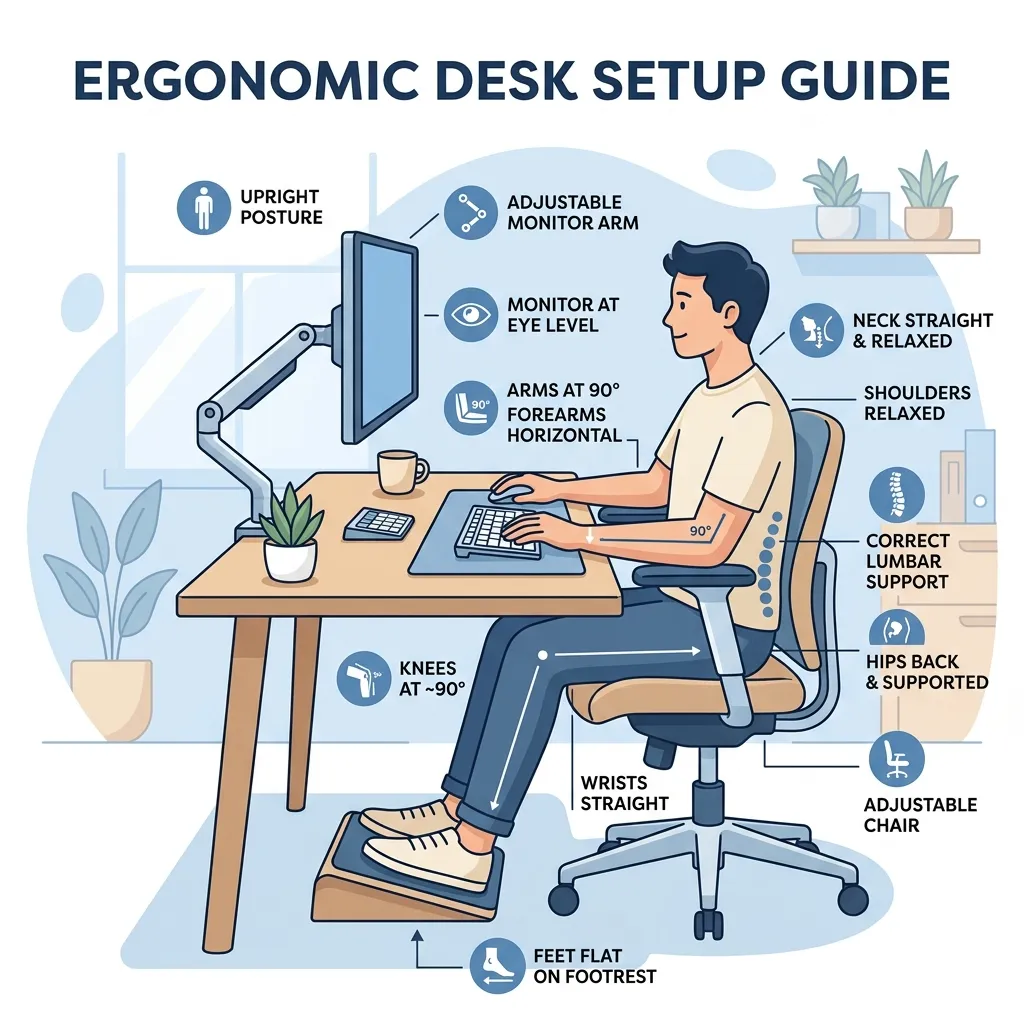
Monitor wall mounts facilitate optimal eye level positioning, reducing neck strain. Desk clamp arms offer flexibility for height and angle adjustments, promoting better posture.
Performance and Adjustability
Wall mounts generally provide a fixed position, suitable for minimal movement. Desk clamp arms allow for easy repositioning, catering to various tasks or collaborative settings.
Material and Build Quality
Wall mounts are often constructed from heavy-duty steel, ensuring durability and stability. Desk clamp arms typically use aluminum or a mix of materials for lightweight yet robust performance.
Design Aesthetics
Wall mounts can create a clean, minimalist look, integrating seamlessly with the wall. Desk clamp arms tend to be more visible, but modern designs can enhance workspace aesthetics.
Space Efficiency
Wall mounts free up desk space, ideal for smaller work areas. Conversely, desk clamp arms require surface area for attachment, potentially limiting available workspace.
| Feature | Monitor Wall Mount | Desk Clamp Arm |
|---|---|---|
| Adjustability | Limited | High |
| Material | Steel | Aluminum/Steel |
| Space Usage | Space-saving | Requires desk space |
| Ergonomics | Fixed position | Versatile positioning |
| Installation | Wall-mounted | Clamp to desk |
DomineTec Tip: Ensure the monitor is at eye level to minimize neck strain and maximize productivity, adjusting the setup as needed.
- Assess the available space and choose the option that best fits your workspace configuration.
- Consider the weight of your monitor; ensure compatibility with the chosen mount or arm.
- Evaluate your ergonomic needs; prioritize adjustability for optimal comfort.
- Check the installation requirements and tools needed for each option.
- Test both setups if possible to determine which aligns better with your work habits.

Cost Analysis
When deciding between a monitor wall mount and a desk clamp arm, cost is a significant factor to consider. Typically, wall mounts are more affordable, with prices ranging from $20 to $100, depending on features and brand.
In contrast, desk clamp arms might start around $50 and can go up to $300 for high-end models. Installation costs can also vary; wall mounts may require additional tools or professional installation, adding to the overall expense.
Desk clamp arms usually offer easier installation, often requiring minimal tools and time. A durable wall mount may outlast a less robust desk clamp, resulting in fewer replacements over time.
Analyzing the total cost of ownership can help users make a more informed decision. A more expensive option may provide better functionality or aesthetic appeal, potentially justifying the higher price tag.
Compatibility with Multiple Monitors
For users with multi-monitor setups, compatibility is crucial when choosing between a wall mount and a desk clamp arm. Some wall mounts are designed to accommodate multiple monitors in a horizontal or vertical arrangement, offering significant flexibility.
Desk clamp arms also come in multi-monitor configurations, allowing users to adjust the angles and heights of each monitor independently. This adjustability can enhance ergonomics and productivity, making it a critical feature for those requiring multiple screens for work or gaming.
When selecting a multi-monitor solution, weight capacity is another key consideration. Both wall mounts and desk clamp arms have specific weight limits, and exceeding these limits can lead to instability or damage.
Users must ensure that both their monitors and the mounting solution are compatible in terms of weight and size. Ultimately, the choice between a wall mount and a desk clamp arm will depend on specific needs and preferences.
Installation and Setup Process
The installation process can significantly influence the choice between a monitor wall mount and a desk clamp arm. Wall mounts typically require wall stud identification, drilling holes, and using anchors for secure attachment.
This process can be time-consuming and may necessitate additional tools or professional help. In contrast, desk clamp arms often feature a more straightforward installation process, usually involving a simple clamping mechanism that attaches to the edge of a desk.
However, it is essential to ensure that the desk can support the weight of the monitor and the arm itself. Users must also check that the desk edge is thick enough to accommodate the clamp securely.
While wall mounts may provide a more permanent solution, the ease of installation associated with desk clamp arms can make them more appealing to users who prefer flexibility and adaptability in their workspaces.
Mobility and Flexibility
Mobility is another essential factor when comparing monitor wall mounts and desk clamp arms. Wall mounts are generally fixed in place, providing limited mobility once installed, which can be advantageous for users who prefer a stable setup.
Desk clamp arms offer considerable flexibility, featuring swiveling and tilting capabilities that allow users to reposition their monitors with ease. This flexibility can enhance user comfort and adaptability throughout the day.
For individuals who frequently shift between tasks or collaborate with others, a mobile solution can significantly improve productivity. Desk clamp arms allow for quick adjustments, making it easier to switch between sitting and standing positions or share screen views with coworkers.
Impact on Desk Space and Organization
Both monitor wall mounts and desk clamp arms can impact desk space and organization, but in different ways. Wall mounts free up valuable desk space by suspending monitors off the surface, beneficial in smaller work areas.
Desk clamp arms, while still saving space, occupy some of the desk's surface area due to their clamping mechanism. However, they can help organize clutter by allowing users to elevate monitors, creating additional space beneath for items like keyboards or document holders.
Effective organization is crucial for maintaining an efficient workspace. Users should consider how each option affects their desk layout and whether it aligns with their organizational goals.
Environmental Considerations
Environmental factors are increasingly relevant in today's consumer market, influencing purchasing decisions for various products, including monitor mounts. Wall mounts typically have a lower environmental footprint due to their simpler design and fewer materials used during production.
They often consist of metal and minimal plastic, making them easier to recycle at the end of their life cycle. Many desk clamp arms are made from a combination of materials, including plastic and metal, which can contribute to a higher overall environmental impact.
Users concerned about sustainability should investigate the materials and production methods used for each product. Additionally, considering the longevity of the chosen mounting solution is essential; more durable products that last longer reduce the need for replacements.
Future-Proofing Your Setup
Future-proofing is an important consideration when investing in a monitor mount. Technology evolves rapidly, and users may need to upgrade their monitors or adjust their setups.
A wall mount may provide a more stable long-term solution, especially if compatible with various VESA standards. Desk clamp arms often offer more flexibility, allowing users to easily switch out monitors or adjust configurations as needed.
When evaluating future-proofing options, users should assess their current and anticipated needs, including potential upgrades in monitor size, weight, or even multiple monitors. Ensuring compatibility with future technology can save time and resources down the line.
Noise and Vibration Dampening
When choosing between a monitor wall mount and a desk clamp arm, it's essential to consider the impact of noise and vibration on your workspace. Wall mounts generally provide a more stable platform, reducing the likelihood of vibrations caused by typing or other movements on the desk.
Desk clamp arms may transmit vibrations more readily due to their connection to the desk, which can lead to a more distracting work environment. Some desk clamp designs incorporate rubber or silicone dampeners to mitigate vibrations, but wall mounts typically outperform them in this regard.
Long-Term Maintenance and Durability
Another critical factor to assess is the long-term maintenance and durability of monitor mounts. Wall mounts often require less maintenance compared to desk clamp arms, which may experience wear over time due to constant adjustments.
Wall mounts are generally fixed in place, minimizing the need for regular maintenance checks, while desk clamp arms can develop loose joints and require periodic tightening. In terms of durability, wall mounts are frequently made from heavier-duty materials designed to withstand prolonged use without sagging or failure.
Choosing a mount with a solid warranty can also provide peace of mind, ensuring that any durability concerns are addressed promptly.
Customization Options
Customization is a significant factor when choosing between a monitor wall mount and a desk clamp arm. Wall mounts often provide a wider range of tilt, swivel, and height adjustments, allowing users to position their screens precisely according to their preferences.
Desk clamp arms typically offer good customization but may be limited by the desk's edge and the arm's range of motion. Users seeking optimal ergonomics and comfort might find wall mounts more advantageous due to their flexibility in positioning.
Additionally, many wall mounts come with features like integrated cable management systems, enhancing the overall organization of the workspace.
Safety and Stability
Safety and stability are crucial considerations when selecting between a monitor wall mount and a desk clamp arm. Wall mounts generally offer superior stability due to their fixed attachment to the wall, providing a secure foundation for heavier monitors.
Desk clamp arms, while designed to hold monitors securely, can sometimes be susceptible to vibrations or accidental bumps, particularly if the desk is not sturdy. This can be a concern for users who work in dynamic environments or share their desk space.
Moreover, wall mounts can reduce the risk of monitor tip-overs, a significant safety advantage in homes with children or pets. The secure installation minimizes the likelihood of accidents, ensuring the monitor remains in place even during minor disturbances.
Best Practices for Cable Management
Cable management is a crucial aspect of setting up both monitor wall mounts and desk clamp arms. Proper organization of cables not only enhances the visual appeal of a workspace but also minimizes the risk of tangling, interference, and accidental disconnections.
For wall-mounted setups, using cable raceways or conduits can help conceal and guide cables along walls. This not only keeps the workspace tidy but also protects cables from damage and reduces wear over time.
When using desk clamp arms, integrated cable management features are often included. Utilizing clips or channels on the arm itself can secure cables close to the mount, preventing them from hanging loosely and getting caught in desk drawers or other equipment.
Adopting color-coded cables or labels can further enhance cable organization, making it easier to identify and troubleshoot connections. Ensuring that all cables are secured properly can prevent accidental disconnections during adjustments or movements of the monitor.
Troubleshooting Connection Issues
Connection issues can arise with both monitor wall mounts and desk clamp arms, particularly when multiple devices are involved. A systematic approach to troubleshooting can help identify and resolve these issues effectively.
Begin by checking all physical connections, ensuring that cables are firmly plugged into both the monitor and the source device. Loose or damaged cables are often the root cause of display issues.
If physical connections are secure, verify the input settings on the monitor. Access the monitor's on-screen display (OSD) and ensure the correct input source is selected, as many monitors have multiple inputs that could lead to confusion.
Additionally, testing with alternative cables or devices can help isolate the problem. If a different cable or device resolves the issue, replacing the faulty component may be necessary to restore functionality.
Signal Integrity and Interference Management
Signal integrity is a critical factor in ensuring that visual data transmitted from a computer to a monitor remains clear and precise, especially in setups that utilize wall mounts or desk clamp arms.
Both mounting solutions can introduce potential electromagnetic interference (EMI) due to proximity to power lines or electronic devices, which can degrade signal quality.
To mitigate this, it is essential to use high-quality, shielded cables that minimize the risk of interference. Techniques such as bundling cables and using ferrite beads can further reduce EMI.
Implementing proper grounding techniques is also vital; all connected devices should share a common ground to prevent ground loops that can introduce noise into the signal.
When troubleshooting signal-related issues, tools like an oscilloscope can be utilized to visualize signal waveforms, helping identify distortion or noise sources.
Additionally, ensuring that the monitor's resolution is supported by the cable type can prevent display issues, as different cables have varying maximum bandwidth capacities.
Using DisplayPort or HDMI extenders can enhance signal strength over longer distances, ensuring that even wall-mounted setups maintain optimal performance without degradation.
Regularly checking for firmware updates for both the monitor and the graphics card can resolve compatibility issues that affect signal integrity, making it a crucial aspect of maintenance.
Advanced Security Features and Data Protection
Security considerations in monitor setups are often overlooked but are essential, especially in environments that handle sensitive information.
Wall mounts and desk clamp arms can be equipped with features such as anti-theft locks, which secure the monitor against unauthorized removal.
Utilizing cable locks provides an additional layer of security by preventing theft of both the monitor and its connected devices.
For more advanced security, consider implementing software solutions that restrict access to connected peripherals, ensuring that data remains protected from unauthorized usage.
Network connected monitors or smart displays should have robust password protections and encryption protocols to safeguard against data breaches.
Regularly auditing network access logs can help identify any unusual behavior or unauthorized access attempts, allowing for timely intervention.
Educating users on best practices for screen privacy, such as using privacy filters, can also protect sensitive information from prying eyes in open office environments.
Incorporating these security measures not only enhances the physical protection of the monitor setup but also fortifies the overall data security framework within the workspace.
Frequently Asked Questions
What is the best height for a monitor mount?
The top of the monitor should be at or slightly below eye level for optimal ergonomics.
Can a wall mount damage my wall?
Proper installation minimizes damage, but using appropriate anchors and screws is critical.
Are desk clamp arms compatible with any desk?
Compatibility depends on desk thickness and material; most clamp arms accommodate standard desk dimensions.
How much weight can a monitor arm hold?
Most desk clamp arms support between 15 to 33 pounds, while wall mounts can support heavier monitors.
Is installation difficult for wall mounts?
Installation difficulty varies; most wall mounts require basic tools and drywall anchors for secure fitting.




