Mesh vs Fabric Office Chairs: Durability and Ergonomic Comparison
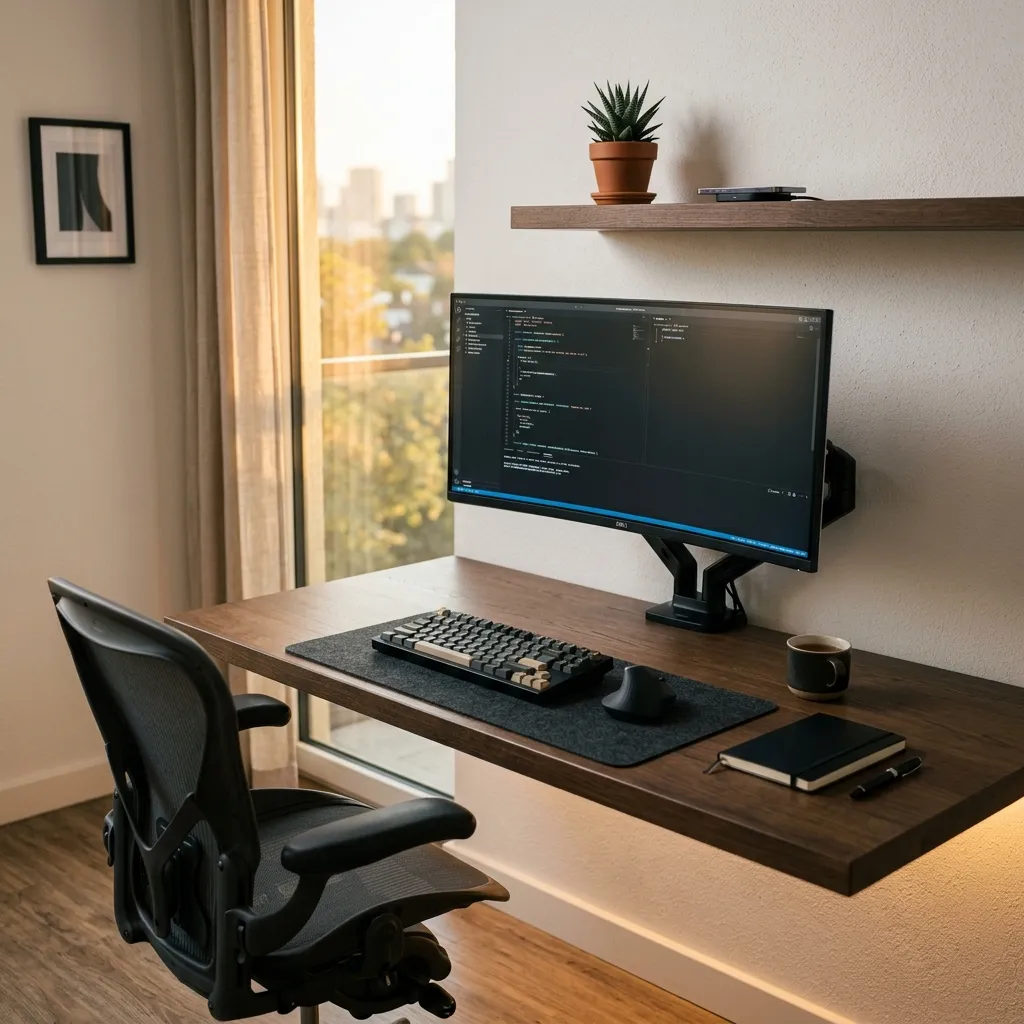
Mesh and fabric office chairs differ significantly in durability and ergonomics, impacting overall user experience.
Ergonomic Design Features
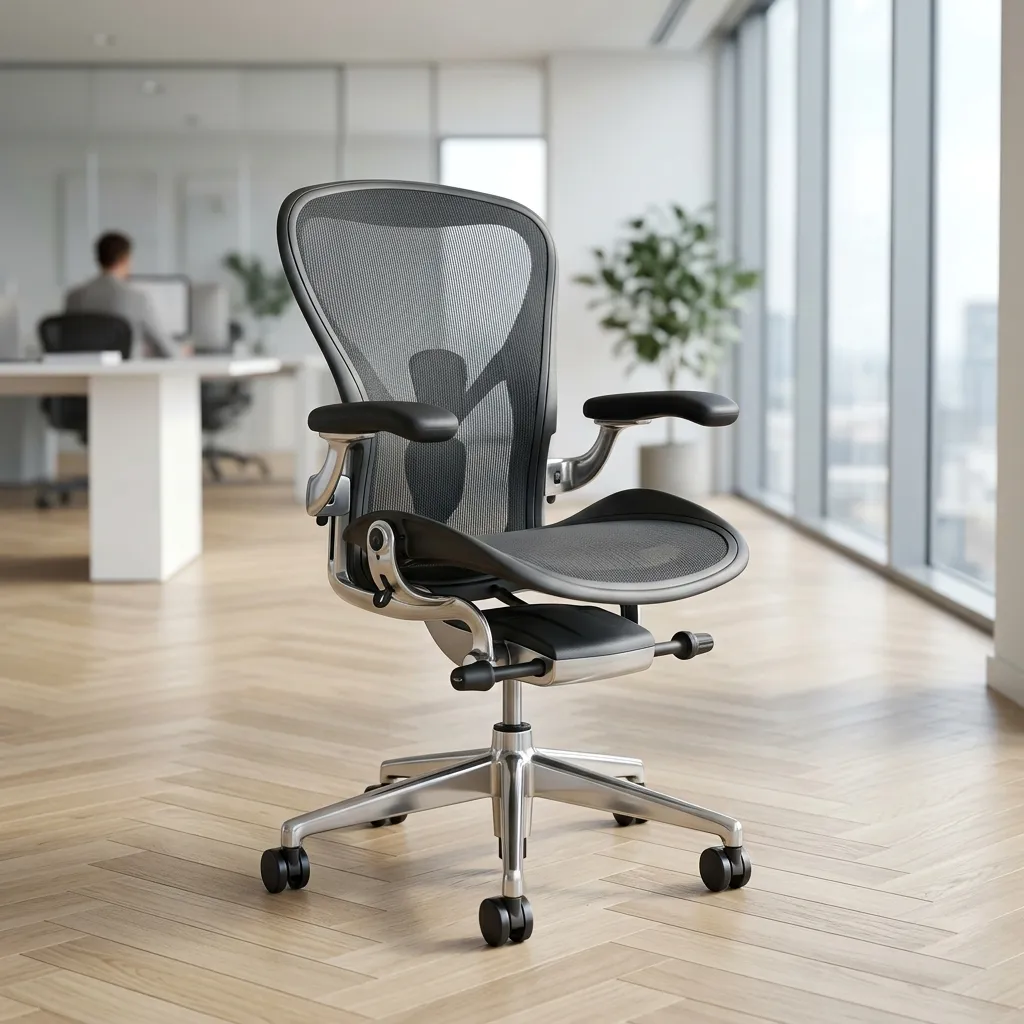
Mesh chairs often provide superior ventilation, promoting airflow and reducing heat buildup during prolonged use. Fabric chairs, while often softer, may retain heat, impacting comfort during long hours.
Durability of Materials
Mesh is made from synthetic materials such as nylon or polyester, offering resilience against wear and tear. In contrast, fabric can vary widely in durability based on its weave and fiber content, with some options being less resistant to stains and fading.
Adjustability and Customization
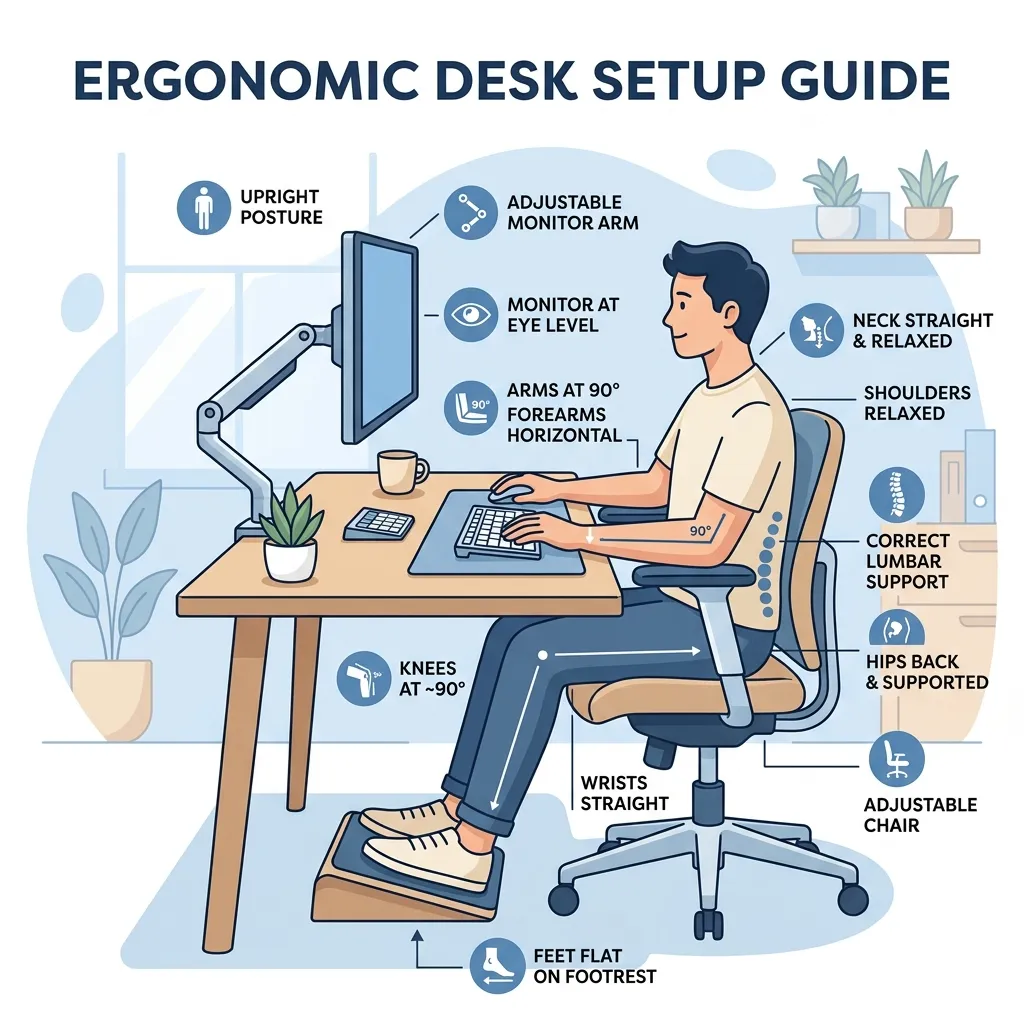
Most ergonomic mesh chairs come with adjustable features, including lumbar support and armrests, enhancing user comfort. Fabric chairs may also offer similar adjustments, but their structural integrity can diminish with repeated use of these features.
Comfort Levels Over Time
Mesh chairs provide consistent support, adapting to body shape without sagging, which can occur in fabric chairs after extensive use. This long-term comfort is critical for maintaining productivity during work hours.
Brand Comparisons
Popular brands such as Herman Miller and Steelcase offer high-quality mesh chairs noted for their ergonomic design. Fabric chairs from brands like Haworth and Humanscale are well-regarded, yet their long-term performance may vary based on fabric choice.
| Feature | Mesh Chairs | Fabric Chairs |
|---|---|---|
| Breathability | High | Moderate |
| Durability | High | Varies |
| Comfort | Consistent | May diminish |
| Cleaning Ease | Easy | Moderate to Difficult |
| Customizability | High | Moderate |
DomineTec Tip: Consider a chair that allows for dynamic movement to enhance circulation and comfort during extended use.
- Assess personal ergonomic needs before selecting a chair.
- Test various models to determine the best fit for body type.
- Evaluate material durability based on expected usage.
- Look for adjustable features to improve comfort.
- Invest in a reputable brand known for quality and customer support.
Maintenance and Care Considerations
Maintaining office chairs is crucial for their longevity and performance. Mesh chairs typically require less maintenance than fabric chairs, as mesh materials are easier to wipe clean and less prone to staining.
In contrast, fabric chairs may require regular vacuuming and occasional deep cleaning to remove dirt and debris that accumulate over time. This added maintenance can influence the overall cost-effectiveness of the chair.
Users should consider the manufacturer's recommendations for cleaning and care, as neglecting maintenance can lead to decreased durability and appearance. Regular checks for loose components or wear can also help prolong the chair's life.
Proper care can enhance the ergonomic features of both chair types, ensuring that adjustments remain functional and that the chair continues to support the user effectively.
Environmental Considerations
As sustainability becomes increasingly important, the environmental impact of office chairs warrants consideration. Mesh chairs often use synthetic materials, which may be less environmentally friendly than natural fabrics.
On the other hand, some fabric chairs are available in eco-friendly materials, such as organic cotton or recycled polyester, offering a more sustainable option for conscious consumers. The production processes of these materials can also vary significantly in their environmental impact.
Additionally, the recyclability of chair materials is a crucial factor. Many mesh chairs can be disassembled and recycled, while fabric chairs may not always offer the same level of recyclability, depending on the materials used.
Consumers should research the environmental practices of manufacturers, focusing on sustainability certifications and the lifecycle of chair materials to make informed purchasing decisions.
Cost Analysis Over Time
While the initial purchase price is often a primary concern, a thorough cost analysis over time can reveal significant differences between mesh and fabric chairs. Mesh chairs tend to have lower maintenance costs due to their easy-to-clean surfaces and durable materials.
Fabric chairs, while potentially cheaper initially, may incur higher ongoing costs related to cleaning and potential replacements due to wear and tear. This can lead to a higher total cost of ownership over the chair's lifespan.
Moreover, warranty periods and customer service can impact overall costs. Longer warranties or better customer service can mitigate potential expenses related to repairs or replacements.
When evaluating cost, consumers should consider both the upfront investment and the long-term expenses associated with maintenance, repairs, and potential replacements to understand the true value of their purchase.
User Experience and Feedback
User experiences and feedback can provide valuable insights into the performance of mesh versus fabric chairs. Online reviews often highlight comfort, durability, and user satisfaction, shedding light on real-world usage.
Many users of mesh chairs report greater breathability and comfort during extended periods of sitting, particularly in warmer environments. However, some individuals may find fabric chairs to offer a cozier feel, especially in cooler climates.
Feedback on adjustability features is also common, with users emphasizing the importance of customizable options that cater to individual ergonomic needs. Reviews can reveal which features users find most beneficial and which may fall short.
Ultimately, gathering user experiences can enhance the decision-making process, providing potential buyers with firsthand knowledge of how each chair type performs in daily use.
Health Implications of Chair Choice
The choice between mesh and fabric chairs can have significant health implications, particularly for individuals who spend long hours sitting. Ergonomically designed chairs are essential for promoting good posture and reducing the risk of musculoskeletal disorders.
Mesh chairs often provide superior lumbar support due to their adjustable features and breathable materials, which can help prevent back pain. Conversely, fabric chairs may offer comfort but can sometimes lack adequate support if not designed properly.
Users with specific health conditions, such as chronic back pain or circulatory issues, may benefit from consulting with healthcare professionals before making a selection. Understanding how each chair type affects posture and circulation can help in choosing the right option.
Additionally, the psychological effects of chair choice should not be overlooked. A comfortable and supportive chair can enhance productivity and overall well-being in the workplace, contributing to a healthier work environment.
Trends in Office Chair Design
Office chair design is continually evolving, with trends influenced by technological advancements and changing workplace dynamics. Recent developments have seen the incorporation of smart technology in chairs, offering features like posture tracking and automated adjustments.
Mesh chairs are often at the forefront of these innovations, with their lightweight designs allowing for easier integration of technology. However, fabric chairs are also adapting, with some manufacturers incorporating smart textiles that enhance comfort and functionality.
Design aesthetics are another important trend, as modern workplaces prioritize style alongside functionality. The choice of materials and colors can significantly impact the overall look and feel of an office space, influencing the decision between mesh and fabric.
Staying informed about emerging trends can aid consumers in selecting chairs that not only meet ergonomic needs but also align with contemporary office design preferences.
Longevity and Warranty Insights
Understanding the longevity of office chairs and the associated warranties is essential for making an informed purchase. Mesh chairs typically come with warranties ranging from five to ten years, reflecting their durability and manufacturer confidence.
Fabric chairs may also offer similar warranty periods; however, the specifics can vary significantly based on the quality of materials used. Consumers should pay attention to warranty coverage, including what it entails regarding wear and tear.
In addition to warranty length, the terms and conditions are crucial. Some manufacturers may cover only specific components, while others may offer comprehensive coverage, including upholstery and frame integrity.
Exploring warranty options can provide peace of mind, ensuring that consumers are protected against defects and premature wear, ultimately contributing to the chair's overall value.
Impact on Productivity and Focus
The choice between mesh and fabric office chairs can significantly influence worker productivity and focus. A comfortable chair reduces distractions, allowing employees to concentrate better on their tasks.
Studies indicate that ergonomic seating arrangements, including appropriate chair types, can enhance cognitive function and reduce fatigue. Both mesh and fabric chairs offer unique benefits that can cater to different work environments and personal preferences.
Mesh chairs tend to provide better airflow, which can keep users cool and focused during long hours. In contrast, fabric chairs may offer a softer feel that some users find more supportive for sustained periods of work.
Ultimately, the choice between mesh and fabric should consider individual work habits and the specific demands of the tasks at hand, as these factors play a vital role in maintaining productivity levels.
Temperature Regulation and Breathability
Temperature regulation is a critical factor for comfort in the workspace, affecting overall user satisfaction. Mesh chairs are designed to allow air circulation, which helps to keep the body cool during extended use.
Conversely, fabric chairs can trap heat, potentially leading to discomfort in warmer environments. However, advancements in fabric technology have led to the creation of breathable materials that can mitigate this issue.
Users in climate-controlled offices may not notice a significant difference, while those in less regulated environments might prefer the breathability of mesh chairs. Choosing the right chair can ultimately contribute to a more comfortable and productive work environment.
Understanding temperature control features can guide users in selecting the chair that best suits their individual needs and workplace conditions.
Long-Term Investment Considerations
Investing in an office chair is a decision that impacts both comfort and financial expenditure over time. While mesh chairs often come with a higher upfront cost, their durability may lead to lower long-term replacement expenses.
Fabric chairs, while typically less expensive initially, may require more frequent replacement due to wear and tear associated with spills, stains, and aging. Therefore, the long-term investment value should be critically evaluated based on usage patterns.
Additionally, mesh chairs are often designed with components that can be easily replaced, enhancing their longevity compared to fabric chairs where entire upholstery may need to be changed.
Ultimately, a thorough analysis of initial costs versus potential long-term expenses can aid consumers in making a more informed decision regarding their office chair purchase.
Material Technology Advancements
Recent advancements in material technology have significantly influenced the performance characteristics of both mesh and fabric office chairs. Innovative materials such as engineered mesh and high-performance fabrics provide enhanced durability while maintaining ergonomic properties, catering to diverse workplace needs.
Mesh chairs often utilize synthetic fibers that offer improved elasticity and resistance to wear, making them ideal for high-usage environments. Conversely, fabric chairs can incorporate moisture-wicking and antimicrobial properties, enhancing user comfort and hygiene over prolonged periods of use.
Impact of Aesthetics on Office Environment
The aesthetic appeal of office chairs, whether mesh or fabric, plays a crucial role in shaping the overall workplace environment. Mesh chairs, with their sleek and modern appearance, can contribute to a contemporary office design, fostering a sense of innovation and creativity.
On the other hand, fabric chairs often offer a broader range of colors and textures, enabling organizations to align their seating choices with branding and interior design themes. Ultimately, the choice between mesh and fabric chairs should consider not only functionality but also how the design complements the overall workspace atmosphere.
Noise Reduction and Acoustic Performance
In modern office environments, noise levels can significantly impact concentration and productivity. Mesh and fabric office chairs exhibit different acoustic properties that can influence the overall office atmosphere. Fabric chairs tend to absorb sound better than mesh chairs, which can help create a quieter workspace.
The dense fibers of fabric materials can dampen noise from movement, while the open structure of mesh can allow sound to travel more freely. In collaborative spaces or open offices, selecting chairs that minimize noise is crucial. Employees can focus better when their chairs do not produce distracting sounds during movement.
Ultimately, the choice between mesh and fabric may depend on the noise dynamics of the workspace. For environments where sound management is vital, fabric chairs could provide a more conducive atmosphere for productivity.
Impact on Mobility and Stability
The mobility and stability of office chairs are essential factors that affect user experience. Both mesh and fabric chairs offer unique characteristics that can influence the ease of movement and support during use. Mesh chairs typically feature a lighter construction, allowing for easier maneuverability across various floor surfaces.
This lightweight design can be advantageous in dynamic office settings where frequent repositioning is necessary. On the other hand, fabric chairs often provide a more substantial build, which can contribute to a feeling of stability. Users may find that the added weight and sturdiness of fabric chairs enhance their sense of security while seated.
Ultimately, the choice between mobility and stability may depend on individual preferences and office requirements. Assessing the specific needs of the workspace can help determine which chair type offers the best balance for users.
Impact of Weight Distribution on Chair Performance
The distribution of weight across an office chair plays a crucial role in its overall performance and comfort. Chairs designed with a focus on weight distribution can significantly reduce pressure points, enhancing user experience during prolonged use. This is particularly relevant for individuals spending long hours at their desks.
Both mesh and fabric chairs exhibit different behaviors in weight distribution due to their construction materials. Mesh chairs typically offer a more uniform distribution, allowing for greater flexibility as the user shifts positions. In contrast, fabric chairs, depending on their cushioning and frame design, may create localized pressure points if not designed with proper ergonomic principles in mind.
Furthermore, the design of the chair base and the seat pan can influence how weight is managed. A well-structured chair will maintain stability while accommodating various body types, ensuring that the seat effectively redistributes weight to prevent discomfort. This aspect is essential for promoting healthy posture and preventing fatigue.
Ultimately, the choice between mesh and fabric chairs should also consider how well each option accommodates diverse body weights and shapes. Proper weight distribution can not only enhance comfort but also extend the longevity of the chair, as it minimizes wear on specific areas over time.
Impact of Chair Aesthetics on Workplace Culture
The aesthetics of office chairs can significantly influence workplace culture and employee morale. A visually appealing chair can enhance the overall office environment, making it more inviting and conducive to productivity. Employees are likely to feel more valued and engaged when their workspace reflects a commitment to comfort and design.
Mesh chairs often contribute a modern, sleek look that aligns with contemporary office trends, while fabric chairs may evoke a sense of warmth and approachability. Each material has its unique visual characteristics, which can subtly affect how employees perceive their workplace. A well-designed office, equipped with stylish chairs, can enhance team dynamics and promote collaboration.
Moreover, the choice of chair aesthetics can also play a role in brand identity. Companies aiming to project innovation and forward-thinking may prefer mesh chairs, whereas those focusing on tradition and comfort may opt for fabric chairs. Aligning chair aesthetics with company values can reinforce an organization's culture and mission.
In addition, the impact of aesthetics extends to client interactions. An office that showcases thoughtfully chosen, high-quality chairs can leave a lasting impression on clients and visitors, reinforcing professionalism and attention to detail. Thus, when selecting office chairs, decision-makers should consider not only functionality but also the aesthetic contribution to the overall workplace atmosphere.
Frequently Asked Questions
What is the lifespan of mesh chairs?
Mesh chairs can last between 7 to 10 years with proper care due to their durable materials.
Are fabric chairs more comfortable than mesh chairs?
Comfort is subjective; while fabric chairs may feel softer initially, mesh chairs often provide better long-term support.
How do I clean a mesh chair?
Mesh chairs can be cleaned with a damp cloth and mild soap, ensuring not to soak the mesh material.




