MDF Desktop Edge Banding: T-Molding, PVC and Chamfer Options Compared
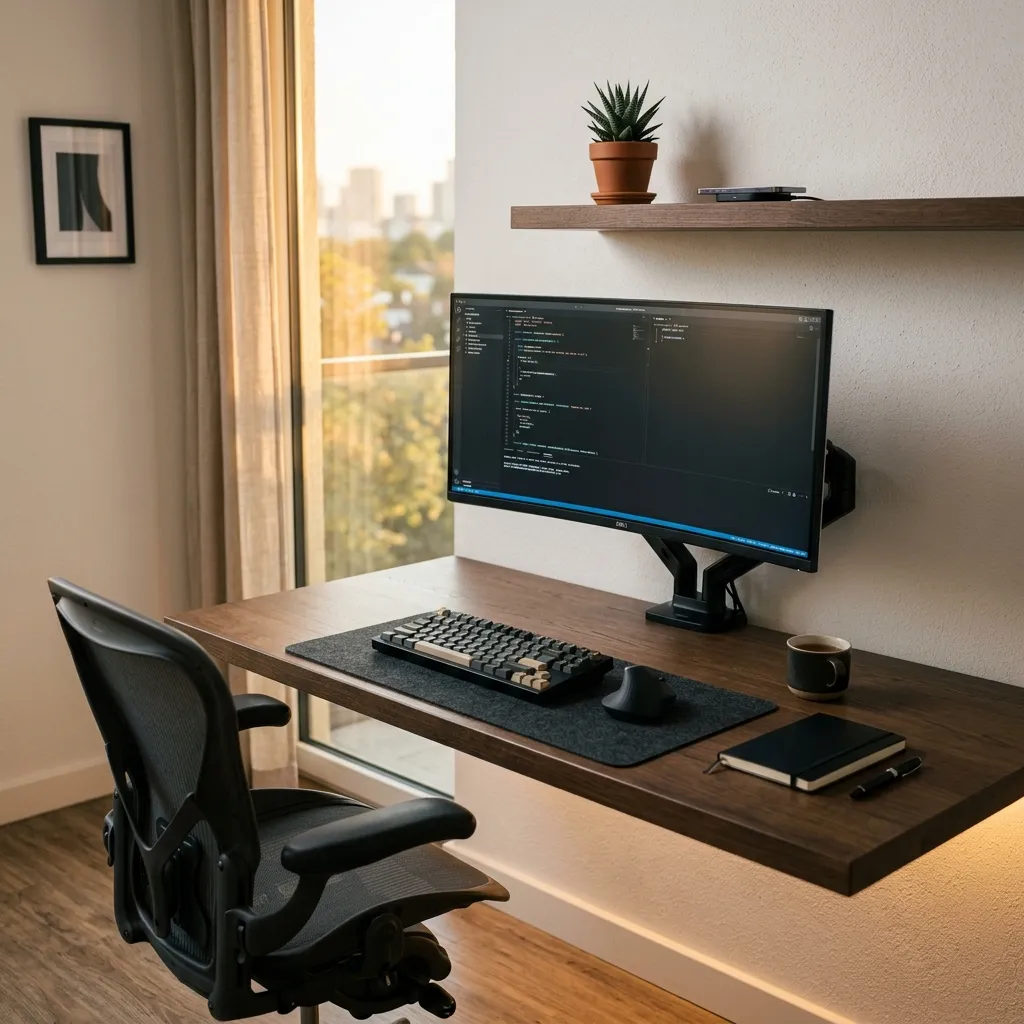
MDF desktops offer several edge banding options, including T-molding, PVC, and chamfer styles, each with distinct advantages.
Understanding Edge Banding Options
Edge banding serves as a protective and aesthetic layer for MDF desktops. T-molding, PVC, and chamfering provide unique finishes that cater to varying user needs.
Performance Comparison
Each edge banding type demonstrates different levels of durability and wear resistance. T-molding typically offers superior impact resistance, while PVC provides better moisture resistance.
Material Specifications
T-molding is made from hard plastic, providing a robust edge, while PVC is a flexible thermoplastic that can easily adapt to curves. Chamfering involves cutting the edges at an angle, offering a sleek look without additional materials.
Ergonomics and User Experience
Edge banding directly influences the ergonomics of a workstation. T-molding may pose a minimal snag risk, while chamfered edges provide a smoother surface for forearms during prolonged use.
Design Aesthetics
The choice of edge banding significantly impacts the overall design of the desk. Chamfered edges create a modern aesthetic, while PVC offers a wider variety of colors and textures.
| Edge Banding Type | Material | Durability | Moisture Resistance | Aesthetic Appeal |
|---|---|---|---|---|
| T-Molding | Hard Plastic | High | Low | Classic |
| PVC | Flexible Thermoplastic | Medium | High | Varied |
| Chamfer | MDF/No Additional Material | Medium | Medium | Modern |
DomineTec Tip: Consider using PVC edge banding in high-moisture environments for enhanced durability and longevity.
- Assess the primary use of the desk to determine edge banding requirements.
- Evaluate the environmental conditions, such as humidity levels.
- Choose a style that complements the overall design of the workspace.
- Consider ease of installation or the need for professional assistance.
- Review budget constraints before making a final decision.
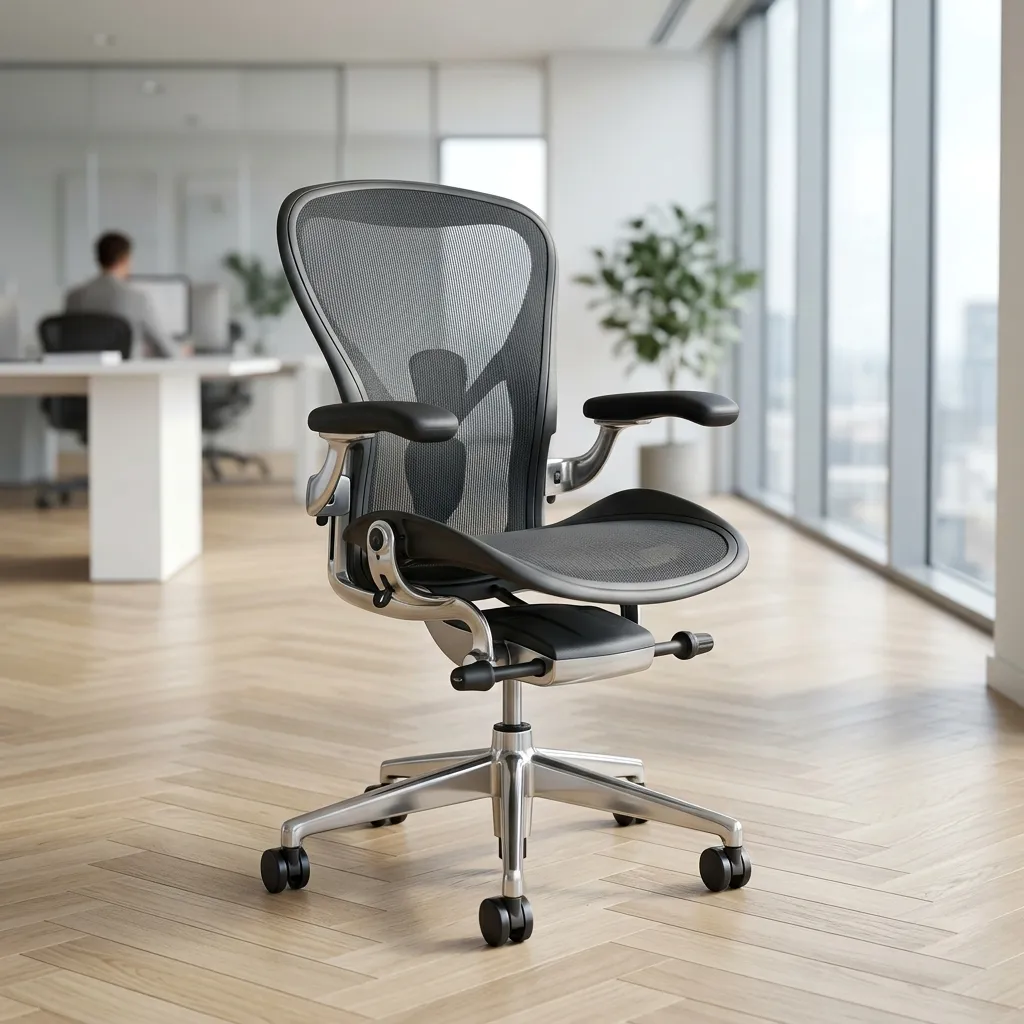
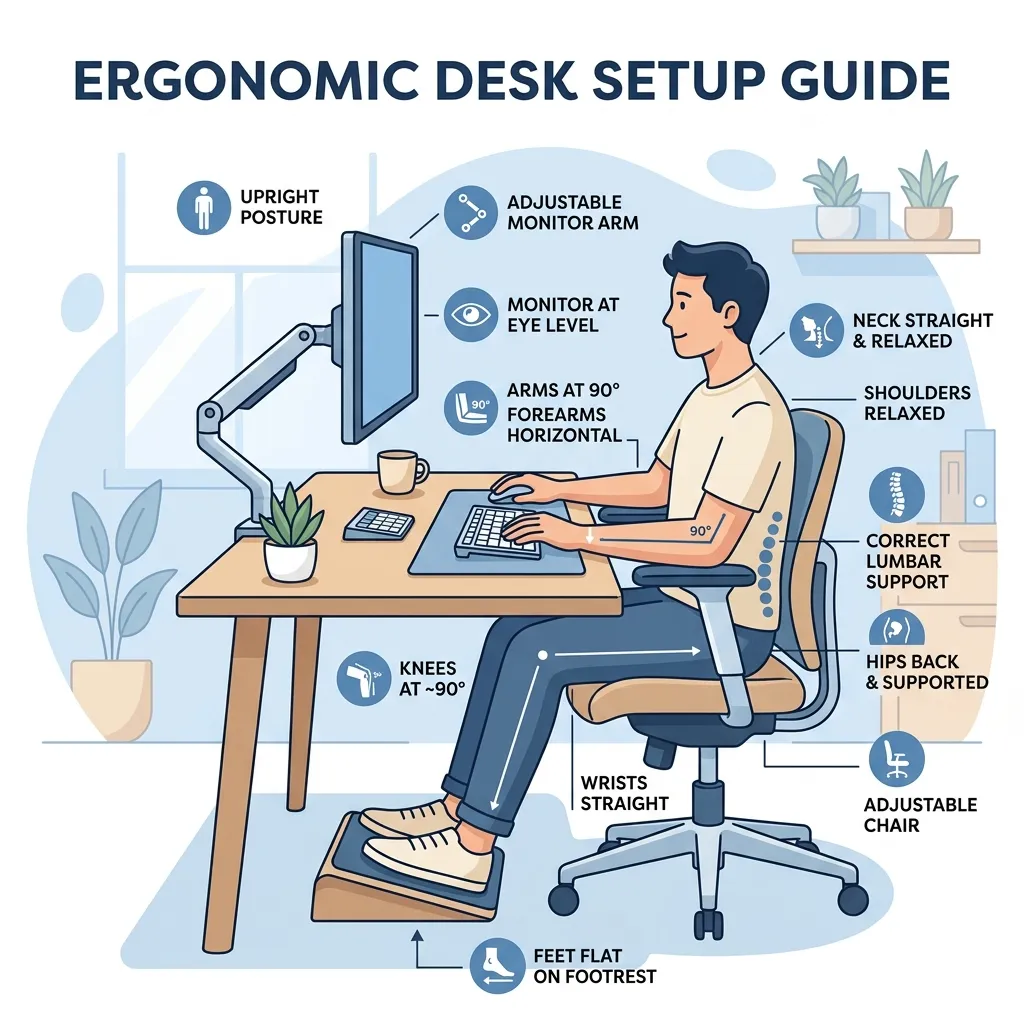
For optimal workspace comfort, consider pairing the selected desk with an ergonomic office chair and invest in quality devices to enhance productivity.
Cost Considerations for Edge Banding Materials
When selecting edge banding materials for MDF desktops, cost is a significant factor. T-Molding typically offers a lower upfront cost compared to PVC and chamfer options, making it an appealing choice for budget-conscious projects.
However, it is essential to consider long-term costs, such as maintenance and replacement. PVC edge banding, while initially more expensive, often provides superior durability and resistance to wear, potentially reducing replacement costs over time.
Additionally, the cost of installation can vary based on the complexity of the edge banding method chosen. T-Molding may require less specialized labor, while PVC and chamfer options might necessitate more precise cutting and fitting, increasing installation expenses.
Ultimately, evaluating the total cost of ownership, including installation and maintenance, is crucial for making an informed decision regarding edge banding materials.
Environmental Impact and Sustainability
As sustainability becomes increasingly important, the environmental impact of edge banding materials warrants consideration. Many manufacturers are now producing eco-friendly options, particularly in PVC and T-Molding materials.
PVC edge banding can contain recycled materials, reducing its overall carbon footprint. Conversely, T-Molding is often made from thermoplastic materials that are recyclable, contributing to a more sustainable lifecycle.
Moreover, evaluating the manufacturing processes of these materials is essential. Environmentally conscious companies are adopting practices that minimize waste and reduce emissions, further enhancing the sustainability of edge banding choices.
Ultimately, selecting edge banding materials that align with sustainability goals can contribute positively to environmental stewardship while maintaining aesthetic and functional quality.
Installation Techniques and Best Practices
Proper installation techniques are vital for ensuring the longevity and performance of edge banding on MDF desktops. The application method can significantly influence the final appearance and durability of the edge banding.
For T-Molding, a straightforward groove cut along the edge of the MDF is often sufficient. However, ensuring the groove is clean and uniform is essential to avoid gaps and misalignment during installation.
PVC edge banding typically requires the use of specialized adhesive and application tools. It is crucial to follow the manufacturer's guidelines regarding temperature and pressure settings to achieve a strong bond.
Chamfer options may require more precision during installation, particularly when creating the angled edges. Utilizing a router with the appropriate bit can ensure a clean and uniform chamfer, enhancing both functionality and aesthetic appeal.
Maintenance and Longevity of Edge Banding
Understanding the maintenance requirements of different edge banding materials is essential for ensuring their longevity. T-Molding is generally low maintenance, requiring only occasional cleaning to remove dust and debris.
PVC edge banding offers excellent resistance to moisture and stains, which aids in maintaining its appearance over time. Regular cleaning with mild detergents can help preserve the material’s finish and prevent discoloration.
Chamfered edges may require more careful maintenance, particularly in high-traffic areas, as they can be more susceptible to chipping. Applying a protective sealant can help enhance the durability of chamfered edges and reduce the need for repairs.
Ultimately, implementing a regular maintenance schedule tailored to the specific edge banding material can significantly extend its lifespan and maintain its aesthetic appeal.
Impact of Edge Banding on Acoustic Properties
The choice of edge banding can also influence the acoustic properties of MDF desktops. Different materials have varying abilities to absorb sound, which can affect the overall acoustic environment in a workspace.
PVC edge banding tends to have better sound-dampening qualities compared to T-Molding, making it a preferable choice in environments where noise reduction is a priority.
Additionally, the thickness and density of the edge banding can further impact sound absorption. Thicker edge banding options, including certain T-Molding products, may offer improved performance in mitigating sound transmission.
Considering the acoustic implications of edge banding choices can play a crucial role in creating a comfortable and productive work environment.
Edge Banding for Specialized Applications
In specialized applications, the choice of edge banding material can be critical. For example, in high-usage environments such as schools or commercial spaces, durability and impact resistance become paramount.
PVC edge banding is often preferred in these contexts due to its robust nature and resistance to wear and tear, making it suitable for high-traffic areas.
In contrast, T-Molding may be ideal for projects where aesthetic value is prioritized over extreme durability, such as in residential furniture or decorative items.
Furthermore, understanding the specific requirements of each application can guide the selection of the most appropriate edge banding material to meet functional and aesthetic needs.
Future Trends in Edge Banding Technology
The edge banding industry is continually evolving, with new technologies and materials emerging to meet changing consumer demands. Innovations in adhesive technologies are enhancing the bond strength and ease of application for various edge banding materials.
Additionally, advancements in manufacturing processes, such as laser edge banding, are gaining popularity. This technique offers precision and seamless finishes, making it an attractive option for high-end applications.
Moreover, sustainability trends are leading to the development of bio-based edge banding materials, which could significantly reduce reliance on traditional plastics and promote a more circular economy.
Keeping an eye on these trends will help consumers and manufacturers alike stay informed about the best practices and materials for future edge banding projects.
Durability Analysis of Edge Banding Materials
The durability of edge banding materials is crucial for ensuring the longevity of MDF desktops. T-molding typically features a rigid structure that provides a robust barrier against impacts and moisture, making it suitable for high-traffic environments.
PVC edge banding, while flexible, may be more prone to wear over time but offers a reasonable balance between aesthetics and durability. Chamfer options tend to be less durable in high-abrasion scenarios, as they can chip or wear down more quickly under certain conditions.
Testing of these materials under various environmental conditions can reveal significant differences in their performance. For instance, exposure to humidity and temperature fluctuations can affect the adhesive integrity of PVC banding, leading to delamination.
In commercial settings, the choice of edge banding material should be driven by the expected wear and tear, ensuring that the selected option aligns with the intended use and environment of the MDF desktop.
Edge Banding and Regulatory Compliance
Compliance with industry standards is a critical aspect of edge banding materials. Many manufacturers must adhere to regulations regarding formaldehyde emissions, particularly in the production of MDF and its associated edge banding materials.
T-molding, PVC, and chamfered options must be evaluated for compliance with standards such as CARB and EPA guidelines. These regulations ensure that materials used in furniture do not emit harmful levels of volatile organic compounds (VOCs).
Furthermore, adherence to fire safety standards is essential, particularly for commercial applications. Edge banding materials must meet specific flammability ratings to ensure a safe working environment.
Manufacturers often provide documentation proving compliance with these standards, allowing consumers to make informed choices while considering health and safety implications in their selections.
Color and Texture Customization in Edge Banding
Customization options for edge banding materials are essential for achieving desired aesthetics in MDF desktops. The range of colors and textures available can significantly influence the overall appearance of a furniture piece.
T-molding offers limited customization in terms of color but excels in texture, providing a glossy or matte finish. PVC edge banding, on the other hand, is available in a vast array of colors and textures, allowing for greater design flexibility.
Chamfered edges can also be customized to complement the desktop's finish, enhancing the visual appeal. This customization can be critical in creating cohesive designs within office spaces or residential environments.
Considering the interplay of color and texture helps in aligning edge banding choices with broader design themes, making it a vital factor in the selection process for MDF desktops.
Application of Edge Banding in Innovative Designs
The application of edge banding goes beyond traditional uses, becoming integral in innovative design solutions. Designers increasingly leverage edge banding to create visually striking contrasts and seamless transitions in furniture design.
For instance, contrasting edge banding colors can be employed to accentuate the curves and contours of modern furniture pieces, creating a bold statement. This design strategy can enhance the visual dynamism of MDF desktops.
Moreover, the use of textured edge banding can add depth and tactile interest to otherwise flat surfaces, offering a unique sensory experience. These aspects are becoming increasingly important in contemporary design trends.
As designers continue to explore new aesthetics and functionalities, edge banding materials will play an essential role in pushing the boundaries of creative possibilities in furniture design.
Impact of Edge Banding on Thermal Stability
Thermal stability of MDF desktops is significantly influenced by the edge banding materials used. T-molding, PVC, and chamfered edges each have distinct thermal properties that can affect the overall performance of the desktop under varying temperature conditions.
PVC edge banding, for example, is known for its superior thermal resistance compared to traditional wood veneers. This characteristic helps prevent warping and delamination, particularly in environments with fluctuating temperatures such as kitchens or workshops.
On the other hand, T-molding may provide less thermal stability due to its construction materials, which can expand or contract more readily under temperature changes. This can lead to gaps between the edge banding and the MDF surface over time.
Understanding these thermal properties is essential for selecting the appropriate edge banding material for specific applications, particularly in regions with extreme temperature variations.
Edge Banding and Its Influence on Repairability
The repairability of an MDF desktop can be significantly affected by the type of edge banding used. Different edge banding options have varying degrees of ease when it comes to repairs and maintenance, which can impact the longevity of the furniture piece.
For instance, PVC edge banding is typically easier to repair due to its flexibility and the ability to easily re-bond it to the MDF surface. In the event of damage, it can often be patched without needing to fully replace the entire edge banding.
Conversely, T-molding may present challenges in repair situations. If the T-molding becomes damaged, it may require complete replacement, which can be a more intensive process. Moreover, matching the existing T-molding can be difficult, leading to aesthetic inconsistencies.
Ultimately, considering the repairability of edge banding materials is crucial for ensuring the long-term usability of MDF desktops, especially in high-traffic environments where wear and tear are more likely to occur.
Maintenance Challenges and Solutions for Edge Banding
The maintenance of edge banding materials can significantly influence the longevity and appearance of MDF desktops. Various environmental factors, such as humidity and temperature fluctuations, can cause edge banding to curl or peel over time. Regular inspections and proactive measures are essential to identify early signs of wear, allowing for timely interventions.
Different edge banding materials present unique maintenance challenges. For instance, PVC edge banding may require specific cleaning agents to avoid damaging the surface, while T-molding can be more susceptible to chipping. Understanding the material properties can guide users in selecting appropriate cleaning and maintenance routines tailored to extend the lifespan of the edge banding.
Repairing damaged edge banding is another critical maintenance aspect. Simple techniques, such as re-gluing or using edge banding adhesive strips, can address minor issues. However, for more extensive damage, complete replacement may be warranted, necessitating knowledge of the original installation methods for effective restoration.
Preventative maintenance strategies, such as applying protective coatings or using furniture polish, can minimize wear and tear. Additionally, educating users on proper handling and care can promote longevity, ensuring that the edge banding not only maintains aesthetic appeal but also functional integrity over time.
Innovative Edge Banding Technologies and Their Implications
Recent advancements in edge banding technologies have introduced innovative solutions that enhance performance and aesthetic appeal. For instance, the development of smart edge banding materials, which can change color or texture in response to environmental stimuli, represents a significant leap in design possibilities. These materials offer unique opportunities for customization and user interaction.
Furthermore, advancements in adhesive technologies have improved the bonding strength and durability of edge banding applications. Innovative adhesives can provide superior resistance to moisture and heat, ensuring that edge banding remains intact even under challenging conditions. This can significantly reduce the frequency of maintenance and replacement tasks.
Additionally, the integration of digital fabrication techniques, such as laser cutting and 3D printing, has expanded the design potential for edge banding. These technologies allow for intricate patterns and shapes that were previously difficult to achieve, enabling designers to create distinctive furniture pieces tailored to specific user needs.
As these innovative technologies continue to evolve, their implications for edge banding materials will reshape industry standards and consumer expectations. Staying abreast of these developments is crucial for manufacturers and designers aiming to leverage new capabilities in their projects, ultimately enhancing the functionality and appeal of MDF desktops.
Frequently Asked Questions
What is T-molding?
T-molding is a type of edge banding made from hard plastic that provides a protective edge for MDF desktops.




