Low Profile Mechanical Keyboards: Pros, Cons and Typing Feel
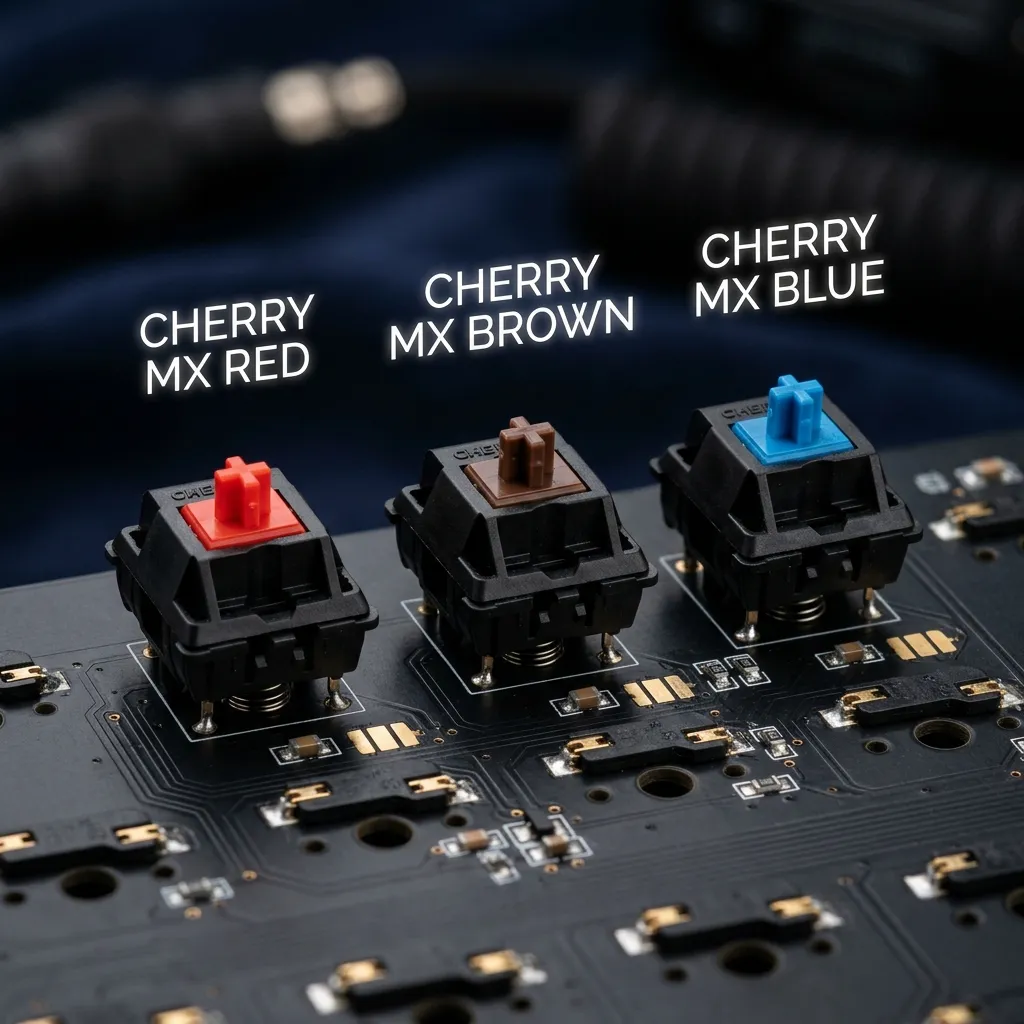
Low profile mechanical keyboards offer a blend of compact design, enhanced ergonomics, and varied typing experiences.
Ergonomics: Improved Comfort and Reduced Strain
Low profile keyboards typically feature a shorter key travel distance, which can minimize finger fatigue during extended typing sessions.
The reduced height allows for a more natural wrist alignment, encouraging a more relaxed posture while typing.
Performance: Quick Response and Precision
Mechanical switches in low profile models often deliver faster actuation times, enhancing typing speed and accuracy.
Models equipped with tactile or clicky switches provide distinct feedback, which can improve typing confidence and rhythm.
Materials: Durability and Build Quality
High-quality low profile keyboards are commonly constructed with aluminum or high-grade plastic, ensuring longevity and resistance to wear.
Keycaps are often made from ABS or PBT plastic, with PBT offering superior durability and a premium feel over time.
Design: Sleek Aesthetics and Functionality
Low profile keyboards are designed to fit seamlessly into modern setups, featuring a minimalist aesthetic that complements various environments.
Backlighting options, such as RGB, enhance both aesthetics and functionality, allowing for customization based on user preference.
Brands and Models: Notable Choices
Brands such as Keychron, Logitech, and Corsair offer a range of low profile mechanical keyboards tailored for different user needs and preferences.
Models like the Keychron K1 and Logitech G915 exemplify the balance between performance and stylish design.
| Model | Switch Type | Key Travel | Material | Price Range |
|---|---|---|---|---|
| Keychron K1 | Gateron Low Profile | 1.5mm | Aluminum | $79 - $89 |
| Logitech G915 | GL Tactile/Silent/Clicky | 1.5mm | Aluminum | $249 - $259 |
| Corsair K100 RGB | Cherry MX Low Profile | 1.5mm | Plastic | $229 - $249 |
DomineTec Tip: Adjust the keyboard height and angle to maintain a neutral wrist position, minimizing strain during prolonged use.
- Identify personal typing style to select the appropriate switch type.
- Consider the keyboard's material for durability and aesthetic preferences.
- Evaluate ergonomic features such as wrist support and key travel distance.
- Explore backlighting options for visibility and customization.
- Research user reviews and expert opinions for real-world performance insights.
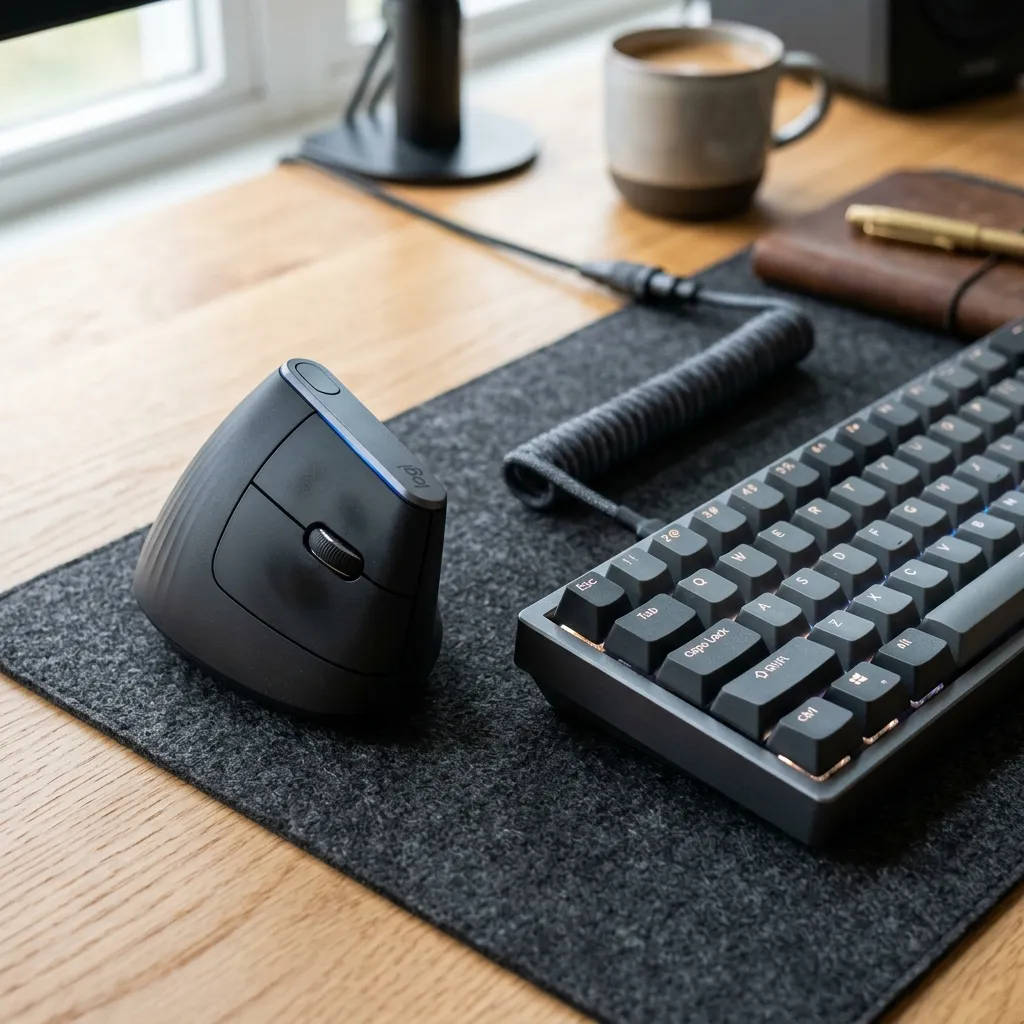

Customization: Keycap Options and Features
Low profile mechanical keyboards offer a variety of keycap options, allowing users to customize their typing experience. From different shapes to materials, the choices can significantly impact both aesthetics and functionality.
Many keyboards support different profiles, such as OEM or Cherry, catering to individual preferences for height and contour.
Furthermore, some low profile keyboards allow for hot-swappable switches, enabling users to easily change the switches without soldering. This feature provides flexibility for users to experiment with different switch types for a tailored typing experience.
Custom keycap sets are also widely available, offering a chance to personalize the look of the keyboard. The variety of colors, textures, and designs available enhances both the visual appeal and the tactile experience.
Switch Types: Understanding Options Available
Low profile mechanical keyboards typically utilize specific switch types designed for their slim form factor. These switches can vary in tactile feedback, actuation force, and sound, impacting user preference significantly.
Common types include low profile linear switches, which provide a smooth keystroke without tactile bumps. In contrast, tactile switches present a noticeable bump at the actuation point, offering feedback that some typists prefer.
Moreover, there are low profile clicky switches that provide both tactile feedback and an audible click sound. This type can enhance the typing experience for users who enjoy auditory confirmation with each keystroke.
Understanding the nuances of each switch type helps users select a keyboard that aligns with their typing preferences and usage scenarios, whether for gaming, programming, or general productivity.
Portability: Ideal for On-the-Go Use
The compact design of low profile mechanical keyboards makes them highly portable, appealing to users who need a keyboard for travel. Their lightweight nature allows for easy transportation in laptop bags or backpacks.
Many models also feature wireless connectivity options, enhancing their usability in mobile setups. Bluetooth and USB-C connections provide versatility for users who switch between devices frequently.
Additionally, the slim profile minimizes the amount of desk space required, making these keyboards suitable for small work environments or crowded coffee shops. This space-saving feature does not compromise functionality, allowing for comfortable typing.
Overall, the portability of low profile keyboards aligns with modern work habits, where flexibility and mobility are increasingly valued by professionals and casual users alike.
Typing Experience: Feedback and Responsiveness
The typing experience on low profile mechanical keyboards is often characterized by a balance between feedback and responsiveness. Users frequently note that the low travel distance can enhance typing speed due to reduced finger movement.
Some users may find that the feel of low profile switches differs significantly from traditional mechanical switches. The reduced height can lead to a different tactile sensation, which may require an adjustment period for those accustomed to standard keyboards.
Moreover, the design of low profile switches often allows for quicker actuation, leading to improved performance in fast-paced typing scenarios, such as gaming or coding. This responsiveness can enhance overall productivity.
Ultimately, the typing experience on these keyboards is subjective, with preferences varying widely among users. It is important for potential buyers to test different models to find one that suits their individual typing style.
Noise Levels: Considerations for Shared Spaces
Noise levels are an important consideration when selecting a low profile mechanical keyboard, especially for users in shared or quiet environments. Keyboards equipped with linear switches are often quieter than their tactile or clicky counterparts.
In office settings, the sound produced by a keyboard can be distracting to colleagues, making low noise options more appealing for collaborative workspaces. Users may also consider dampening rings to reduce sound further.
Additionally, some manufacturers design low profile keyboards with noise-reduction features integrated into the switches. These designs aim to minimize sound while maintaining performance, addressing the needs of users concerned about noise levels.
Ultimately, understanding the sound profile of various switches can help users select a keyboard that balances performance with the auditory environment of their workspace.
Compatibility: Work with Different Operating Systems
Low profile mechanical keyboards are often designed with cross-platform compatibility in mind, making them suitable for various operating systems. This feature allows users to switch between devices without needing multiple keyboards.
Many models support Windows, macOS, and even Linux, enabling seamless transitions for users who work across different systems. This versatility makes low profile keyboards a practical choice for tech-savvy individuals.
Additionally, some keyboards come with customizable key layouts, allowing users to easily remap keys to accommodate different operating systems. This adaptability enhances user experience and efficiency.
Overall, compatibility is a key selling point for low profile mechanical keyboards, catering to diverse user needs in increasingly multi-device environments.
Price Range: Finding the Right Investment
The price range for low profile mechanical keyboards can vary significantly based on features, build quality, and brand reputation. Entry-level models may be available at competitive prices, appealing to budget-conscious consumers.
Mid-range options typically offer a balance of features and performance, often providing customizable keycap options and enhanced switch types. Higher-end models may come with advanced features like programmable keys and RGB lighting.
Investing in a premium low profile keyboard can yield benefits in typing comfort and durability, making it worthwhile for users who spend significant time typing. The overall value is determined by individual needs and preferences.
Ultimately, buyers should assess their usage scenarios and budget constraints to make an informed decision, ensuring that their investment aligns with their typing requirements and lifestyle.
Maintenance: Keeping Your Keyboard in Top Shape
Regular maintenance of low profile mechanical keyboards is essential to ensure longevity and optimal performance. Dust and debris can accumulate under the keycaps, affecting the typing experience and responsiveness.
To clean the keyboard effectively, users should consider removing the keycaps using a keycap puller. This allows for thorough cleaning of the surface and the switches beneath, promoting better functionality.
Additionally, users should periodically check for any signs of wear on the key switches. If a switch feels inconsistent or sticky, it may need to be replaced to maintain the keyboard's performance.
Using a microfiber cloth to wipe down the keyboard surface can prevent buildup, while also keeping the aesthetic appeal intact. Regular maintenance can extend the life of the keyboard and enhance typing comfort.
Gaming: A Competitive Edge with Low Profile Keyboards
Low profile mechanical keyboards are increasingly favored among gamers for their swift actuation and compact design. The reduced key travel distance allows for faster key presses, which can be critical in competitive gaming scenarios.
Furthermore, the low profile design enables gamers to execute rapid combinations and commands without the fatigue associated with traditional keyboards. This can enhance performance in fast-paced gaming environments.
Many low profile keyboards also feature customizable RGB lighting that can be synchronized with in-game actions, adding an immersive element to the gaming experience. This visual feedback can be beneficial for player engagement and adaptability.
Moreover, the portability of low profile keyboards makes them suitable for LAN parties and tournaments, where space and transportability are often considerations. The lightweight nature combined with high performance makes them a preferred choice for competitive gamers.
Accessibility: Inclusive Features for Diverse Users
Low profile mechanical keyboards offer several accessible features designed to accommodate a diverse range of users. Their compact size can be particularly beneficial for individuals with limited desk space or those who prefer a minimalist setup.
Additionally, the tactile feedback of low profile switches can assist users with visual impairments by providing clear physical cues for key presses. This can enhance typing confidence and accuracy for those who rely on touch rather than sight.
Many models also incorporate programmable keys, allowing users to assign custom functions that cater to individual needs. This feature is particularly useful for users who require specific shortcuts for accessibility software or other assistive technologies.
Furthermore, ergonomic considerations in low profile designs can aid users with mobility challenges. The reduced height and angle can facilitate easier reach and provide a more comfortable typing position for extended usage.
Connectivity: Wired vs. Wireless Options
The connectivity of low profile mechanical keyboards can significantly influence user experience and convenience. Wired keyboards typically offer a stable and uninterrupted connection, which is crucial for professional settings and competitive gaming. They often come with USB-C connections, allowing for faster data transfer and power delivery.
On the other hand, wireless low profile keyboards provide enhanced flexibility and freedom of movement. They utilize Bluetooth or proprietary wireless technology, enabling users to connect seamlessly to multiple devices. This is particularly beneficial for those who switch between a laptop, tablet, or smartphone throughout the day.
However, wireless options may require regular battery replacements or recharging, which can be a drawback for some users. It's essential to consider the battery life and charging method when choosing a wireless model, as these factors can affect long-term usability.
Ultimately, the choice between wired and wireless connectivity depends on individual preferences and usage scenarios. Both options have their advantages, and users should weigh these based on their workflow and lifestyle needs.
Key Features: Essential Functionalities to Consider
When selecting a low profile mechanical keyboard, certain key features can enhance the overall experience. Backlighting is one such feature that not only adds aesthetic appeal but also improves visibility in low-light environments. Many keyboards offer customizable RGB lighting, allowing users to personalize their setup.
Another essential feature is programmable keys, which can significantly boost productivity and efficiency. Users can assign macros or specific functions to these keys, streamlining repetitive tasks or enhancing gaming performance. This customization can be particularly beneficial for professionals who rely on shortcuts for software applications.
Additionally, onboard memory is an important consideration for users who frequently switch between devices or configurations. Keyboards with onboard memory can store custom profiles, allowing users to switch settings without the need for software, making it easier to adapt to different environments.
Overall, evaluating these key features can help users find a low profile mechanical keyboard that best suits their needs, enhancing both functionality and user satisfaction.
Battery Life: Evaluating Longevity in Wireless Models
Battery life is a critical factor when considering low profile mechanical keyboards, especially for wireless models. Many users prefer wireless options for their convenience, but the longevity of the battery can significantly impact usability and user satisfaction.
Typically, low profile mechanical keyboards can offer impressive battery life, often lasting weeks or even months on a single charge. Factors such as the type of switches used, backlighting options, and the frequency of use will all play a role in determining battery longevity.
Many manufacturers have implemented power-saving features that automatically reduce backlight brightness when the keyboard is idle. Such intelligent features not only enhance battery life but also contribute to the overall user experience.
Users should consider the trade-off between performance and battery life, as high-performance features may require more power. Reading reviews and user feedback can provide insights into real-world battery performance for specific models.
Software: Enhancing Functionality Through Custom Applications
Software compatibility can greatly enhance the functionality of low profile mechanical keyboards, allowing users to customize their experience. Many brands provide proprietary software that enables users to remap keys, create macros, and adjust RGB lighting settings.
This software often includes features for creating profiles that can be switched depending on the task or activity, whether it's gaming, coding, or general office work. Customization options can significantly improve user efficiency and comfort during extended use.
However, the quality and user-friendliness of this software can vary widely among different brands. It is essential to research and read reviews to determine if the software meets individual needs and expectations.
Additionally, some keyboards offer open-source software compatibility, allowing tech-savvy users to benefit from community-driven enhancements. This flexibility can provide advanced users with an edge in customizing their keyboard to fit unique workflows.
Frequently Asked Questions
What are the advantages of low profile mechanical keyboards?
Low profile mechanical keyboards offer ergonomic benefits, reduced fatigue, and a compact design that can enhance typing speed.
Are low profile keyboards suitable for gaming?
Yes, many low profile keyboards provide quick actuation and customizable features, making them suitable for gaming.
How do low profile switches differ from regular mechanical switches?
Low profile switches typically have a shorter height and travel distance, providing a different feel and responsiveness compared to standard switches.
Can low profile keyboards accommodate all typing styles?
Low profile keyboards can cater to various typing styles, but personal preference may dictate the best switch type and design.
What maintenance is required for low profile keyboards?
Regular cleaning and occasional keycap removal can help maintain performance and appearance, similar to traditional mechanical keyboards.